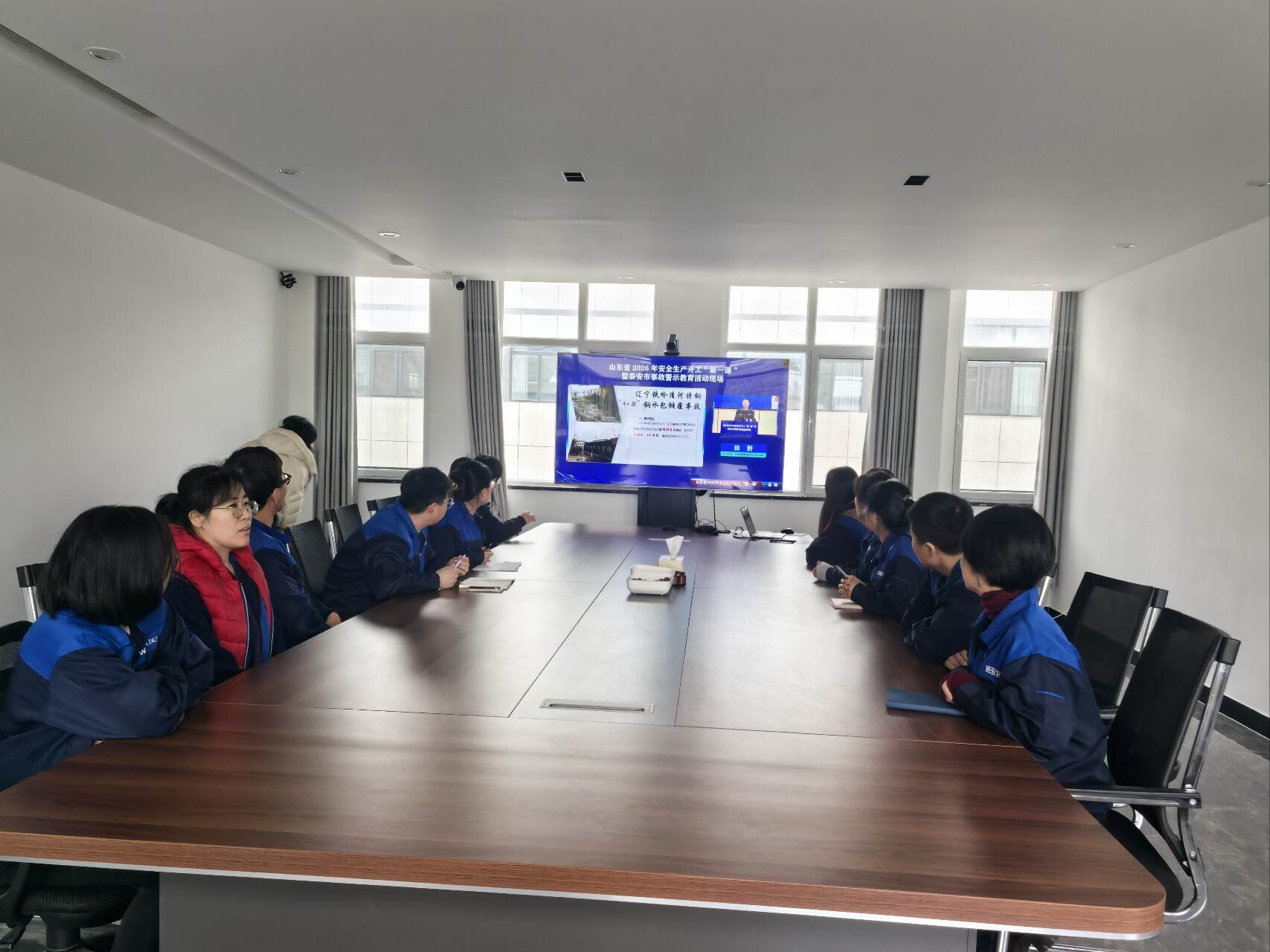
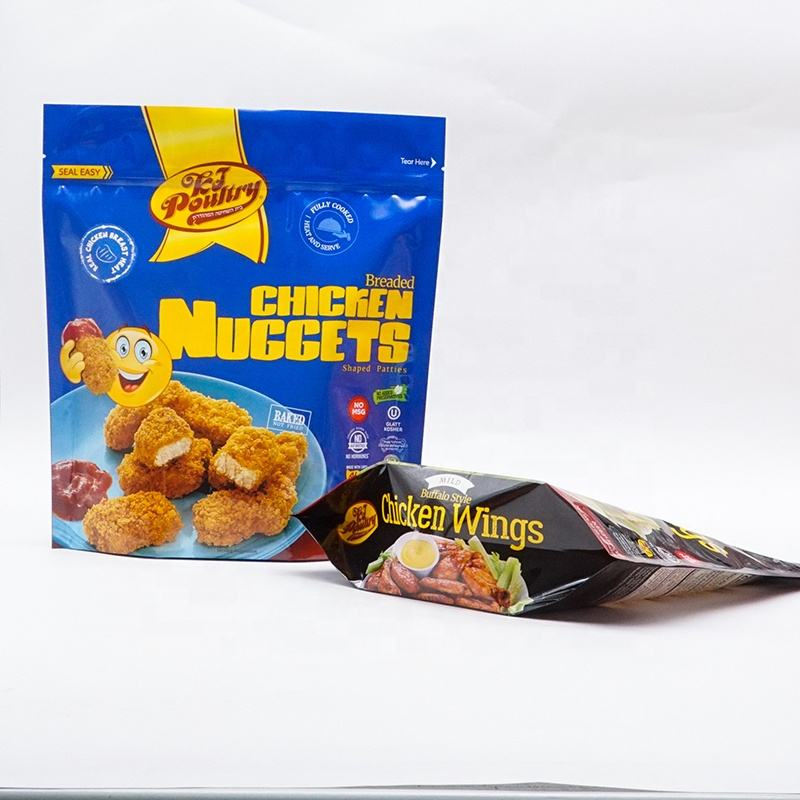
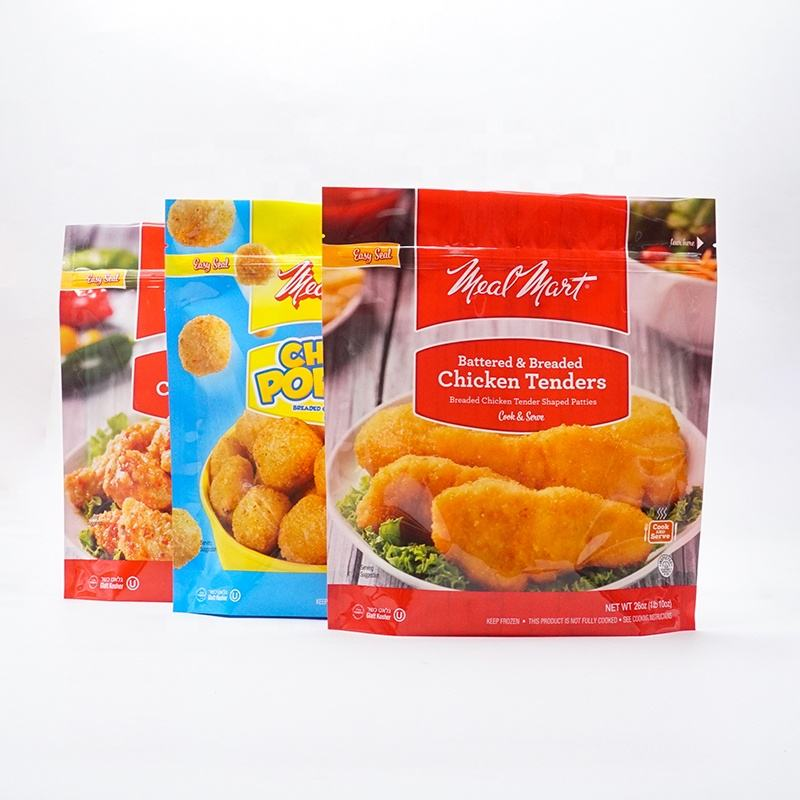
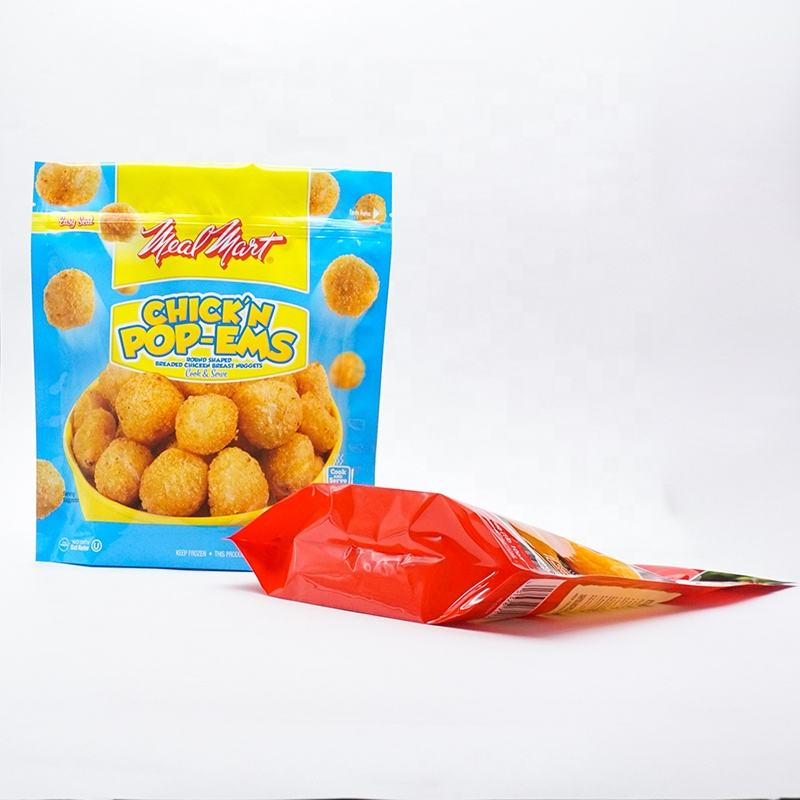
Premium Frozen Food Packages: Advanced Barrier Technology & Temperature-Resistant Design Solutions

Get a Free Quote

Our representative will contact you soon.
Email
Name
Company Name
Mobile/WhatsApp
Message
0/1000

frozen food packages

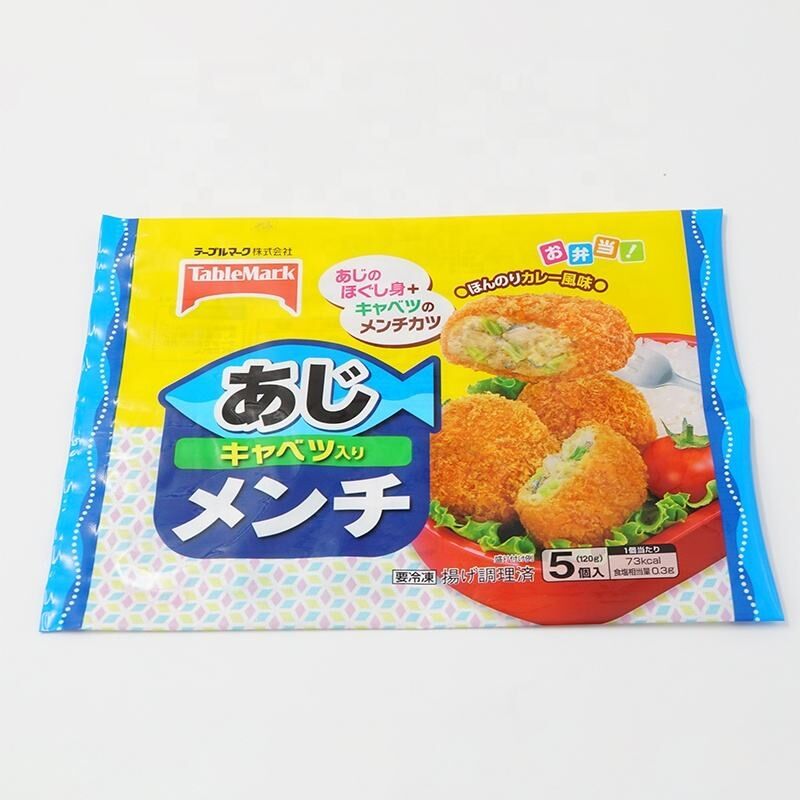
Frozen food packages represent a revolutionary approach to food preservation and distribution, combining advanced packaging technology with sophisticated freezing methods to maintain nutritional value, flavor, and safety throughout extended storage periods. These specialized packaging systems utilize multi-layer barrier materials, typically incorporating polyethylene, polyamide, and ethylene vinyl alcohol copolymers that create an impermeable shield against moisture, oxygen, and contaminants. The primary function of frozen food packages centers on preserving food quality while extending shelf life from days to months or even years. Modern frozen food packages employ vacuum sealing technology that removes air from the package interior, significantly reducing oxidation processes that cause food deterioration. Temperature-resistant materials ensure package integrity at temperatures ranging from -18°C to -40°C, preventing cracking or brittleness that could compromise food safety. Advanced printing technologies allow for detailed product information, cooking instructions, and nutritional data to be clearly displayed on package surfaces. Technological features include modified atmosphere packaging that replaces air with protective gas mixtures, smart packaging with temperature indicators that alert consumers to potential thaw damage, and portion-control designs that facilitate convenient serving sizes. Applications span across residential households, commercial food service operations, retail grocery chains, and institutional catering facilities. The packaging accommodates diverse food categories including vegetables, fruits, meats, seafood, prepared meals, baked goods, and dairy products. Industrial applications extend to bulk packaging for restaurants, schools, hospitals, and military food service programs. Quality assurance features incorporate tamper-evident seals, batch coding for traceability, and compliance with international food safety standards including FDA regulations and European food contact material requirements, ensuring consumer confidence and regulatory compliance across global markets.

Popular Products

Frozen food packages deliver exceptional value through extended shelf life capabilities that dramatically reduce food waste while providing consistent access to nutritious meals regardless of seasonal availability. These packages preserve peak nutritional content by halting enzymatic processes that degrade vitamins, minerals, and essential nutrients, ensuring consumers receive maximum health benefits from their food choices. Cost-effectiveness emerges as a significant advantage, allowing bulk purchasing during seasonal price drops and reducing frequent shopping trips that consume time and transportation costs. Convenience represents a cornerstone benefit, enabling quick meal preparation without extensive cooking skills or time investment, particularly valuable for busy professionals, students, and families managing hectic schedules. Storage efficiency maximizes freezer space utilization through compact, stackable designs that organize easily and optimize available storage capacity in both residential and commercial settings. Safety assurance comes through controlled processing environments that eliminate harmful bacteria and pathogens while maintaining cold chain integrity from production facility to consumer table. Portion control benefits support healthy eating habits and budget management by providing pre-measured serving sizes that prevent overconsumption and reduce meal planning complexity. Global accessibility ensures year-round availability of seasonal produce and specialty items that might otherwise be unavailable in specific geographic regions or during off-season periods. Quality consistency guarantees uniform taste, texture, and appearance across multiple purchases, eliminating variability often encountered with fresh products that may vary in ripeness or condition. Environmental sustainability emerges through reduced food spoilage, decreased packaging waste compared to multiple fresh purchases, and optimized transportation efficiency that reduces carbon footprint per serving. Time-saving advantages allow consumers to maintain diverse, nutritious diets without dedicating excessive time to shopping, preparation, and cooking activities, supporting modern lifestyle demands while maintaining dietary quality and variety.

Tips And Tricks

Factory Resumes Work After Spring Festival Holiday: Safety Training First, Orderly Production Restarted

30

Mar

Factory Resumes Work After Spring Festival Holiday: Safety Training First, Orderly Production Restarted

View More

Get a Free Quote

Our representative will contact you soon.
Email
Name
Company Name
Mobile/WhatsApp
Message
0/1000

frozen food packages

Advanced Barrier Technology for Maximum Food Protection

Advanced Barrier Technology for Maximum Food Protection

The sophisticated barrier technology integrated into modern frozen food packages represents a breakthrough in food preservation science, utilizing multi-layer polymer structures that create an impenetrable defense against environmental factors that compromise food quality. This innovative packaging system combines multiple specialized materials, each serving a specific protective function to ensure optimal food preservation throughout extended storage periods. The outer layer typically consists of high-density polyethylene that provides structural integrity and moisture resistance, while intermediate layers incorporate ethylene vinyl alcohol copolymers that create an exceptional oxygen barrier, preventing oxidative deterioration that causes rancidity, color changes, and nutrient loss. Inner food-contact layers utilize food-grade polyethylene or polypropylene materials that maintain chemical inertness while providing excellent low-temperature flexibility. The barrier technology prevents freezer burn, a common problem that occurs when moisture migrates from food surfaces, creating ice crystals that damage cellular structure and compromise taste and texture. Advanced co-extrusion manufacturing processes ensure uniform layer thickness and optimal adhesion between different polymer components, creating seamless protection that maintains effectiveness throughout the entire storage period. This technology extends beyond basic protection to include specialized additives that enhance performance characteristics. Anti-fog agents prevent condensation buildup that could obscure package visibility, while UV stabilizers protect against light-induced degradation during retail display periods. The barrier system effectively blocks volatile organic compounds that could transfer unwanted flavors or odors between different foods stored in proximity, maintaining the authentic taste profile of each product. Quality assurance testing validates barrier performance through accelerated aging studies, oxygen transmission rate measurements, and real-world storage trials that confirm long-term effectiveness under various temperature and humidity conditions, ensuring consistent protection throughout the product lifecycle.
Temperature-Resistant Design for Extreme Cold Conditions

Temperature-Resistant Design for Extreme Cold Conditions

Exceptional temperature resistance distinguishes premium frozen food packages from conventional packaging solutions, incorporating specialized polymer formulations and structural designs that maintain integrity and functionality across extreme temperature ranges encountered in frozen food distribution and storage systems. This remarkable capability ensures package performance remains consistent whether stored at standard residential freezer temperatures of -18°C or commercial blast freezing conditions reaching -40°C or lower. The temperature-resistant design begins with careful material selection, choosing polymers that retain flexibility and impact resistance at sub-zero temperatures while avoiding brittleness that could cause package failure during handling or transport. Advanced polymer chemistry incorporates plasticizers and impact modifiers that maintain molecular mobility at low temperatures, preventing the crystallization and embrittlement that affect standard packaging materials. Structural engineering considerations include optimized package geometry that distributes stress evenly across all surfaces, reducing concentration points where temperature-induced stress could cause cracking or splitting. Seal integrity represents a critical component of temperature-resistant design, utilizing heat-sealing technologies and adhesive systems specifically formulated for low-temperature performance. These sealing systems maintain hermetic closure throughout temperature cycling that occurs during distribution, preventing air infiltration that could compromise food quality. The package design accommodates thermal expansion and contraction cycles without compromising structural integrity or barrier properties. Specialized testing protocols validate temperature resistance through controlled thermal cycling studies that simulate real-world distribution conditions, including temperature fluctuations during transport, storage, and retail display. Impact resistance testing at various temperatures ensures packages can withstand normal handling stresses without failure, while long-term storage studies confirm that barrier properties and seal integrity remain stable throughout extended frozen storage periods. This comprehensive temperature-resistant design provides confidence that frozen food packages will protect their contents effectively regardless of the challenging environmental conditions encountered throughout the cold chain distribution system.
Smart Packaging Features for Enhanced Consumer Experience

Smart Packaging Features for Enhanced Consumer Experience

Innovative smart packaging features transform frozen food packages into intelligent systems that provide valuable information, enhance safety, and improve overall consumer satisfaction through integrated technologies that go beyond basic food protection and storage functions. These advanced features represent the evolution of packaging from passive containers to active communication tools that bridge the gap between manufacturers and consumers while addressing modern lifestyle needs and safety concerns. Temperature indicator systems provide visual confirmation of proper storage conditions, utilizing thermochromic inks or electronic sensors that change color or display warnings when packages have been exposed to temperature abuse that could compromise food safety or quality. These indicators offer immediate visual feedback that helps consumers make informed purchasing decisions and provides assurance that cold chain integrity has been maintained throughout distribution and retail storage. Portion visibility windows allow consumers to see actual food contents without opening packages, enabling quality assessment and portion size verification that supports meal planning and dietary management goals. This transparency builds consumer confidence while reducing food waste by allowing informed selection based on visual appearance and quantity. Interactive packaging elements include QR codes and smartphone-compatible features that provide access to detailed nutritional information, cooking instructions, recipe suggestions, and ingredient sourcing details that support informed dietary choices and culinary creativity. These digital connections enable manufacturers to provide updated information, cooking tips, and serving suggestions that enhance the consumer experience beyond the initial purchase. Easy-open features incorporate user-friendly designs such as tear strips, resealable closures, and ergonomic gripping areas that accommodate users with limited dexterity while maintaining package integrity during storage. Child-resistant features ensure safety in households with young children while remaining accessible to adult users. Stackable designs optimize freezer organization and space utilization, while clear labeling systems provide essential product information in easily readable formats that support quick identification and inventory management in both residential and commercial settings.

Get a Free Quote

Our representative will contact you soon.
Email
Name
Company Name
Mobile/WhatsApp
Message
0/1000