Professional Frozen Packaging Solutions - Advanced Cold Chain Protection Systems

Get a Free Quote

Our representative will contact you soon.
Email
Name
Company Name
Mobile/WhatsApp
Message
0/1000

frozen packaging

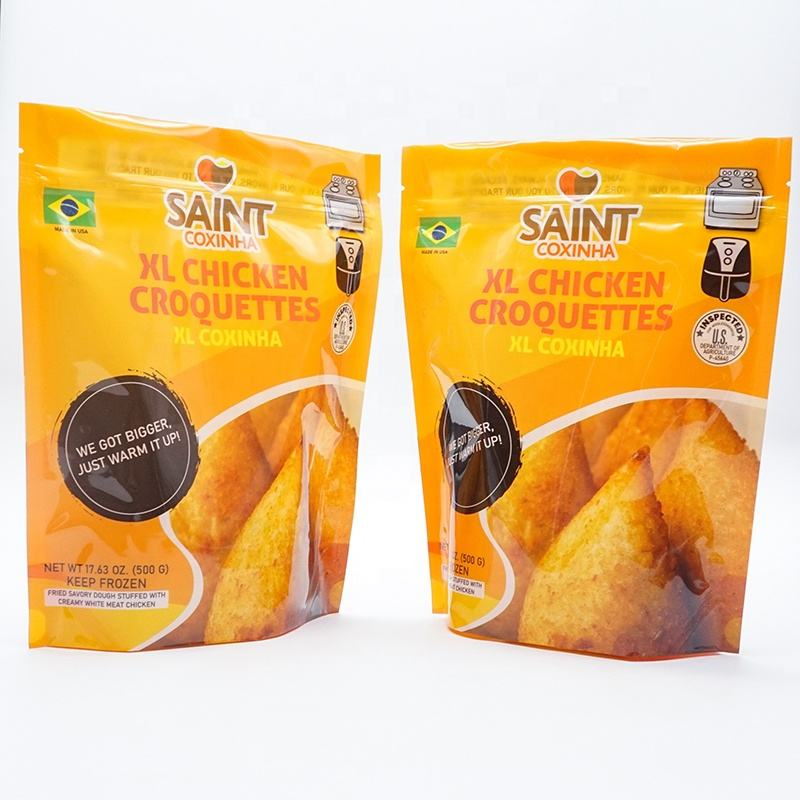
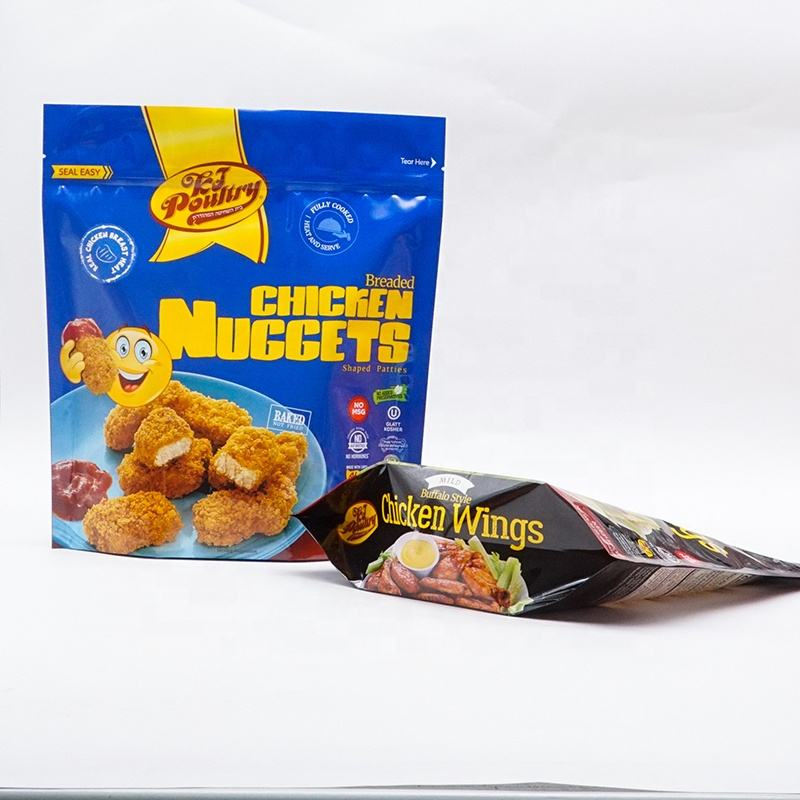
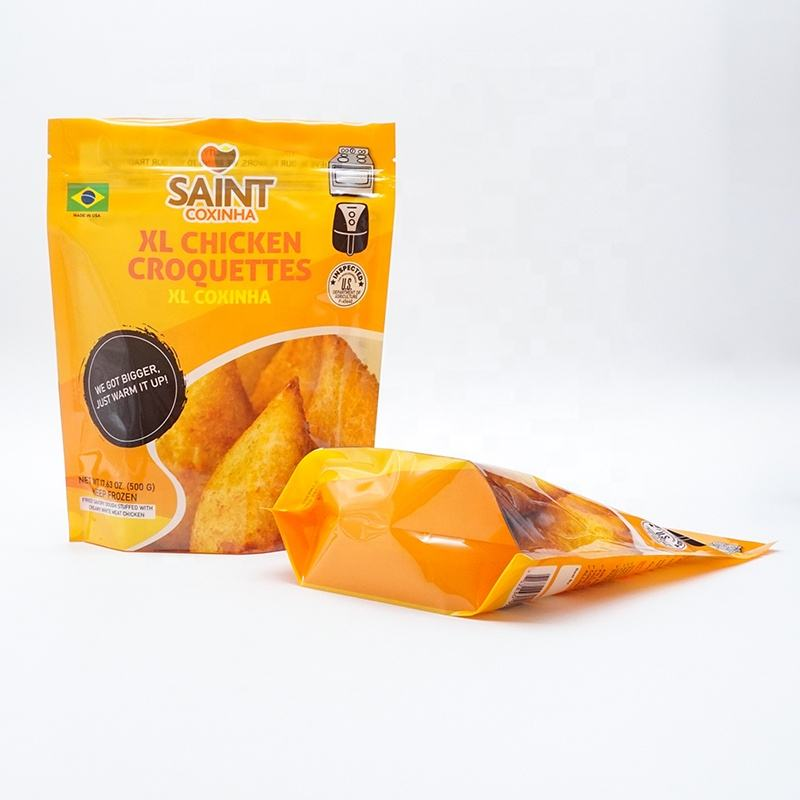
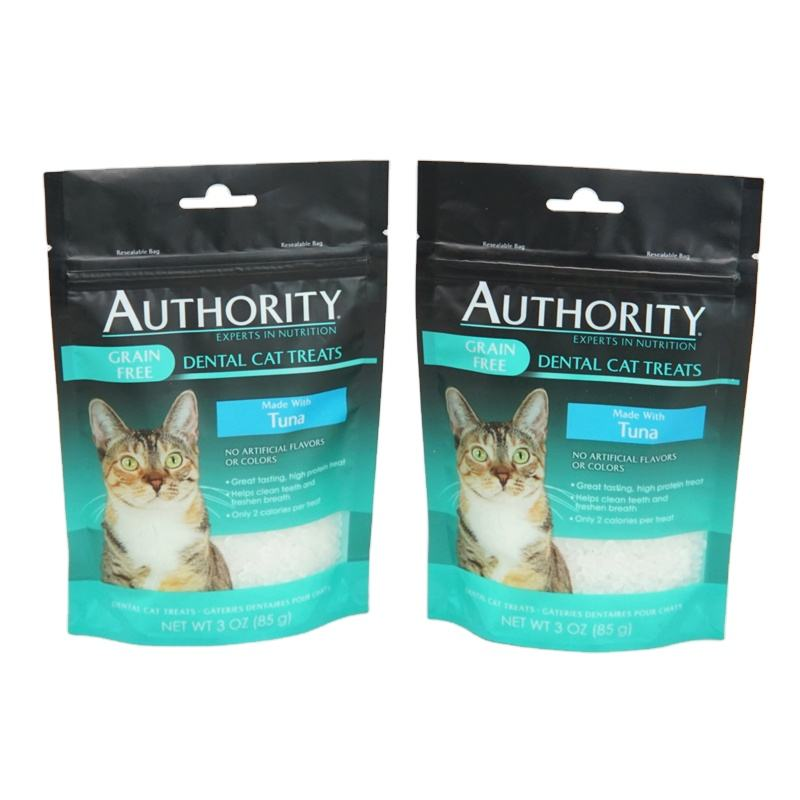
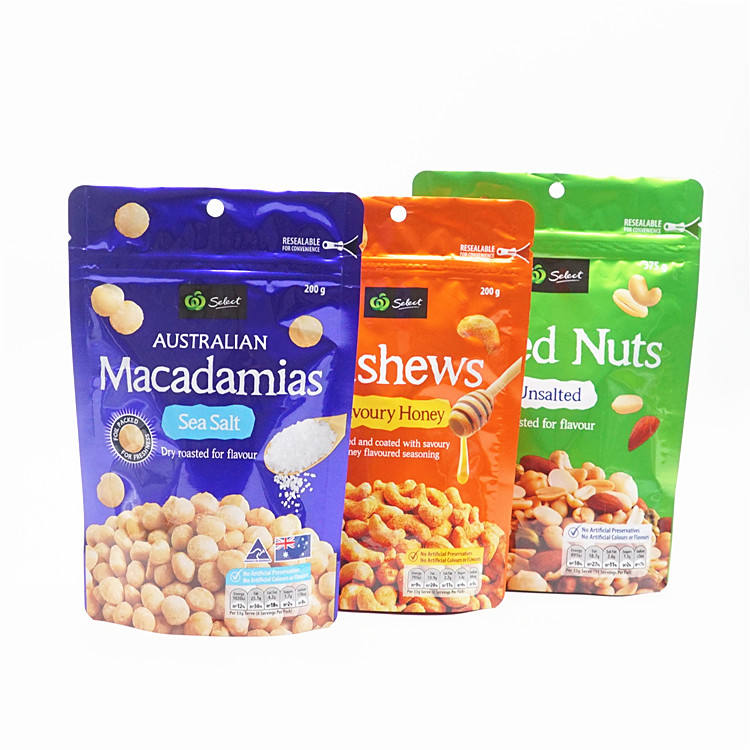
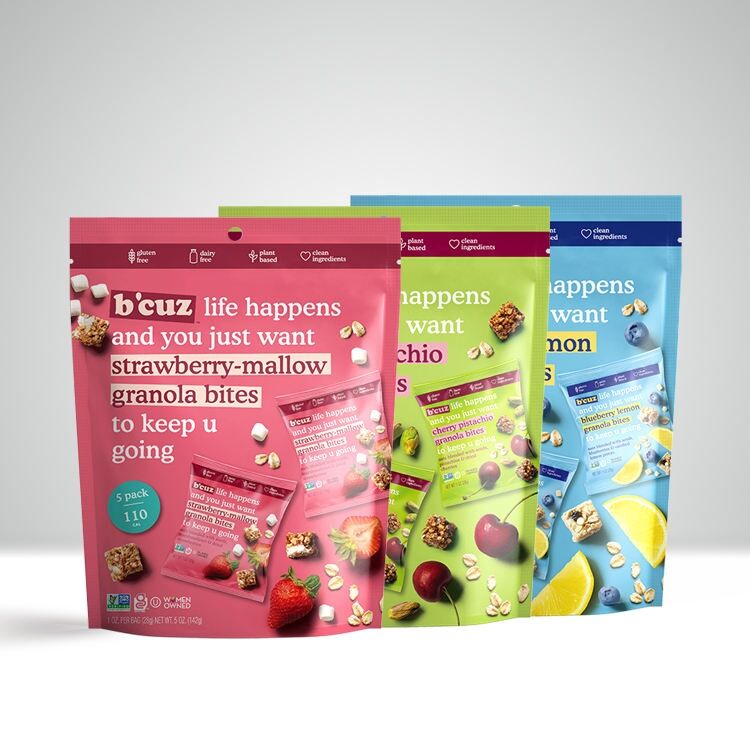
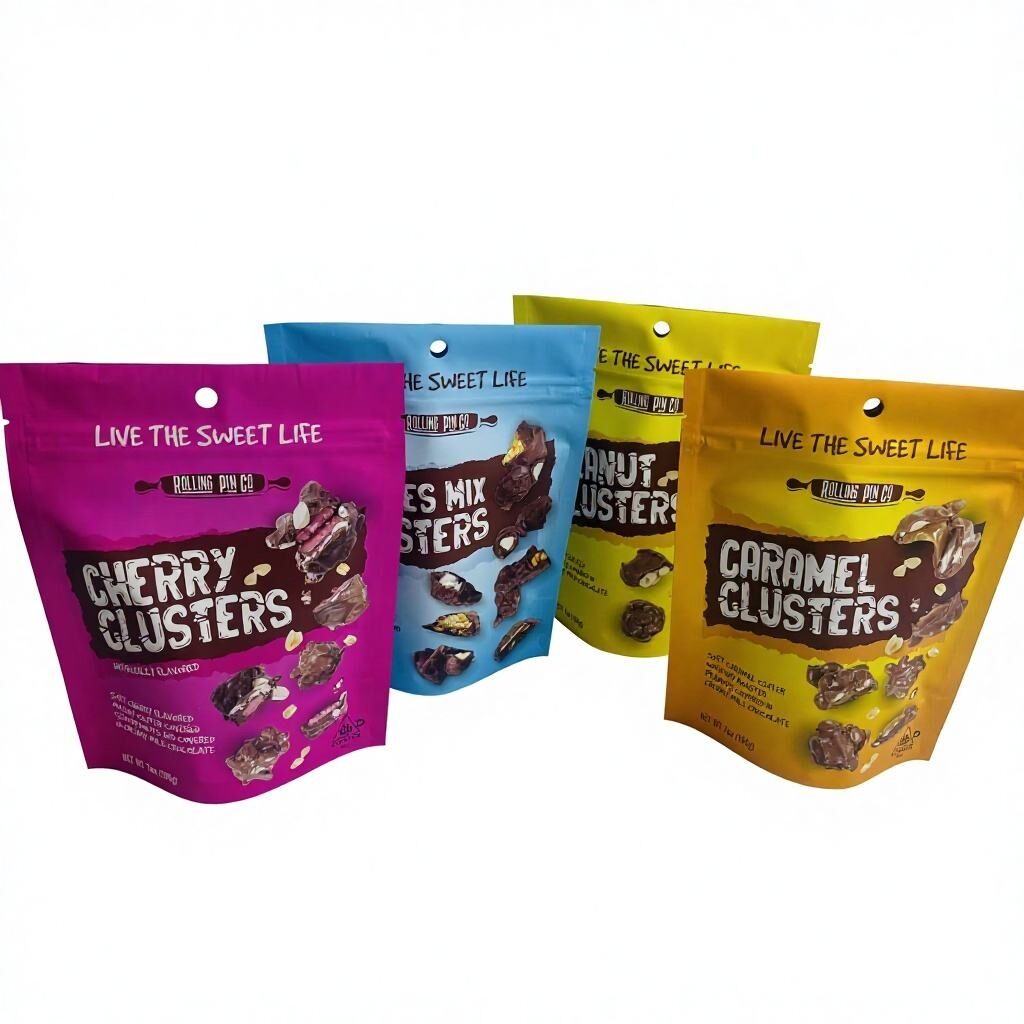
Frozen packaging represents a critical component in the modern cold chain logistics system, serving as the primary barrier between temperature-sensitive products and environmental factors that could compromise their quality and safety. This specialized packaging technology encompasses a comprehensive range of solutions designed specifically for products requiring consistent sub-zero storage and transportation temperatures. The main functions of frozen packaging extend beyond simple containment to include thermal insulation, moisture barrier protection, structural integrity maintenance during freeze-thaw cycles, and contamination prevention. These packaging systems utilize advanced materials science to create multi-layer constructions that effectively maintain product temperature while withstanding the physical stresses associated with frozen distribution networks. Technological features of contemporary frozen packaging include innovative insulation materials such as vacuum-sealed panels, reflective barrier films, and phase-change materials that help regulate temperature fluctuations. Many systems incorporate tamper-evident seals, oxygen barrier properties, and specialized closure mechanisms designed to function reliably at extremely low temperatures. The packaging often features enhanced puncture resistance and flexibility retention even when frozen solid, ensuring product protection throughout the distribution chain. Applications for frozen packaging span numerous industries including food service, pharmaceuticals, biotechnology, and specialty chemicals. In the food sector, these solutions protect everything from frozen meals and ice cream to high-value seafood and meat products. Pharmaceutical applications include vaccine storage, biological samples, and temperature-sensitive medications that require strict temperature control. The biotechnology sector relies on frozen packaging for cell cultures, enzymes, and research materials. Advanced frozen packaging systems often integrate smart technology features such as temperature monitoring sensors, RFID tracking capabilities, and time-temperature indicators that provide real-time visibility into product condition throughout the supply chain, enabling proactive quality management and regulatory compliance.

New Products

Frozen packaging delivers substantial cost savings by significantly reducing product spoilage and waste throughout the supply chain. Companies experience immediate financial benefits as properly designed frozen packaging systems maintain product integrity, preventing expensive losses that occur when temperature-sensitive items degrade due to inadequate protection. These packaging solutions extend product shelf life considerably, allowing businesses to optimize inventory management and reduce the frequency of costly expedited shipments. The enhanced protection translates directly into improved profit margins as fewer products require disposal or discounting due to quality issues. Quality preservation stands as another major advantage of professional frozen packaging systems. These solutions maintain consistent temperatures that preserve nutritional content, texture, flavor profiles, and therapeutic effectiveness of sensitive products. Unlike standard packaging that may allow temperature fluctuations, specialized frozen packaging creates stable micro-environments that protect product characteristics from manufacturing through final consumption. This quality maintenance builds consumer trust and brand reputation while reducing customer complaints and returns. Operational efficiency improvements emerge from using purpose-built frozen packaging that streamlines handling processes throughout the distribution network. These systems feature standardized dimensions that optimize warehouse space utilization and transportation loading patterns. Many frozen packaging solutions incorporate easy-handling features such as integrated lifting points, stackability enhancements, and clear identification marking that accelerate sorting and distribution operations. Workers can process frozen items more quickly and safely, reducing labor costs while minimizing handling errors that could compromise product quality. Regulatory compliance becomes simpler with frozen packaging systems designed to meet industry standards and documentation requirements. These solutions often include built-in traceability features, temperature documentation capabilities, and materials that satisfy food safety, pharmaceutical, and transportation regulations across multiple jurisdictions. Compliance features reduce administrative burden while providing audit trails that demonstrate proper handling throughout the supply chain. Risk mitigation represents a crucial advantage as frozen packaging systems protect against various threats including temperature excursions, physical damage, contamination, and theft. Multi-layer protection reduces insurance costs and liability exposure while ensuring business continuity even when unexpected distribution challenges arise. Companies gain peace of mind knowing their valuable temperature-sensitive products remain protected under diverse operational conditions.

Practical Tips

Factory Resumes Work After Spring Festival Holiday: Safety Training First, Orderly Production Restarted

30

Mar

Factory Resumes Work After Spring Festival Holiday: Safety Training First, Orderly Production Restarted

View More

Get a Free Quote

Our representative will contact you soon.
Email
Name
Company Name
Mobile/WhatsApp
Message
0/1000

frozen packaging

Advanced Thermal Protection Technology

Advanced Thermal Protection Technology

Advanced thermal protection technology in frozen packaging represents a revolutionary approach to maintaining consistent sub-zero temperatures throughout extended distribution periods. This sophisticated system combines multiple insulation layers, each engineered to address specific thermal challenges encountered during frozen product transportation and storage. The core technology utilizes vacuum-insulated panels that create an extremely efficient thermal barrier, significantly outperforming traditional insulation materials while requiring less space. These panels maintain their insulating properties even under mechanical stress, ensuring consistent performance throughout the packaging lifecycle. The thermal protection system incorporates reflective barrier films that redirect radiant heat away from the product chamber, working in conjunction with phase-change materials strategically positioned to absorb and release thermal energy as needed. This combination creates a stable micro-environment that resists external temperature fluctuations, protecting products even during extended periods outside controlled storage environments. The technology includes specialized corner protection and edge sealing techniques that eliminate thermal bridging, preventing heat transfer through structural weak points that compromise lesser packaging systems. Advanced thermal protection extends beyond basic insulation to include smart materials that respond dynamically to environmental conditions. These materials adjust their thermal properties based on ambient temperature changes, providing enhanced protection during extreme weather conditions or unexpected delays in the distribution chain. The system maintains consistent performance across varying altitudes and humidity levels, ensuring reliable protection for international shipments and diverse climate conditions. Quality control measures embedded within the thermal protection technology include continuous monitoring capabilities that track temperature variations and alert handlers to potential issues before product damage occurs. This proactive approach prevents costly losses while providing documentation for regulatory compliance and insurance purposes. The thermal protection technology delivers measurable results including extended product shelf life, reduced spoilage rates, and improved customer satisfaction through consistent product quality delivery.
Superior Structural Durability and Flexibility

Superior Structural Durability and Flexibility

Superior structural durability and flexibility in frozen packaging ensures reliable product protection while maintaining ease of handling throughout the coldest storage and transportation conditions. This engineering achievement addresses the fundamental challenge of creating packaging materials that retain their protective properties and structural integrity when subjected to extreme temperature variations and physical stresses inherent in frozen distribution networks. The advanced material composition utilizes specially formulated polymers and composites that resist brittleness at sub-zero temperatures, maintaining flexibility and impact resistance that prevents cracking, tearing, or structural failure during handling operations. The structural design incorporates reinforced stress points and distributed load pathways that prevent concentrated pressure from compromising package integrity. Multi-directional fiber reinforcement provides enhanced puncture resistance while maintaining the flexibility needed for efficient packing and unpacking operations. The packaging maintains its protective seal integrity through multiple freeze-thaw cycles, preventing moisture ingress and contamination that could compromise product safety and quality. Advanced corner protection and edge reinforcement techniques ensure the packaging withstands the mechanical stresses of automated handling systems, reducing damage during high-volume processing operations. The flexibility characteristics enable efficient storage space utilization as packages can conform to available space without compromising their protective properties. This adaptability reduces transportation costs while ensuring optimal protection throughout the distribution process. The structural durability extends to closure mechanisms that function reliably at extreme temperatures, maintaining secure seals that prevent temperature loss and contamination. Specialized adhesives and sealing materials retain their bonding strength in frozen conditions, ensuring package integrity remains intact throughout extended storage periods. The packaging design accommodates thermal expansion and contraction without compromising structural integrity, preventing seal failure that could result in product degradation. Testing protocols verify structural performance under simulated real-world conditions including vibration, compression, and impact scenarios typically encountered during frozen product distribution. This comprehensive durability ensures consistent protection while minimizing packaging failures that could result in costly product losses and customer dissatisfaction.
Integrated Smart Monitoring and Traceability Systems

Integrated Smart Monitoring and Traceability Systems

Integrated smart monitoring and traceability systems in frozen packaging provide unprecedented visibility and control over product condition throughout the entire supply chain journey. These sophisticated electronic systems combine advanced sensor technology with wireless communication capabilities to deliver real-time monitoring of critical parameters including temperature, humidity, shock events, and package integrity status. The monitoring system utilizes miniaturized sensors strategically positioned within the packaging to provide accurate readings without interfering with product storage space or compromising thermal protection properties. These sensors continuously collect data at predetermined intervals, creating detailed records that document product exposure conditions throughout transportation and storage periods. The wireless communication capabilities enable remote monitoring through cellular, WiFi, or satellite networks, allowing supply chain managers to track shipments and receive immediate alerts when conditions exceed predetermined thresholds. This proactive monitoring prevents product losses by enabling rapid response to potential issues before irreversible damage occurs. The traceability system creates comprehensive audit trails that document handling events, temperature excursions, and location history throughout the distribution process. This information proves invaluable for regulatory compliance, insurance claims, and quality assurance investigations. The data collection capabilities support continuous improvement initiatives by identifying patterns and trends that can optimize distribution processes and prevent recurring issues. Advanced analytics built into the monitoring system provide predictive insights that help identify potential problems before they impact product quality. Machine learning algorithms analyze historical data to predict optimal routing, identify high-risk distribution segments, and recommend preventive measures that enhance overall supply chain performance. The system integrates seamlessly with existing warehouse management and transportation systems, providing consolidated visibility across multiple platforms and stakeholders. Customizable alert systems notify relevant personnel immediately when critical thresholds are exceeded, enabling rapid response that minimizes product exposure to harmful conditions. The monitoring data supports evidence-based decision making for route optimization, carrier selection, and packaging improvements that enhance overall distribution efficiency while maintaining product quality and safety standards.

Get a Free Quote

Our representative will contact you soon.
Email
Name
Company Name
Mobile/WhatsApp
Message
0/1000