Premium Frozen Product Packaging Solutions - Advanced Barrier Technology for Extended Freshness

Get a Free Quote

Our representative will contact you soon.
Email
Name
Company Name
Mobile/WhatsApp
Message
0/1000

frozen product packaging

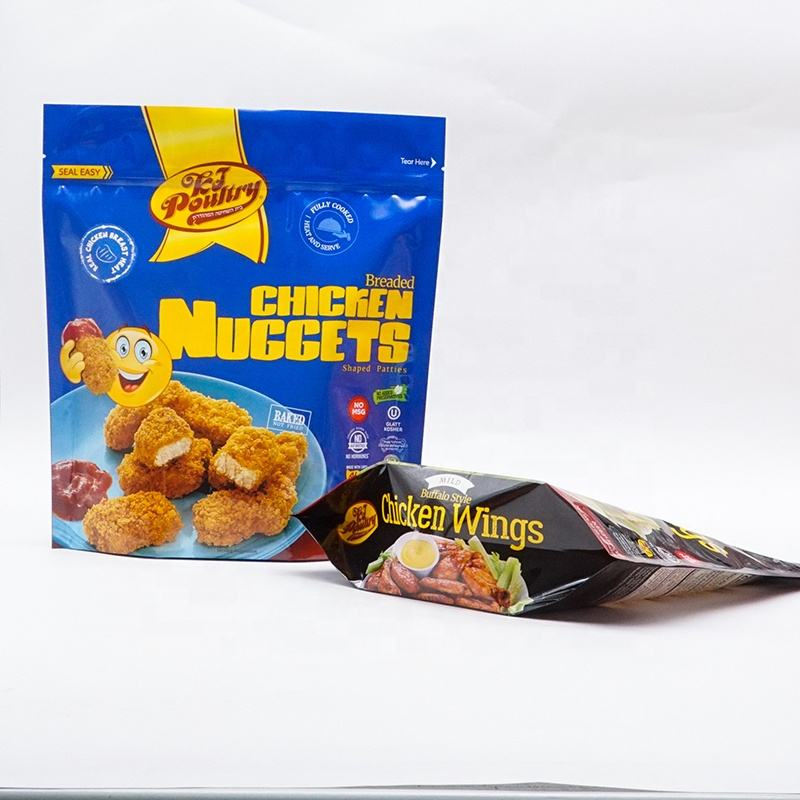
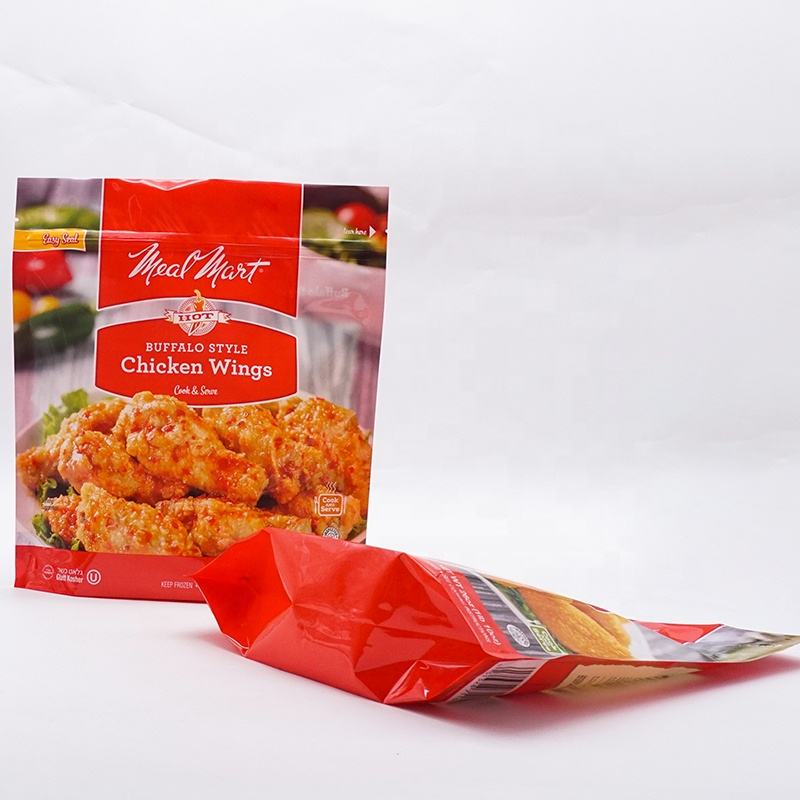
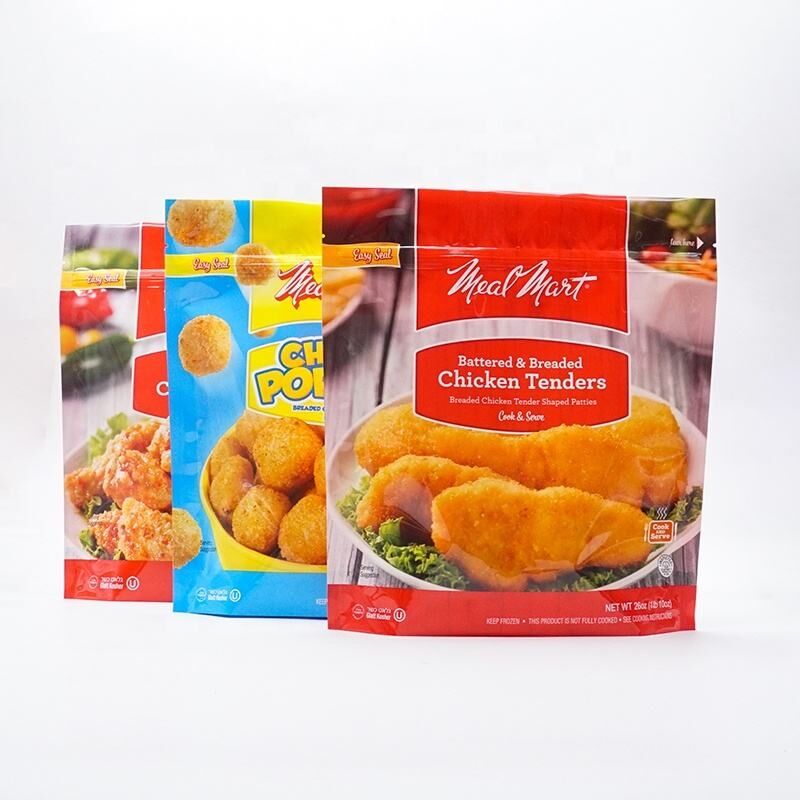
Frozen product packaging represents a specialized category of protective materials designed specifically to maintain the integrity, quality, and safety of frozen foods throughout their journey from production facilities to consumers' freezers. This sophisticated packaging system combines advanced barrier technologies, thermal insulation properties, and structural durability to create an optimal environment for frozen goods preservation. The primary functions of frozen product packaging include temperature maintenance, moisture control, oxygen barrier protection, and contamination prevention. These packages must withstand extreme temperature fluctuations, prevent ice crystal formation, and maintain product freshness for extended periods. Technological features incorporated into modern frozen product packaging encompass multi-layer barrier films, vapor-resistant coatings, puncture-resistant materials, and heat-sealable substrates. Advanced polymer compositions provide excellent flexibility at sub-zero temperatures while maintaining structural integrity during handling and transportation. The packaging often includes specialized printing capabilities that remain legible and attractive even under freezing conditions. Applications span across various frozen food categories including vegetables, fruits, meats, seafood, ready-to-eat meals, ice cream, and bakery products. Retail frozen product packaging serves both protective and marketing functions, featuring eye-catching graphics, nutritional information, and cooking instructions that help consumers make informed purchasing decisions. Industrial applications focus primarily on bulk storage and transportation efficiency, utilizing larger format packages with enhanced protective properties. The packaging must comply with strict food safety regulations and maintain product quality from processing plants through distribution centers to retail outlets and finally to consumer homes.

New Products

Frozen product packaging delivers exceptional value through its superior preservation capabilities that extend product shelf life significantly compared to traditional packaging methods. This extended shelf life reduces food waste for both retailers and consumers, creating substantial cost savings throughout the supply chain. The advanced barrier properties prevent freezer burn, which occurs when air exposure causes dehydration and oxidation of frozen foods, resulting in unpalatable texture and flavor changes. By eliminating freezer burn, frozen product packaging ensures that products maintain their original taste, nutritional value, and visual appeal throughout their intended storage period. Temperature stability represents another crucial advantage, as specialized materials resist thermal shock and maintain consistent internal temperatures even during temporary exposure to warmer environments during transportation or handling. This temperature consistency prevents partial thawing and refreezing cycles that can compromise food safety and quality. The packaging provides excellent protection against physical damage during handling, stacking, and transportation, reducing product loss and maintaining package integrity from warehouse to consumer purchase. Moisture control features prevent ice crystal formation and maintain optimal humidity levels within the package, preserving texture and preventing quality degradation. Enhanced structural strength allows for efficient stacking and storage in freezers, maximizing space utilization in both commercial and residential settings. The packaging materials resist punctures and tears that could compromise the protective environment, ensuring consistent performance even under demanding handling conditions. Clear visibility options allow consumers to inspect product quality before purchase, building confidence and trust in the brand. Easy-open features improve consumer convenience without compromising package integrity or protection. Cost-effectiveness emerges through reduced product loss, extended shelf life, and improved operational efficiency throughout the distribution chain. Environmental considerations include recyclable materials and reduced food waste, contributing to sustainable packaging practices that appeal to environmentally conscious consumers.

Latest News

Factory Resumes Work After Spring Festival Holiday: Safety Training First, Orderly Production Restarted

30

Mar

Factory Resumes Work After Spring Festival Holiday: Safety Training First, Orderly Production Restarted

View More

Get a Free Quote

Our representative will contact you soon.
Email
Name
Company Name
Mobile/WhatsApp
Message
0/1000

frozen product packaging

Advanced Multi-Layer Barrier Technology

Advanced Multi-Layer Barrier Technology

The cornerstone of effective frozen product packaging lies in its sophisticated multi-layer barrier technology, which creates an impenetrable shield against environmental factors that can compromise product quality. This innovative system typically incorporates three to seven distinct layers, each engineered to perform specific protective functions that work synergistically to maintain optimal frozen storage conditions. The outer layer provides mechanical protection and printability, utilizing durable polymers that resist punctures, tears, and abrasions encountered during handling and transportation. The middle barrier layers employ specialized materials such as ethylene vinyl alcohol copolymer or aluminum foil that create an effective barrier against oxygen transmission, preventing oxidative reactions that cause rancidity and off-flavors in frozen foods. These barrier layers also control moisture vapor transmission, maintaining the proper humidity balance within the package to prevent dehydration and ice crystal formation. The inner sealant layer, typically made from polyethylene or polypropylene, provides heat-sealable properties for secure package closure while maintaining flexibility at freezing temperatures. This multi-layer construction achieves oxygen transmission rates as low as 0.01 cubic centimeters per square meter per day, significantly outperforming single-layer alternatives. The technology incorporates advanced adhesive systems that maintain layer integrity throughout temperature cycling, preventing delamination that could compromise barrier properties. Specialized tie layers ensure chemical compatibility between different polymer types, creating a unified structure that performs reliably under extreme conditions. This barrier technology extends frozen product shelf life by up to 300 percent compared to conventional packaging, providing substantial economic benefits for manufacturers and retailers while ensuring consumers receive products at peak quality. The system also enables portion control and individual serving packages without sacrificing protection, supporting modern lifestyle demands for convenience and portion management.
Superior Temperature Management System

Superior Temperature Management System

Frozen product packaging incorporates an advanced temperature management system that maintains consistent internal temperatures even during challenging distribution and storage conditions. This system utilizes materials with low thermal conductivity properties that create an insulating barrier around frozen products, minimizing heat transfer from external sources. The packaging design includes thermal mass considerations that help buffer against temperature fluctuations during brief exposures to ambient temperatures during loading, unloading, and consumer transport. Specialized polymer formulations maintain flexibility and sealing integrity at temperatures as low as negative forty degrees Fahrenheit, ensuring package performance across the entire frozen storage temperature range. The system prevents thermal bridging through careful material selection and package design, eliminating weak points where heat could penetrate and compromise product quality. Reflective surfaces integrated into package design help deflect radiant heat, providing additional protection during exposure to warm environments or direct sunlight. The temperature management system works in conjunction with proper package sizing and air space optimization to create stable microclimates within each package. This stability prevents partial thawing that could lead to texture changes, nutrient loss, and potential food safety issues. Advanced thermal modeling during package development ensures optimal performance across various product densities and compositions. The system accommodates different freezing rates and storage requirements for various product categories, from delicate berries that require gentle handling to dense meat products that need robust protection. Quality indicators can be integrated into the temperature management system, providing visual confirmation of proper temperature maintenance throughout the supply chain. This comprehensive approach to temperature control reduces product loss due to temperature abuse by up to ninety percent, ensuring consistent product quality and consumer satisfaction while supporting brand reputation and reducing warranty claims.
Enhanced Structural Integrity and Consumer Convenience

Enhanced Structural Integrity and Consumer Convenience

Modern frozen product packaging combines exceptional structural integrity with user-friendly convenience features that enhance both protection and consumer experience. The structural design utilizes advanced engineering principles to create packages that withstand the mechanical stresses of automated processing, high-speed packaging lines, and rough handling during distribution. Reinforced stress points and optimized corner designs prevent package failure at critical junctions where tears typically initiate. The materials exhibit excellent impact resistance, maintaining integrity even when dropped from significant heights or subjected to compression forces during stacking. This durability reduces product loss and maintains package aesthetics throughout the supply chain. The convenience features include easy-open mechanisms such as laser scoring, perforation patterns, and zipper closures that allow consumers to access products without tools while maintaining resealability for portion control. Ergonomic package shapes and sizes facilitate handling and storage in home freezers, maximizing space efficiency and preventing awkward stacking that could damage other frozen items. Clear viewing windows or transparent panels allow product inspection without opening, building consumer confidence and reducing returns. The packaging incorporates cooking-in-package capabilities where appropriate, enabling direct microwave or oven preparation without product transfer, reducing preparation time and cleanup requirements. Portion control features such as perforated sections or individual compartments support healthy eating habits and reduce waste. Smart packaging elements can include QR codes linking to recipes, nutritional information, and preparation videos, adding value beyond basic protection. The structural design accommodates various filling methods and product forms, from loose pieces to formed shapes, without compromising protection or convenience. Child-resistant features can be incorporated where necessary without significantly impacting ease of use for adults. The packaging design considers end-of-life disposal, with easy separation of different materials for recycling and clear labeling of recyclable components. This comprehensive approach to structural integrity and convenience creates a superior user experience that builds brand loyalty while maintaining the highest standards of product protection and food safety throughout the entire product lifecycle.

Get a Free Quote

Our representative will contact you soon.
Email
Name
Company Name
Mobile/WhatsApp
Message
0/1000