plastic packaging for frozen food
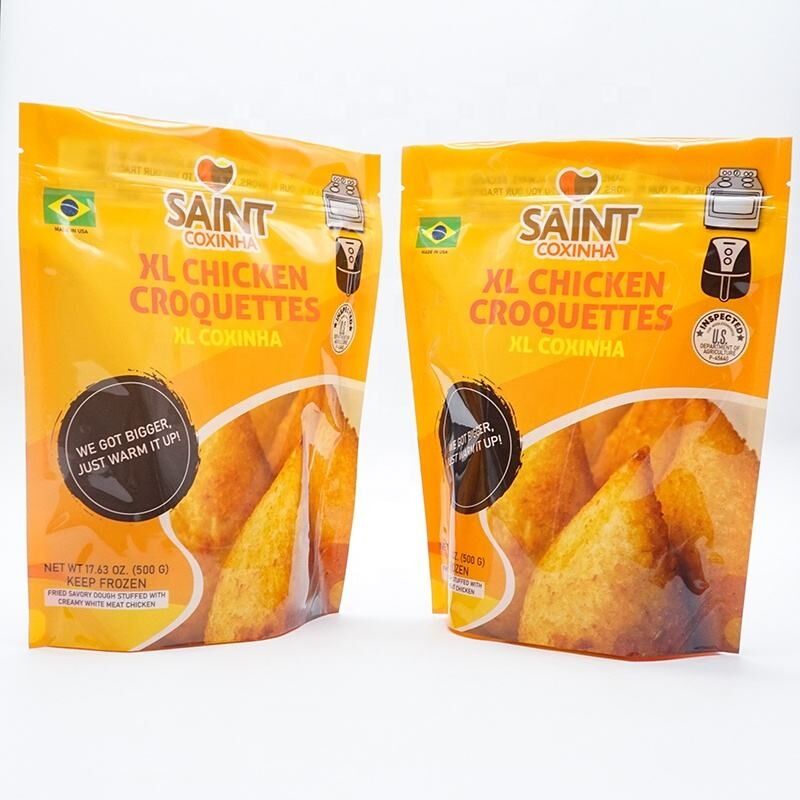
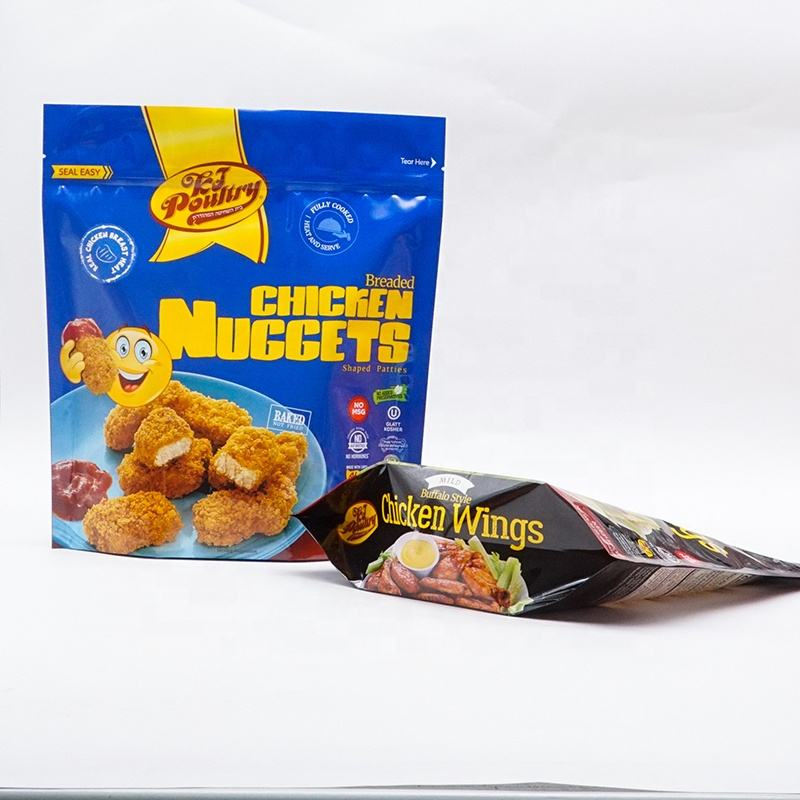
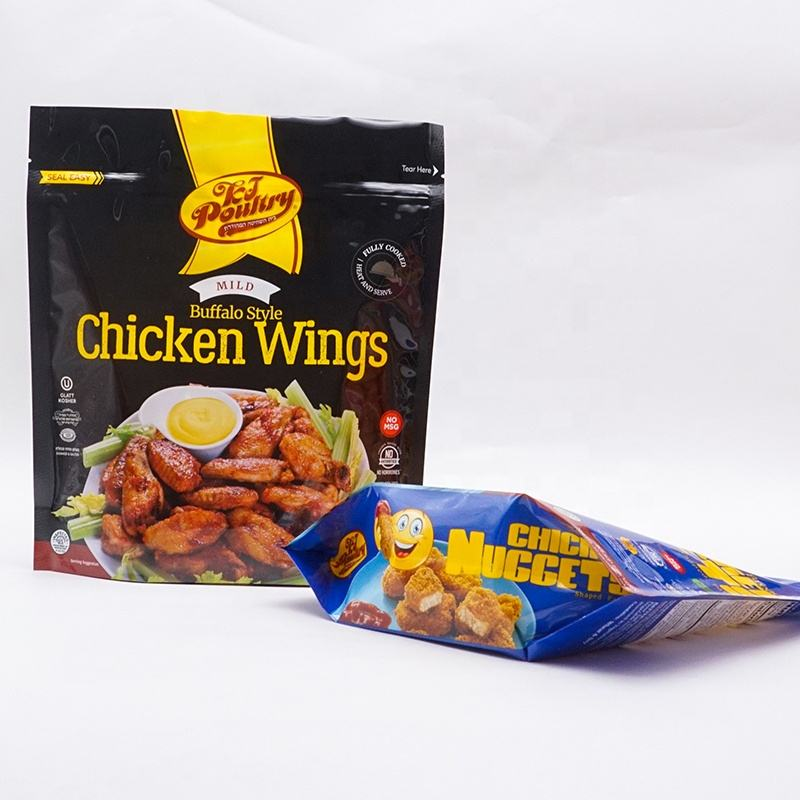
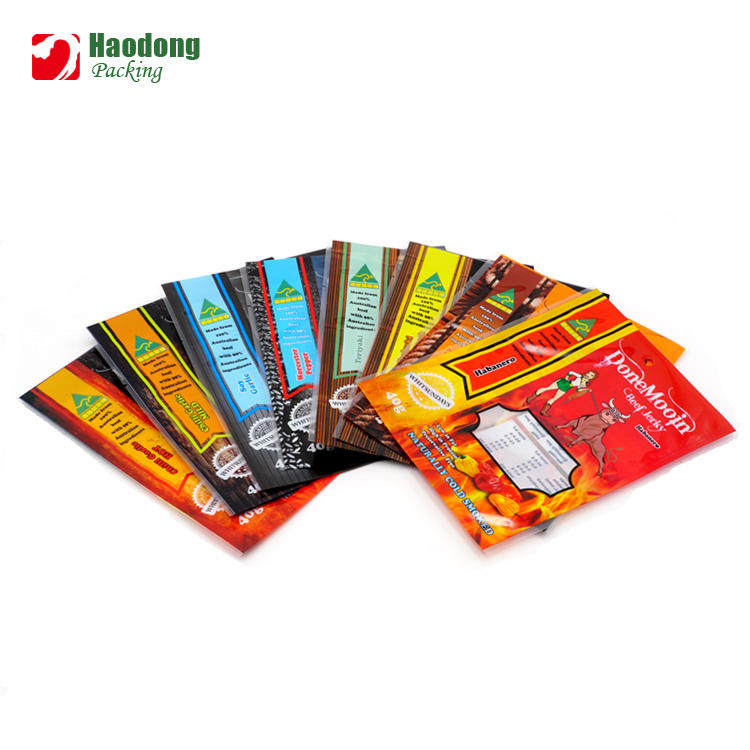
Plastic packaging for frozen food represents a sophisticated solution designed to preserve food quality and extend shelf life in freezing temperatures. This specialized packaging system utilizes advanced polymer materials that maintain their structural integrity and barrier properties even when exposed to extreme cold conditions ranging from -18°C to -40°C. The primary functions of plastic packaging for frozen food include moisture protection, oxygen barrier creation, temperature resistance, and contamination prevention. These packages are engineered with multi-layer structures that combine different plastic materials to achieve optimal performance characteristics. The technological features incorporate specialized additives that prevent brittleness at low temperatures, ensuring the packaging remains flexible and puncture-resistant during handling and storage. Modern plastic packaging for frozen food employs various polymer combinations including polyethylene, polypropylene, and ethylene vinyl alcohol copolymers to create effective barrier systems. The applications span across numerous frozen food categories including vegetables, fruits, meat products, seafood, prepared meals, and dairy items. Manufacturing processes involve sophisticated techniques such as co-extrusion, lamination, and specialized printing methods that maintain package integrity throughout the freezing process. The packaging design considerations include thermal shock resistance, which allows products to withstand rapid temperature changes during transportation and storage. Additionally, these packages feature enhanced sealing properties that prevent ice crystal formation and freezer burn, maintaining food texture and nutritional value. The material composition ensures compatibility with various packaging machinery used in frozen food production facilities, enabling efficient automated packaging processes that maintain hygiene standards and production speed requirements.
 ×
×

 EN
EN