Sustainable Frozen Food Packaging Solutions: Eco-Friendly Technology for Modern Food Preservation

Get a Free Quote

Our representative will contact you soon.
Email
Name
Company Name
Mobile/WhatsApp
Message
0/1000

sustainable frozen food packaging

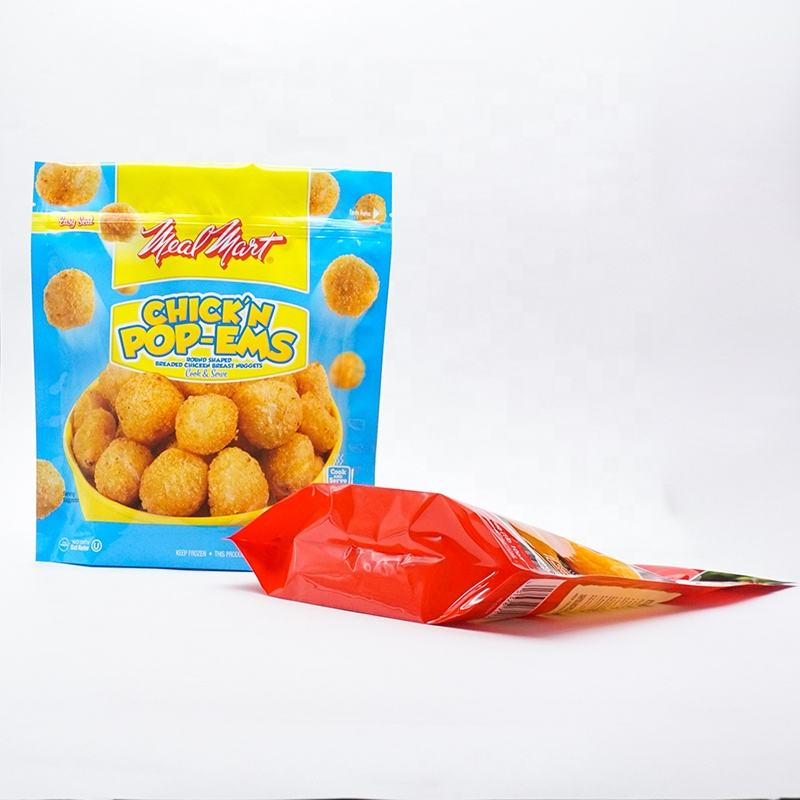
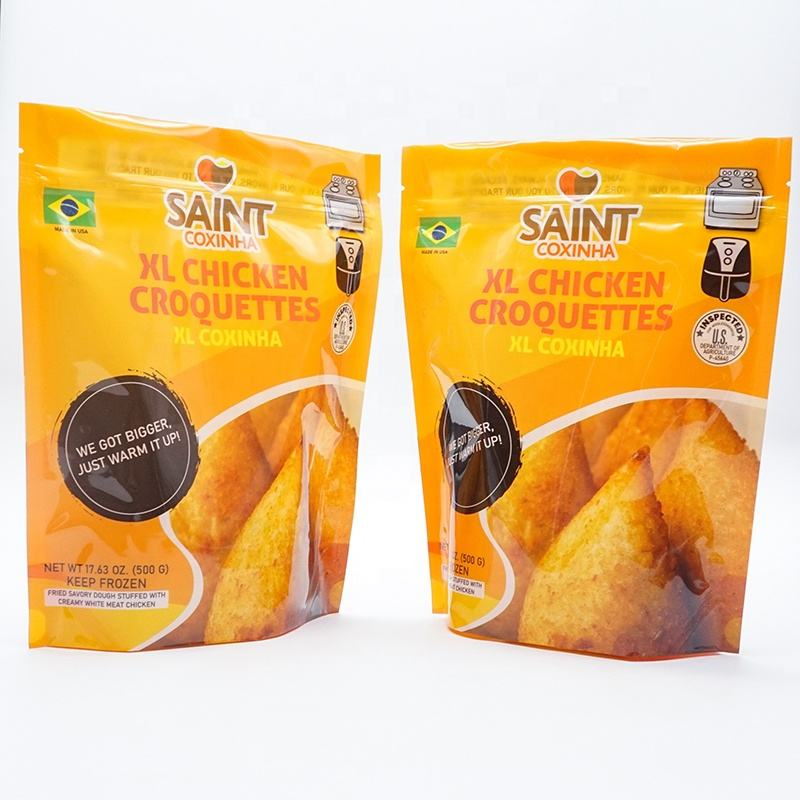
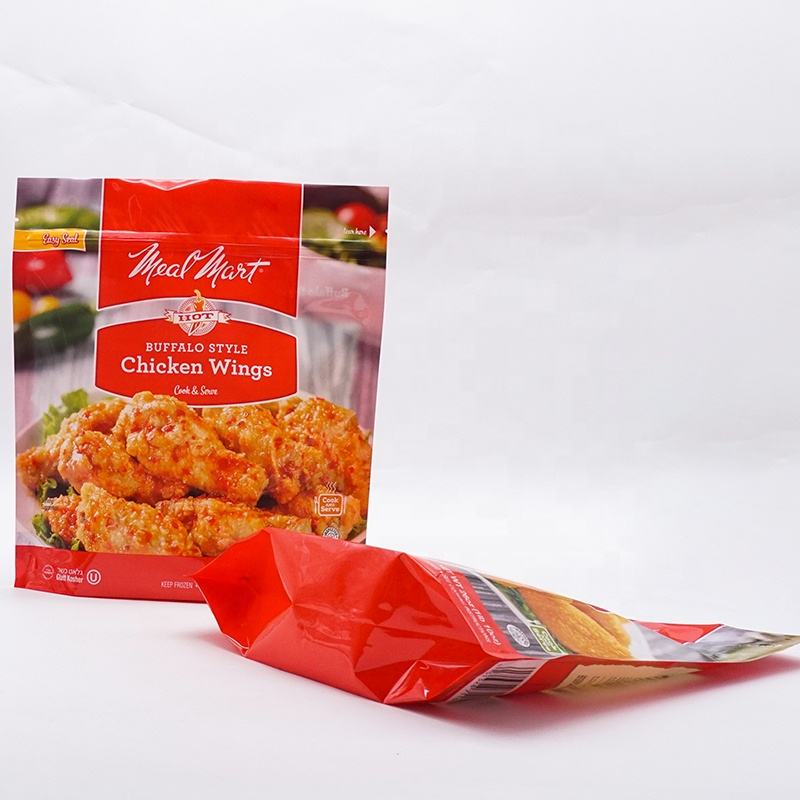
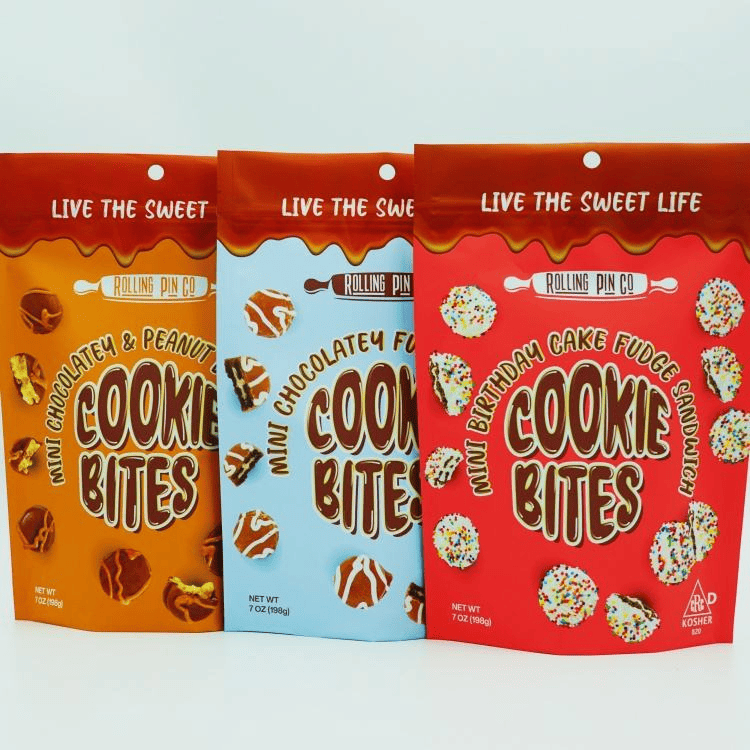
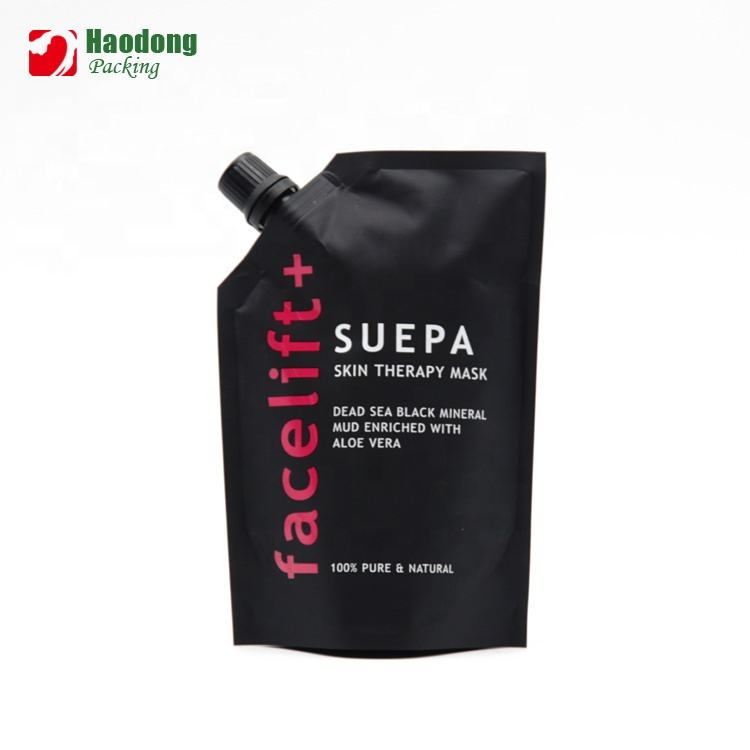
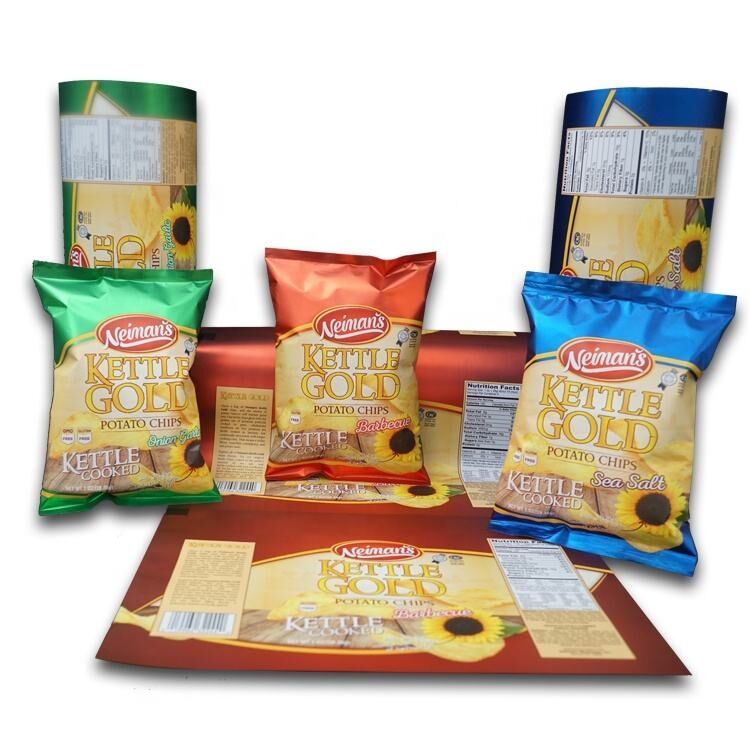
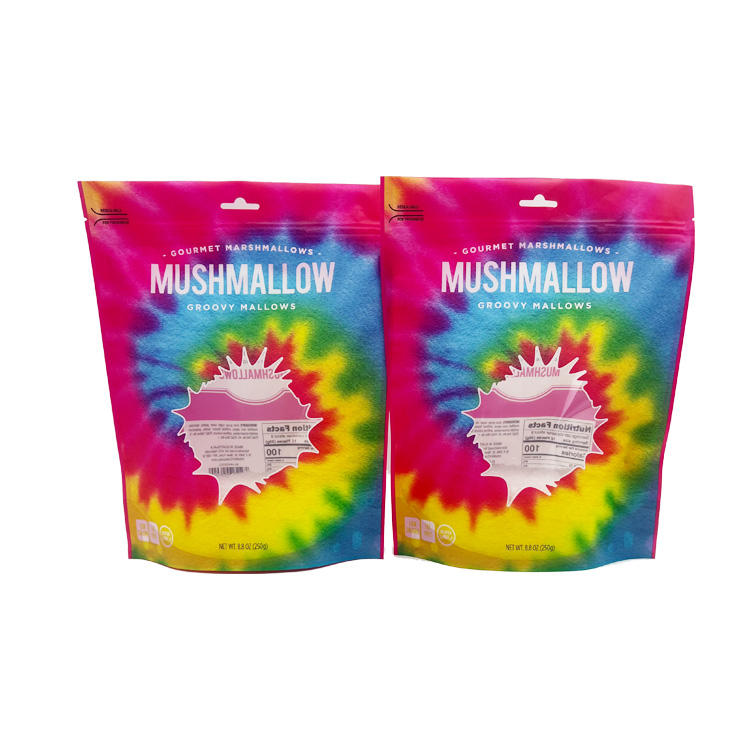
Sustainable frozen food packaging represents a revolutionary approach to preserving food quality while minimizing environmental impact. This innovative packaging technology combines advanced preservation methods with eco-friendly materials to create solutions that protect frozen foods throughout their entire supply chain journey. Modern sustainable frozen food packaging utilizes biodegradable polymers, recyclable materials, and plant-based components that decompose naturally without harming ecosystems. The main functions encompass temperature maintenance, moisture barrier protection, oxygen exclusion, and contamination prevention while ensuring complete product visibility for consumers. Technological features include multi-layer barrier films made from renewable resources, vacuum-sealed compartments that eliminate freezer burn, and intelligent temperature indicators that monitor product integrity. These packages incorporate renewable materials such as corn starch, sugarcane pulp, and recycled paper fibers that maintain structural integrity under extreme cold conditions. The applications span across multiple food categories including frozen vegetables, prepared meals, seafood, dairy products, and bakery items. Manufacturers utilize these packages in retail environments, food service operations, and direct-to-consumer delivery systems. Advanced sustainable frozen food packaging also integrates smart labeling technologies that provide traceability information and expiration alerts. The materials resist punctures and tears while maintaining flexibility at sub-zero temperatures. Recent innovations include compostable films that break down completely within industrial composting facilities and home composting systems. These packaging solutions support circular economy principles by reducing waste streams and promoting material recovery. The technology addresses growing consumer demands for environmentally responsible products while meeting strict food safety regulations. Implementation requires specialized manufacturing equipment and quality control processes to ensure optimal performance standards across various frozen food applications.

New Products

Sustainable frozen food packaging delivers exceptional environmental benefits that directly impact both businesses and consumers. Companies reduce their carbon footprint significantly by choosing these eco-friendly alternatives over traditional petroleum-based packaging materials. The biodegradable components break down naturally without releasing harmful toxins into soil or water systems, supporting healthier ecosystems for future generations. Cost savings emerge through reduced waste disposal fees and potential tax incentives for environmentally responsible business practices. Consumers appreciate the guilt-free purchasing experience knowing their food choices support environmental protection efforts. These packages maintain superior food quality by preventing freezer burn and preserving nutritional content longer than conventional alternatives. The enhanced barrier properties keep flavors intact while preventing moisture loss that typically degrades frozen food texture and taste. Businesses benefit from improved brand reputation as sustainability-conscious consumers increasingly prefer companies that demonstrate environmental responsibility. The packages offer excellent printability for vibrant graphics and detailed product information that attracts customer attention in competitive retail environments. Supply chain efficiency improves through lightweight design that reduces shipping costs and storage space requirements. The materials resist temperature fluctuations better than traditional packaging, ensuring product integrity during transportation and storage transitions. Consumers save money by reducing food waste since the superior preservation extends product shelf life significantly. The packages provide crystal-clear visibility that allows quality inspection without opening, reducing unnecessary product handling and contamination risks. Recycling programs accept many sustainable frozen food packaging materials, creating closed-loop systems that minimize landfill contributions. Businesses experience reduced regulatory compliance costs as governments implement stricter environmental standards for packaging materials. The technology enables portion control through specialized sizing options that help consumers manage food consumption effectively. Manufacturing processes for sustainable frozen food packaging often require less energy than conventional alternatives, contributing to overall carbon reduction goals. Enhanced durability prevents package failures that lead to product loss and customer dissatisfaction.

Latest News

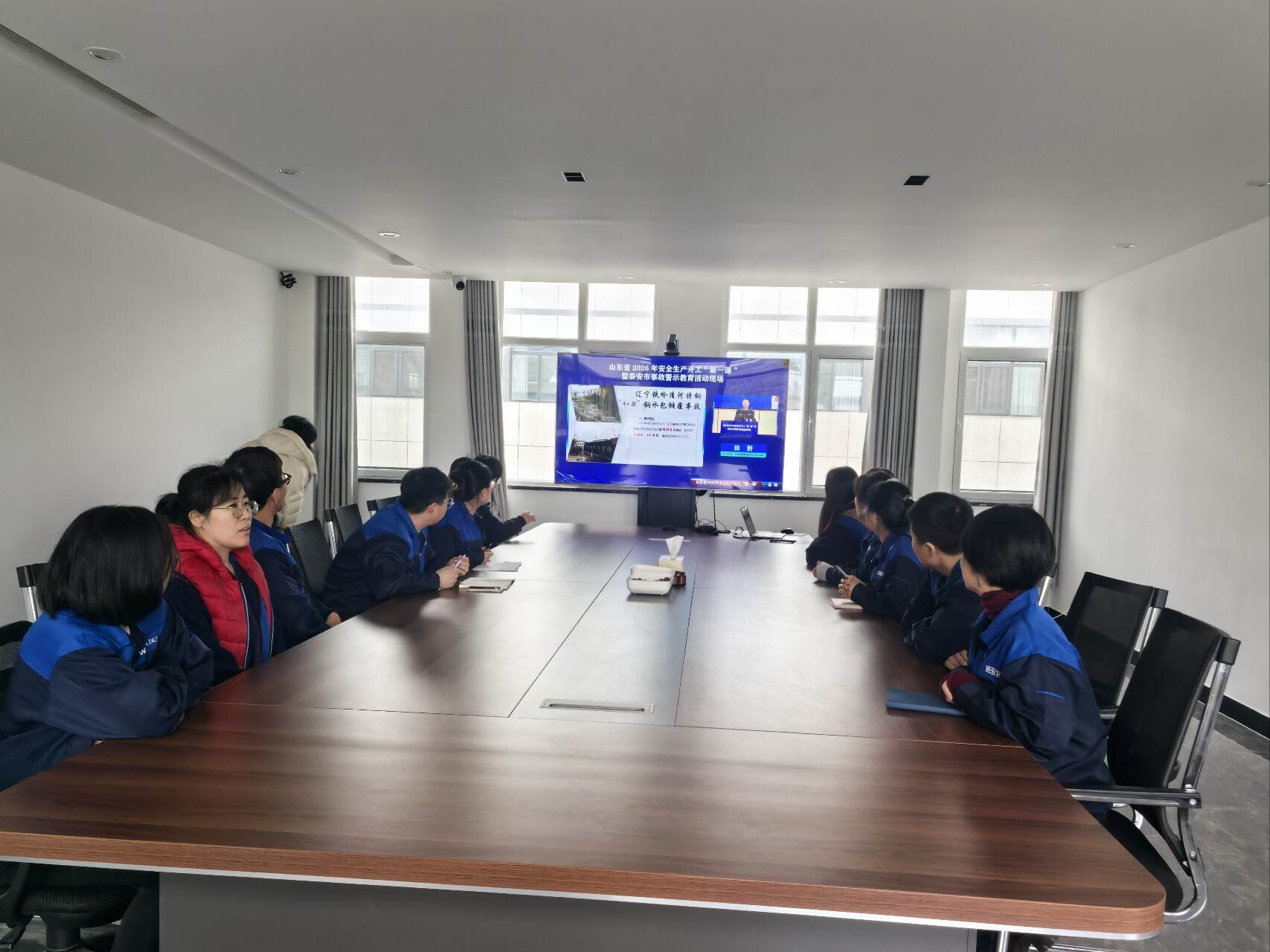
Factory Resumes Work After Spring Festival Holiday: Safety Training First, Orderly Production Restarted

30

Mar

Factory Resumes Work After Spring Festival Holiday: Safety Training First, Orderly Production Restarted

View More

Get a Free Quote

Our representative will contact you soon.
Email
Name
Company Name
Mobile/WhatsApp
Message
0/1000

sustainable frozen food packaging

Revolutionary Biodegradable Barrier Technology

Revolutionary Biodegradable Barrier Technology

The breakthrough biodegradable barrier technology in sustainable frozen food packaging represents a paradigm shift from traditional plastic-based solutions. This innovative system combines multiple layers of plant-derived polymers that create an impermeable shield against moisture, oxygen, and external contaminants while maintaining complete biodegradability. The technology utilizes advanced molecular engineering to align renewable polymer chains that form microscopic barriers equivalent to petroleum-based alternatives. These barriers maintain their structural integrity at temperatures as low as negative forty degrees Fahrenheit, ensuring consistent protection throughout the entire frozen storage period. The biodegradable components include corn starch derivatives, chitosan from crustacean shells, and cellulose fibers from agricultural waste products. Each layer serves a specific protective function: the outer layer resists punctures and provides structural strength, the middle layer blocks gas transmission, and the inner layer prevents direct food contact contamination. Manufacturing processes incorporate heat-sealing techniques that create hermetic seals without compromising the biodegradable properties of the materials. Quality control testing demonstrates that these barriers maintain their protective capabilities for extended periods while beginning decomposition only when exposed to specific composting conditions. The technology eliminates the need for synthetic preservatives by creating optimal storage environments that naturally preserve food quality. Advanced formulations include antimicrobial properties derived from natural sources like essential oils and plant extracts that inhibit bacterial growth without chemical additives. The barrier system adapts to various food types by adjusting permeability rates based on specific preservation requirements. Vegetables require different oxygen transmission rates compared to prepared meals or dairy products, and the technology accommodates these variations through specialized formulations. Implementation requires sophisticated manufacturing equipment that precisely controls layer thickness and composition ratios. The resulting packages demonstrate superior performance in accelerated aging tests that simulate extended storage conditions under various environmental stresses.
Smart Temperature Monitoring Integration

Smart Temperature Monitoring Integration

Smart temperature monitoring integration transforms sustainable frozen food packaging into intelligent preservation systems that actively protect product quality throughout the entire cold chain. This advanced technology embeds miniaturized sensors within the package structure that continuously monitor internal temperatures and alert consumers to potential quality compromises. The monitoring system utilizes color-changing indicators made from organic compounds that respond to specific temperature thresholds without requiring batteries or electronic components. These indicators provide visual confirmation that products have maintained optimal storage conditions from manufacturing facility to final consumption. The technology incorporates time-temperature integration that calculates cumulative exposure to temperature abuse, providing more accurate quality assessments than simple threshold monitoring. Consumers can immediately identify products that have experienced temperature fluctuations that might compromise safety or quality, reducing the risk of consuming degraded foods. The smart monitoring system includes QR codes that connect to mobile applications providing detailed temperature history, storage recommendations, and optimal consumption timing. Retailers benefit from real-time inventory management capabilities that identify products approaching quality decline before visible deterioration occurs. The technology enables dynamic pricing strategies based on remaining product life, reducing waste while maintaining profitability. Supply chain optimization improves through detailed tracking data that identifies temperature control weaknesses in transportation and storage systems. The monitoring integration works seamlessly with existing cold storage infrastructure without requiring expensive equipment upgrades or specialized training. Advanced formulations ensure the indicators remain accurate across various humidity levels and storage environments commonly encountered in commercial and residential settings. The system provides early warning alerts for power failures or equipment malfunctions that could compromise entire inventory sections. Quality assurance processes improve dramatically through objective data collection that replaces subjective visual inspections. The technology enables precise inventory rotation based on actual product condition rather than arbitrary date codes. Manufacturing integration embeds the sensors during package formation, creating tamper-evident systems that maintain monitoring integrity throughout distribution channels. Consumer education programs help customers understand and utilize the monitoring information effectively for optimal food safety and quality outcomes.
Circular Economy Design Framework

Circular Economy Design Framework

The circular economy design framework underlying sustainable frozen food packaging creates a comprehensive system that eliminates waste through continuous material recovery and regeneration cycles. This innovative approach designs packages from inception with end-of-life recovery in mind, ensuring every component serves multiple lifecycle purposes before returning to natural systems. The framework incorporates cradle-to-cradle principles that treat waste as nutrients for subsequent production cycles, fundamentally changing how packaging materials flow through economic and environmental systems. Design specifications prioritize material selection based on renewable sourcing, biodegradability rates, and compatibility with existing recycling infrastructure. The system creates closed-loop material flows where post-consumer packages become feedstock for new packaging production without quality degradation. Advanced sorting technologies enable automatic separation of different package components during recycling processes, maximizing material recovery efficiency. The framework includes partnership networks between manufacturers, retailers, waste management companies, and composting facilities that ensure proper material handling throughout recovery cycles. Consumer engagement programs provide clear instructions for package disposal and participate in take-back programs that guarantee proper processing. Economic incentives align stakeholder interests by creating value from recovered materials that offset collection and processing costs. The design framework incorporates modular architecture that allows component replacement or upgrading without discarding entire packages, extending useful life and reducing material consumption. Advanced material passports track component origins, processing history, and optimal recovery pathways throughout multiple lifecycle iterations. The system enables localized production networks that reduce transportation impacts while supporting regional economic development. Quality standards ensure recovered materials maintain performance characteristics equivalent to virgin inputs, preventing downcycling that ultimately leads to disposal. The framework addresses regulatory requirements across different jurisdictions while maintaining consistency in environmental performance standards. Innovation partnerships with research institutions continuously improve material formulations and recovery technologies to enhance system efficiency. Economic modeling demonstrates cost competitiveness with traditional linear packaging systems when accounting for environmental externalities and regulatory compliance costs. The circular design creates resilience against raw material price volatility by establishing diverse supply chains that include recovered inputs alongside renewable sources.

Get a Free Quote

Our representative will contact you soon.
Email
Name
Company Name
Mobile/WhatsApp
Message
0/1000