×
×

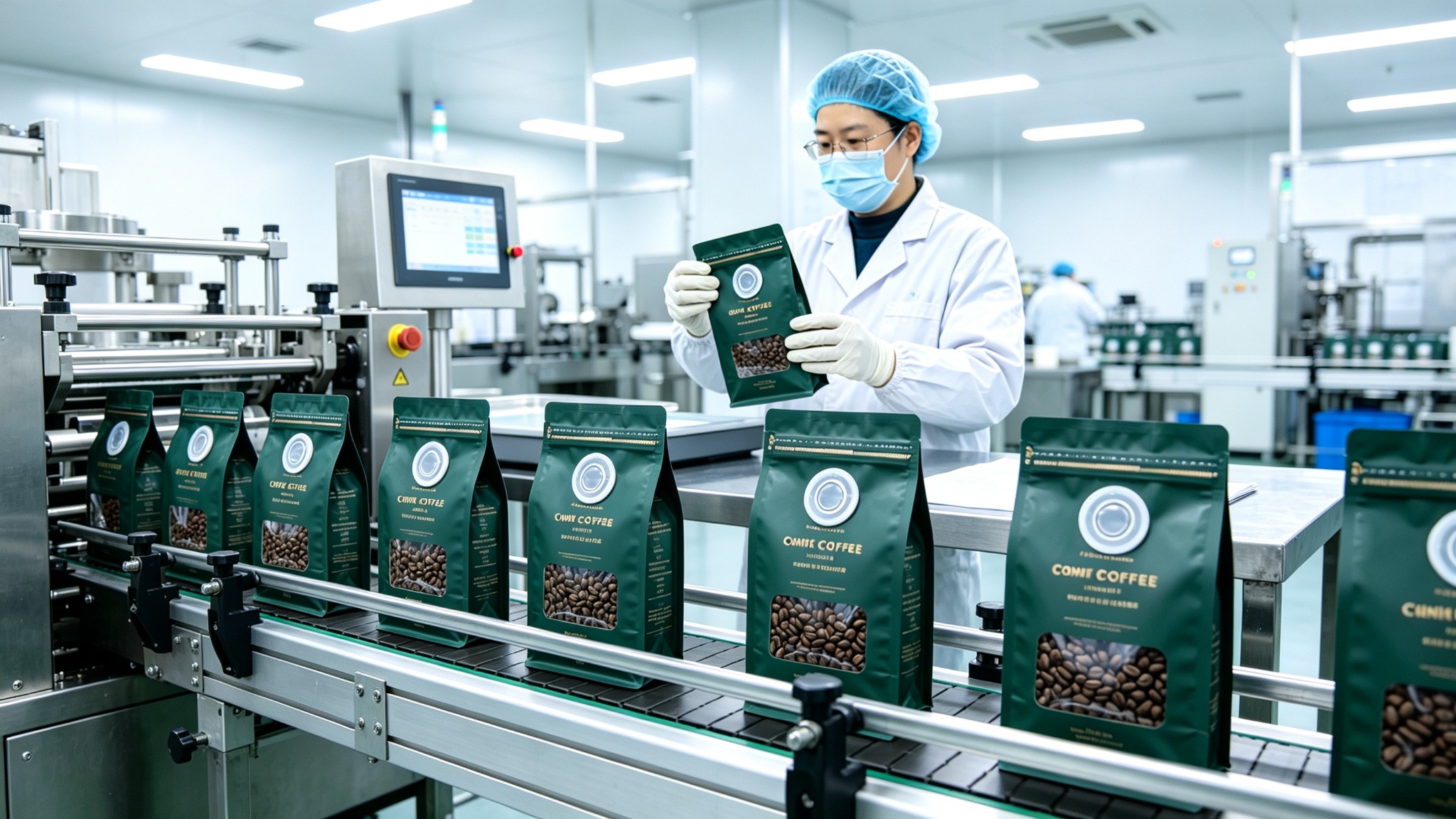
Shelf life is not a marketing number; it is a physical promise that packaging must keep. For oxygen‑sensitive foods — roasted coffee, nuts, dried fruit, milk powder, spices and natural snacks — the two enemies are oxygen and water vapour. Oxygen oxidises the unsaturated oils and volatile aromatics that make food taste good; water vapour changes texture, promotes caking and creates the conditions for microbial growth. Every food has a "critical oxygen load": the total amount of oxygen that can enter before quality falls below an acceptable threshold. The slower a package lets oxygen and moisture in, the longer the product stays at its best — and the longer the retailer and consumer can trust it.
This is why barrier performance, expressed as two numbers, is the most important specification in flexible packaging:
Among common packaging polymers, EVOH (ethylene‑vinyl alcohol copolymer) has become the gold standard for oxygen barrier. In a correctly engineered laminate, EVOH reduces oxygen ingress to levels once only achievable with aluminium foil — while staying transparent, flexible and resistant to the flex‑cracking that defeats foil in real logistics. This case shows what that difference means, measured in OTR, WVTR and shelf life.
Our client is a specialty coffee roaster based in Western Europe, exporting whole‑bean and ground coffee to premium retail chains and e‑commerce across the European Union. The brand was built on a single promise: "roasted to order, never stale." But fulfilling that promise inside a shelf‑stable supply chain — roastery to central warehouse to retail shelf to the consumer’s kitchen — is exactly where packaging wins or loses. The client came to us with a specific goal: a shelf life that retailers would trust, achieved without preservatives and without sacrificing the brand’s clean, natural image.
The client arrived with three quantified problems:
One more constraint rounded out the picture: coffee is moisture‑sensitive as well. A pouch that blocked oxygen but admitted humidity would still fail on texture and shelf life. The answer had to solve both OTR and WVTR at once.
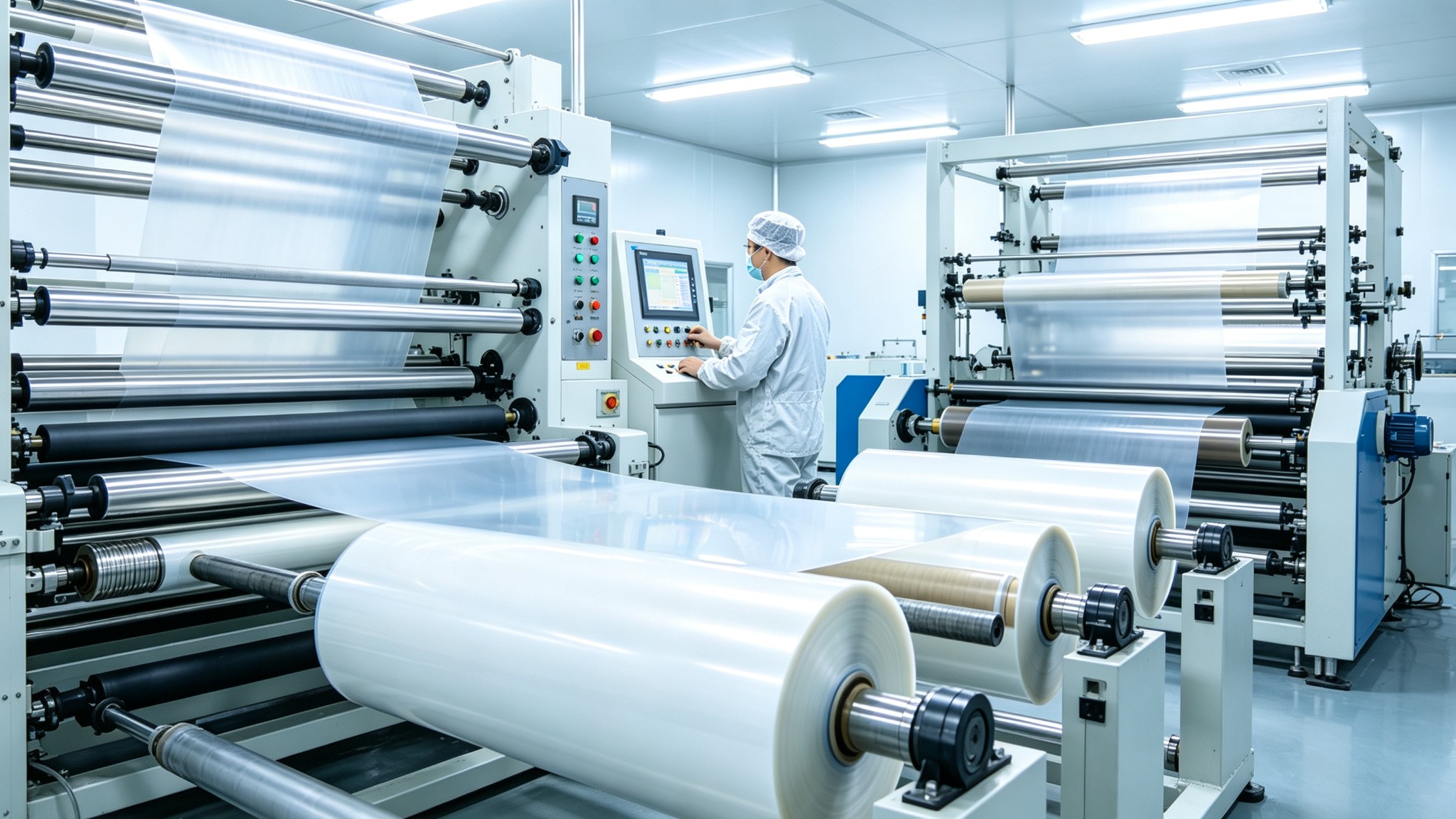
We engineered a co‑extruded and laminated high‑barrier stand‑up pouch built around EVOH, the highest‑oxygen‑barrier polymer available for clear flexible packaging.
| Layer | Material | Thickness | Role |
|---|---|---|---|
| Outer | PET | 12 µm | Print surface, stiffness, scuff resistance |
| Tie | Adhesive | — | Bonds layers together |
| Barrier | EVOH | 12–15 µm | Blocks oxygen ingress |
| Tie | Adhesive | — | Bonds layers together |
| Inner | PE | 80–100 µm | Moisture barrier, hermetic heat seal |
Why EVOH — and one honest caveat. EVOH delivers OTR values as low as 0.1–1 cm³/m²·day in dry conditions — roughly 100× lower than polyethylene. The one technical limitation is that EVOH is hygroscopic: at high relative humidity, its oxygen barrier temporarily weakens. That is precisely why it is always sandwiched between hydrophobic layers: the inner PE keeps water vapour away from the EVOH core, so the barrier runs at peak performance for the entire life of the pouch. In our structure, EVOH and PE are designed as a system, not two materials bolted together.
For freshly roasted coffee, we added a one‑way degassing valve: carbon dioxide released after roasting escapes through the valve, while oxygen cannot re‑enter. The combination of EVOH barrier plus valve gives the coffee a stable, low‑oxygen atmosphere without pouch bloating.
Barrier comparison — typical values across common structures:
| Structure | OTR (cm³/m²·day) | WVTR (g/m²·day) | Notes |
|---|---|---|---|
| Single‑layer PE | ~3,000–5,000 | ~8–15 | Minimal barrier |
| PET / PE | ~100–150 | ~10–15 | Common, limited barrier |
| OPA / PE (nylon) | ~40–60 | ~12–18 | Strong, moderate barrier |
| VMPET / PE (metallised) | ~1–5 | ~1–3 | Good barrier, opaque |
| Aluminium foil / PE | ~0 | ~0 | Opaque, flex‑crack risk |
| EVOH / PE (this project) | < 1.5 | < 5 | Clear, tough, flex‑crack resistant |
Typical values shown for comparison at 23°C/50% RH for OTR and 38°C/90% RH for WVTR; actual values depend on film thickness and grade.

No case is credible without data. Every pilot structure was tested before production, and production lots are spot‑tested on every order:
Measured performance of the final EVOH laminate:
The before/after comparison below reflects the same product, same volume, same distribution route — only the packaging changed.
| Metric | Before (PET/PE) | After (EVOH laminate) |
|---|---|---|
| OTR | ~100–150 cm³/m²·day | < 1.5 cm³/m²·day |
| Real freshness — ground coffee | 3–4 months | 12+ months |
| Declared shelf life | 6 months | 12–18 months |
| Retail delisting risk | High | Eliminated |
| Moisture gain at 12 months | Above specification | Within specification |
| Stock write‑offs | Recurring | Near zero |
The business impact was immediate: the client regained and expanded retail listings, extended export reach into markets that were previously out of range, and stopped the quiet revenue leak of stale‑product write‑offs. Shelf life became a sales asset instead of a recurring risk.
The EVOH upgrade changed more than the film. Longer freshness let the roaster keep its "no additives" clean‑label claim with confidence, and because EVOH pouches are transparent, the brand could finally display its beautiful beans on shelf instead of hiding them behind foil. For the retailer, a longer, reliable shelf life means fewer markdowns and fewer returns. For the consumer, it means coffee that tastes as the roaster intended — every time. That is what a barrier material, engineered properly, actually buys.
Every food has a different oxygen and moisture sensitivity, and a different shelf‑life target. Tell us your product, your packaging format and the shelf life you need — we will recommend the right EVOH grade and layer structure, run OTR/WVTR and physical tests, and send samples for your own validation before you commit.
Why Haodong Packaging:
Contact our packaging engineers today — samples, testing and a quote within days. Let’s make your packaging the strongest part of your product.

 EN
EN