
 EN
EN



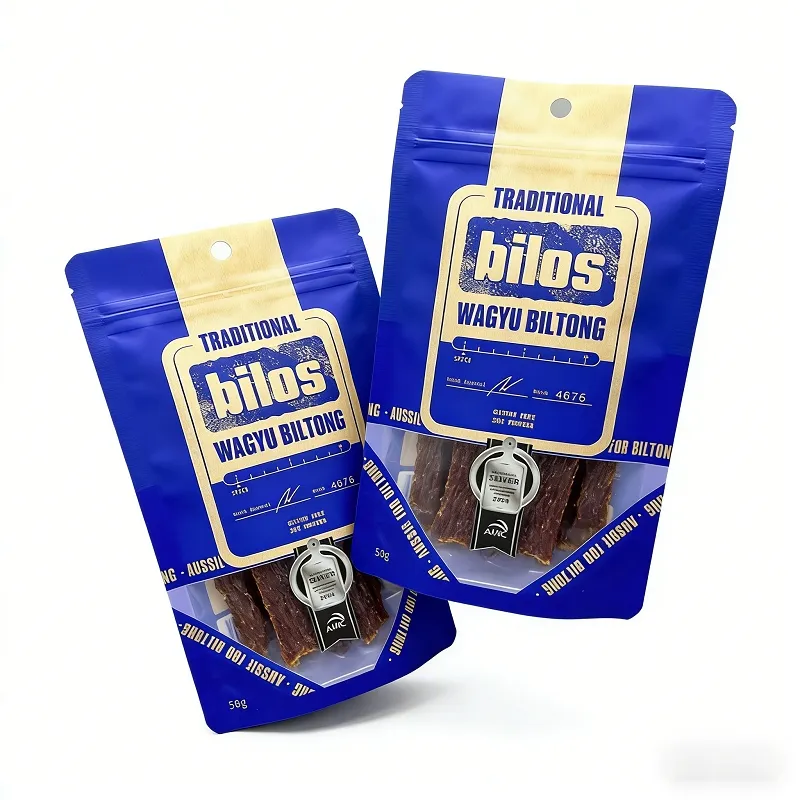
Modern consumers lead increasingly mobile lifestyles, constantly moving between work, travel, and social activities while seeking convenient nutrition solutions. This shift has fundamentally changed how people approach snacking, with traditional rigid containers and single-use packages proving inadequate for dynamic consumption patterns. The growing demand for portable, practical food packaging has positioned snack bags as essential tools for maintaining dietary preferences while accommodating busy schedules.
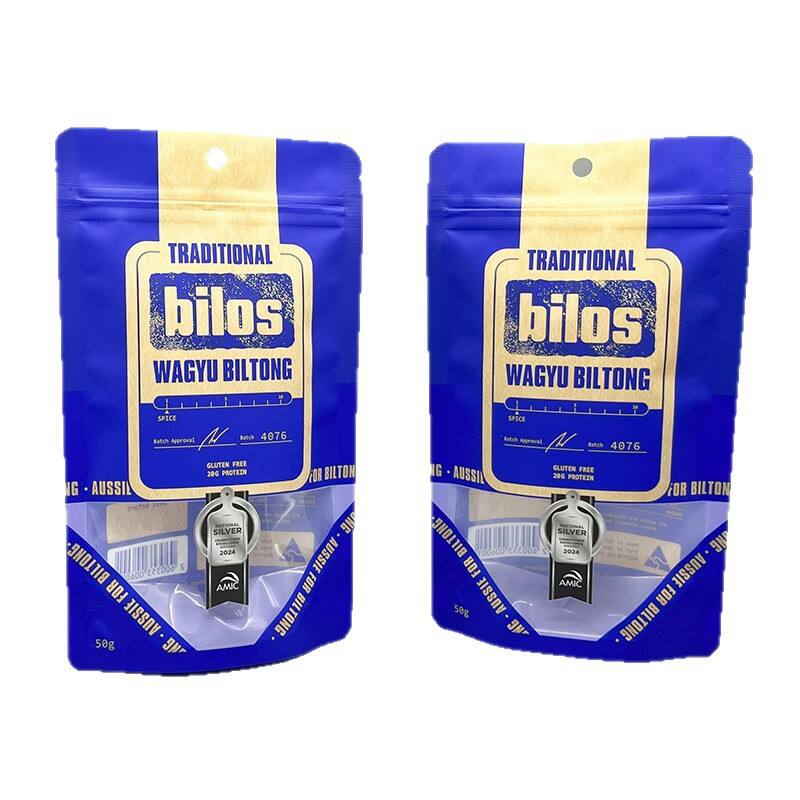
The choice between traditional packaging and resealable snack bags represents more than mere convenience—it directly impacts food preservation, consumption control, and overall user experience. Resealable options address critical pain points that mobile consumers face daily, from maintaining product freshness during extended periods to enabling portion management without waste. Understanding these advantages becomes crucial for both manufacturers designing packaging solutions and consumers seeking optimal snacking experiences.
Freshness Preservation Benefits
Extended Shelf Life Through Barrier Protection
Resealable snack bags utilize advanced barrier technologies that significantly outperform traditional single-use packaging in maintaining product integrity. These specialized materials create multiple protective layers against moisture, oxygen, and light exposure, which are the primary culprits of food degradation. The resealable mechanism ensures that each opening and closing cycle maintains the protective seal, preventing atmospheric contamination that rapidly deteriorates snack quality.
The impact on shelf life becomes particularly pronounced with moisture-sensitive products like crackers, nuts, and dried fruits. Traditional packaging often loses its protective properties once opened, leading to staleness within hours or days. Resealable snack bags maintain their barrier effectiveness throughout the consumption period, preserving texture, flavor, and nutritional content for weeks rather than days.
Laboratory testing demonstrates that products stored in quality resealable snack bags retain up to 85% of their original crispness after one week of repeated opening, compared to less than 40% retention in conventional packaging. This preservation capability translates directly into reduced food waste and enhanced consumer satisfaction, making resealable options economically advantageous despite potentially higher initial costs.
Flavor and Texture Maintenance
The sensory experience of snacking depends heavily on maintaining the intended texture and flavor profile of the product. Resealable snack bags excel at preserving these critical characteristics through controlled atmospheric conditions within the package. The airtight seal prevents volatile compounds from escaping, which would otherwise result in flavor loss and aroma degradation.
Texture preservation proves equally important, particularly for products that rely on specific moisture levels for optimal mouthfeel. Chips and crackers require low moisture content to maintain crispness, while items like jerky need controlled moisture to prevent over-drying or spoilage. The consistent seal provided by resealable snack bags maintains these optimal moisture levels far more effectively than packages that cannot be properly resealed.
Consumer preference studies consistently show that products maintained in resealable packaging receive higher satisfaction ratings for taste and texture compared to identical products stored in conventional opened packages. This preference directly correlates with the packaging's ability to maintain product specifications throughout the consumption period.
Convenience and Portability Advantages
Mobile Lifestyle Compatibility
On-the-go consumers require packaging solutions that seamlessly integrate with their dynamic lifestyles, and resealable snack bags deliver unmatched compatibility with mobile consumption patterns. The ability to securely close packages after partial consumption eliminates the need for additional containers or the risk of spillage during transport. This feature proves invaluable for commuters, travelers, and professionals who consume snacks throughout the day rather than in single sittings.
The lightweight and flexible nature of modern snack bags provides significant advantages over rigid containers in mobile environments. These packages conform to available space in backpacks, purses, and briefcases without adding unnecessary bulk or weight. The ability to compress partially empty packages further enhances portability, making them ideal for extended travel or outdoor activities.
Field research with mobile consumers reveals that resealable packaging reduces snacking anxiety, allowing individuals to open packages confidently knowing they can preserve remaining contents effectively. This psychological comfort factor significantly influences purchasing decisions, with consumers actively seeking resealable options for products they plan to consume over multiple occasions.
Multi-Occasion Usage Patterns
Modern snacking patterns rarely involve consuming entire packages in single sessions, making resealability a practical necessity rather than a luxury feature. The average consumer opens a snack package 3.2 times before completion, according to packaging industry studies, highlighting the importance of reliable resealing mechanisms. Resealable snack bags accommodate these natural consumption patterns without compromising product quality or safety.
The versatility of resealable packaging extends beyond immediate consumption to support various usage scenarios. Office workers can maintain desk snacks without attracting pests or creating mess, while parents can prepare portable snacks for children without worrying about spillage in vehicles or school bags. Outdoor enthusiasts particularly value the ability to securely store partially consumed trail mix or energy bars during hiking or camping activities.
Usage pattern analysis shows that consumers who purchase products in resealable snack bags demonstrate higher brand loyalty and repeat purchase rates. This correlation suggests that the convenience factor directly influences customer satisfaction and long-term purchasing behavior, making resealable packaging a strategic advantage for brands targeting mobile consumers.
Portion Control and Waste Reduction
Controlled Consumption Benefits
Resealable snack bags provide inherent portion control advantages that support healthier consumption patterns and budget management. The ability to consume partial portions without compromising remaining product quality enables consumers to practice mindful eating, taking only what they need while preserving the rest for future consumption. This controlled access reduces impulsive overconsumption that often occurs with traditional packaging that must be finished quickly to prevent spoilage.
Nutritional counselors frequently recommend resealable packaging for clients managing dietary goals, as the format naturally encourages measured consumption. The psychological effect of resealing a package creates a natural pause that allows satiety signals to register, potentially reducing overall caloric intake. Studies in behavioral nutrition indicate that individuals consume approximately 20% less when using resealable packages compared to single-use alternatives.
The portion control benefits extend to household budget management, as consumers can maximize the value of their purchases by preventing premature spoilage. Families with diverse snacking schedules particularly benefit from the ability to preserve products for different household members without requiring multiple individual packages, resulting in both economic and practical advantages.
Environmental Impact Considerations
The environmental benefits of resealable snack bags become apparent when considering their impact on food waste reduction and packaging efficiency. Food waste represents one of the largest contributors to environmental degradation, and packaging that extends usable product life directly reduces this waste stream. The ability to maintain product quality for extended periods means fewer products are discarded due to staleness or spoilage.
From a packaging perspective, resealable snack bags often require less material per unit of product preserved compared to multiple individual packages that might be needed to achieve similar freshness results. The durability of resealable closures means the packaging continues to provide protection throughout the product's intended consumption period, maximizing the utility of the packaging materials invested.
Lifecycle analysis of packaging options shows that while resealable snack bags may require slightly more complex manufacturing processes, their superior preservation capabilities result in lower overall environmental impact when food waste prevention is factored into the calculation. This analysis becomes increasingly important as both consumers and manufacturers prioritize sustainability in their decision-making processes.
Economic Value for Consumers
Cost-Per-Use Optimization
The economic value proposition of resealable snack bags extends beyond the initial purchase price to encompass the total cost of ownership throughout the consumption period. While resealable packaging may carry a slight premium over traditional alternatives, the prevention of food waste and extended usable life typically result in lower cost per serving consumed. This economic advantage becomes more pronounced with premium products where waste represents significant financial loss.
Analysis of consumer spending patterns reveals that households using resealable snack bags report 15-25% less food waste in the snacking category compared to those relying on traditional packaging. This waste reduction translates directly into budget savings, often exceeding the additional cost of the resealable packaging within the first few purchases. The cumulative effect over time creates substantial economic benefits for regular snack consumers.
Bulk purchasing becomes more feasible with resealable packaging, as consumers can confidently buy larger quantities without fear of spoilage before consumption. This capability enables consumers to take advantage of volume discounts and promotional pricing while maintaining product quality, further enhancing the economic value proposition of resealable snack bags.
Value-Added Convenience Premium
The convenience premium associated with resealable snack bags reflects genuine value creation rather than arbitrary price inflation. The time savings, reduced mess, and elimination of additional storage containers provide tangible benefits that justify modest price increases. Professional consumers particularly value the ability to maintain ready-to-eat snacks without dedicated preparation time or cleanup requirements.
Comparative cost analysis must consider the hidden expenses of traditional packaging, including the need for additional storage containers, increased shopping frequency due to shorter product life, and the opportunity cost of time spent dealing with spoiled products. When these factors are properly accounted for, resealable snack bags often demonstrate superior economic value despite higher unit costs.
Market research indicates that consumers who initially resist the premium for resealable packaging typically become loyal advocates after experiencing the practical benefits firsthand. This conversion pattern suggests that the value proposition becomes apparent through usage rather than theoretical analysis, highlighting the importance of trial opportunities in market development.
FAQ
How long do snacks stay fresh in resealable bags compared to regular packaging?
Snacks in quality resealable bags typically maintain freshness 3-5 times longer than identical products in opened traditional packaging. Crispy snacks like chips can retain their texture for 1-2 weeks in resealable bags versus 1-3 days in opened conventional packages, while nuts and dried fruits can stay fresh for several weeks compared to rapid deterioration in non-resealable containers.
Are resealable snack bags more expensive than regular packaging?
Resealable snack bags typically cost 10-20% more than traditional packaging at the point of purchase, but this premium is usually offset by reduced food waste and extended product life. When calculated on a cost-per-serving-consumed basis, resealable packaging often provides better value, especially for premium products or larger package sizes that require multiple consumption sessions.
Do resealable closures work reliably after multiple uses?
High-quality resealable snack bags are designed to withstand 50-100 opening and closing cycles while maintaining effective sealing properties. The closure mechanism uses durable materials engineered for repeated use, though proper handling is important to prevent damage. Most consumer usage patterns involve fewer than 20 openings per package, well within the design parameters of quality resealable systems.
Can resealable snack bags help with portion control and diet management?
Yes, resealable snack bags naturally support portion control by allowing consumers to take measured amounts while preserving the remaining product. The act of resealing creates a psychological pause that can help with mindful eating, and studies suggest people consume approximately 20% less when using resealable packaging compared to traditional options that encourage finishing the entire package quickly to prevent spoilage.