
 EN
EN



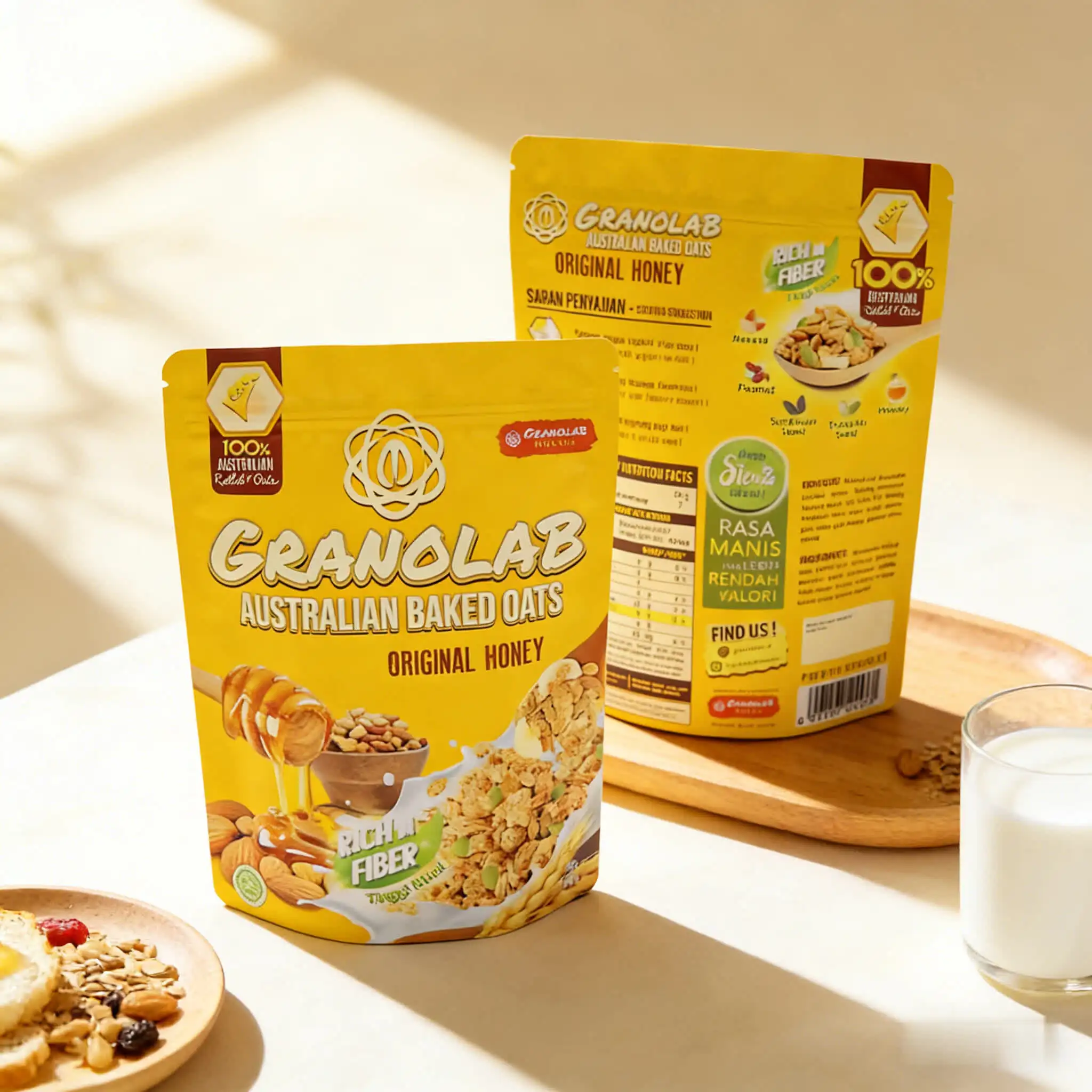
Selecting the optimal material for snack bags requires careful evaluation of moisture barrier properties, as product freshness and shelf life depend heavily on packaging performance. Different snack bag materials offer varying levels of protection against moisture infiltration, with some providing superior barrier properties that extend product life while others may compromise quality through inadequate protection. Understanding the moisture transmission rates and barrier characteristics of available materials enables manufacturers to make informed decisions that protect their products and satisfy consumer expectations.
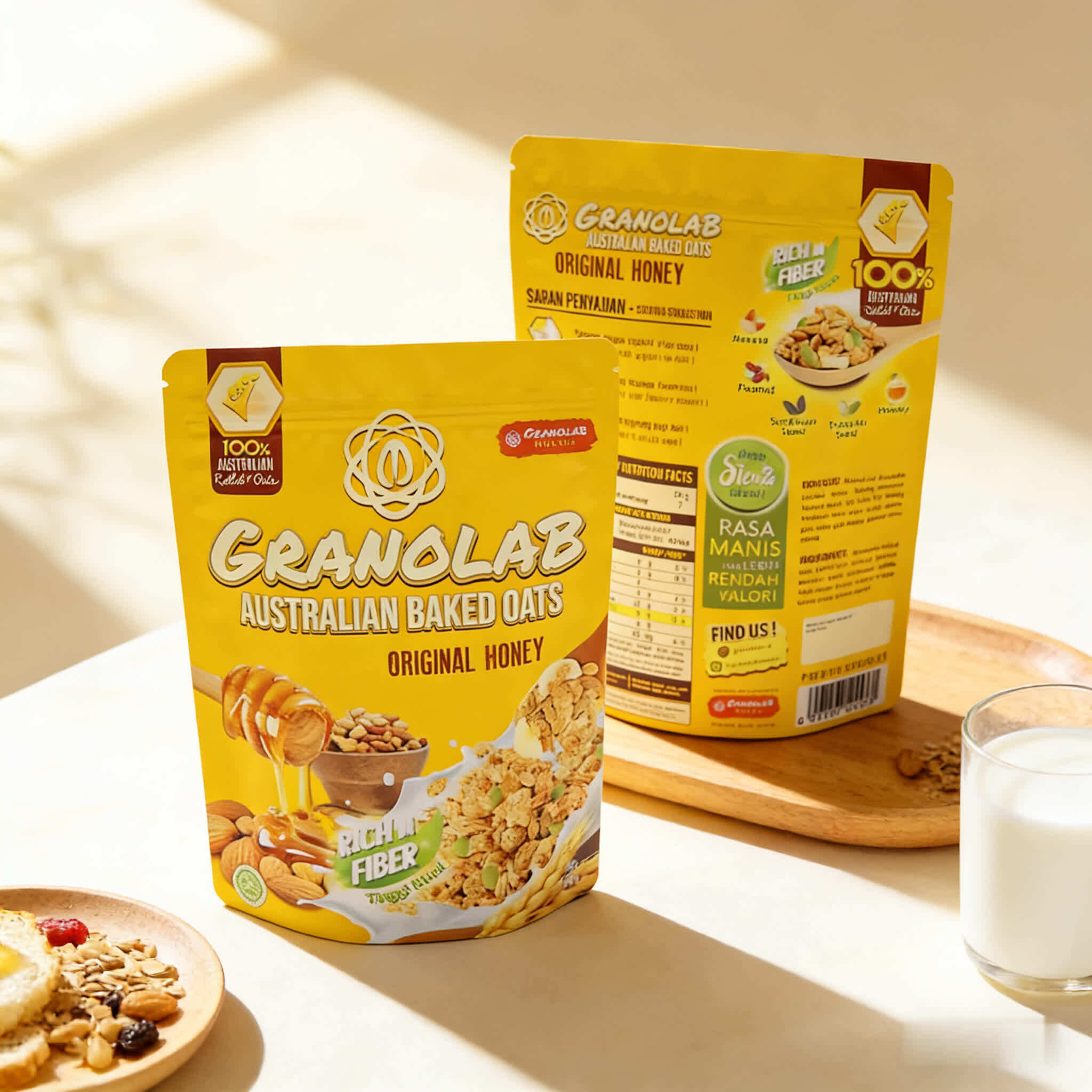
The choice of snack bag material directly impacts product quality, manufacturing costs, and market competitiveness, making material selection a critical business decision. Modern snack packaging demands materials that combine excellent moisture barrier properties with other performance characteristics such as puncture resistance, heat sealability, and visual appeal. Evaluating moisture barrier effectiveness requires understanding water vapor transmission rates, film thickness specifications, and multi-layer construction benefits that determine overall packaging performance in real-world storage and distribution environments.
Understanding Moisture Barrier Requirements for Snack Packaging
Moisture Transmission Rate Standards
Water vapor transmission rate measurements provide quantitative data for comparing snack bag materials, with lower transmission rates indicating superior moisture barrier performance. Industry standards typically measure WVTR in grams per square meter per day under specific temperature and humidity conditions, allowing manufacturers to select materials that meet their product protection requirements. Snack bags must maintain WVTR levels appropriate for the specific product type, storage duration, and environmental conditions expected during distribution and retail display.
Premium snack products often require WVTR levels below 0.5 g/m²/day to maintain optimal texture and flavor throughout extended shelf life periods. Standard testing conditions include 38°C temperature and 90% relative humidity, simulating challenging storage environments that products may encounter during transportation and warehousing. Understanding these measurement standards helps manufacturers specify appropriate materials for their snack bags based on objective performance criteria rather than general material categories.
Product-Specific Protection Needs
Different snack products exhibit varying sensitivity to moisture absorption, requiring tailored barrier protection levels to maintain quality and consumer satisfaction. Crispy snacks like potato chips and crackers demand exceptional moisture barriers to prevent texture degradation, while granola and nuts may tolerate slightly higher transmission rates without significant quality loss. Understanding product-specific moisture sensitivity enables appropriate material selection that balances protection requirements with cost considerations.
Chocolate-containing snacks require particularly stringent moisture control to prevent bloom formation and texture changes that compromise product appearance and taste. Sugar-based snacks may become sticky or crystallize when exposed to excessive moisture, necessitating superior barrier materials to maintain product integrity. Manufacturers must evaluate their specific product formulations and storage requirements to determine appropriate moisture barrier thresholds for their snack bags applications.
Comparative Analysis of Snack Bag Material Options
Metallized Film Barrier Properties
Metallized polyester and polypropylene films provide exceptional moisture barrier performance through aluminum vapor deposition that creates an ultra-thin metal layer on the polymer substrate. These materials typically achieve WVTR levels below 0.1 g/m²/day, making them ideal for premium snack bags requiring maximum protection against moisture infiltration. The metallized layer blocks water vapor molecules effectively while maintaining flexibility and processability needed for automated packaging operations.
Metallized films offer excellent barrier properties at relatively thin gauges, reducing material costs while providing superior protection compared to thicker non-metallized alternatives. The aluminum coating also provides light barrier benefits that protect snack products from photodegradation and helps maintain product color and flavor integrity. However, metallized materials may be more susceptible to barrier property loss if the metal layer becomes damaged during processing or handling operations.
Multi-Layer Laminate Structures
Multi-layer laminated structures combine different polymer films to optimize barrier properties while maintaining other performance characteristics required for snack bags applications. Common constructions include PET/aluminum foil/PE laminates that provide exceptional moisture barriers through the aluminum foil core layer. These structures can achieve WVTR levels below 0.01 g/m²/day, representing the highest moisture protection available for flexible packaging applications.
Foil-based laminates deliver unmatched barrier performance but may limit package flexibility and require specialized sealing equipment to ensure proper heat seal integrity. Alternative multi-layer structures using high-barrier polymers like EVOH or nylon can provide excellent moisture protection while maintaining superior flexibility and puncture resistance. The selection between foil and polymer-based multi-layer structures depends on specific barrier requirements, processing capabilities, and cost considerations for each snack bags application.
Advanced Barrier Technologies and Coating Solutions
Silicon Oxide Barrier Coatings
Silicon oxide coating technologies apply ultra-thin inorganic layers to polymer substrates, creating transparent moisture barriers that maintain film clarity while providing enhanced protection. These coatings can reduce WVTR levels by factors of 10 to 100 compared to uncoated base films, offering significant barrier improvements for snack bags without the opacity limitations of metallized materials. Silicon oxide coatings maintain barrier properties even when subjected to flexing and handling stresses that might compromise metallized films.
The transparent nature of silicon oxide coatings preserves package graphics visibility while providing moisture protection comparable to metallized alternatives in many applications. These coatings work particularly well on polyester and polypropylene substrates commonly used in snack bags manufacturing. However, silicon oxide coatings may be more expensive than traditional metallized options and require specialized application equipment, making them most suitable for premium applications requiring both barrier performance and visual clarity.
Nanotechnology-Enhanced Barriers
Nanotechnology approaches incorporate nanoparticles or nanocomposite materials into polymer matrices to create tortuous pathways that significantly reduce moisture transmission rates. These technologies can enhance barrier properties of conventional polymers while maintaining processing characteristics and cost-effectiveness suitable for high-volume snack bags production. Nanocomposite materials offer the potential for customized barrier properties through particle selection and loading optimization.
Clay nanoparticles and other platelet-shaped materials create maze-like structures within polymer films that force moisture molecules to follow longer diffusion paths, effectively reducing transmission rates. These enhanced materials can provide barrier improvements of 2 to 5 times compared to unfilled polymers while maintaining flexibility and heat sealability required for automated packaging operations. Regulatory approval and cost considerations currently limit widespread adoption, but nanotechnology represents a promising direction for future snack bags material development.
Material Selection Criteria and Performance Trade-offs
Cost-Performance Balance Evaluation
Selecting optimal snack bag materials requires careful evaluation of barrier performance benefits relative to material costs, processing requirements, and market positioning considerations. Premium barrier materials may justify higher costs for products with extended shelf life requirements or high-value positioning, while commodity snack products may achieve adequate protection with more economical material options. Understanding the relationship between barrier performance levels and material costs enables informed decision-making that balances product protection with manufacturing economics.
Material thickness specifications significantly impact both barrier performance and cost, with thicker films generally providing better moisture protection at higher material costs per unit. Manufacturers must evaluate whether improved barrier properties justify increased material expenses based on product value, shelf life requirements, and competitive positioning. Advanced barrier technologies may offer superior performance at premium pricing, making them suitable for specialty applications where maximum protection justifies higher packaging costs.
Processing Compatibility Considerations
Snack bags materials must maintain barrier properties while meeting processing requirements for automated packaging equipment, heat sealing operations, and print quality standards. Some high-barrier materials may require modified processing parameters or specialized equipment to achieve optimal results, potentially impacting production efficiency and manufacturing costs. Evaluating processing compatibility ensures that selected materials can be successfully implemented without compromising production capabilities or package quality.
Heat sealing characteristics vary significantly among different barrier materials, with some requiring precise temperature and pressure control to achieve reliable seal strength without compromising barrier properties. Multi-layer structures may present challenges in achieving consistent seal quality across different material layers, requiring process optimization to ensure package integrity. Understanding processing limitations and requirements helps manufacturers select materials that provide optimal barrier performance while maintaining manufacturing efficiency and quality consistency.
FAQ
What WVTR level provides adequate moisture protection for most snack products?
Most snack products require WVTR levels below 1.0 g/m²/day for adequate moisture protection, with premium crispy snacks needing levels below 0.5 g/m²/day to maintain optimal texture and shelf life. Specific requirements depend on product moisture sensitivity, storage duration, and environmental conditions during distribution.
How do metallized films compare to foil laminates for moisture barrier performance?
Foil laminates provide superior moisture barrier performance with WVTR levels below 0.01 g/m²/day, while metallized films typically achieve 0.1 to 0.5 g/m²/day depending on substrate and metallization quality. Foil offers maximum protection but may limit flexibility, while metallized films provide excellent barriers with better processing characteristics for most snack bags applications.
Can transparent barrier coatings match metallized film performance for snack packaging?
Silicon oxide and other transparent barrier coatings can achieve moisture protection levels comparable to metallized films while maintaining package clarity and graphics visibility. These technologies offer WVTR reductions of 10 to 100 times compared to uncoated films, making them viable alternatives for applications requiring both barrier performance and visual clarity.
What factors should guide material selection for different snack product categories?
Material selection should consider product moisture sensitivity, required shelf life, storage conditions, cost targets, and processing capabilities. Crispy snacks need maximum moisture barriers, chocolate products require strict humidity control, while nuts and granola may accept moderate protection levels. Balancing these factors with material costs and processing requirements determines optimal material choices for specific snack bags applications.
Table of Contents
- Understanding Moisture Barrier Requirements for Snack Packaging
- Comparative Analysis of Snack Bag Material Options
- Advanced Barrier Technologies and Coating Solutions
- Material Selection Criteria and Performance Trade-offs
-
FAQ
- What WVTR level provides adequate moisture protection for most snack products?
- How do metallized films compare to foil laminates for moisture barrier performance?
- Can transparent barrier coatings match metallized film performance for snack packaging?
- What factors should guide material selection for different snack product categories?