
 EN
EN



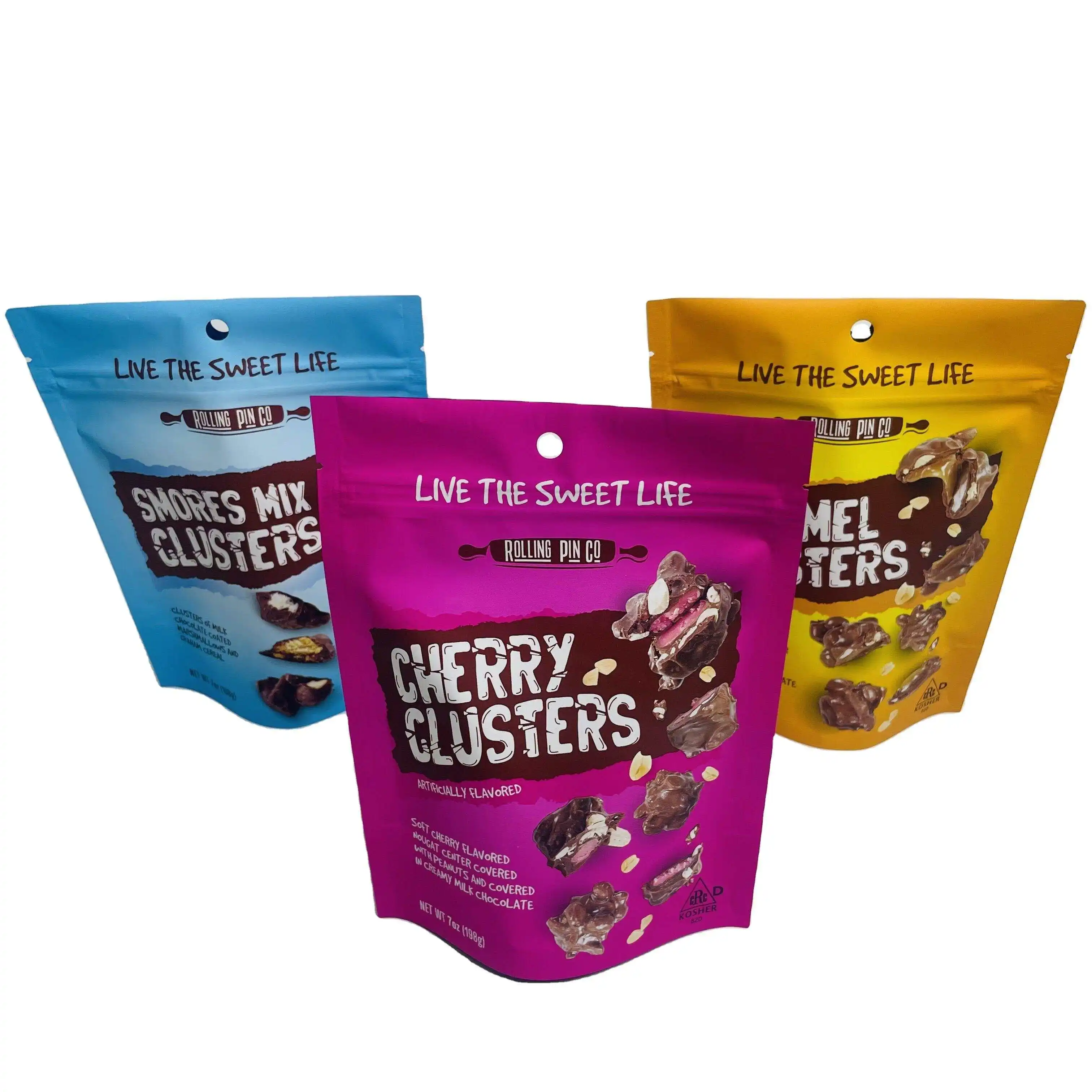
The question of whether biodegradable snack bags can withstand the rigors of commercial distribution has become increasingly critical as food manufacturers seek sustainable packaging solutions. Unlike traditional plastic snack bags, biodegradable alternatives must demonstrate comparable durability while maintaining their environmental benefits throughout the supply chain journey. This balance between sustainability and performance determines whether biodegradable snack bags can successfully replace conventional packaging without compromising product integrity or increasing distribution costs.
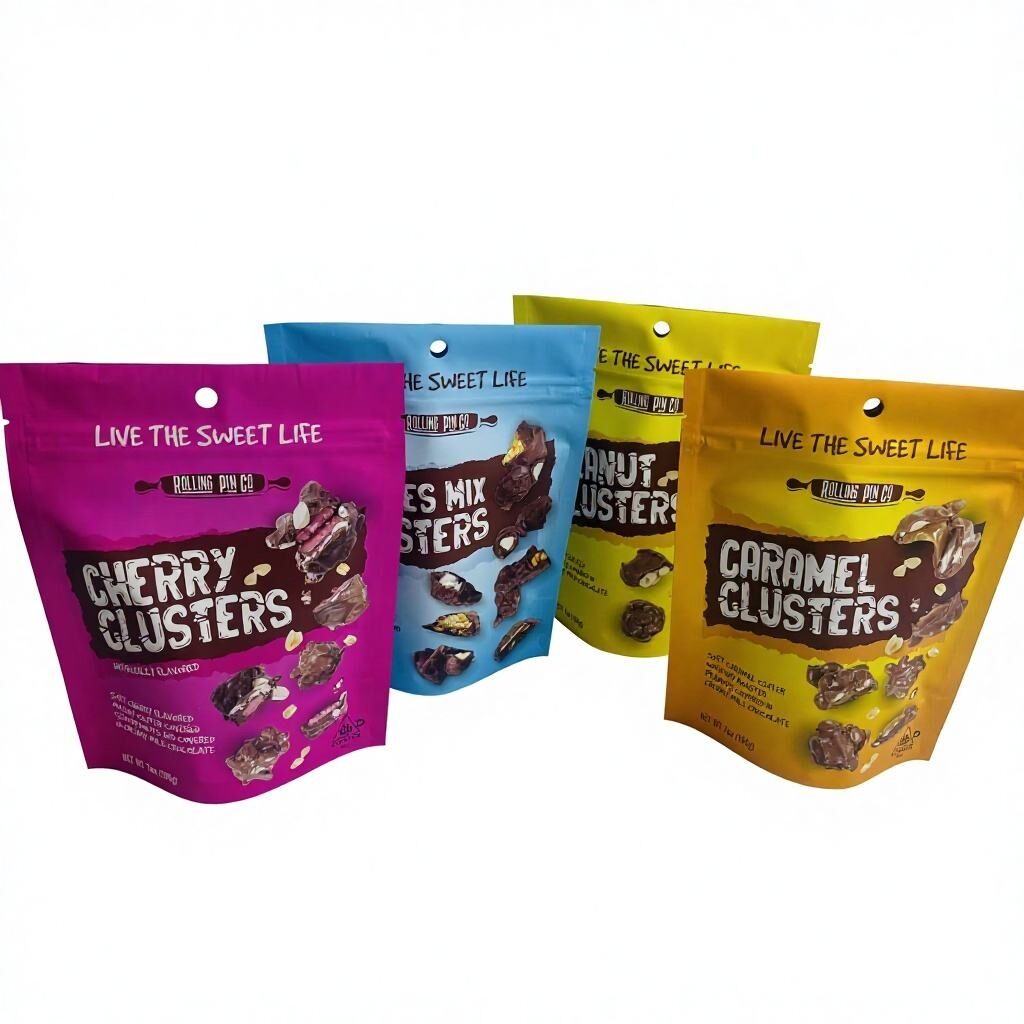
Modern biodegradable snack bags have evolved significantly in terms of mechanical strength and barrier properties, addressing many durability concerns that previously limited their adoption in commercial distribution networks. The key lies in understanding how these materials perform under real-world distribution stresses including temperature fluctuations, handling pressure, moisture exposure, and extended storage periods that define successful commercial packaging.
Material Strength Characteristics of Biodegradable Snack Bags
Tensile Strength and Load-Bearing Capacity
Biodegradable snack bags manufactured from advanced biopolymers demonstrate tensile strength levels that approach those of traditional plastic packaging. Modern formulations using PLA, PBAT, and starch-based compounds achieve tensile strengths ranging from 15-35 MPa, which proves sufficient for most snack distribution requirements. These materials withstand the pulling forces encountered during automated packaging lines, palletizing operations, and retail handling without compromising package integrity.
The load-bearing performance of biodegradable snack bags depends heavily on film thickness and polymer blend composition. Standard commercial biodegradable snack bags with 50-80 micron thickness can support loads comparable to conventional packaging, ensuring products remain protected during stacking and transportation. Multi-layer constructions further enhance strength characteristics while maintaining biodegradability through careful material selection.
Distribution testing reveals that properly engineered biodegradable snack bags maintain their mechanical properties under normal warehouse conditions for 6-12 months, providing adequate shelf life for most commercial applications. This timeframe aligns with typical distribution cycles from manufacturer to retail sale, supporting the viability of biodegradable alternatives in established supply chains.
Impact Resistance and Puncture Protection
Impact resistance testing demonstrates that biodegradable snack bags can withstand the shock forces encountered during distribution, including drops from standard warehouse heights and vibration stress from transportation. Advanced biodegradable films incorporate impact modifiers that maintain flexibility while preventing crack propagation, crucial for protecting snack products during handling.
Puncture resistance in biodegradable snack bags has improved through optimized polymer crystallinity and the addition of barrier layers that distribute stress across the film structure. These enhancements allow biodegradable materials to resist sharp edges from machinery, packaging equipment, and adjacent products during distribution without failing catastrophically.
Field studies from major distributors indicate that puncture failure rates for quality biodegradable snack bags remain within acceptable commercial tolerances, typically under 0.5% across typical distribution networks. This performance level supports their adoption without requiring significant changes to existing handling procedures or equipment settings.
Barrier Properties and Product Protection During Distribution
Moisture Vapor Transmission Resistance
Moisture control represents a critical factor in snack bag performance during distribution, as humidity fluctuations can compromise product quality and shelf life. Biodegradable snack bags utilizing advanced barrier coatings achieve moisture vapor transmission rates between 1-10 g/m²/day, which falls within acceptable ranges for most snack products requiring moderate moisture protection.
The barrier performance of biodegradable snack bags remains stable across typical distribution temperature ranges of 5-35°C, ensuring consistent protection throughout seasonal variations and different climate zones. Specialized formulations incorporating mineral barriers and biopolymer laminates extend this protective capability without compromising biodegradability.
Long-term storage studies demonstrate that biodegradable snack bags maintain their barrier properties for 8-10 months under controlled warehouse conditions, providing sufficient protection for standard distribution timelines. This duration covers the typical journey from production facility through regional distribution centers to retail outlets.
Oxygen Transmission Control
Oxygen barrier performance in biodegradable snack bags has reached levels suitable for products requiring moderate oxygen protection, with transmission rates of 50-200 cc/m²/day depending on formulation. This range accommodates many snack categories while preventing oxidative degradation that could occur during extended distribution periods.
Biodegradable snack bags incorporating metallic vapor deposition or ceramic nanoparticle barriers achieve enhanced oxygen protection without sacrificing biodegradability. These advanced barriers maintain their effectiveness throughout the distribution cycle, ensuring snack products retain freshness and flavor characteristics until consumption.
Distribution testing confirms that oxygen barrier degradation in biodegradable snack bags follows predictable patterns, allowing manufacturers to calculate appropriate safety margins for their specific distribution networks and product requirements. This predictability supports confident adoption in commercial applications.
Temperature Resistance and Storage Stability
Thermal Performance Under Distribution Conditions
Biodegradable snack bags demonstrate adequate thermal stability across the temperature ranges encountered in commercial distribution, typically maintaining integrity from -10°C to 45°C. This range covers cold storage facilities, unheated warehouses, and transportation in varying climatic conditions without structural failure or significant property degradation.
Heat resistance testing shows that biodegradable snack bags can withstand brief exposure to elevated temperatures during hot loading conditions or direct sunlight exposure in delivery vehicles. The materials maintain their sealing integrity and mechanical properties during these thermal stress events that commonly occur in distribution networks.
Thermal cycling studies reveal that biodegradable snack bags adapt well to the repeated temperature variations experienced during multi-modal transportation, from refrigerated trucks to ambient warehouses to climate-controlled retail environments. This adaptability ensures consistent performance throughout complex distribution chains.
Long-Term Storage Performance
Extended storage testing demonstrates that biodegradable snack bags maintain their protective properties and structural integrity for periods spanning 6-12 months under typical warehouse conditions. This timeframe provides adequate coverage for seasonal production cycles and inventory management strategies employed by major distributors.
Aging studies indicate that properly formulated biodegradable snack bags exhibit controlled degradation patterns that do not compromise their function during intended storage periods. The materials maintain their barrier properties and mechanical strength until approaching their designed end-of-life, supporting reliable distribution performance.
Accelerated aging protocols confirm that biodegradable snack bags can predict their long-term performance under various storage conditions, allowing distributors to optimize inventory rotation and storage protocols. This predictability reduces risk and supports confident adoption of biodegradable alternatives in established distribution systems.
Distribution Network Compatibility and Performance Standards
Automated Packaging Equipment Integration
Biodegradable snack bags demonstrate excellent compatibility with existing automated packaging machinery, requiring minimal adjustments to achieve optimal performance. The materials process effectively through form-fill-seal equipment, vertical packaging machines, and horizontal flow wrappers used throughout the snack industry.
Machine settings for biodegradable snack bags typically require only minor temperature and pressure adjustments compared to conventional plastic packaging. Sealing temperatures of 140-180°C provide reliable heat seals that maintain integrity throughout distribution while remaining within standard equipment capabilities.
Production line speeds with biodegradable snack bags achieve 85-95% of conventional packaging rates, supporting efficient manufacturing operations without significant throughput penalties. This performance level makes the transition to biodegradable alternatives economically viable for high-volume production environments.
Supply Chain Integration Requirements
Implementation of biodegradable snack bags in distribution networks requires minimal modifications to existing handling procedures and storage protocols. Standard warehouse equipment, conveyor systems, and transportation methods remain compatible with biodegradable packaging materials without specialized handling requirements.
Inventory management systems adapt easily to biodegradable snack bags through existing lot tracking and rotation protocols that account for the controlled shelf life of biodegradable materials. This compatibility ensures smooth integration without disrupting established distribution workflows or requiring extensive staff retraining.
Quality control procedures for biodegradable snack bags align with current industry standards for packaging inspection and performance verification. Standard testing protocols effectively monitor package integrity and barrier performance throughout the distribution cycle, maintaining quality assurance consistency.
FAQ
How long can biodegradable snack bags maintain their strength during distribution?
Biodegradable snack bags typically maintain their full structural integrity and barrier properties for 8-12 months under standard distribution conditions. This timeframe covers the journey from manufacturing through warehousing, transportation, and retail display until consumer purchase. The materials are engineered to remain stable throughout this period while beginning controlled biodegradation only after disposal in appropriate composting environments.
Do biodegradable snack bags require special storage conditions during distribution?
Biodegradable snack bags perform well under standard distribution storage conditions and do not require special environmental controls beyond those already used for conventional packaging. They function effectively in temperature ranges from 5-35°C and humidity levels typical of commercial warehouses. The key requirement is avoiding exposure to industrial composting conditions or prolonged high humidity and temperature combinations that could trigger premature degradation.
Can automated packaging lines handle biodegradable snack bags effectively?
Yes, biodegradable snack bags integrate well with existing automated packaging equipment with only minor adjustments to sealing temperatures and speeds. Most production lines achieve 85-95% of their conventional packaging rates when using quality biodegradable materials. The bags feed smoothly through form-fill-seal machines and create reliable heat seals that maintain integrity throughout distribution networks.
What are the failure rates for biodegradable snack bags compared to conventional packaging?
Field studies from major distributors show that properly manufactured biodegradable snack bags achieve failure rates within 0.3-0.7% during distribution, which compares favorably to conventional plastic packaging failure rates of 0.2-0.5%. This small difference falls within acceptable commercial tolerances and continues to improve as biodegradable material formulations advance and manufacturers optimize their production processes.
Table of Contents
- Material Strength Characteristics of Biodegradable Snack Bags
- Barrier Properties and Product Protection During Distribution
- Temperature Resistance and Storage Stability
- Distribution Network Compatibility and Performance Standards
-
FAQ
- How long can biodegradable snack bags maintain their strength during distribution?
- Do biodegradable snack bags require special storage conditions during distribution?
- Can automated packaging lines handle biodegradable snack bags effectively?
- What are the failure rates for biodegradable snack bags compared to conventional packaging?