
 EN
EN



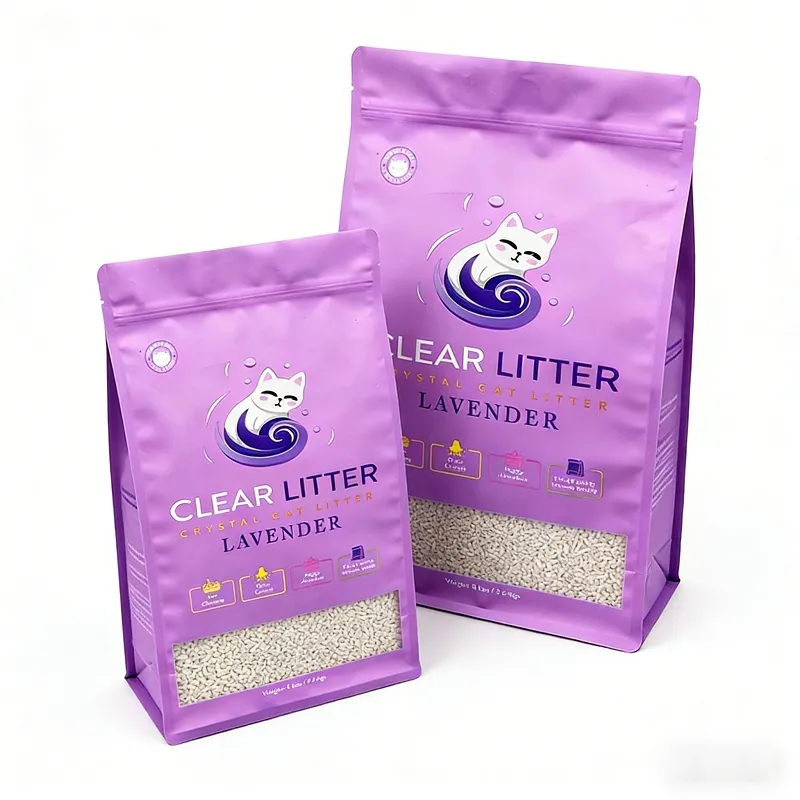
When selecting a cat litter bag, the material's resistance to tearing under weight becomes a critical factor that determines both product integrity and consumer satisfaction. The choice of bag material directly impacts how well the packaging can withstand the substantial weight of cat litter while maintaining structural integrity during handling, transportation, and storage. Understanding which materials offer superior tear resistance helps manufacturers and consumers make informed decisions that prevent costly product failures and messy accidents.
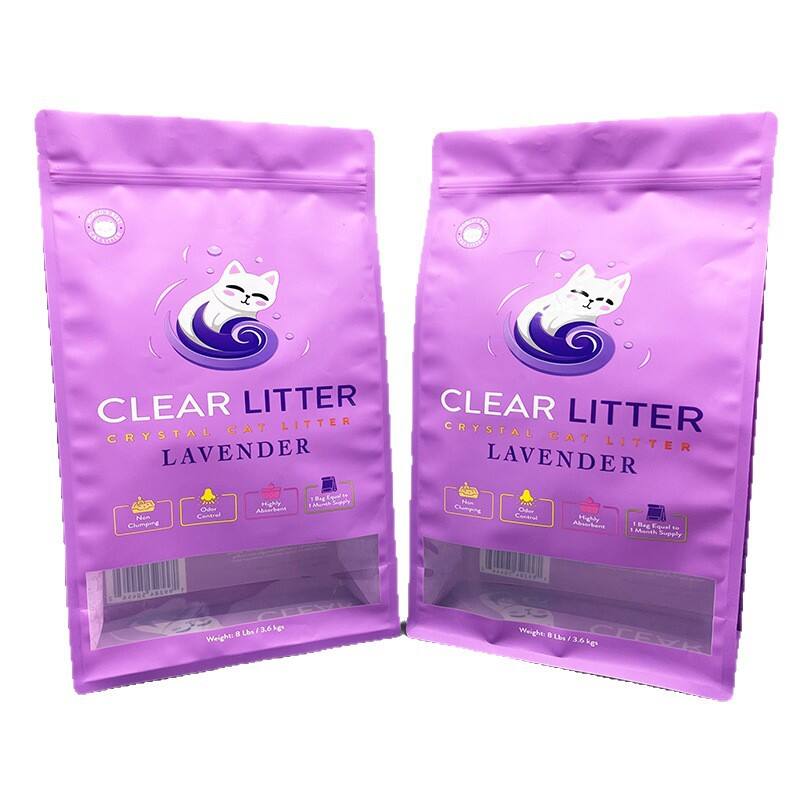
The weight-bearing capacity of different bag materials varies significantly based on their molecular structure, thickness specifications, and manufacturing processes. Multi-layer laminated films typically demonstrate superior performance compared to single-layer alternatives, with materials like polyethylene terephthalate combined with linear low-density polyethylene offering exceptional tensile strength. These advanced material combinations create a robust barrier that maintains flexibility while resisting punctures and tears even when subjected to the concentrated pressure points that occur during cat litter bag handling.
Material Composition and Structural Integrity
Polyethylene-Based Materials
Polyethylene variants form the backbone of many high-performance cat litter bag constructions due to their inherent flexibility and tear resistance properties. Linear low-density polyethylene provides excellent puncture resistance while maintaining the flexibility needed for efficient filling and handling operations. When combined with high-density polyethylene layers, these materials create a composite structure that distributes weight loads more effectively across the entire bag surface.
The molecular chain structure of polyethylene allows for controlled elongation under stress, which means the cat litter bag can stretch slightly to accommodate weight distribution without immediately tearing. This characteristic proves particularly valuable when bags are subjected to uneven loading or when sharp-edged litter particles create localized stress concentrations. Advanced polyethylene formulations incorporate additives that enhance tear propagation resistance, ensuring that minor punctures do not rapidly develop into catastrophic failures.
Multi-Layer Laminate Structures
Multi-layer laminate constructions represent the premium solution for weight-resistant cat litter bag applications, combining different material properties to optimize overall performance. These structures typically feature an outer layer for printability and moisture resistance, a core barrier layer for structural integrity, and an inner sealant layer for effective closure formation. The lamination process creates molecular bonding between layers that prevents delamination under stress.
The barrier layer in laminate structures often incorporates materials like ethylene vinyl alcohol or metallized films that provide exceptional puncture resistance. When weight is applied to a cat litter bag constructed with laminate materials, the load distribution occurs across multiple material interfaces, significantly reducing the likelihood of tear initiation. This multi-layer approach also allows for material optimization, where each layer contributes specific properties without compromising the overall structure.
Weight Distribution and Load Management
Stress Concentration Factors
Understanding how weight creates stress concentrations in cat litter bag materials helps explain why certain materials perform better under load conditions. Sharp corners, fold lines, and seam intersections become focal points for stress accumulation, particularly when bags are filled beyond their recommended capacity. Materials with high elongation properties can redistribute these stresses more effectively, preventing the formation of tear initiation points.
The particle size and shape characteristics of different cat litter formulations also influence stress patterns within the bag structure. Coarse, angular litter particles create more localized pressure points compared to rounded, uniform particles, requiring cat litter bag materials with superior puncture resistance. Advanced material selection considers these loading characteristics to ensure adequate safety margins under normal use conditions.
Dynamic Loading Considerations
Cat litter bag materials must resist not only static weight loads but also dynamic forces encountered during transportation and handling. Impact loading during shipping, sudden directional changes during carrying, and drop scenarios all create temporary stress spikes that exceed the static weight load. Materials with good impact resistance properties, such as modified polyethylene blends, demonstrate superior performance under these dynamic conditions.
The viscoelastic properties of bag materials determine how effectively they absorb and dissipate dynamic energy without permanent deformation or tear formation. High-quality cat litter bag materials exhibit controlled energy absorption characteristics that allow temporary deformation while returning to their original configuration once the dynamic load is removed. This behavior prevents stress accumulation that could lead to delayed failure modes.
Manufacturing Process Impact on Tear Resistance
Extrusion and Film Formation
The manufacturing process used to create cat litter bag materials significantly influences their final tear resistance properties. Blown film extrusion processes that incorporate controlled cooling and stretching operations create molecular orientation patterns that enhance tear resistance in specific directions. This orientation can be optimized to provide maximum strength in the directions most likely to experience stress during bag use.
Cast film processes offer different advantages for cat litter bag applications, particularly in creating uniform thickness profiles that prevent weak spots. The rapid cooling inherent in cast processes can create amorphous regions that provide excellent puncture resistance, while controlled annealing steps can optimize the balance between stiffness and flexibility. These processing parameters must be carefully controlled to achieve optimal tear resistance properties.
Converting and Seaming Operations
The conversion of raw film materials into finished cat litter bag structures involves seaming operations that can significantly impact overall tear resistance. Heat sealing parameters, including temperature, pressure, and dwell time, determine the integrity of seam bonds and their ability to transfer loads between bag panels. Properly formed seams actually enhance the overall strength of the bag structure by creating reinforced stress distribution paths.
Advanced seaming techniques like ultrasonic welding can create molecular bonds that exceed the strength of the base material, ensuring that seam failure does not become the limiting factor in tear resistance. The seam design itself, including seam width and edge finishing, plays a crucial role in preventing stress concentrations that could initiate tears under weight loading conditions.
Performance Testing and Validation Methods
Standardized Testing Protocols
Evaluating the tear resistance of cat litter bag materials requires standardized testing methods that accurately simulate real-world loading conditions. Drop testing protocols subject filled bags to controlled impact scenarios that replicate handling stresses, while static load testing determines the maximum weight capacity before material failure occurs. These tests provide quantitative data for comparing different material options.
Puncture resistance testing uses standardized probes to evaluate how materials respond to localized stress concentrations similar to those created by sharp litter particles. The force required to initiate puncture and the subsequent tear propagation resistance both contribute to the overall assessment of material suitability for cat litter bag applications. These testing protocols help establish safe operating limits for different material constructions.
Environmental Factor Considerations
Environmental conditions significantly influence the tear resistance properties of cat litter bag materials, with temperature and humidity variations affecting material flexibility and strength. Cold temperatures can increase material brittleness, while high temperatures may reduce tensile strength and increase elongation. Testing protocols must account for these environmental variables to ensure consistent performance across different storage and use conditions.
UV exposure and oxidative aging also impact long-term tear resistance properties, particularly for cat litter bag materials that may be exposed to warehouse lighting or outdoor storage conditions. Accelerated aging tests help predict how materials will perform after extended storage periods, ensuring that tear resistance properties remain adequate throughout the product's intended shelf life.
Material Selection Guidelines for Optimal Performance
Application-Specific Requirements
Selecting the optimal cat litter bag material requires careful consideration of specific application requirements, including typical fill weights, handling methods, and storage conditions. Premium clumping litters with high bulk density may require stronger materials compared to lightweight, low-dust alternatives. The intended distribution method, whether through retail channels or direct-to-consumer shipping, also influences material selection criteria.
Cost considerations must be balanced against performance requirements to identify materials that provide adequate tear resistance without unnecessary over-specification. Advanced materials like barrier films may be justified for premium products, while standard polyethylene constructions might be sufficient for basic applications. Understanding the specific loading profile for each application helps optimize this material selection process.
Future Development Trends
Ongoing research in polymer science continues to develop new materials with enhanced tear resistance properties for cat litter bag applications. Nano-composite materials that incorporate reinforcing particles at the molecular level show promise for creating stronger, lighter-weight constructions. These advanced materials may enable significant improvements in tear resistance while potentially reducing material usage and environmental impact.
Biodegradable material options are also being developed to address environmental concerns while maintaining adequate tear resistance for cat litter bag applications. These materials face the challenge of providing sufficient strength and durability while still offering controlled degradation under appropriate conditions. The development of these sustainable alternatives represents an important trend in packaging material innovation.
FAQ
What material thickness provides the best tear resistance for cat litter bags?
Material thickness between 3-5 mils typically provides optimal tear resistance for standard cat litter applications, though the specific material composition matters more than thickness alone. Multi-layer laminates at 4 mils often outperform single-layer films at 6 mils due to their superior load distribution properties and resistance to puncture propagation.
How does the type of cat litter affect bag material requirements?
Clumping clay litters with sharp, angular particles require materials with higher puncture resistance, while lightweight, pelletized litters create less localized stress. Dust-free formulations reduce abrasion concerns, allowing for slightly thinner materials, whereas traditional clay litters with higher dust content may require enhanced barrier properties to prevent dust migration through micro-punctures.
Can recycled materials provide adequate tear resistance for cat litter bags?
High-quality post-consumer recycled polyethylene can provide adequate tear resistance when properly processed and blended with virgin materials. However, recycled content typically reduces ultimate tensile strength by 10-15% compared to virgin materials, requiring careful formulation to maintain required performance levels while achieving sustainability goals.
What are the warning signs that a cat litter bag material may fail under weight?
Early warning signs include stress whitening around high-stress areas, micro-cracking near seams or corners, and excessive stretching during normal handling. Bags that show visible deformation when lifted or develop surface texture changes under load may be approaching their failure threshold and should be handled with additional care to prevent catastrophic failure.
Table of Contents
- Material Composition and Structural Integrity
- Weight Distribution and Load Management
- Manufacturing Process Impact on Tear Resistance
- Performance Testing and Validation Methods
- Material Selection Guidelines for Optimal Performance
-
FAQ
- What material thickness provides the best tear resistance for cat litter bags?
- How does the type of cat litter affect bag material requirements?
- Can recycled materials provide adequate tear resistance for cat litter bags?
- What are the warning signs that a cat litter bag material may fail under weight?