
 EN
EN



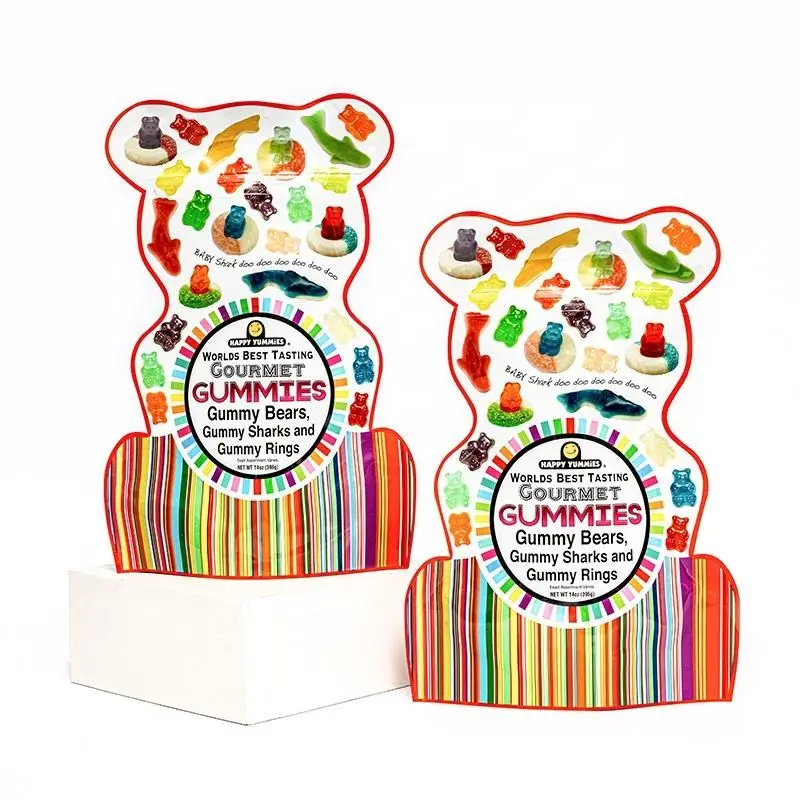
B2B mylar bags with zip represent a sophisticated packaging solution that combines advanced barrier properties with practical functionality for commercial applications. These specialized containers offer businesses a reliable method to protect products from environmental factors while maintaining convenience for end-users. The integration of zipper closures with mylar bag technology creates a versatile packaging option that serves multiple industries, from food and pharmaceuticals to electronics and industrial components.
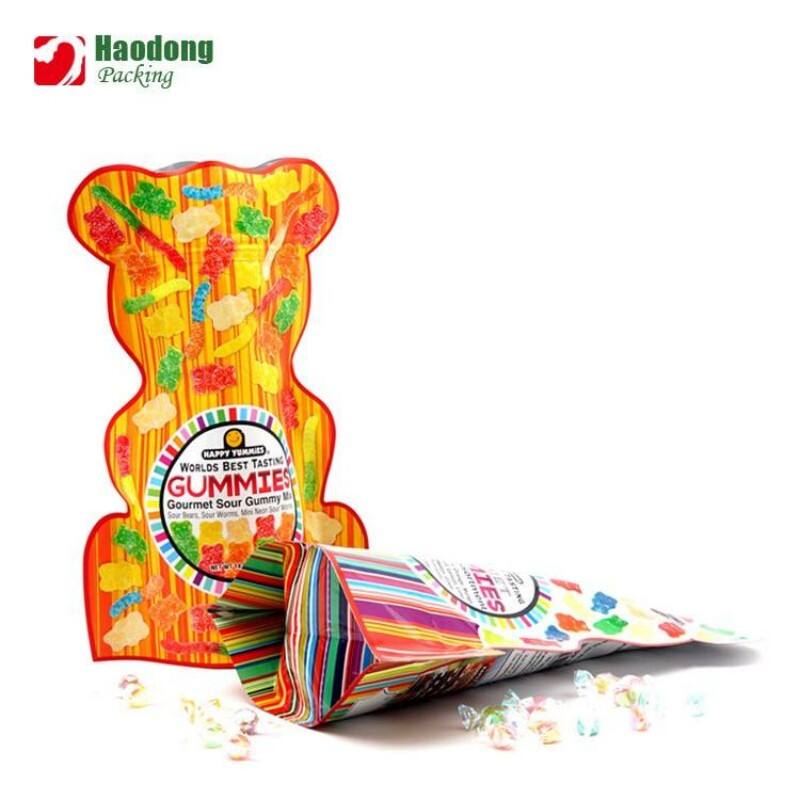
Understanding the specific features that distinguish B2B mylar bags with zip from standard packaging solutions is crucial for businesses seeking optimal product protection and customer satisfaction. These bags incorporate multiple design elements and material properties that work together to deliver superior performance in commercial environments. The zipper mechanism adds reusability and portion control capabilities that traditional sealed mylar bags cannot provide, making them particularly valuable for businesses focused on customer experience and product preservation.
Material Composition and Barrier Properties
Multi-Layer Construction Technology
The foundation of any effective mylar bag lies in its sophisticated multi-layer construction that provides exceptional barrier protection. B2B mylar bags with zip typically feature a combination of polyester, aluminum, and polyethylene layers that each contribute specific protective properties. The outer polyester layer offers durability and printability, while the inner aluminum layer creates an impermeable barrier against oxygen, moisture, and light penetration. This multi-layer approach ensures that sensitive products maintain their quality and shelf life throughout extended storage periods.
The thickness and arrangement of these layers can be customized based on specific business requirements and product sensitivities. Heavy-duty applications may require thicker aluminum layers and additional protective coatings, while lightweight products might benefit from optimized layer combinations that reduce material costs without compromising protection. The seamless integration of these materials creates a mylar bag that performs consistently across various environmental conditions and handling scenarios.
Oxygen and Moisture Resistance
B2B mylar bags with zip excel in creating controlled atmospheres that preserve product integrity over extended periods. The aluminum layer acts as a complete barrier to oxygen transmission, preventing oxidation reactions that can degrade product quality, flavor, or potency. This feature proves particularly valuable for businesses dealing with sensitive products like pharmaceuticals, specialty foods, or electronic components that deteriorate rapidly when exposed to atmospheric oxygen.
Moisture resistance represents another critical barrier property that distinguishes professional-grade mylar bags from conventional packaging options. The polyethylene inner layer provides excellent moisture vapor transmission resistance, maintaining optimal humidity levels within the package regardless of external environmental conditions. This capability allows businesses to ship products across different climate zones without concern for moisture-related degradation or contamination issues.
Zipper Closure Systems and Functionality
Resealable Mechanism Design
The zipper closure system integrated into B2B mylar bag designs provides superior functionality compared to traditional heat-sealed alternatives. These closures feature interlocking teeth or slider mechanisms that create airtight seals while allowing repeated opening and closing cycles. The precision-engineered closure systems maintain their sealing integrity even after hundreds of uses, ensuring long-term product protection and customer satisfaction.
Professional zipper systems incorporate reinforcement elements around the closure area to prevent stress concentration and potential failure points. The integration process involves careful heat-sealing techniques that bond the zipper assembly to the mylar bag body without compromising the barrier properties. This seamless integration ensures that the closure area maintains the same protective characteristics as the rest of the bag structure.
User Experience and Accessibility
B2B applications require packaging solutions that balance protection with ease of use for end consumers or facility personnel. The zipper closure system enables controlled access to package contents without requiring tools or special techniques. This accessibility feature reduces handling time and minimizes the risk of product spillage or contamination during access procedures. The smooth operation of quality zipper systems enhances the overall user experience and reflects positively on the brand supplying the packaged products.
The tactile feedback provided by properly functioning zipper closures gives users confidence in the sealing process. Quality mylar bags incorporate zipper designs that produce audible and tactile confirmation when properly closed, reducing uncertainty about package integrity. This feature proves particularly important in B2B environments where multiple personnel may handle the same packages throughout distribution and use cycles.
Size Specifications and Customization Options
Standard Sizing Categories
B2B mylar bags with zip are available in a comprehensive range of standard sizes designed to accommodate various product categories and business applications. Small format bags typically range from 3x5 inches to 6x9 inches, suitable for pharmaceutical samples, electronic components, or portion-controlled food products. Medium-sized options span 8x12 inches to 12x18 inches, providing adequate capacity for bulk food items, industrial parts, or multi-unit product packages.
Large format mylar bags extend beyond 16x24 inches and can accommodate substantial product volumes while maintaining the protective and functional benefits of the zipper closure system. The scalability of mylar bag manufacturing processes allows businesses to select optimal sizes that minimize material waste while providing appropriate product protection. Custom sizing options enable precise matching between package dimensions and product requirements, optimizing storage efficiency and shipping costs.
Custom Printing and Branding Features
Professional mylar bags support high-quality printing processes that enable comprehensive branding and informational displays. The outer polyester layer provides an excellent printing surface that accepts various ink types and printing technologies, including flexographic, gravure, and digital printing methods. Businesses can incorporate full-color graphics, product information, regulatory compliance markings, and brand identification elements that enhance market presence and consumer recognition.
Advanced printing capabilities extend to specialized effects like metallic inks, spot varnishes, and textured finishes that create premium packaging appearances. The printing process is engineered to maintain adhesion and appearance quality throughout the product lifecycle, ensuring that branding elements remain vibrant and legible even after extended storage and handling. Custom printing options also support variable data printing for batch tracking, expiration dating, and individualized product information.
Performance Characteristics and Testing Standards
Seal Strength and Durability Testing
B2B mylar bags undergo rigorous testing protocols to ensure consistent performance across various operating conditions and stress scenarios. Seal strength testing measures the force required to separate the heat-sealed edges and zipper closures, providing quantitative data about package integrity under normal and extreme handling conditions. These tests simulate real-world stresses including transportation vibration, temperature cycling, and mechanical impacts that packages encounter throughout distribution networks.
Durability testing encompasses puncture resistance, tear propagation, and flex-crack resistance measurements that predict long-term performance characteristics. Quality mylar bags demonstrate superior resistance to mechanical damage while maintaining their barrier properties even after exposure to repeated stress cycles. The testing protocols conform to industry standards such as ASTM and ISO specifications, providing businesses with reliable performance data for packaging selection decisions.
Chemical Compatibility and Safety Compliance
Chemical compatibility testing ensures that mylar bags maintain their protective properties when exposed to various product formulations and environmental conditions. The multi-layer construction provides excellent resistance to oils, solvents, and other chemical substances that might compromise lesser packaging materials. This chemical stability proves essential for B2B applications involving industrial products, pharmaceuticals, or specialty chemicals that require long-term storage without container degradation.
Safety compliance encompasses food-grade certifications, pharmaceutical packaging standards, and environmental regulations that govern commercial packaging applications. Quality mylar bags meet or exceed relevant FDA, EPA, and international safety standards, enabling businesses to confidently use these packages across regulated industries. The certification processes include migration testing, toxicity assessments, and environmental impact evaluations that ensure complete compliance with applicable regulations.
Applications and Industry Use Cases
Food and Beverage Industry Applications
The food and beverage sector represents one of the largest markets for B2B mylar bags with zip closures, driven by the need for extended shelf life and product freshness preservation. These packages excel in protecting sensitive food products from oxidation, moisture absorption, and contamination while providing convenient portion control and resealing capabilities. Coffee roasters utilize mylar bags to preserve bean freshness and flavor profiles, while specialty food manufacturers rely on these packages to maintain product quality during extended distribution cycles.
Pharmaceutical and nutraceutical applications demand the highest levels of protection and compliance with strict regulatory requirements. Mylar bags provide the necessary barrier properties to protect active ingredients from degradation while the zipper closure system enables controlled dispensing and portion management. The tamper-evident features available in advanced mylar bag designs support compliance with pharmaceutical security regulations and patient safety requirements.
Industrial and Electronics Packaging
Electronics manufacturers rely on mylar bags to protect sensitive components from static electricity, moisture, and oxidation during storage and transportation. The anti-static properties available in specialized mylar bag formulations provide additional protection for electronic devices and components. The zipper closure system enables easy access for inspection and testing procedures while maintaining protective atmospheres when packages are resealed.
Industrial applications encompass a broad range of products including precision parts, chemicals, and specialty materials that require specific environmental protection. The customization capabilities of mylar bags enable tailored solutions for unique industrial requirements, including specialized barrier properties, chemical resistance, and mechanical protection features. The professional appearance and functionality of these packages enhance the perceived value and reliability of industrial products in B2B markets.
FAQ
What is the typical shelf life of products stored in B2B mylar bags with zip?
Products stored in properly designed B2B mylar bags with zip closures can achieve shelf lives of 2-5 years or more, depending on the specific product characteristics and storage conditions. The aluminum barrier layer prevents oxygen and moisture transmission that typically causes product degradation, while the zipper closure maintains package integrity between uses. Actual shelf life varies based on factors such as product sensitivity, initial quality, storage temperature, and handling practices throughout the distribution chain.
How do zipper closures affect the barrier properties of mylar bags?
Quality zipper closures are engineered to maintain the barrier properties of mylar bags when properly sealed. The closure area incorporates the same multi-layer construction as the bag body, and the sealing mechanism creates an airtight barrier that prevents gas and moisture transmission. However, the closure area may represent a slight compromise compared to heat-sealed edges, so proper closure technique and regular inspection of the zipper mechanism are important for maintaining optimal barrier performance.
Can B2B mylar bags with zip be recycled or disposed of safely?
The recyclability of mylar bags depends on local recycling capabilities and the specific material composition. The multi-layer construction makes these bags challenging to recycle through standard municipal programs, but specialized recycling facilities can process them appropriately. Many manufacturers are developing more sustainable formulations and take-back programs to address environmental concerns. Proper disposal involves removing any product residues and following local waste management guidelines for multi-layer packaging materials.
What quality certifications should businesses look for in B2B mylar bags?
Businesses should verify that mylar bags carry relevant certifications for their specific applications, including FDA approval for food contact, USP Class VI certification for pharmaceutical use, and ISO quality management standards for manufacturing processes. Anti-static certifications are important for electronics applications, while child-resistant closure certifications may be required for certain pharmaceutical or chemical products. Quality suppliers provide comprehensive certification documentation and testing data to support compliance requirements.