
 EN
EN



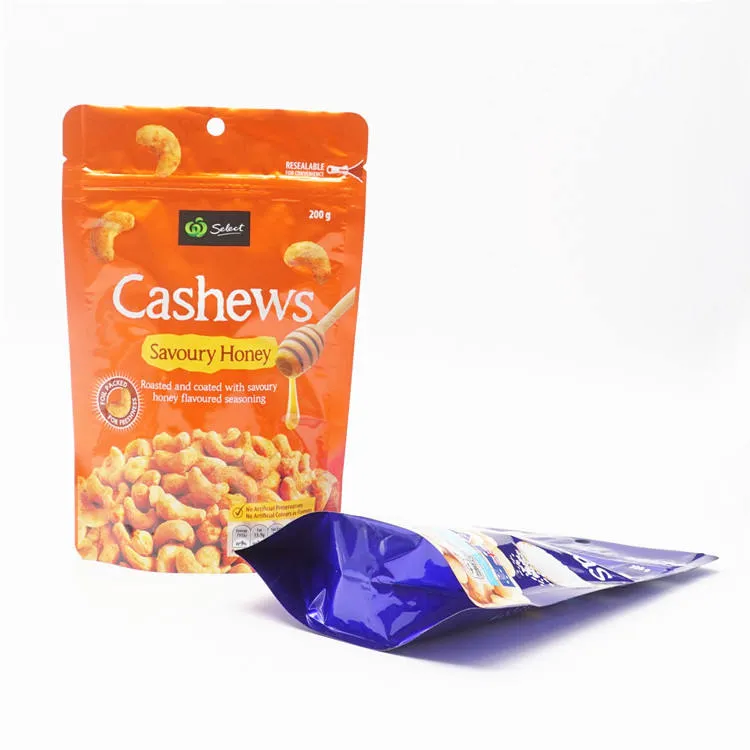
Selecting the right sealing method for your mylar bag packaging directly determines whether your products maintain freshness and quality over extended periods. The effectiveness of the oxygen barrier in mylar bag applications depends fundamentally on the sealing technique employed, as even the highest-grade mylar material can fail to protect contents if the seal allows air infiltration. Understanding which sealing methods provide superior oxygen barrier performance becomes critical for manufacturers in food storage, pharmaceuticals, electronics, and other industries where atmospheric protection is essential.
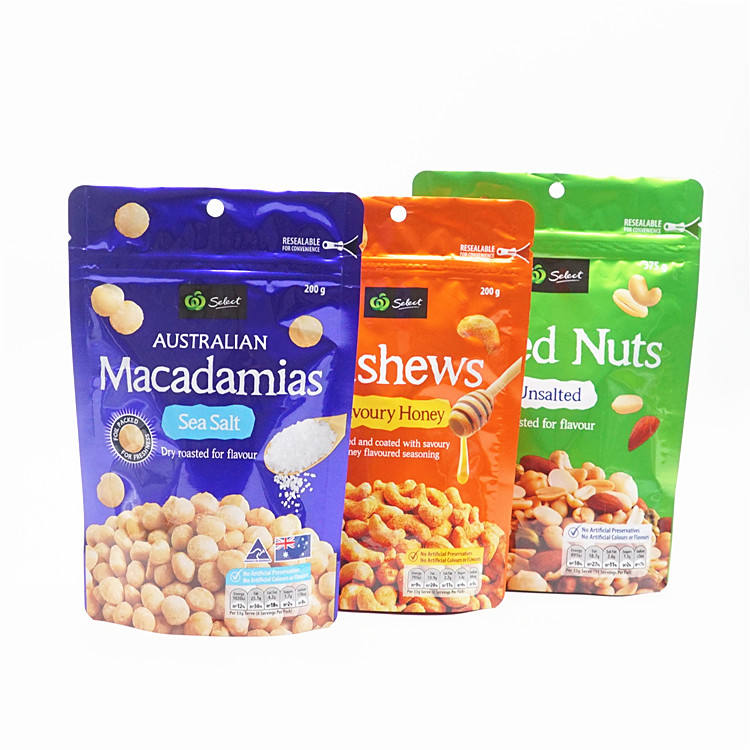
Different sealing approaches offer varying levels of oxygen barrier integrity, ranging from basic closure methods that may allow minimal air exchange to advanced sealing technologies that create hermetic environments. The choice between heat sealing, impulse sealing, vacuum sealing, or specialized barrier sealing methods significantly impacts the mylar bag's ability to maintain an oxygen-free environment. This analysis examines the specific sealing methods that deliver optimal oxygen barrier performance and identifies the factors that determine sealing effectiveness in practical applications.
Heat Sealing Methods for Maximum Oxygen Barrier
Continuous Heat Sealing Technology
Continuous heat sealing represents one of the most reliable methods for achieving superior oxygen barrier performance in mylar bag applications. This technique applies consistent temperature and pressure across the entire seal width, creating a molecular bond between the mylar layers that effectively eliminates microscopic gaps where oxygen might penetrate. The continuous heat application ensures uniform seal density throughout the closure area, preventing the weak points that commonly occur with intermittent sealing methods.
The effectiveness of continuous heat sealing depends on precise temperature control, typically ranging from 300 to 400 degrees Fahrenheit for standard mylar materials. Proper dwell time allows the heated mylar surfaces to achieve optimal fusion without degrading the barrier properties of the film. Professional packaging operations often utilize band sealers or rotary heat sealers that maintain consistent parameters across high-volume production runs, ensuring reliable oxygen barrier performance in every sealed mylar bag.
Quality continuous heat sealing requires careful attention to seal width, pressure distribution, and cooling phases. A minimum seal width of 6-8 millimeters provides adequate strength and barrier integrity, while excessive heat or pressure can thin the mylar material and compromise its oxygen resistance properties. The controlled cooling period allows the molecular structure to stabilize, creating the durable bond necessary for long-term oxygen barrier effectiveness.
Impulse Sealing for Precise Barrier Control
Impulse sealing technology offers exceptional control over the sealing process, making it particularly effective for creating reliable oxygen barriers in mylar bag applications. This method delivers precisely timed heat pulses through resistance heating elements, allowing operators to achieve optimal seal formation without overheating the surrounding mylar material. The controlled energy delivery prevents thermal damage to the barrier coating while ensuring complete fusion of the sealing surfaces.
The programmable nature of impulse sealing systems enables consistent replication of optimal sealing parameters across different mylar bag configurations. Seal time, temperature, and pressure can be precisely calibrated for specific mylar thicknesses and barrier compositions, ensuring reliable oxygen barrier performance regardless of production variables. This precision becomes particularly valuable when sealing mylar bags with specialized barrier coatings or multi-layer constructions that require careful thermal management.
Advanced impulse sealing equipment often incorporates real-time monitoring systems that verify seal integrity during the sealing process. These systems can detect incomplete fusion, contamination, or other factors that might compromise oxygen barrier performance, allowing immediate correction before defective seals reach the market. The combination of precise control and quality verification makes impulse sealing highly effective for applications demanding guaranteed oxygen barrier integrity.
Vacuum Sealing Integration for Enhanced Barrier Performance
Pre-Vacuum Oxygen Removal
Implementing vacuum sealing before final closure significantly enhances the oxygen barrier effectiveness of mylar bag packaging systems. The vacuum process removes atmospheric oxygen from the package interior before sealing, reducing the initial oxygen load and minimizing the pressure differential that could stress the sealed closure. This approach creates an environment where the mylar bag's barrier properties face reduced challenge from internal pressure variations.
Professional vacuum sealing equipment designed for mylar bag applications typically achieves vacuum levels of 99.5% or higher, effectively eliminating virtually all atmospheric oxygen before the final seal formation. The vacuum process also removes moisture vapor that could interfere with proper seal formation or contribute to condensation inside the package. This dual benefit of oxygen and moisture removal creates optimal conditions for barrier seal performance.
The timing of vacuum application relative to heat sealing proves critical for optimal results. The vacuum should be maintained throughout the sealing process to prevent air infiltration during closure formation. Advanced vacuum chamber systems coordinate the vacuum and sealing cycles to ensure the mylar bag maintains its evacuated state until the seal achieves full strength and integrity.
Chamber Vacuum Sealing Systems
Chamber vacuum sealing systems provide the most comprehensive approach to oxygen barrier creation in mylar bag packaging applications. These systems evacuate the entire sealing chamber, eliminating atmospheric pressure that might interfere with proper seal formation while simultaneously removing oxygen from both the package interior and the sealing environment. This dual vacuum approach ensures optimal conditions for creating hermetic seals with maximum oxygen barrier performance.
The controlled environment within vacuum chambers allows for precise management of sealing parameters without atmospheric interference. Temperature, pressure, and timing can be optimized for specific mylar formulations without concern for ambient conditions affecting seal quality. This environmental control becomes particularly important when sealing mylar bags containing oxygen-sensitive products that require absolute barrier integrity.
Chamber systems also enable gas flushing capabilities, where inert gases such as nitrogen can replace atmospheric oxygen before sealing. This modified atmosphere packaging approach, combined with proper mylar bag sealing, creates an environment completely free of oxygen while maintaining package integrity. The combination of vacuum evacuation, gas flushing, and precision sealing delivers the highest level of oxygen barrier performance available in flexible packaging applications.
Specialized Barrier Sealing Technologies
Ultrasonic Sealing for Molecular Bonding
Ultrasonic sealing technology creates molecular-level bonds between mylar surfaces without relying on external heat application, making it particularly effective for maintaining barrier properties in heat-sensitive applications. The ultrasonic energy generates friction at the molecular level between the mylar layers, creating localized heating that fuses the materials without affecting surrounding areas. This precise energy delivery preserves the integrity of barrier coatings and specialized films that might degrade under conventional heat sealing.
The ultrasonic sealing process produces exceptionally uniform seal density across the entire closure area, eliminating the temperature variations that can create weak points in heat-sealed mylar bags. The consistent energy distribution ensures that every portion of the seal achieves optimal molecular bonding, creating a continuous barrier against oxygen infiltration. This uniformity proves particularly valuable for large-format mylar bags where maintaining consistent seal quality across extended seal lengths becomes challenging with conventional methods.
Ultrasonic sealing systems offer precise control over energy application, enabling optimization for different mylar compositions and thicknesses. The amplitude, frequency, and application time can be adjusted to achieve optimal bonding without overprocessing that might compromise barrier properties. This flexibility makes ultrasonic sealing suitable for a wide range of mylar bag applications while consistently delivering superior oxygen barrier performance.
Hot Bar Sealing for Industrial Applications
Hot bar sealing technology provides exceptional pressure and temperature control for creating high-integrity oxygen barriers in industrial mylar bag applications. This method utilizes heated metal bars that apply uniform pressure across the entire seal width while maintaining precise temperature control throughout the sealing cycle. The combination of controlled heat and pressure creates dense, reliable seals that effectively prevent oxygen transmission through the closure area.
The programmable nature of hot bar sealing systems allows for optimization of sealing parameters based on specific mylar bag requirements. Temperature profiles can be adjusted to accommodate different barrier coatings, while pressure settings ensure complete contact between sealing surfaces without damaging the mylar material. The controlled heating and cooling cycles prevent thermal shock that might compromise the molecular structure of barrier films.
Industrial hot bar sealing equipment often incorporates quality monitoring systems that verify seal integrity during formation. These systems can detect incomplete bonds, contamination, or other factors that might compromise oxygen barrier performance, enabling immediate process adjustment. The combination of precise control and real-time monitoring makes hot bar sealing highly reliable for applications requiring guaranteed oxygen barrier integrity in mylar bag packaging.
Seal Integrity Verification and Quality Assurance
Leak Detection Testing Methods
Implementing comprehensive leak detection testing ensures that sealed mylar bags maintain their oxygen barrier integrity throughout storage and distribution. Bubble testing remains one of the most reliable methods for identifying microscopic leaks that might compromise barrier performance. This technique involves submerging the sealed mylar bag under water while applying internal pressure to reveal any points where air escapes through defective seals.
Vacuum decay testing provides quantitative measurement of seal integrity by monitoring pressure changes within a sealed test chamber containing the mylar bag. This method can detect extremely small leaks that might not be visible through bubble testing while providing numerical data on leak rates. The precision of vacuum decay testing makes it particularly valuable for applications where absolute oxygen barrier performance is critical.
Helium leak detection represents the most sensitive method for verifying oxygen barrier integrity in sealed mylar bags. This technique uses helium as a tracer gas within the package and employs mass spectrometry to detect any helium molecules that escape through seal defects. The sensitivity of helium detection can identify leaks several orders of magnitude smaller than those detectable through conventional pressure testing methods.
Statistical Process Control Implementation
Establishing statistical process control protocols ensures consistent oxygen barrier performance across all sealed mylar bag production. Regular sampling and testing of sealed packages provides data on seal quality trends and enables early detection of process variations that might compromise barrier integrity. Control charts tracking seal strength, leak rates, and other quality metrics help maintain optimal sealing parameters.
Automated seal testing equipment can be integrated into production lines to provide 100% inspection of sealed mylar bags without slowing production rates. These systems use non-destructive testing methods such as pressure decay or ultrasonic inspection to verify seal integrity without damaging the packages. Real-time feedback from automated testing enables immediate process adjustment to maintain optimal oxygen barrier performance.
Documentation and traceability systems track the sealing parameters and test results for each production lot, enabling rapid identification and correction of any quality issues. This systematic approach to quality assurance ensures that oxygen barrier performance remains consistent across all sealed mylar bag production while providing the documentation necessary for regulatory compliance and customer quality requirements.
FAQ
What sealing temperature provides the best oxygen barrier in mylar bags?
The optimal sealing temperature for maximum oxygen barrier performance typically ranges from 320 to 380 degrees Fahrenheit, depending on the specific mylar formulation and thickness. This temperature range ensures complete fusion of the sealing surfaces without degrading the barrier coating. Too low temperatures result in incomplete seals that allow oxygen infiltration, while excessive temperatures can damage the barrier properties and create brittle seals prone to failure.
How can I verify that my mylar bag seals maintain oxygen barrier integrity?
Several testing methods can verify oxygen barrier integrity, including bubble testing under water pressure, vacuum decay testing for quantitative leak measurement, and oxygen transmission rate testing for long-term barrier performance evaluation. Professional packaging operations should implement multiple testing approaches, starting with bubble testing for obvious leaks and progressing to more sensitive methods like helium leak detection for critical applications requiring absolute barrier integrity.
Which sealing method works best for mylar bags containing oxygen absorbers?
Vacuum chamber sealing followed by heat sealing provides optimal results for mylar bags containing oxygen absorbers, as this approach removes initial atmospheric oxygen while creating hermetic seals that prevent oxygen infiltration. The vacuum process activates the oxygen absorbers immediately upon sealing, while the heat seal maintains the barrier necessary for the absorbers to function effectively throughout the storage period.
What factors can compromise oxygen barrier performance in sealed mylar bags?
Common factors that compromise oxygen barrier performance include insufficient sealing temperature or pressure, contamination on sealing surfaces, incorrect seal width, thermal damage to barrier coatings, and improper storage conditions that stress the sealed closures. Maintaining clean sealing surfaces, using calibrated equipment, and implementing proper quality control procedures prevents most seal failures that lead to oxygen barrier compromise in mylar bag applications.
Table of Contents
- Heat Sealing Methods for Maximum Oxygen Barrier
- Vacuum Sealing Integration for Enhanced Barrier Performance
- Specialized Barrier Sealing Technologies
- Seal Integrity Verification and Quality Assurance
-
FAQ
- What sealing temperature provides the best oxygen barrier in mylar bags?
- How can I verify that my mylar bag seals maintain oxygen barrier integrity?
- Which sealing method works best for mylar bags containing oxygen absorbers?
- What factors can compromise oxygen barrier performance in sealed mylar bags?