
 EN
EN



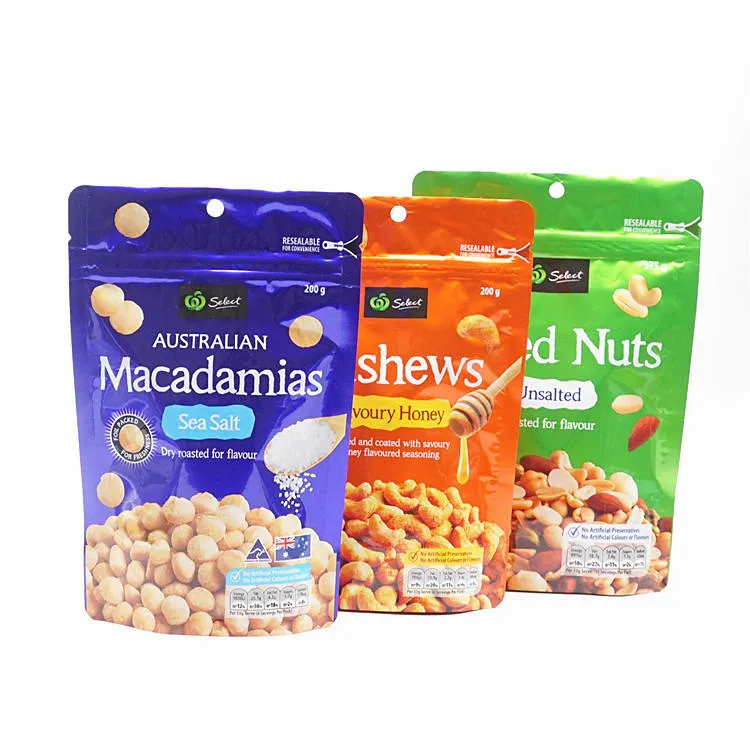
Long-term food storage has become increasingly critical for households and businesses seeking to ensure food security and reduce waste. Among the various packaging solutions available, mylar bag technology stands out as the premier choice for preserving food quality over extended periods. The superior barrier properties, durability, and versatility of mylar bag materials make them the preferred option for serious food storage applications where maintaining nutritional value and preventing spoilage are paramount concerns.
The preference for mylar bag solutions in long-term storage stems from their unique polyester film construction that provides exceptional protection against moisture, oxygen, light, and temperature fluctuations. Unlike traditional storage methods that may compromise food integrity over time, mylar bag packaging creates a controlled environment that significantly extends shelf life while maintaining original taste, texture, and nutritional content. This comprehensive protection system explains why emergency preparedness experts, commercial food processors, and home storage enthusiasts consistently choose mylar bag technology for their most critical preservation needs.
Superior Barrier Protection Properties
Moisture Barrier Excellence
The primary reason why mylar bag packaging excels in long-term storage applications lies in its exceptional moisture barrier properties. Traditional plastic bags allow moisture transmission that can lead to mold growth, bacterial contamination, and food degradation within months. A quality mylar bag creates an impermeable barrier with moisture transmission rates as low as 0.1 grams per 100 square inches per 24 hours, compared to regular polyethylene bags that may allow 10-20 times more moisture penetration.
This superior moisture protection becomes critical when storing grains, dried fruits, nuts, and other moisture-sensitive foods for periods exceeding one year. The metallized polyester film structure of a mylar bag prevents humidity from reaching stored contents, maintaining optimal moisture levels that preserve texture and prevent spoilage. Food storage professionals recognize that even minimal moisture infiltration can compromise entire storage batches, making the reliable barrier properties of mylar bag solutions essential for successful long-term preservation programs.
Oxygen Transmission Control
Oxygen exposure represents one of the most significant threats to long-term food storage quality, causing rancidity in fats, vitamin degradation, and flavor deterioration. Standard plastic storage containers offer minimal protection against oxygen transmission, allowing stored foods to oxidize and lose nutritional value within months. The specialized construction of a mylar bag provides oxygen transmission rates lower than 0.01 cubic centimeters per 100 square inches per day, creating an essentially oxygen-free environment when properly sealed.
When combined with oxygen absorber packets, mylar bag packaging can reduce internal oxygen levels to below 0.1 percent, effectively halting oxidation processes that would otherwise degrade stored foods. This oxygen control capability explains why mylar bag technology is preferred for storing sensitive items like whole grains, powdered milk, dried vegetables, and specialty foods where maintaining original quality characteristics is essential for long-term viability.
Durability and Physical Protection
Puncture and Tear Resistance
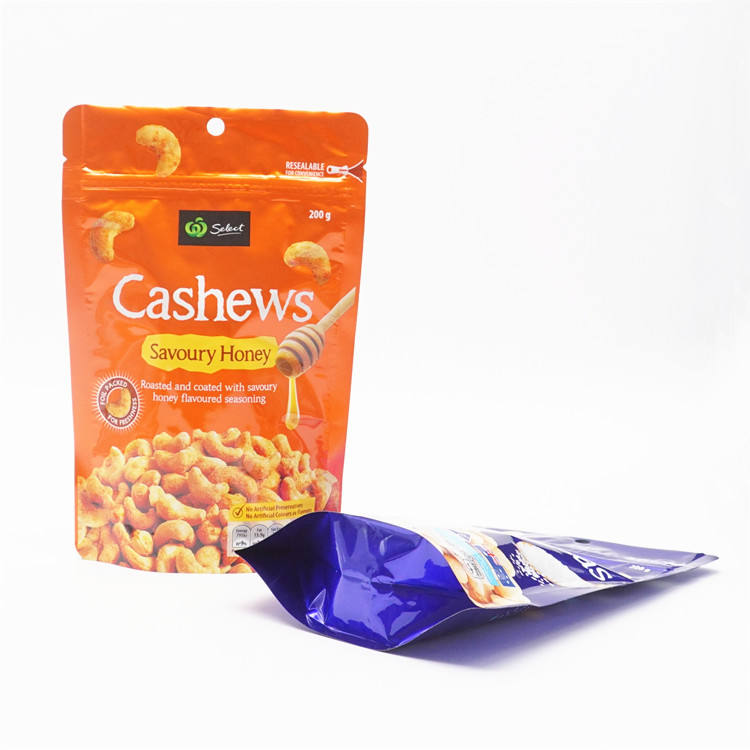
The physical durability of mylar bag materials significantly surpasses conventional storage options, providing reliable protection against punctures, tears, and handling damage that could compromise storage integrity. The polyester film construction offers tensile strength ratings exceeding 25,000 PSI, making mylar bag packaging resistant to sharp edges, rough handling, and the physical stresses encountered during long-term storage situations.
This durability advantage becomes particularly important when storing foods with sharp edges like rice, beans, or freeze-dried vegetables that might puncture weaker packaging materials over time. A properly constructed mylar bag maintains its integrity even when subjected to temperature fluctuations that cause expansion and contraction, ensuring that the protective barrier remains intact throughout extended storage periods. Food storage professionals value this reliability because a single packaging failure can compromise years of careful preparation and investment.
Temperature Stability
Unlike many plastic materials that become brittle at low temperatures or soften at high temperatures, mylar bag construction maintains stable performance characteristics across extreme temperature ranges from -65°F to 300°F. This temperature stability ensures that the barrier properties and physical integrity of the mylar bag remain consistent whether stored in freezing conditions, normal room temperatures, or elevated heat situations that might occur during emergency scenarios.
The thermal stability of mylar bag materials also prevents the release of plasticizers or other chemicals that might migrate into stored foods when exposed to temperature variations. This chemical inertness ensures that foods maintain their original taste and safety characteristics throughout storage periods that may extend decades, making mylar bag technology the preferred choice for emergency food supplies and long-term preparedness applications.
Light Protection and UV Resistance
Photodegradation Prevention
Light exposure, particularly ultraviolet radiation, causes significant degradation of vitamins, proteins, and other nutrients in stored foods. Clear plastic containers and translucent storage bags offer minimal protection against photodegradation, allowing light-sensitive compounds to break down and reduce the nutritional value of stored foods over time. The metallized surface of a mylar bag provides complete opacity, blocking 100 percent of visible light and UV radiation that would otherwise compromise food quality.
This light protection capability proves especially valuable when storing vitamin-rich foods, oils, and proteins that are particularly susceptible to light-induced deterioration. Studies have shown that foods stored in transparent containers can lose up to 50 percent of their vitamin content within six months of light exposure, while the same foods stored in mylar bag packaging maintain their nutritional profiles for years. The superior light barrier properties make mylar bag solutions indispensable for preserving the nutritional integrity that makes long-term food storage worthwhile.
Color and Flavor Preservation
The complete light blocking provided by mylar bag packaging prevents the color fading and flavor changes that occur when foods are exposed to light during storage. Dried fruits, vegetables, and spices stored in clear containers often lose their vibrant colors and develop off-flavors within months, while the same products stored in mylar bag packaging maintain their original appearance and taste characteristics for years.
This preservation of sensory characteristics becomes crucial for long-term storage applications where maintaining food appeal and palatability is essential for practical use. Emergency food supplies and long-term storage investments lose much of their value if the stored foods become unappetizing or unpalatable over time. The light protection offered by mylar bag technology ensures that stored foods remain visually appealing and flavorful when needed, maximizing the return on long-term storage investments.
Versatility and Application Range
Size and Configuration Options
The versatility of mylar bag packaging extends beyond barrier properties to include a wide range of sizes, configurations, and sealing options that accommodate virtually any long-term storage requirement. From small single-serving pouches to large bulk storage bags capable of holding 50 pounds or more, mylar bag solutions can be tailored to specific storage needs and portion requirements without compromising protection performance.
This flexibility allows storage planners to optimize their preservation systems for different food types, family sizes, and storage scenarios. A mylar bag system can accommodate everything from delicate herbs and spices that require small portions to bulk grains and legumes that benefit from larger packaging units. The availability of various thicknesses, from standard 4-mil options to heavy-duty 7-mil constructions, ensures that mylar bag packaging can be matched to the specific protection requirements and handling conditions of different storage applications.
Compatibility with Storage Systems
Modern mylar bag designs integrate seamlessly with popular storage systems including food-grade buckets, rigid containers, and vacuum sealing equipment. This compatibility allows users to combine the superior barrier properties of mylar bag packaging with the structural protection and organization benefits of external container systems, creating comprehensive storage solutions that maximize both protection and practicality.
The ability to use mylar bag packaging within existing storage infrastructure makes it an attractive upgrade option for those seeking to improve their food preservation capabilities without completely replacing their current systems. Whether used as standalone packaging or as liner bags within rigid containers, mylar bag technology enhances the performance of virtually any storage approach while maintaining the convenience and organization that users expect from their preservation systems.
Cost-Effectiveness and Storage Efficiency
Long-Term Value Proposition
While mylar bag packaging may have higher upfront costs compared to basic plastic storage options, the superior protection and extended shelf life capabilities provide exceptional long-term value for serious food storage applications. The ability of mylar bag technology to extend food storage life from months to years or even decades significantly reduces replacement costs and waste associated with food spoilage.
The economic advantages of mylar bag storage become particularly apparent when calculated over extended time periods. Foods that might require replacement every 1-2 years in conventional storage can maintain quality for 10-25 years when properly stored in mylar bag packaging with appropriate oxygen absorbers and desiccants. This dramatic extension of usable storage life translates to substantial savings in food replacement costs and reduced waste from spoiled products.
Space Optimization Benefits
The flexible nature of mylar bag packaging allows for more efficient use of storage space compared to rigid containers that cannot conform to available space configurations. When properly filled and sealed, mylar bag packaging eliminates air gaps and wasted space, allowing up to 30 percent more food storage in the same available area compared to traditional rigid container systems.
This space efficiency becomes increasingly valuable as storage needs grow and available space becomes limited. The ability to maximize storage density while maintaining superior protection makes mylar bag technology particularly attractive for urban dwellers, apartment residents, and anyone working with limited storage space. The stackable and nestable characteristics of filled mylar bag packages further enhance storage organization and accessibility.
FAQ
How long can food be stored in mylar bags?
When properly sealed with oxygen absorbers and stored in appropriate conditions, foods in mylar bag packaging can maintain quality for 10-30 years depending on the specific food type and storage environment. Low-moisture foods like grains, legumes, and freeze-dried products achieve the longest storage life, while higher-fat content foods may have shorter but still significantly extended storage periods compared to conventional packaging methods.
Do mylar bags require special sealing equipment?
While mylar bag packaging can be sealed using household items like clothing irons or hair straighteners, dedicated impulse sealers or vacuum sealers provide more consistent and reliable seals. The key requirement is generating sufficient heat to melt and fuse the polyester film layers together, creating an airtight barrier. Most mylar bag applications benefit from heat sealing temperatures between 300-400°F applied for 2-4 seconds depending on material thickness.
Can mylar bags be reused for food storage?
Mylar bag packaging can be carefully cleaned and reused provided the material has not been damaged or compromised during initial use. However, reused mylar bag applications may not achieve the same barrier performance as new packaging due to potential microscopic damage or contamination. For critical long-term storage applications, using new mylar bag packaging ensures optimal protection and eliminates risks associated with compromised barrier properties.
What foods should not be stored in mylar bags?
Foods with sharp edges that might puncture the mylar bag material, extremely high-fat content items that may become rancid despite oxygen exclusion, and foods requiring refrigeration are not suitable for standard mylar bag storage applications. Additionally, foods with moisture content above 10 percent should be properly dried before mylar bag packaging to prevent bacterial growth and package failure in long-term storage scenarios.