
 EN
EN


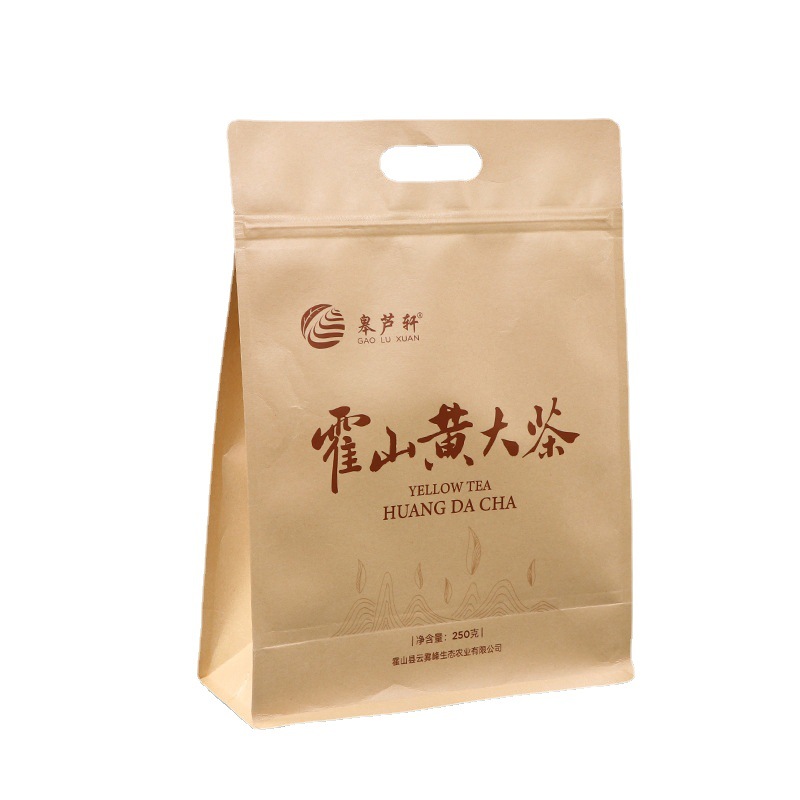
Eco-branding has become a critical differentiator in today's environmentally conscious marketplace, and choosing recycled kraft paper bags represents one of the most impactful decisions brands can make. As businesses face increasing pressure to demonstrate authentic environmental responsibility, the kraft paper bag emerges as a powerful symbol of sustainable packaging that resonates with eco-minded consumers. Beyond mere compliance with environmental standards, recycled kraft paper bags offer brands a unique opportunity to align their visual identity with genuine sustainability values while maintaining functionality and aesthetic appeal.
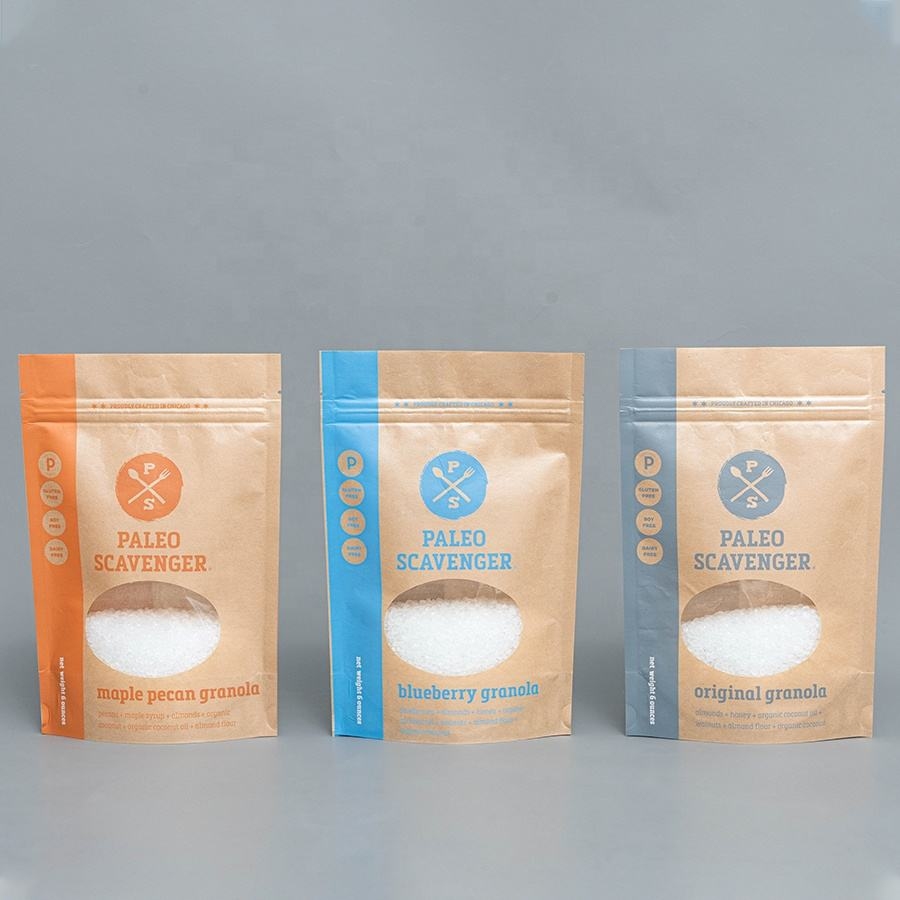
The strategic advantages of incorporating recycled kraft paper bags into eco-branding initiatives extend far beyond environmental benefits, encompassing brand perception, customer loyalty, and competitive positioning. These sustainable packaging solutions provide businesses with tangible proof of their environmental commitment while delivering practical benefits that enhance the overall customer experience. Understanding why recycled kraft paper bags represent the optimal choice for eco-branding requires examining their environmental impact, brand communication potential, and long-term business value.
Environmental Impact and Sustainability Credentials
Carbon Footprint Reduction Through Recycled Materials
Recycled kraft paper bags significantly reduce environmental impact compared to virgin paper alternatives by utilizing post-consumer waste materials in their production process. The manufacturing of recycled kraft paper bag products requires substantially less energy consumption, as the fiber processing stage bypasses the intensive chemical treatments needed for virgin pulp. This energy reduction translates to decreased carbon emissions throughout the production cycle, making each kraft paper bag a measurable contribution to reduced environmental footprint.
The recycling process for kraft paper bag materials diverts waste from landfills while creating a circular economy model that extends the lifecycle of paper fibers. Studies indicate that recycled paper production generates up to 60% fewer greenhouse gas emissions compared to virgin paper manufacturing, positioning recycled kraft paper bags as a quantifiable environmental improvement. This measurable impact provides brands with concrete sustainability metrics to support their eco-branding claims.
Resource Conservation and Waste Stream Management
Choosing recycled kraft paper bags directly supports forest conservation efforts by reducing demand for virgin timber resources while utilizing existing waste streams more efficiently. Each recycled kraft paper bag represents diverted waste material that would otherwise contribute to landfill accumulation or require energy-intensive disposal methods. The closed-loop nature of paper recycling means that kraft paper bag materials can be recycled multiple times before fiber degradation occurs.
Water consumption in recycled kraft paper bag production decreases significantly compared to virgin paper processing, as the de-inking and fiber separation processes require less water than initial pulping operations. This reduced water usage becomes particularly important for brands operating in water-stressed regions or those seeking to minimize their overall environmental footprint across all operational aspects.
Brand Communication and Consumer Perception
Visual Authenticity in Eco-Branding Messages
The natural appearance of recycled kraft paper bags provides immediate visual communication of environmental consciousness that resonates with consumers seeking authentic sustainability commitments. Unlike plastic alternatives or heavily processed packaging materials, the kraft paper bag displays visible texture and color variations that signal genuine recycled content. This visual authenticity helps brands avoid accusations of greenwashing while creating tangible evidence of environmental responsibility.
Consumer research consistently demonstrates that packaging appearance significantly influences purchasing decisions, particularly among environmentally conscious demographics. The distinctive look of recycled kraft paper bags creates instant brand recognition while communicating values alignment between the company and eco-minded consumers. This visual consistency across product packaging reinforces brand messaging and builds trust through repeated exposure to sustainable packaging choices.
Storytelling Opportunities and Brand Narrative
Recycled kraft paper bags provide rich storytelling opportunities that enhance brand narrative by connecting product packaging to broader environmental missions and corporate values. Brands can communicate their recycling partnership networks, waste reduction achievements, and community environmental initiatives through packaging design elements integrated into kraft paper bag surfaces. This storytelling potential transforms functional packaging into a marketing communication tool that extends brand engagement beyond the initial purchase moment.
The tactile experience of handling recycled kraft paper bags reinforces brand messaging through sensory engagement that digital marketing cannot replicate. Customers physically interact with the sustainable packaging choice, creating memorable brand experiences that strengthen emotional connections to environmental values. This tangible interaction helps brands build deeper relationships with environmentally conscious customer segments who value authentic sustainability commitments over superficial eco-marketing claims.
Functional Benefits and Performance Characteristics
Durability and Structural Integrity
Modern recycled kraft paper bags maintain excellent structural integrity and load-bearing capacity that meets or exceeds the performance requirements of most retail and promotional applications. Advanced recycling processes preserve fiber strength while removing contaminants, resulting in kraft paper bag products that deliver reliable performance across diverse usage scenarios. The natural strength characteristics of kraft paper fibers remain intact through multiple recycling cycles, ensuring consistent quality performance.
Moisture resistance treatments compatible with recycled kraft paper bag materials provide enhanced durability without compromising recyclability or environmental benefits. These treatments allow brands to use sustainable packaging in applications previously reserved for synthetic materials while maintaining the kraft paper bag's end-of-life disposal advantages. The combination of structural strength and environmental benefits positions recycled kraft paper bags as superior alternatives to single-use plastic options.
Customization and Brand Expression Capabilities
Recycled kraft paper bags accept various printing techniques and finishing processes that enable sophisticated brand expression while maintaining environmental integrity. Water-based inks and biodegradable coatings provide vibrant color reproduction and protective properties without introducing harmful chemicals that complicate recycling processes. This customization flexibility allows brands to maintain visual impact and brand consistency across their packaging portfolio.
The natural texture of recycled kraft paper bag surfaces enhances printing results by providing subtle visual depth that synthetic materials cannot replicate. Embossing, debossing, and die-cutting techniques work effectively with recycled kraft paper materials, enabling premium packaging presentations that reinforce luxury positioning while supporting environmental objectives. These customization capabilities ensure that choosing sustainable packaging does not require compromising brand aesthetic standards or market positioning strategies.
Economic Advantages and Cost Considerations
Long-term Cost Efficiency and Market Positioning
The economic advantages of recycled kraft paper bags extend beyond immediate material costs to encompass market positioning benefits and customer acquisition advantages in environmentally conscious market segments. Premium pricing opportunities exist for brands that successfully communicate authentic environmental benefits through sustainable packaging choices like kraft paper bag solutions. These positioning advantages can offset material cost differences while building customer loyalty among high-value demographic segments.
Regulatory compliance costs decrease when brands choose recycled kraft paper bags that meet emerging environmental packaging requirements without requiring significant reformulation or redesign efforts. As governments implement stricter packaging regulations and extended producer responsibility programs, sustainable packaging choices provide insurance against future compliance costs and potential market access restrictions. This regulatory advantage becomes increasingly valuable as environmental legislation expands globally.
Supply Chain Stability and Risk Management
Recycled kraft paper bag supply chains demonstrate greater stability and resilience compared to petroleum-based packaging alternatives that face volatile raw material pricing and supply disruptions. The domestic availability of recycled fiber sources reduces transportation costs and supply chain complexity while supporting local waste management infrastructure. This supply chain advantage provides brands with greater cost predictability and reduced exposure to global commodity price fluctuations.
Diversified supplier networks for recycled kraft paper bag materials offer brands flexibility and competitive sourcing opportunities that may not exist for specialized synthetic packaging alternatives. The established recycling infrastructure for paper products creates multiple sourcing options and competitive pricing environments that benefit brand procurement strategies. This supplier diversity reduces supply chain risks while maintaining quality consistency across production volumes.
Implementation Strategies and Best Practices
Integration with Existing Brand Architecture
Successful integration of recycled kraft paper bags into existing brand architecture requires careful consideration of visual consistency, functional requirements, and customer communication strategies. Brands should evaluate their current packaging portfolio to identify optimal applications for kraft paper bag solutions while maintaining coherent brand presentation across all customer touchpoints. This strategic approach ensures that sustainable packaging choices enhance rather than disrupt established brand recognition patterns.
Pilot testing programs allow brands to evaluate customer response and operational efficiency before committing to full-scale kraft paper bag implementation across their product lines. These testing phases provide valuable data about customer acceptance, handling requirements, and supply chain integration challenges that inform broader rollout strategies. Successful pilot programs demonstrate measurable benefits that support executive decision-making and budget allocation for sustainable packaging initiatives.
Communication and Marketing Integration
Effective communication of recycled kraft paper bag benefits requires integrated marketing approaches that highlight environmental advantages while maintaining focus on product quality and brand values. Educational content that explains the environmental impact of packaging choices helps customers understand the significance of choosing recycled kraft paper bag options over conventional alternatives. This educational approach builds customer appreciation for brand sustainability commitments while differentiating products in competitive markets.
Digital marketing integration amplifies the impact of sustainable packaging choices by creating shareable content that extends brand reach through customer advocacy and social media engagement. Customers who appreciate environmental responsibility often become brand ambassadors when provided with compelling sustainability stories and visual content featuring kraft paper bag packaging. This organic marketing amplification provides additional return on investment for sustainable packaging decisions beyond direct sales impact.
FAQ
Are recycled kraft paper bags as strong as regular paper bags?
Yes, recycled kraft paper bags maintain comparable strength and durability to virgin paper alternatives through advanced recycling processes that preserve fiber integrity. Modern recycling techniques effectively remove contaminants while maintaining the structural properties that make kraft paper ideal for packaging applications. Many recycled kraft paper bags actually demonstrate superior tear resistance due to the mixed fiber lengths that result from the recycling process.
How do customers typically respond to recycled kraft paper bag packaging?
Customer response to recycled kraft paper bags is overwhelmingly positive, particularly among environmentally conscious demographics who appreciate visible sustainability commitments. Research indicates that customers perceive brands using recycled packaging as more trustworthy and environmentally responsible compared to those using conventional packaging materials. The tactile experience of kraft paper also creates positive associations with natural, authentic brand values.
What cost differences should brands expect when switching to recycled kraft paper bags?
Initial material costs for recycled kraft paper bags may be slightly higher than conventional plastic alternatives, but total cost of ownership often favors sustainable options when considering regulatory compliance, brand positioning advantages, and customer loyalty benefits. Many brands find that premium positioning opportunities offset material cost differences while building long-term competitive advantages in environmentally conscious market segments.
Can recycled kraft paper bags be recycled again after use?
Yes, recycled kraft paper bags can be recycled multiple times through standard paper recycling programs, making them truly circular packaging solutions. The recycling process for kraft paper is well-established and widely available, ensuring that customers can easily dispose of packaging responsibly. Each recycling cycle extends the useful life of paper fibers while reducing demand for virgin materials in future kraft paper bag production.