
 EN
EN


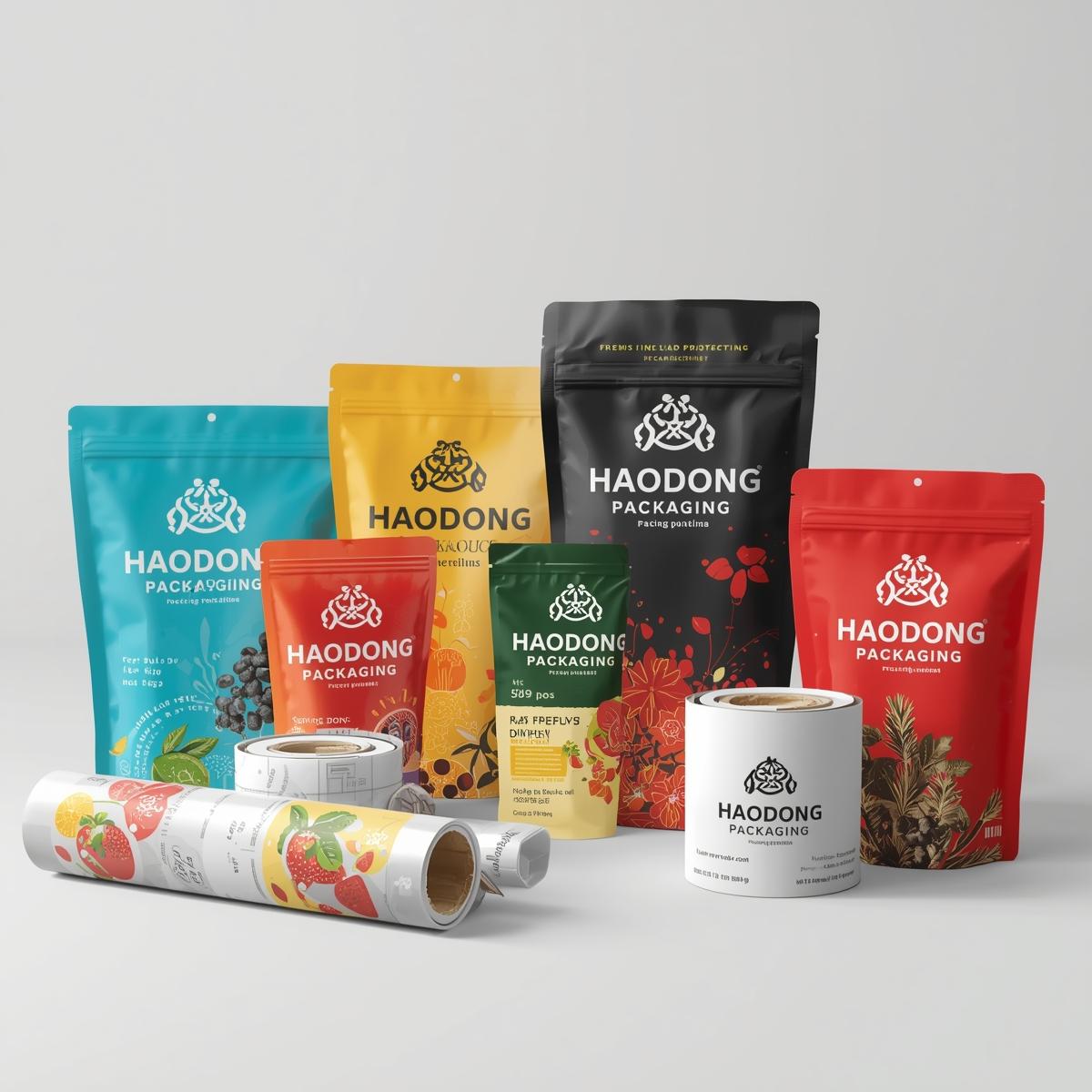
The selection of a durable plastic bag for food packaging directly influences product shelf life, consumer safety, and supply chain efficiency. Material durability in high-barrier heat-sealable plastic bag design determines how well the plastic bag withstands handling, temperature fluctuations, moisture exposure, and mechanical stress. Understanding the relationship between material composition and plastic bag performance is essential for manufacturers seeking reliable packaging solutions that protect contents while maintaining structural integrity throughout distribution and storage.
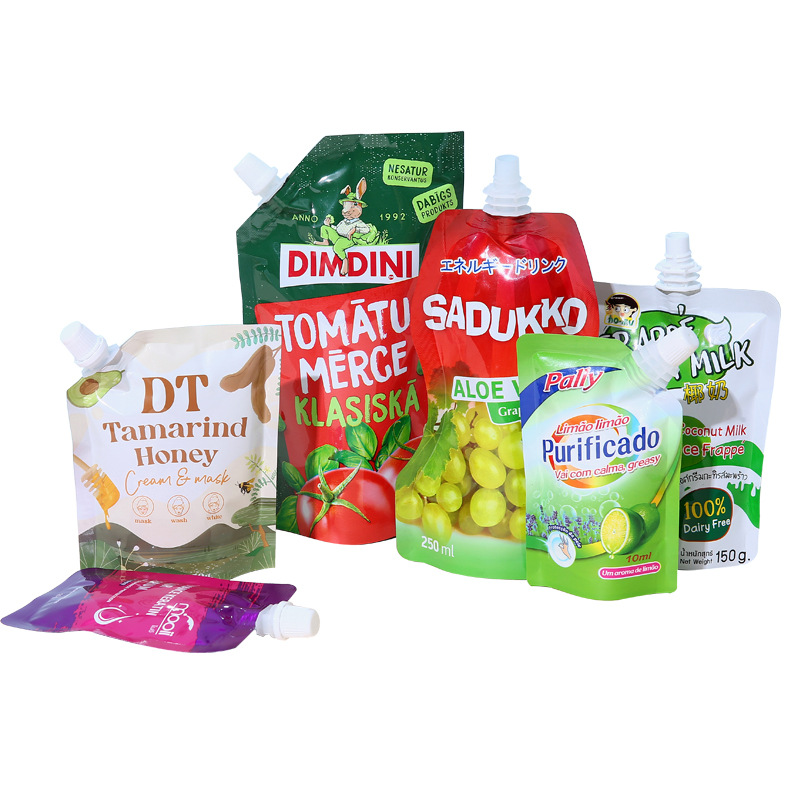
High-barrier heat-sealable plastic bag applications in frozen food, seafood, and specialty snack markets demand exceptional material durability because these products face extreme environmental conditions. A high-quality plastic bag must balance flexibility with strength, resist puncture damage, maintain seal integrity under temperature stress, and prevent moisture and oxygen transmission. The durability of your plastic bag investment directly translates to reduced waste, fewer customer complaints, and stronger brand reputation in competitive food packaging markets.
Material Composition and Durability Performance
Multi-Layer Film Technology in Plastic Bag Construction
The durability of a plastic bag depends critically on its multi-layer film structure. Modern high-barrier heat-sealable plastic bag designs typically incorporate three or more layers, each serving specific protective functions. The outer layer of your plastic bag provides puncture resistance and visual appeal, while intermediate layers create oxygen and moisture barriers that preserve product freshness. The inner seal layer enables the heat-sealable properties that bond the plastic bag closed during manufacturing, creating an airtight environment that extends shelf life significantly. Each layer within the plastic bag contributes measurably to overall durability, and weak links in this layered structure compromise the entire packaging solution.
Polymer Selection for Long-Term Plastic Bag Integrity
Polyethylene terephthalate (PET), polyamide (PA), and polyethylene (PE) represent the primary polymers used in durable plastic bag formulations. PET layers in a plastic bag provide exceptional clarity and barrier properties against oxygen transmission, making this polymer ideal for products requiring extended shelf life. PA layers enhance the mechanical strength and puncture resistance of your plastic bag, allowing it to withstand rough handling and sharp product edges common in frozen food scenarios. PE provides the heat-sealable properties and flexibility that define a practical plastic bag for commercial food packaging applications. The specific combination of these polymers within your plastic bag structure determines its resistance to embrittlement, environmental stress cracking, and thermal degradation over time.
Environmental Stress Factors Affecting Plastic Bag Durability
Temperature Cycling and Material Performance
Temperature fluctuations represent a primary durability challenge for heat-sealable plastic bag packaging in frozen food distribution. When a plastic bag transitions from freezer storage to warmer ambient conditions, the materials expand and contract at different rates, creating stress at layer interfaces and seal zones. Inadequate material selection leads to seal failure, brittleness, and micro-cracks within the plastic bag structure that compromise barrier integrity. High-quality plastic bag formulations use thermally stable polymer combinations that maintain flexibility and seal strength across the entire product lifecycle, from manufacturing through final consumer use. Testing your plastic bag under realistic temperature cycling conditions reveals whether material durability meets the demands of your specific distribution environment.
Mechanical Stress and Impact Resistance
The structural durability of a plastic bag during warehousing, transportation, and retail handling directly affects product loss and customer satisfaction. Dropping, compression, and sharp object contact create puncture risks that penetrate weak plastic bag structures, exposing contents to contamination and accelerating spoilage. Superior plastic bag materials incorporate PA layers that absorb impact energy without propagating tears, maintaining barrier integrity even under rough handling conditions. Thickness optimization within your plastic bag design balances material cost against durability requirements, ensuring sufficient protection without unnecessary bulk. Retailers and food processors increasingly specify plastic bag designs with proven impact resistance because failure rates directly correlate with product loss, replacement costs, and brand damage.
Advanced Barrier Technology and Long-Term Durability
Oxygen and Moisture Barrier Enhancement
Barrier durability in a plastic bag determines how effectively oxygen and moisture transmission are prevented throughout the product shelf life. High-barrier heat-sealable plastic bag designs employ EVOH (ethylene vinyl alcohol) or aluminum oxide coatings that create molecular-level barriers to gas permeation, dramatically extending the preservation window. Without these advanced barrier technologies, your plastic bag allows oxygen ingress that triggers oxidative degradation in fatty foods, discoloration in seafood, and microbial growth in temperature-sensitive products. The durability of these barrier layers depends on material quality, coating uniformity, and protection from environmental exposure during storage and handling. Specifying plastic bag materials with proven barrier performance ensures product integrity aligns with your quality standards and regulatory requirements.
Seal Zone Durability and Integrity Assurance
The heat-sealed edges of a plastic bag represent critical durability control points because seal integrity determines package integrity throughout distribution. Inadequate heat-sealable layer design, insufficient polymer flow during sealing, or poor material selection compromises plastic bag durability at precisely the point where product protection fails catastrophically. Premium plastic bag materials formulate PE seal layers with optimized melting characteristics that create strong molecular bonds without brittleness or delamination. Testing seal strength under temperature stress, humidity cycling, and mechanical tension validates whether your plastic bag material meets durability benchmarks for commercial food packaging. Seal durability failures in plastic bag applications trigger product recalls, customer complaints, and regulatory scrutiny that damage brand value and market confidence.
FAQ
What factors determine the durability of a plastic bag in high-barrier food packaging?
Durability in a plastic bag depends on multi-layer film composition, polymer selection, thickness optimization, barrier technology integration, and seal zone engineering. The combination of PET, PA, and PE layers creates a balanced plastic bag structure that resists puncture, maintains barrier integrity against oxygen and moisture, and preserves seal strength across temperature fluctuations. Material quality, manufacturing precision, and compliance with formulation specifications directly determine how long your plastic bag protects contents throughout its distribution lifecycle.
How does temperature cycling impact the durability of heat-sealable plastic bag materials?
Temperature cycling stresses the plastic bag structure because different polymer layers expand and contract at different rates, creating interfacial stress and seal vulnerability. High-quality plastic bag materials maintain flexibility and seal strength across temperature ranges encountered in frozen food distribution, preventing brittleness and micro-crack formation that compromise barrier function. Inferior plastic bag formulations become rigid in cold conditions and lose seal integrity during warm cycles, resulting in product exposure and accelerated spoilage.
Why is barrier technology essential for long-term plastic bag durability in specialty food applications?
Advanced barrier technologies like EVOH coatings dramatically extend shelf life by preventing oxygen and moisture transmission that would otherwise degrade product quality over time. Without these barrier enhancements in your plastic bag design, products face oxidative damage, microbial growth, and quality loss that reduce market value and trigger customer returns. The durability of barrier technology investments in plastic bag formulations translates directly to competitive advantages in shelf life claims, product quality reputation, and cost-per-serving value propositions.