
 EN
EN


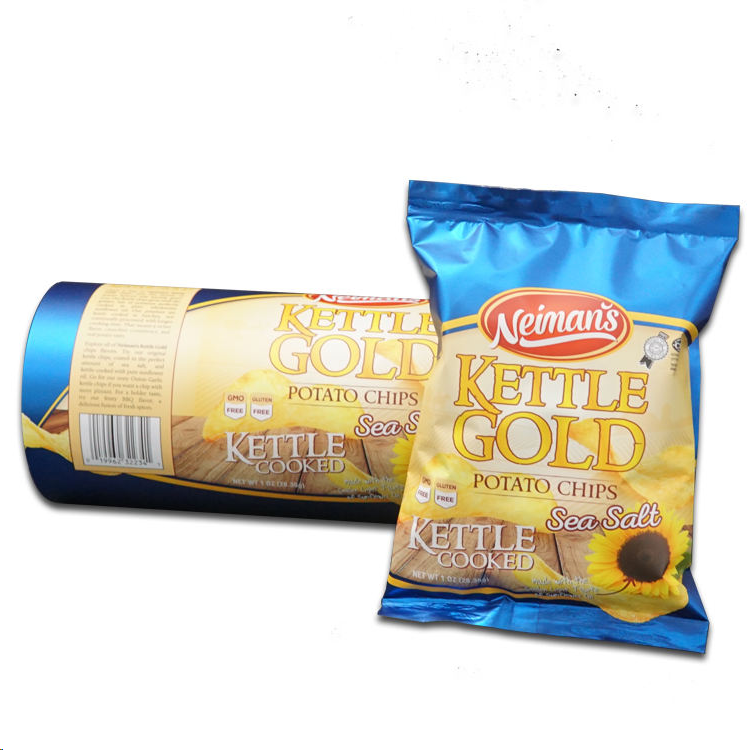
Modern food and consumer goods packaging relies on sophisticated engineering principles that transform raw materials into high-performance roll stock capable of withstanding complex automated packaging lines. The development of multi-layer flexible packaging roll stock represents one of the most critical innovations in industrial manufacturing, combining material science, mechanical engineering, and production efficiency into a single integrated system. Understanding the engineering behind roll stock is essential for manufacturers seeking to optimize their packaging operations while maintaining product quality and cost efficiency.
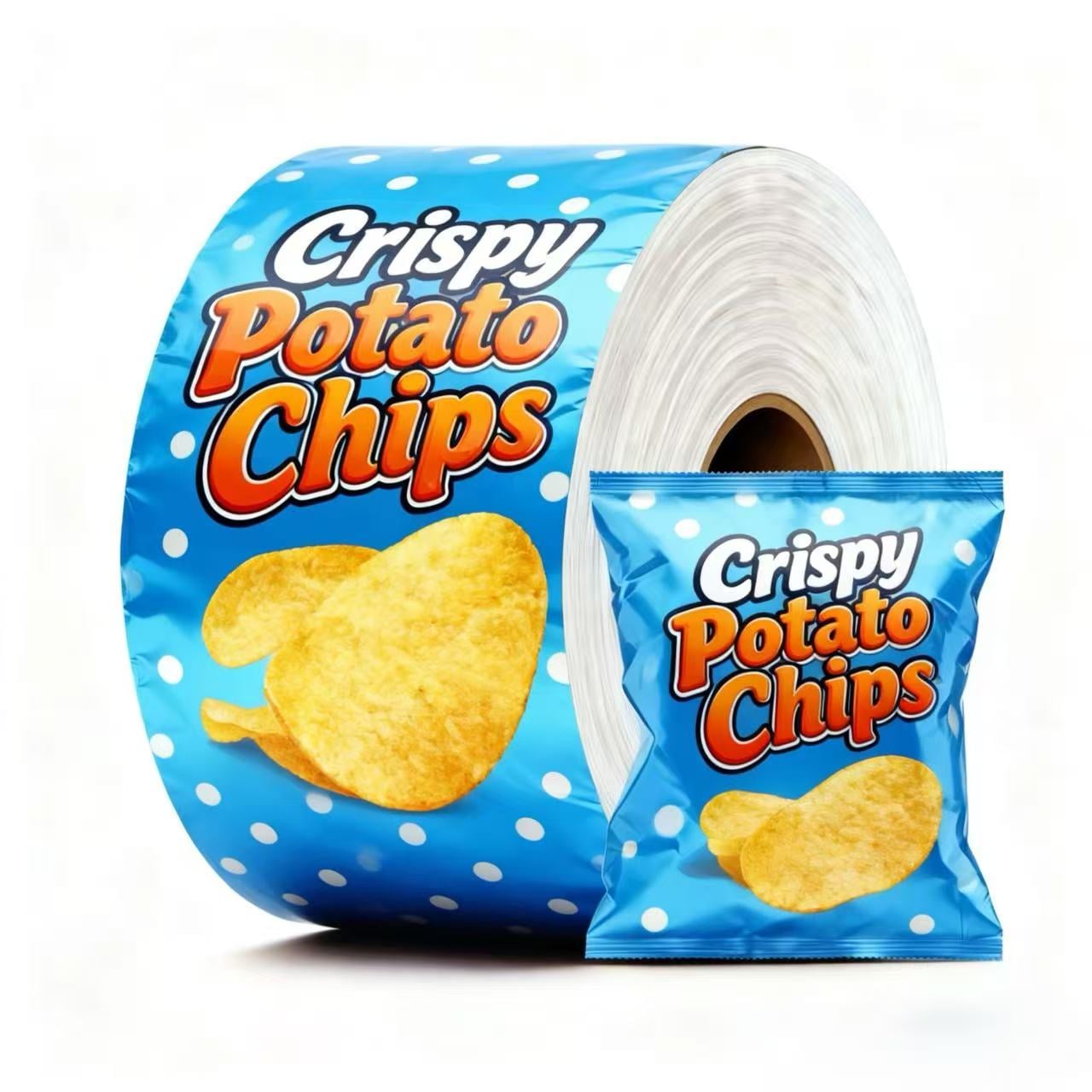
The industrial engineering behind roll stock involves precise layer composition, material selection, and production control that ensures consistent performance across millions of packages. Each component of multi-layer flexible packaging roll stock serves a distinct function, from structural integrity to barrier protection and aesthetic appeal. The engineering discipline required to produce reliable roll stock directly impacts packaging line efficiency, product shelf life, and overall operational costs for manufacturers in the food, pharmaceutical, and consumer goods sectors.
Material Science and Layer Configuration in Roll Stock
Understanding Multi-Layer Film Structure
The architecture of multi-layer flexible packaging roll stock begins with careful selection and sequencing of polymer materials, each chosen for specific functional properties. A typical roll stock configuration includes polyester for strength and dimensional stability, polypropylene for clarity and barrier properties, and adhesive layers that bond materials together without compromising performance. The engineering of roll stock requires precise thickness specifications for each layer, typically ranging from 12 to 75 microns per layer, with total film thickness between 50 and 200 microns depending on application requirements. This layered approach to roll stock design allows manufacturers to achieve superior barrier properties against oxygen, moisture, and light while maintaining flexibility and machinability on automated lines.
Barrier Properties and Performance Standards
Industrial engineering specifications for roll stock focus extensively on barrier performance metrics that directly affect product shelf life and market viability. Oxygen transmission rate and water vapor transmission rate are critical measurements that determine how effectively roll stock protects contents from degradation. The construction of roll stock with metallized or aluminum-coated layers provides exceptional barrier properties when engineered correctly, though this requires specialized manufacturing processes and quality control systems. High-performance roll stock engineered for sensitive products like coffee, nuts, and pharmaceuticals typically incorporates multiple barrier technologies within the film structure to ensure product integrity throughout the supply chain.
Manufacturing Processes and Production Engineering for Roll Stock
Extrusion and Lamination Technology
The production of multi-layer flexible packaging roll stock depends on advanced extrusion and lamination technologies that combine precision engineering with high-speed manufacturing capabilities. Modern roll stock production facilities use co-extrusion lines that simultaneously extrude multiple polymer layers, creating perfectly bonded structures with controlled thickness and uniformity. The engineering of roll stock production requires precise temperature management, pressure regulation, and cooling systems that ensure each layer bonds properly without introducing defects or weak points. Roll stock manufacturers employ real-time thickness monitoring and quality verification systems throughout production to maintain strict specifications and eliminate batch failures that could disrupt customer packaging operations.
Printing and Converting Operations
The conversion of raw roll stock into finished packaging materials involves sophisticated printing and die-cutting processes that demand precise engineering alignment and quality control. Roll stock printing technology includes rotogravure and flexographic systems capable of applying high-resolution graphics while maintaining barrier integrity and adhesion properties. The engineering of roll stock handling systems must account for film tension, web tracking, and static electricity management to prevent wrinkles, misalignment, or contamination during printing and conversion. Advanced roll stock converters employ servo-driven equipment and computer vision systems to detect and correct variations in real-time, ensuring that finished packages meet dimensional, print quality, and structural specifications consistently.
Performance Optimization and Automated Packaging Integration
Mechanical Properties and Line Compatibility
The industrial engineering of roll stock must account for numerous mechanical properties that determine compatibility with automated packaging equipment operating at high speeds. Tensile strength, elongation, and tear resistance of roll stock are carefully engineered to withstand forming, sealing, and handling stresses without rupture or delamination during packaging operations. Roll stock engineered for form-fill-seal machines requires specific characteristics including controlled shrinkage, consistent heat-seal strength across the web, and predictable machine direction versus cross-direction properties. The engineering of roll stock for horizontal flow wrappers, vertical form-fill-seal equipment, or pouch-making machines demands different specifications, making material customization and process control essential components of industrial roll stock production.
Sealing Performance and Product Protection
Heat-seal technology represents a critical interface between roll stock material properties and packaging equipment performance, requiring careful engineering of film composition and seal-layer selection. Roll stock engineered for high-speed sealing applications must balance optimal seal-layer melt characteristics with overall film stiffness and barrier properties, a balance achieved through precise layer thickness and material composition control. The engineering of roll stock seal-layers involves selecting polymers with appropriate melt temperatures, flow rates, and adhesion properties that create strong, consistent seals without tearing the substrate materials. Industrial testing of roll stock includes pressure decay measurements, peel strength testing, and accelerated aging trials that verify seal integrity under storage and distribution conditions.
FAQ
What manufacturing challenges exist in producing multi-layer flexible packaging roll stock?
Manufacturing roll stock presents significant engineering challenges including maintaining precise layer thickness uniformity across rolls that may measure several kilometers in length, preventing delamination during high-speed production and downstream conversion, managing temperature and pressure profiles across multiple extrusion or lamination stations, and achieving consistent barrier properties when incorporating specialty materials like metallized films or high-barrier polymers. The production of roll stock also requires sophisticated quality control systems capable of detecting microscopic defects, measuring thickness variations within microns, and verifying barrier properties without destroying samples. Environmental control, waste management, and cost optimization add further complexity to roll stock manufacturing operations.
How does roll stock engineering differ between food packaging and pharmaceutical applications?
Roll stock for pharmaceutical applications typically requires significantly higher barrier properties, more stringent contamination control during manufacturing, and enhanced print registration accuracy compared to food packaging roll stock. Pharmaceutical roll stock often incorporates specialized barrier materials and may require specific FDA or regulatory compliance certifications, whereas food-grade roll stock prioritizes performance at lower cost points. The engineering of roll stock for moisture-sensitive pharmaceuticals demands superior water vapor barrier properties, frequently achieved through more extensive multi-layer structures or specialized coating technologies, while food-packaging roll stock more often emphasizes oxygen barrier and mechanical performance within budget constraints.
What quality parameters are critical for ensuring roll stock performance in automated packaging lines?
Critical quality parameters for roll stock include thickness uniformity measured across the roll width and length, tensile strength and elongation characteristics that ensure web stability during high-speed processing, heat-seal strength verified through peel testing, barrier properties documented through oxygen and moisture transmission rate measurements, and dimensional stability under temperature variation during storage and use. Roll stock quality also requires verification of print adhesion, absence of blocking or sticking between wound layers, consistent electrostatic properties that prevent dust attraction, and free from visible defects such as pinholes, scratches, or contamination particles. Regular third-party testing of roll stock samples ensures that specifications remain consistent and that packaging lines experience minimal downtime due to material-related failures.