
 EN
EN


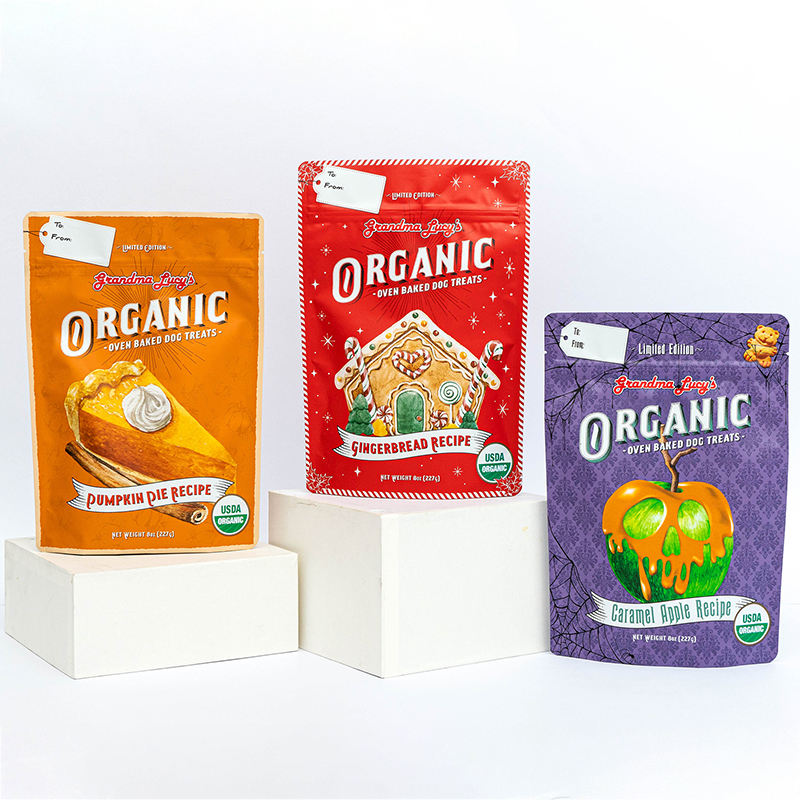
Customizing your logistics strategy with the right food bag solutions can fundamentally transform how your business handles product protection, brand visibility, and supply chain efficiency. In today's competitive market, selecting a food bag that aligns with your specific operational needs and branding goals is no longer optional—it's essential. A food bag factory direct partnership gives you the control to design packaging that meets your exact specifications while reducing costs and lead times significantly.
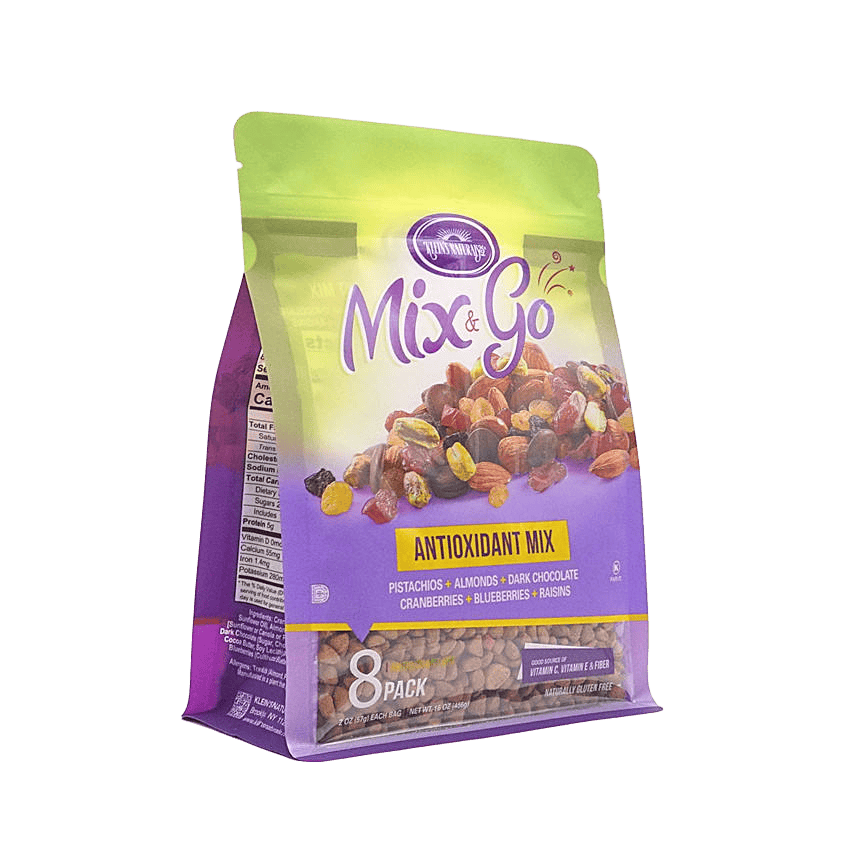
Working directly with a food bag factory eliminates middlemen, giving you access to lower per-unit pricing and the ability to implement custom designs without compromise. Whether you need specialized barrier properties, unique size dimensions, or branded printing that reflects your company identity, a food bag factory direct model empowers you to optimize every aspect of your packaging. This approach transforms your food bag strategy from a cost center into a competitive advantage.
Understanding Food Bag Customization for Logistics
Why Direct Factory Partnership Matters
A food bag factory direct relationship fundamentally changes how you approach packaging logistics. Instead of selecting from standard inventory options, you gain the ability to specify material composition, thickness, closure mechanisms, and dimensions precisely aligned with your product requirements. This level of control ensures that each food bag serves your exact operational needs, from shelf stability to handling conditions during transport.
Direct factory partnerships also accelerate your time to market. When you work with a food bag factory that understands your business, they can implement design changes rapidly and provide realistic lead time estimates based on your actual volume commitments. This responsiveness reduces inventory risk and allows you to respond quickly to market demands or seasonal fluctuations.
Key Customization Parameters
When partnering with a food bag factory direct supplier, several critical parameters drive your customization strategy. Material selection determines barrier properties—whether you need moisture protection, oxygen barrier, or UV protection depends on your specific product type. Size optimization ensures your food bag accommodates your product volume while minimizing wasted space, which directly impacts shipping costs and storage efficiency.
Closure technology represents another essential customization area. Your food bag might require a resealable zipper for consumer convenience, a heat-seal edge for professional applications, or a stand-up bottom for retail shelf placement. Each choice reflects logistics and end-user needs. Printing options—including full-color graphics, nutritional information, and QR codes—transform your food bag into a marketing tool that reinforces brand identity throughout the supply chain.
Optimizing Supply Chain Efficiency Through Custom Food Bag Solutions
Reducing Logistics Costs
One of the most compelling reasons to customize your food bag through a factory direct model is cost reduction across your entire supply chain. When you eliminate distributor markups and work directly with the producer, your per-unit food bag cost drops significantly. A food bag factory direct arrangement also allows you to optimize dimensions and materials specifically for your product, eliminating oversized packaging that inflates shipping costs.
A custom-sized food bag designed for your exact product requirements means fewer damaged units during transport, reducing replacement costs and returns processing. Lighter materials that still meet performance standards lower freight charges per shipment. When you consider volume, a food bag factory partnership that delivers exactly what you need—no more, no less—compounds these savings across thousands of units annually.
Streamlining Inventory Management
Customizing your food bag strategy simplifies inventory management throughout your logistics network. Rather than maintaining multiple SKUs of standard packaging, a food bag factory direct supplier can produce tailored solutions that cover your entire product range with fewer total SKUs. This consolidation reduces warehouse space requirements, lowers inventory carrying costs, and minimizes the complexity of packaging specification management.
When your food bag specifications match your product needs precisely, you eliminate the awkward fit of oversized packaging or the quality issues created by undersized options. This alignment means faster picking and packing operations, fewer handling errors, and reduced damage claims. Your team spends less time managing packaging variations and more time focusing on core logistics operations.
Implementation Strategy for Food Bag Factory Direct Partnerships
Evaluation and Selection Process
Establishing a successful food bag factory direct relationship begins with clearly defining your current packaging challenges and desired outcomes. Document your product specifications, volume requirements, performance needs, and visual branding requirements. A food bag factory partner should conduct a comprehensive audit of your existing packaging, identifying opportunities for material optimization, cost reduction, and performance enhancement.
Request sample production runs to validate that the food bag meets your quality standards, handling requirements, and visual specifications. Test the food bag under actual shipping and storage conditions to ensure it performs as expected. This validation phase prevents costly mistakes and ensures your food bag factory partnership delivers measurable improvements from day one.
Ongoing Optimization and Scaling
Once your food bag solution is operational, establish regular review cycles with your factory partner to identify continuous improvement opportunities. Market changes, product innovations, or cost pressures may create opportunities to refine your food bag specifications. A food bag factory that commits to long-term partnership will actively suggest enhancements that improve your competitive position.
As your business grows, your food bag requirements will evolve. A direct factory relationship allows you to scale production efficiently without renegotiating terms or changing suppliers. Whether you need to increase volumes, expand your product line, or adapt to new regulatory requirements, your food bag factory partner provides the flexibility and responsiveness that ensures your logistics strategy remains optimized throughout your growth trajectory.
FAQ
What makes a food bag factory direct partnership better than using a distributor?
Direct partnerships eliminate distributor markups, giving you significantly lower per-unit pricing on your food bag orders. More importantly, you gain direct access to the engineering team responsible for your food bag production. This means faster design changes, customization options tailored to your specific needs, and the ability to implement improvements without navigating multiple intermediaries. You also receive transparent communication about production timelines and the ability to negotiate terms based on your actual volume commitments.
How long does it typically take to develop a custom food bag solution?
Timeline for a custom food bag depends on the complexity of your specifications and the factory's current production schedule. Basic customization like size adjustment or simple branding typically requires four to eight weeks from initial concept to production samples. More complex specifications involving material innovations or specialized barrier properties may require ten to twelve weeks. Your food bag factory partner can provide a realistic timeline during the initial consultation, factoring in sample approval cycles and any necessary engineering modifications.
What if my product requirements change after ordering a food bag?
A food bag factory direct partnership provides flexibility to adapt your specifications as your business evolves. Whether you need to adjust dimensions, modify materials, update branding, or respond to market feedback, your factory partner can implement these changes more readily than traditional suppliers. The key is maintaining open communication and providing advance notice of anticipated changes, allowing your food bag factory to plan production adjustments efficiently without disrupting your supply chain.