
 EN
EN


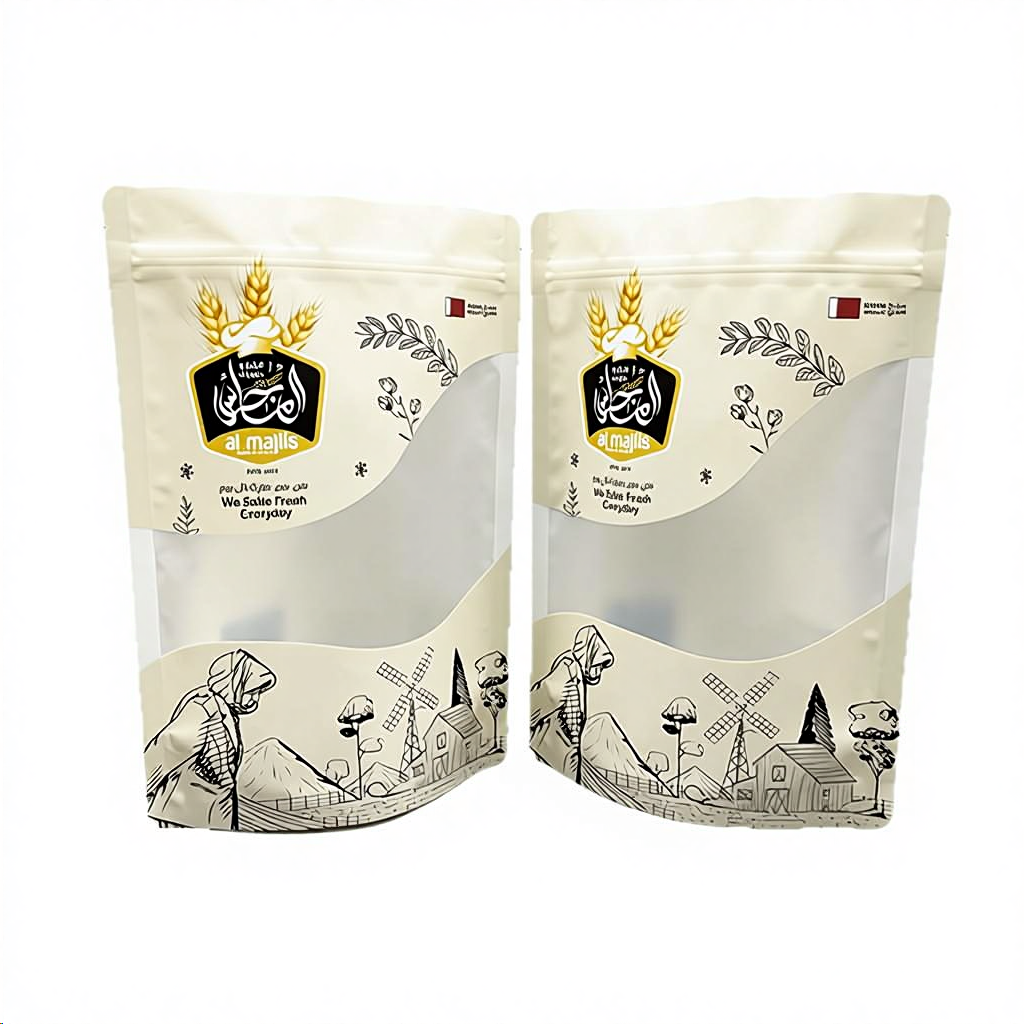
Selecting the right bulk food bag supplier is a strategic decision that directly impacts your product quality, shelf life, and brand reputation. A reliable food bag supplier ensures your packaged goods remain protected from moisture, oxygen, and contamination throughout distribution and storage. The performance of your food bag packaging depends heavily on the supplier's expertise in lamination technology, material sourcing, and quality control processes. This comprehensive review examines the critical evaluation criteria you need to assess any potential bulk food bag supplier before committing to a long-term partnership.

A food bag supplier's ability to deliver consistent, high-barrier protection directly affects your product's viability in competitive markets. When evaluating a bulk food bag supplier, you must examine whether their lamination processes meet your specific barrier requirements, production capacity aligns with your volume demands, and their quality assurance protocols prevent defects. The cost structure of your food bag supplier should reflect fair pricing without compromising material integrity or production standards. Understanding these evaluation dimensions helps you avoid costly supply chain disruptions and product failures that could damage customer trust.
Barrier Performance and Lamination Technology
Evaluating Moisture and Oxygen Barrier Capabilities
The barrier properties of a food bag are determined by the lamination structure and material composition supplied by your vendor. A quality food bag supplier should offer metalized or coated laminations that provide oxygen transmission rates below industry standards for your product category. High-barrier food bag solutions typically combine aluminum foil, BOPP, CPP, and PE layers to create multi-functional protection against light, moisture, and gas exchange. Your food bag supplier must provide technical documentation, barrier test results, and performance specifications that match your product's shelf-life requirements. Request accelerated aging tests and moisture vapor transmission data to confirm that the food bag supplier's materials can protect your goods under realistic storage and transportation conditions.
Material Quality and Lamination Consistency
The lamination process directly influences whether your food bag will maintain integrity throughout its lifecycle. A reliable food bag supplier must demonstrate consistent adhesive bond strength, uniform coating thickness, and defect-free lamination across all production runs. The best food bag suppliers invest in automated quality control systems, optical inspection equipment, and statistical process monitoring to ensure batch-to-batch consistency. Lamination defects such as delamination, pinholes, or weak seals can compromise the entire food bag batch and expose your products to contamination. When vetting a food bag supplier, request samples from multiple production lots and conduct tensile strength, peel strength, and burst strength testing to verify material durability.
Production Capacity and Supply Chain Reliability
Volume Flexibility and Lead Time Commitments
Your food bag supplier must have adequate capacity to handle your bulk orders without compromising quality or extending lead times excessively. A scalable food bag supplier should accommodate seasonal demand fluctuations, support emergency reorders, and provide clear visibility into production schedules. Evaluate whether your food bag supplier uses advanced scheduling systems and maintains safety stock buffers to prevent stockouts that could disrupt your operations. The reliability of your food bag supplier depends on their ability to commit to delivery dates consistently and adjust volume within reasonable parameters. Clarify penalty clauses, minimum order quantities, and lead time windows with your food bag supplier to establish realistic expectations from the outset.
Manufacturing Certifications and Process Standards
A credible food bag supplier should maintain relevant certifications such as ISO 9001, ISO 22000, or FDA compliance for food contact materials. Food safety certifications indicate that your food bag supplier follows documented procedures, conducts regular audits, and implements corrective actions when issues arise. Your food bag supplier's adherence to HACCP principles and traceability requirements reduces legal risk and demonstrates commitment to food safety standards. The best food bag suppliers openly share their third-party audit reports and allow customer facility visits to verify compliance claims. Request documentation showing that raw materials used in your food bag production meet food-grade specifications and originate from vetted suppliers with clean compliance records.
Cost Structure and Value Proposition
Transparent Pricing and Hidden Cost Avoidance
A reputable food bag supplier should provide detailed, itemized quotes that separate material costs, lamination charges, printing fees, and delivery expenses. Transparent pricing from your food bag supplier prevents unexpected surcharges and enables accurate cost budgeting for your product line. Avoid food bag suppliers who quote vague all-inclusive rates or refuse to break down cost components, as this often masks low-quality corners being cut. Currency fluctuations and raw material volatility should be addressed in your contract with your food bag supplier through cost escalation clauses or fixed-price guarantees. The initial unit price of a food bag is only one factor; consider total cost of ownership including waste rates, rejects, and customer satisfaction impacts resulting from supplier performance.
Customization Capabilities and Technical Support
Your food bag supplier should offer customization options including size variations, color printing, functional features such as zipper seals or resealability, and special material requests. The value proposition of a food bag supplier extends beyond standard inventory items to include innovation support and collaborative product development. Technical expertise from your food bag supplier enables you to solve packaging challenges, optimize material usage, and achieve cost reductions through design refinement. A food bag supplier committed to long-term partnership should assign dedicated account managers who understand your business objectives and market position. Evaluate whether your food bag supplier provides free design consultation, sample development, or small trial batches to support your evaluation process.
Quality Assurance and Regulatory Compliance
Testing Protocols and Defect Management
Robust quality assurance from your food bag supplier involves incoming material inspection, in-process monitoring, and final product testing before shipment. Your food bag supplier should operate under clearly defined acceptance criteria, including visual inspection standards, dimension tolerances, and seal strength minimums. Statistical sampling programs and accelerated life testing should be routine practices at your food bag supplier's facility. When defects occur, your food bag supplier must have documented procedures for root cause analysis, corrective action, and customer communication. Verify that your food bag supplier maintains traceability records enabling rapid identification and isolation of affected batches if quality issues arise post-delivery.
Traceability and Regulatory Documentation
Your food bag supplier should provide certificates of analysis, material safety data sheets, and compliance attestations for all components used in your food bag production. Regulatory requirements for food-contact materials vary by country and product type, so your food bag supplier must understand requirements specific to your target markets. The ability of your food bag supplier to furnish testing reports confirming migration limits, heavy metal content, and microbiological safety gives you confidence in product integrity. Full batch traceability enables your food bag supplier to respond quickly to recalls or quality investigations. Request that your food bag supplier maintain documentation for at least five years to support any compliance audits or customer inquiries related to your purchases.
FAQ
What should I prioritize when comparing multiple food bag suppliers?
Start by confirming that each food bag supplier can meet your barrier performance requirements and volume commitments. Request samples from each food bag supplier and conduct side-by-side testing to compare lamination quality, seal integrity, and barrier properties. Verify certifications, review financial stability indicators, and evaluate technical support capabilities before making your final selection. A food bag supplier offering the lowest price often compromises on material quality or consistency, so balance cost considerations with reliability metrics. Schedule facility visits with your top food bag candidates to assess manufacturing capabilities firsthand and build confidence in your partnership.
How often should I audit my food bag supplier's performance?
Conduct formal performance reviews with your food bag supplier quarterly, evaluating metrics such as on-time delivery, defect rates, and customer complaint response times. Schedule annual facility audits to verify your food bag supplier maintains consistent quality standards and completes necessary certifications. When your food bag supplier introduces new equipment or process changes, request validation data confirming that product quality remains unaffected. Informal communication channels with your food bag supplier's account team should remain open for addressing urgent issues or emerging concerns. Document all interactions and performance data to support contract renewal negotiations and demonstrate value from your food bag supplier relationship.
What contractual terms should I establish with a food bag supplier?
Your agreement with your food bag supplier should specify minimum order quantities, lead time windows, and escalation procedures for handling supply disruptions. Include clear performance standards covering defect rates, on-time delivery percentages, and response time commitments from your food bag supplier. Establish pricing terms, payment conditions, and any cost adjustment mechanisms reflecting raw material market volatility affecting your food bag costs. Define intellectual property rights and confidentiality obligations to protect your custom food bag designs and product specifications. Include termination clauses that give you reasonable notice periods and specify how your food bag supplier handles inventory and work-in-progress if the relationship ends.