
 EN
EN


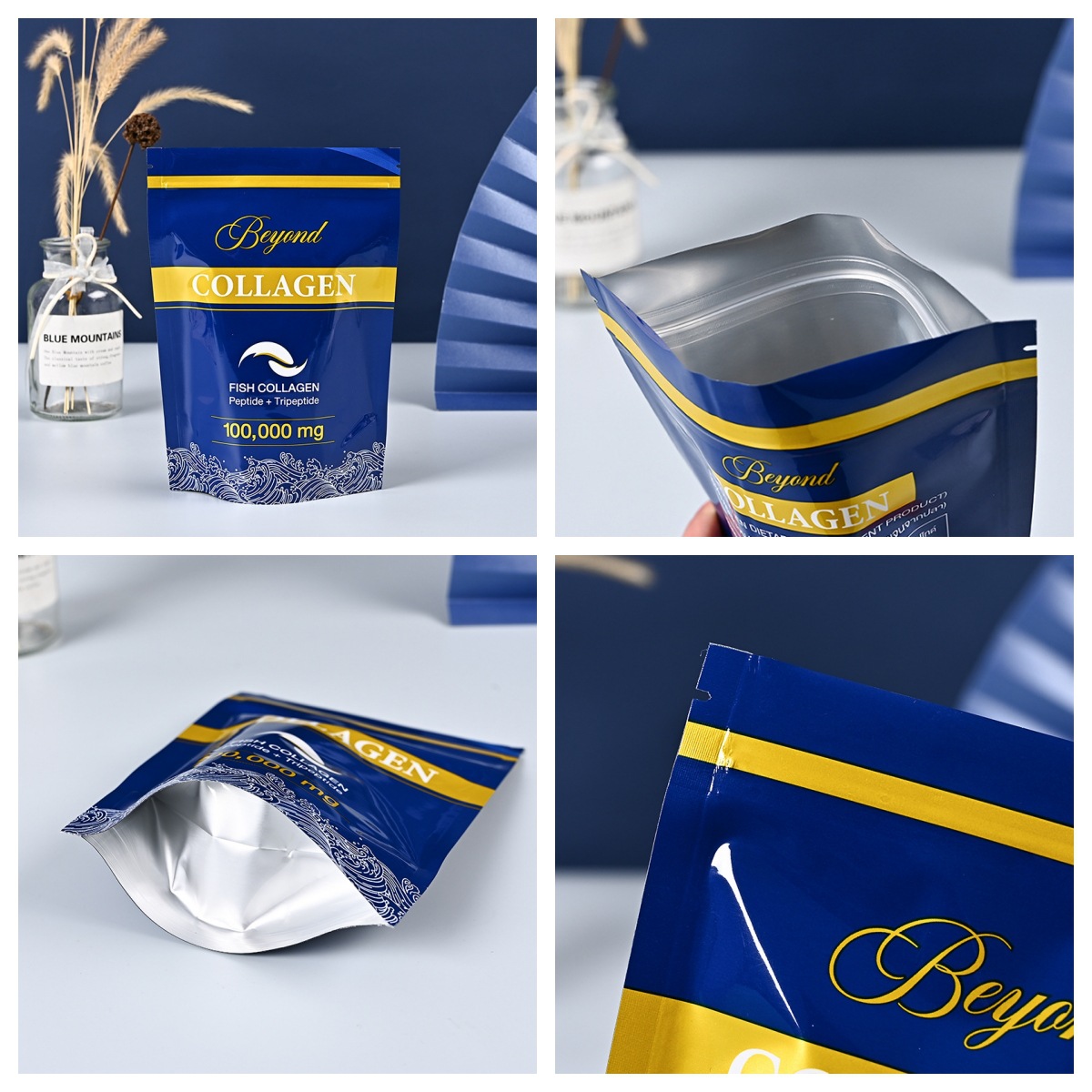
A doypack represents one of the most advanced flexible packaging solutions in the food industry today. Understanding the barrier specifications for food-grade laminated doypack pouches is essential for manufacturers seeking to maintain product quality, extend shelf life, and meet regulatory compliance standards. Barrier performance directly impacts how well your product remains protected from oxygen, moisture, light, and external contaminants throughout its entire distribution cycle.
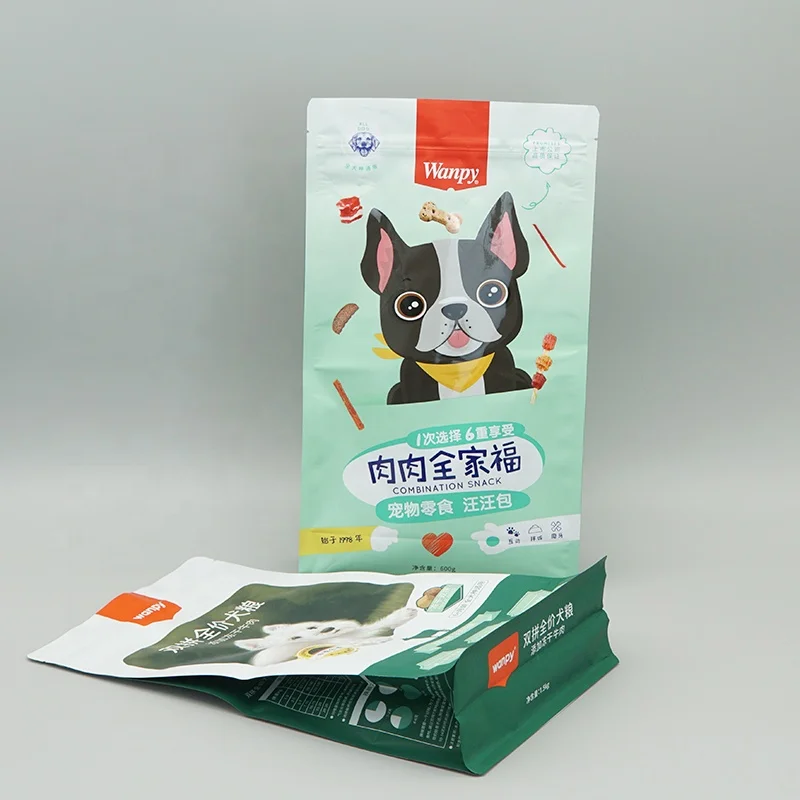
Food manufacturers depend on doypack barrier properties to preserve nutritional content, color, flavor, and safety. The laminated structure of a doypack creates multiple layers that work together to block harmful environmental factors. Each layer in a doypack serves a specific function, from providing structural integrity to creating impermeability. This article explains the critical barrier specifications you need to evaluate when selecting or designing food-grade laminated doypack pouches for your products.
Oxygen Barrier Requirements for Doypack Pouches
Understanding Oxygen Transmission Rates in Doypack Design
The oxygen barrier is perhaps the most crucial specification for a food-grade laminated doypack. Oxygen transmission rate, measured in cubic centimeters per square meter per day (cc/m²/day), determines how quickly oxygen penetrates the doypack material. Most food products require oxygen transmission rates below 10 cc/m²/day to maintain quality beyond a few months. Premium doypack formulations often achieve rates below 1 cc/m²/day, making them suitable for extended shelf life applications.
The oxygen barrier in a doypack is typically provided by aluminum foil or specialized EVOH layers within the laminate stack. When evaluating a doypack for oxygen protection, verify that the aluminum foil thickness meets industry standards, usually 9 to 12 microns for food applications. A doypack with insufficient aluminum content will allow oxidation of fats, rancidity development, and color degradation in sensitive products like snacks, spices, and dried foods.
Practical Oxygen Protection Across Product Categories
Different food categories require different oxygen barrier levels from a doypack pouch. Dry goods such as nuts, coffee, and pet food typically need a doypack barrier achieving 2 to 5 cc/m²/day. Frozen products and products with high fat content benefit from doypack designs maintaining below 1 cc/m²/day to prevent lipid oxidation and quality loss. When selecting a doypack for your specific product, work with your supplier to define the oxygen barrier specification that matches your shelf life target and product composition.
Moisture Barrier Specifications in Laminated Doypack Construction
Water Vapor Transmission Rates and Product Protection
Moisture barrier performance is equally critical as oxygen protection in a food-grade laminated doypack. Water vapor transmission rate, measured in grams per square meter per day (g/m²/day), defines how much moisture can pass through the doypack material over time. Most food applications require doypack moisture barriers limiting transmission to less than 0.5 g/m²/day, though some sensitive products demand even tighter specifications below 0.1 g/m²/day.
The moisture barrier in a doypack comes from the combination of plastic films and the aluminum foil layer. Polyester films provide secondary moisture defense, while the aluminum foil in the doypack acts as the primary barrier layer. When moisture penetrates a doypack insufficiently protected, hygroscopic food products absorb water, leading to clumping, caking, texture changes, and microbial growth. Pet foods, powdered supplements, and instant products are particularly vulnerable and require premium doypack moisture specifications.
Humidity Control and Environmental Resistance
A doypack must withstand variable humidity environments without compromising its barrier integrity. High-humidity storage conditions challenge the seal integrity and laminate adhesion of a doypack. Quality food-grade laminated doypack pouches maintain their moisture barriers even when stored in environments exceeding 80% relative humidity. Testing doypack moisture performance under accelerated conditions, such as elevated temperature and humidity exposure, reveals whether the laminate will maintain protection during typical distribution scenarios.
Light Barrier and Structural Integrity in Doypack Specifications
UV and Light Protection Performance
Light barrier capability is a critical but often underestimated specification for a food-grade laminated doypack. Ultraviolet and visible light exposure causes photodegradation of sensitive components in oils, vitamins, colors, and flavor compounds. A doypack with aluminum foil effectively blocks nearly all visible and ultraviolet light, protecting light-sensitive products throughout retail shelf and home storage periods. Opaque white or metalized films in a doypack provide additional light protection layers beyond the aluminum core.
When selecting a doypack for products vulnerable to light damage, verify the light transmission specification is below 1% across the visible spectrum. Products like pet food with added vitamins, plant-based powders, and nutritional supplements demand doypack pouches with superior light barriers. The aluminum foil gauge in the doypack directly correlates with light blocking ability, so higher foil thickness means better light protection and longer maintained product quality.
Mechanical Strength and Laminate Adhesion
Beyond permeability barriers, a food-grade laminated doypack must maintain structural integrity during handling, transport, and consumer use. The adhesion between laminate layers in a doypack determines whether the structure survives drops, compression, and temperature extremes. Peel strength testing measures the force required to separate laminate layers in a doypack sample. Most food-grade doypack specifications require peel strength above 1.0 N/15mm, ensuring the laminate remains bonded even under stress conditions.
Puncture resistance and tear propagation are additional mechanical specifications critical to doypack performance. A doypack that tears easily during handling exposes contents to contamination and defeats the barrier advantage. Superior doypack materials use oriented polyester and polypropylene films that resist punctures while remaining flexible. The combination of barrier properties and mechanical strength makes a doypack the preferred choice for demanding food applications requiring both preservation and durability.
Regulatory Compliance and Material Safety Standards
Food Contact Material Certification Requirements
A food-grade laminated doypack must comply with stringent regulatory frameworks governing food contact materials. In the European Union, doypack materials must meet Framework Regulation (EC) 1935/2004 and specific regulations for plastic materials. In the United States, a doypack pouch must comply with FDA regulations in 21 CFR Part 177 governing plastic resins and 21 CFR Part 176 governing adhesives used in laminate construction. Each doypack layer and adhesive requires individual compliance verification and documentation.
Migration testing validates that a doypack does not leach harmful substances into food products. Aluminum foil in a doypack undergoes specific migration testing under different conditions simulating acidic, fatty, and aqueous food contact. A compliant food-grade doypack includes technical documentation confirming the overall migration limit does not exceed 10 mg/dm² and specific migration of individual substances remains within regulatory thresholds. These specifications ensure your doypack pouches protect both product quality and consumer safety.
Documentation and Traceability for Doypack Sourcing
Responsible sourcing of a food-grade laminated doypack requires documented compliance evidence from suppliers. Reputable doypack manufacturers provide certificates of compliance, material safety data sheets, and test reports confirming barrier performance. When specifying a doypack, request documentation including oxygen barrier measurements, moisture barrier data, and food contact material certifications. This documentation protects your brand and ensures your doypack meets all regulatory requirements across intended distribution markets.
FAQ
What oxygen barrier level should my doypack achieve for shelf-stable pet food?
Pet food products typically require a doypack achieving oxygen transmission rates between 2 and 5 cc/m²/day for 12 to 24 month shelf life. If your product contains added oils or animal fats prone to oxidation, specify a doypack barrier below 2 cc/m²/day. Premium doypack designs with 12 micron aluminum foil easily meet these specifications while maintaining cost-effectiveness.
How does aluminum foil thickness in a doypack affect both barrier and cost?
Aluminum foil thickness in a doypack typically ranges from 9 to 12 microns, with thicker gauges providing superior barriers but increasing material costs. A doypack with 9 micron aluminum suits most food applications, while 12 micron doypack designs serve premium or extended shelf-life products. Work with your supplier to identify the minimum thickness doypack that meets your specific barrier requirements, balancing protection and economics.
Are there specific doypack moisture barrier requirements for humid climates?
Products destined for humid tropical markets benefit from premium doypack moisture specifications below 0.3 g/m²/day compared to standard doypack pouches at 0.5 g/m²/day. The enhanced doypack barrier prevents moisture absorption in high-humidity storage environments. Consider specifying a doypack with silica desiccant options if your product is particularly hygroscopic or if storage conditions routinely exceed 75% relative humidity.