
 EN
EN


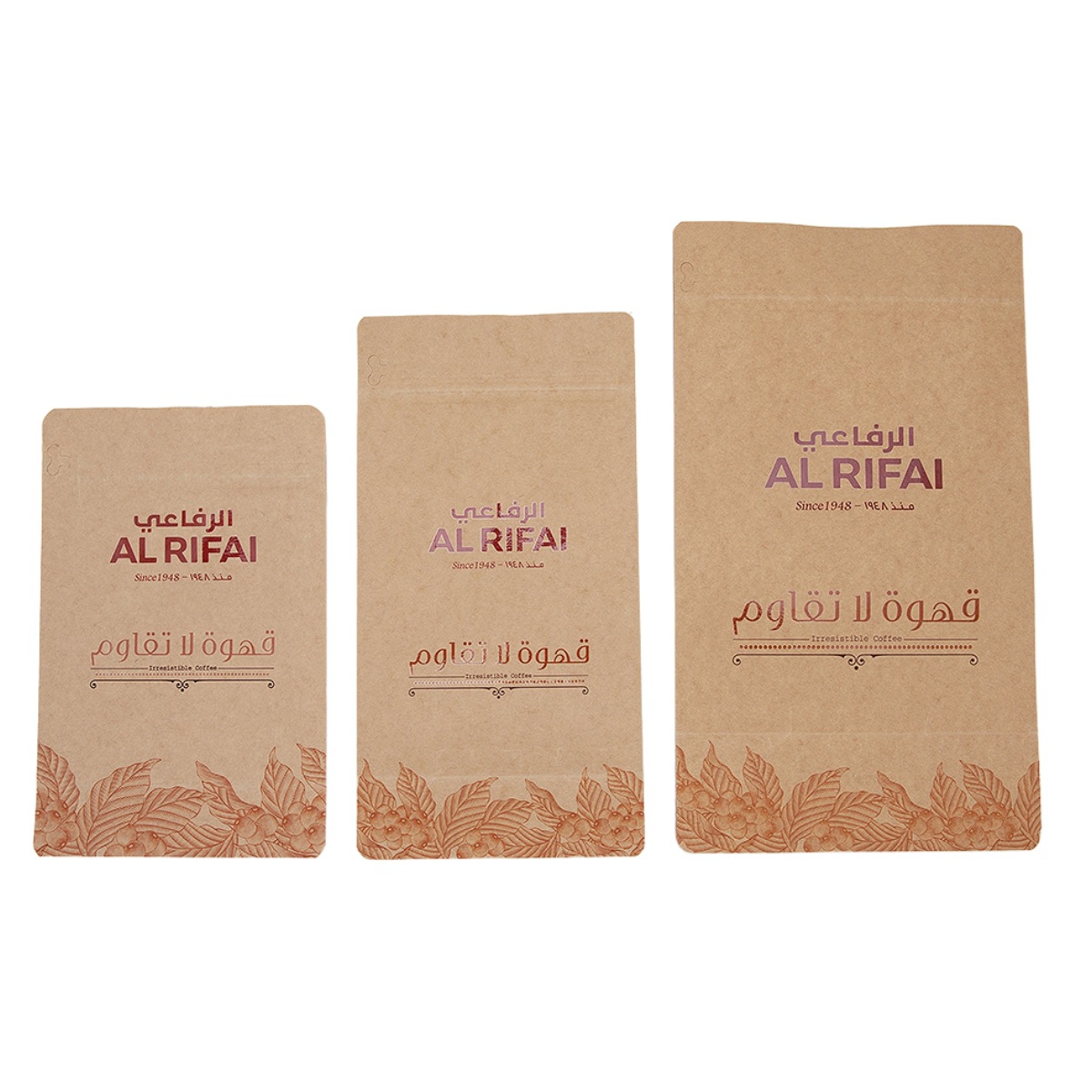
When consumers reach for grocery bags at checkout, they often wonder whether kraft paper bags can handle the weight of their heavy purchases. The strength and durability of kraft paper bags have become increasingly important as more shoppers choose eco-friendly packaging options over plastic alternatives. Understanding the structural capabilities of these brown paper carriers helps both retailers and consumers make informed decisions about their grocery packaging needs.
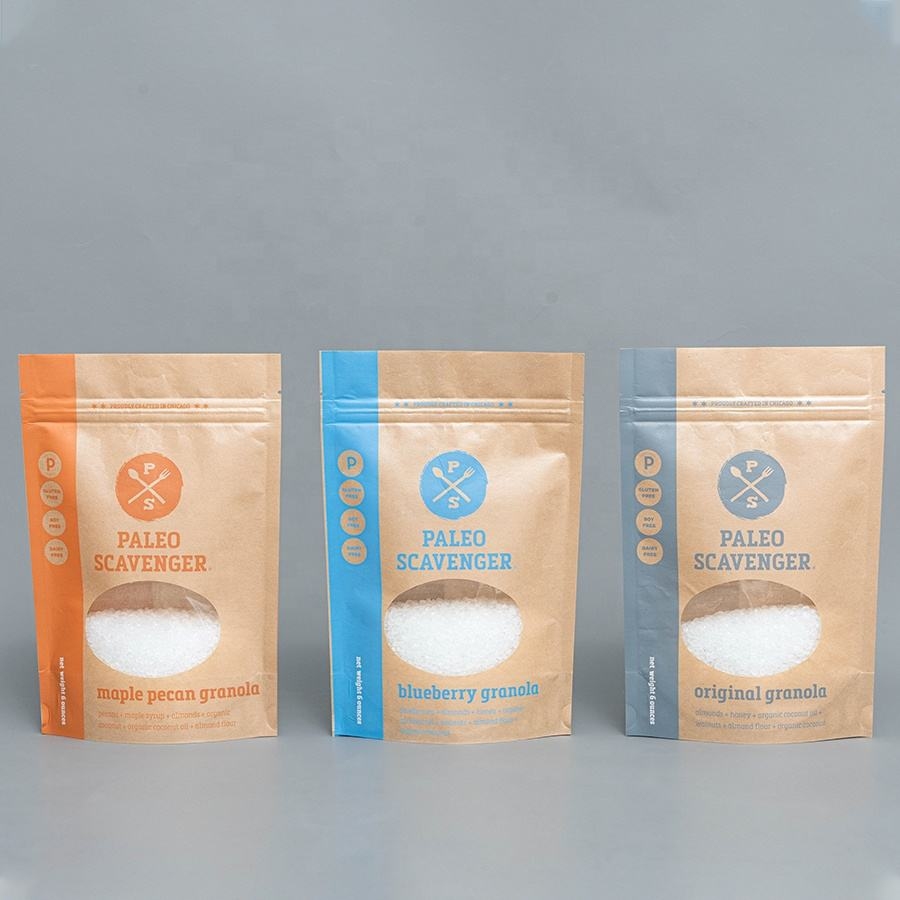
The answer to kraft paper bag strength lies in their construction methodology and material specifications. Modern kraft paper bags designed for grocery use typically withstand loads between 25 to 35 pounds when properly manufactured, making them suitable for most heavy grocery shopping scenarios. This strength capacity depends on several engineering factors including paper weight, handle attachment methods, bottom construction techniques, and overall bag design architecture.
Material Composition and Manufacturing Strength
Virgin Kraft Paper Properties
The foundation of kraft paper bag strength begins with the raw material composition. Virgin kraft paper, made from long wood fibers through the sulfate pulping process, provides superior tensile strength compared to recycled alternatives. These long fibers create interlocking networks that distribute weight loads more effectively across the bag structure. The kraft process itself removes lignin while preserving cellulose fibers, resulting in paper with enhanced durability characteristics.
Paper weight measurements, expressed in pounds per ream or grams per square meter, directly correlate with bag strength capabilities. Standard grocery kraft paper bags typically use paper weights ranging from 50 to 70 pounds per ream. Heavier paper weights naturally provide increased load-bearing capacity, though they also increase material costs and bag weight when empty.
Multi-Wall Construction Benefits
Many heavy-duty kraft paper bags employ multi-wall construction to enhance strength without dramatically increasing paper weight. Double-wall or triple-wall designs sandwich multiple kraft paper layers together, creating composite structures that distribute stress forces more evenly. This construction method allows a kraft paper bag to handle heavier loads while maintaining flexibility and printability characteristics.
The adhesive systems used between wall layers also contribute to overall bag integrity. Modern food-safe adhesives create strong bonds that prevent delamination under stress, ensuring the multi-wall structure functions as a unified load-bearing system rather than separate layers.
Structural Design Elements for Load Distribution
Bottom Construction Techniques
The bottom panel of a kraft paper bag represents the primary load-bearing surface and requires specialized construction techniques for heavy grocery applications. Square bottom designs with proper fold patterns distribute weight across multiple paper layers, preventing concentration of stress at single points. The most robust kraft paper bags utilize sewn bottom seams or specialized adhesive applications that create reinforced weight distribution zones.
Bottom width proportions also affect strength characteristics. Wider bottom panels spread load forces over larger surface areas, reducing stress concentration that could lead to bag failure. Professional bag manufacturers carefully balance bottom dimensions with overall bag proportions to optimize strength while maintaining practical usability for grocery applications.
Handle Integration Systems
Handle attachment methods significantly impact the overall strength profile of kraft paper bags under heavy loads. Twisted paper handles, formed from multiple kraft paper strips, provide excellent strength-to-weight ratios when properly integrated into bag sidewalls. The attachment process typically involves multiple fold layers and adhesive applications that distribute handle stress across wider bag surface areas.
Die-cut handles, while more economical to produce, require careful engineering to prevent tearing under heavy loads. Reinforcement patches around handle cutouts help distribute lifting forces and prevent crack propagation that could compromise bag integrity. The shape and size of die-cut handles also influence maximum safe carrying capacity for grocery applications.
Load Capacity Testing and Performance Standards
Industry Testing Protocols
Professional kraft paper bag strength evaluation follows standardized testing protocols that simulate real-world grocery carrying conditions. Drop tests examine bag performance when subjected to sudden impact forces, while sustained load tests measure capacity under prolonged weight exposure. These testing methodologies help establish reliable strength ratings for different kraft paper bag configurations.
Burst strength measurements evaluate paper resistance to puncture forces, particularly important when kraft paper bags contain items with sharp edges or corners. Tear propagation tests examine how kraft paper responds to initial damage, determining whether small tears will spread catastrophically or remain localized during normal use conditions.
Real-World Performance Variables
Actual kraft paper bag performance under grocery loading conditions involves multiple variables beyond basic material strength. Humidity levels affect paper fiber moisture content, which can reduce strength characteristics in high-humidity environments. Temperature extremes also influence paper flexibility and strength, with cold conditions making kraft paper more brittle and prone to cracking.
Load distribution patterns within the bag significantly affect overall performance. Concentrated heavy items placed at bag bottoms create different stress patterns compared to distributed weight loading. Sharp-edged grocery items can create point loads that exceed paper puncture resistance, even when total bag weight remains within normal capacity limits.
Comparison with Alternative Heavy-Duty Options
Enhanced Kraft Paper Treatments
Modern kraft paper bag manufacturing incorporates various treatment processes that enhance strength characteristics for heavy grocery applications. Wet-strength additives during paper production create chemical cross-links between fibers, maintaining bag integrity even when exposed to moisture from fresh produce or condensation. These treatments allow kraft paper bags to retain structural strength in challenging grocery environments.
Surface coating applications can provide additional puncture resistance without significantly increasing bag weight. Food-safe coating materials create barrier layers that protect underlying kraft paper from oils, moisture, and abrasive contact while contributing to overall structural strength. These enhanced kraft paper bags often exceed standard capacity ratings while maintaining biodegradable characteristics.
Reinforcement Integration Options
Some heavy-duty kraft paper bags incorporate selective reinforcement materials at high-stress locations. Small fabric patches at handle attachment points or bottom corners can significantly increase local strength without compromising the overall recyclable nature of the kraft paper bag. These hybrid approaches balance strength requirements with environmental considerations.
Reinforcement tape applications along bag edges create additional tear resistance while maintaining the kraft paper bag aesthetic and environmental profile. Strategic placement of reinforcement elements allows manufacturers to optimize strength characteristics for specific heavy grocery applications without over-engineering the entire bag structure.
FAQ
What is the maximum weight a standard kraft paper bag can safely carry for groceries?
Most standard grocery kraft paper bags can safely carry between 25 to 35 pounds when properly loaded and handled. However, this capacity depends on the specific bag construction, paper weight, handle design, and how the weight is distributed within the bag. Bags with reinforced bottoms and properly integrated handles typically achieve higher capacity ratings.
Do kraft paper bags become weaker when exposed to moisture from fresh produce?
Traditional kraft paper bags can experience strength reduction when exposed to significant moisture, as water breaks down the fiber bonds that provide structural integrity. However, modern kraft paper bags often include wet-strength treatments that maintain structural performance even with moderate moisture exposure from fresh fruits and vegetables.
How can I tell if a kraft paper bag is strong enough for heavy grocery items?
Look for kraft paper bags with thicker paper construction, reinforced bottom panels, and well-integrated handles. Bags that feel substantial when empty and show no visible creasing or weak spots typically indicate better load-bearing capacity. Additionally, bags with multiple wall construction or visible reinforcement patches around stress points generally offer superior strength for heavy grocery applications.
Are there specific loading techniques that help kraft paper bags carry more weight safely?
Yes, proper loading significantly affects kraft paper bag performance with heavy groceries. Place heavier items at the bottom of the bag and distribute weight evenly across the bottom panel. Avoid concentrating heavy items in one area, and place sharp-cornered items away from bag walls to prevent puncture damage. Double-bagging can also provide additional strength for particularly heavy loads.
Table of Contents
- Material Composition and Manufacturing Strength
- Structural Design Elements for Load Distribution
- Load Capacity Testing and Performance Standards
- Comparison with Alternative Heavy-Duty Options
-
FAQ
- What is the maximum weight a standard kraft paper bag can safely carry for groceries?
- Do kraft paper bags become weaker when exposed to moisture from fresh produce?
- How can I tell if a kraft paper bag is strong enough for heavy grocery items?
- Are there specific loading techniques that help kraft paper bags carry more weight safely?