
 EN
EN



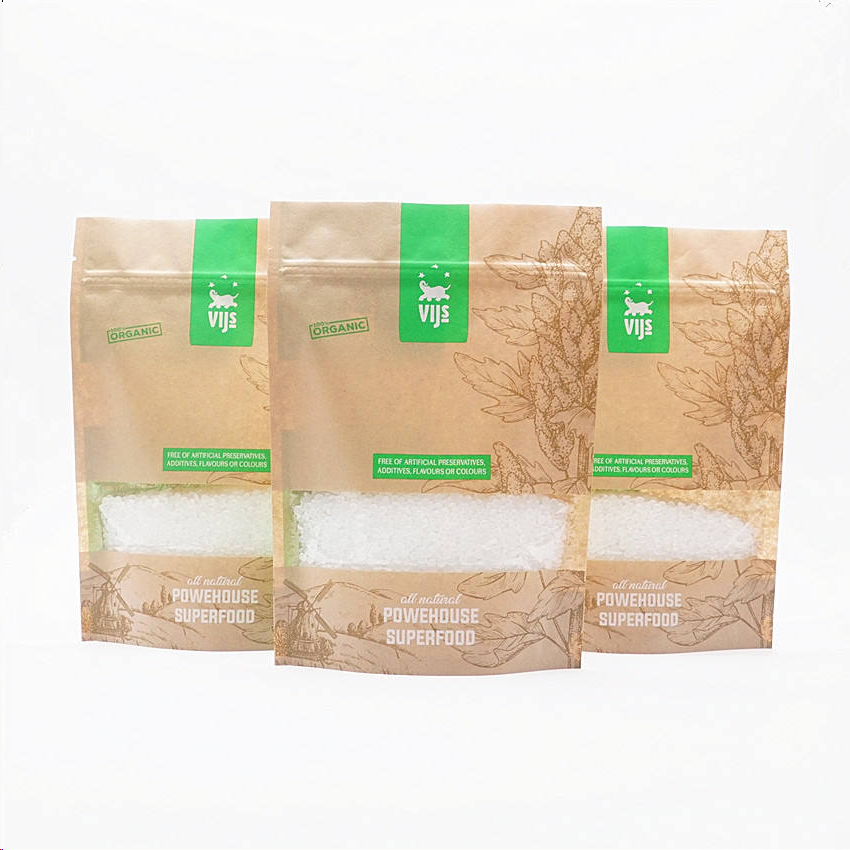
When selecting the right moisture-resistant coating for kraft paper bag applications, manufacturers face a critical decision that directly impacts product performance and customer satisfaction. The choice of coating technology determines how well these sustainable packaging solutions protect contents from humidity, moisture ingress, and environmental conditions during storage and transportation.
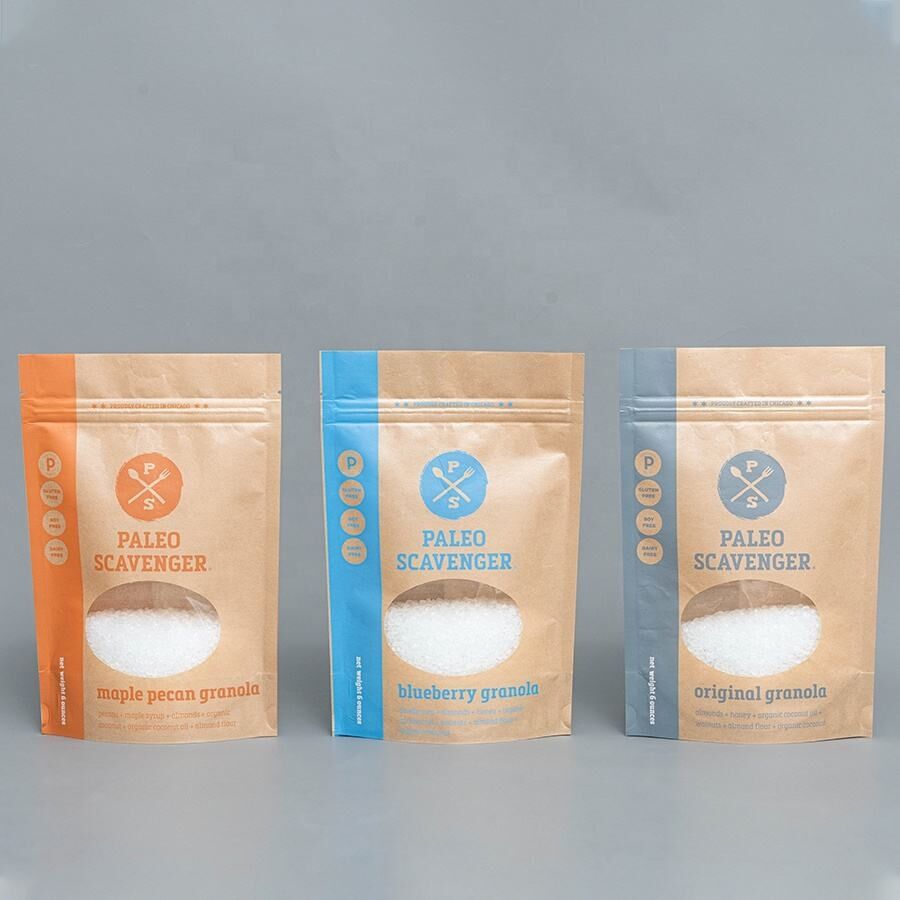
The effectiveness of moisture-resistant treatments varies significantly based on coating chemistry, application methods, and intended use conditions. Understanding which coating technology delivers optimal barrier properties for kraft paper bag manufacturing enables informed decisions that balance performance requirements with cost considerations and environmental impact.
Polyethylene Coating Technology for Kraft Paper Bags
Low-Density Polyethylene Applications
Low-density polyethylene coating represents the most widely adopted moisture barrier solution for kraft paper bag production. This thermoplastic coating creates an effective moisture barrier when applied through extrusion coating processes, providing excellent water vapor transmission resistance at economical cost levels.
The flexibility characteristics of low-density polyethylene make it particularly suitable for kraft paper bag applications requiring fold resistance and durability. Manufacturing processes apply this coating at temperatures between 280-320°C, creating strong adhesion bonds with the kraft paper substrate while maintaining barrier integrity.
Quality kraft paper bag manufacturers optimize polyethylene coating thickness between 15-25 microns to achieve desired moisture resistance without compromising material flexibility. This coating thickness provides water vapor transmission rates below 2.0 g/m²/day, meeting performance standards for most food packaging and industrial applications.
High-Density Polyethylene Performance
High-density polyethylene coating delivers superior moisture barrier performance compared to low-density alternatives, though with reduced flexibility characteristics. This coating technology proves ideal for kraft paper bag applications requiring maximum moisture protection in challenging storage environments.
The crystalline structure of high-density polyethylene creates tighter molecular barriers against moisture penetration, achieving water vapor transmission rates below 1.5 g/m²/day. Industrial kraft paper bag applications benefit from this enhanced barrier performance when protecting moisture-sensitive contents like chemicals, pharmaceuticals, or electronic components.
Application processes for high-density polyethylene coating require precise temperature control and uniform distribution to prevent coating defects that compromise moisture resistance. Professional kraft paper bag manufacturers implement quality control systems monitoring coating thickness, adhesion strength, and barrier integrity throughout production runs.
Wax-Based Moisture Barrier Solutions
Paraffin Wax Coating Systems
Paraffin wax coating provides traditional moisture resistance for kraft paper bag applications, particularly in food service and retail packaging segments. This natural coating material offers biodegradable properties while delivering effective short-term moisture protection under normal storage conditions.
The application process involves heating paraffin wax to liquid state and applying uniform coating layers through curtain coating or roller application methods. Kraft paper bag manufacturers using paraffin wax coating achieve moisture resistance suitable for dry goods packaging, bakery products, and temporary storage applications.
Temperature sensitivity represents a key limitation of paraffin wax coatings, as elevated storage temperatures can cause softening and reduced barrier performance. However, the renewable nature and compostability of wax coatings make them attractive for environmentally conscious kraft paper bag applications.
Microcrystalline Wax Applications
Microcrystalline wax coating delivers improved temperature stability and moisture barrier performance compared to standard paraffin wax systems. This refined petroleum-based coating maintains barrier integrity across wider temperature ranges while providing excellent flexibility for kraft paper bag manufacturing.
The finer crystal structure of microcrystalline wax creates more uniform coating layers with fewer microscopic defects that could compromise moisture resistance. Professional kraft paper bag producers utilize microcrystalline wax for applications requiring enhanced barrier performance without polymer coating complexity.
Application techniques for microcrystalline wax coating include hot-melt extrusion and solution coating methods, allowing manufacturers to optimize coating thickness and coverage patterns. This flexibility enables customized moisture barrier solutions matching specific kraft paper bag performance requirements and cost targets.
Aqueous Barrier Coating Technologies
Water-Based Polymer Dispersions
Water-based polymer dispersion coatings offer environmentally friendly moisture resistance for kraft paper bag manufacturing without solvent emissions or complex disposal requirements. These coating systems utilize acrylic, styrene-acrylic, or polyurethane dispersions suspended in water carriers for application.
The coating process involves applying aqueous polymer dispersions through gravure, flexographic, or blade coating methods, followed by heated drying to remove water and cure the polymer film. Kraft paper bag manufacturers benefit from reduced environmental impact while achieving moderate moisture barrier performance suitable for many packaging applications.
Performance characteristics of aqueous barrier coatings include good grease resistance, moderate moisture barrier properties, and excellent printability for branded kraft paper bag applications. These coatings typically achieve water vapor transmission rates between 3-8 g/m²/day, depending on polymer chemistry and coating thickness.
Clay-Modified Barrier Systems
Clay-modified aqueous coatings incorporate nanoscale clay particles to enhance moisture barrier performance through tortuous path formation. These advanced coating systems create labyrinth-like structures that significantly impede moisture vapor transmission through kraft paper bag substrates.
The synergistic effect of polymer matrix and clay nanoparticles delivers superior barrier performance compared to conventional aqueous coatings while maintaining environmental advantages. Industrial kraft paper bag applications benefit from this technology when requiring enhanced moisture protection without traditional polymer barrier coatings.
Manufacturing considerations for clay-modified barrier systems include proper clay dispersion, coating uniformity, and optimized drying conditions to achieve maximum barrier effectiveness. Quality control processes monitor clay distribution and coating integrity to ensure consistent moisture resistance across kraft paper bag production batches.
Specialized Barrier Coating Applications
Aluminum-Metallized Coatings
Aluminum-metallized coatings provide exceptional moisture barrier performance for premium kraft paper bag applications requiring maximum protection against humidity and moisture ingress. This coating technology involves vacuum deposition of thin aluminum layers onto kraft paper substrates, creating nearly impermeable moisture barriers.
The metallized coating process requires specialized equipment and precise process control to achieve uniform aluminum deposition without defects. Kraft paper bag manufacturers utilizing this technology serve demanding applications including pharmaceutical packaging, electronics protection, and long-term storage solutions.
Performance advantages include water vapor transmission rates below 0.5 g/m²/day, excellent oxygen barrier properties, and superior light protection. However, metallized coatings add significant cost and complexity to kraft paper bag production while limiting recyclability options.
Multi-Layer Lamination Systems
Multi-layer lamination combines multiple barrier materials to achieve superior moisture resistance for demanding kraft paper bag applications. These systems typically incorporate polymer films, aluminum foil, or specialized barrier papers bonded with adhesive systems optimized for kraft paper compatibility.
The lamination process requires careful selection of compatible materials, appropriate adhesive chemistry, and precise process control to achieve strong bonds without compromising barrier integrity. Industrial kraft paper bag applications benefit from customized barrier properties matching specific performance requirements.
Design flexibility allows manufacturers to optimize barrier performance, cost, and sustainability characteristics by selecting appropriate material combinations. Common structures include kraft paper with polyethylene film lamination, kraft paper with aluminum foil barriers, or multi-layer polymer film laminations for specialized applications.
FAQ
Which coating provides the best moisture resistance for kraft paper bags?
Polyethylene coating, particularly high-density polyethylene, delivers the most effective moisture resistance for kraft paper bag applications. This coating achieves water vapor transmission rates below 1.5 g/m²/day while providing excellent durability and cost-effectiveness for most industrial and food packaging requirements.
Can wax coatings match polymer performance for kraft paper bag moisture resistance?
Wax coatings provide moderate moisture resistance suitable for short-term storage and food service applications, but cannot match the long-term barrier performance of polymer coatings. Microcrystalline wax offers improved performance over paraffin wax but remains temperature-sensitive compared to polyethylene-coated kraft paper bag solutions.
Are aqueous barrier coatings effective for industrial kraft paper bag applications?
Aqueous barrier coatings deliver moderate moisture resistance with environmental advantages, achieving water vapor transmission rates between 3-8 g/m²/day. Clay-modified aqueous systems provide enhanced performance suitable for many industrial kraft paper bag applications, though specialized requirements may necessitate polymer or metallized coating solutions.
How do coating thickness and application methods affect kraft paper bag moisture resistance?
Coating thickness directly correlates with moisture barrier performance, with optimal polyethylene coating thickness ranging from 15-25 microns for kraft paper bag applications. Uniform application through extrusion coating, curtain coating, or lamination processes ensures consistent barrier integrity and prevents moisture ingress through coating defects or thin areas.
Table of Contents
- Polyethylene Coating Technology for Kraft Paper Bags
- Wax-Based Moisture Barrier Solutions
- Aqueous Barrier Coating Technologies
- Specialized Barrier Coating Applications
-
FAQ
- Which coating provides the best moisture resistance for kraft paper bags?
- Can wax coatings match polymer performance for kraft paper bag moisture resistance?
- Are aqueous barrier coatings effective for industrial kraft paper bag applications?
- How do coating thickness and application methods affect kraft paper bag moisture resistance?