
 EN
EN



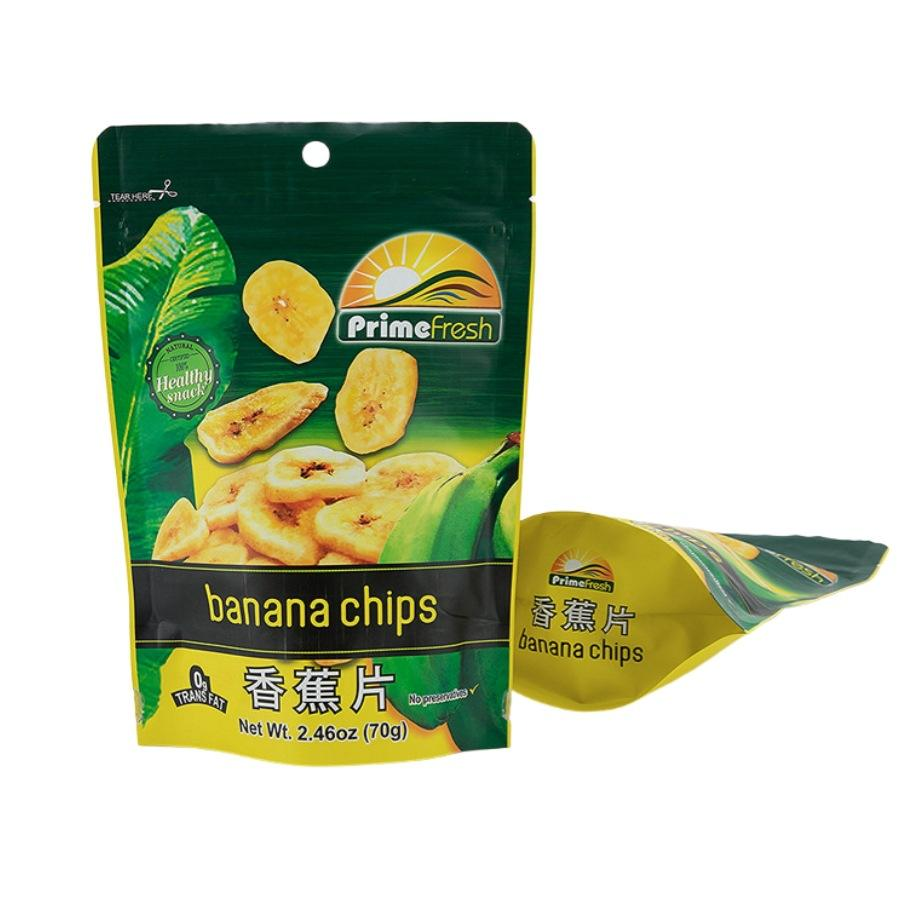
Irregular-shaped products present unique packaging challenges that traditional rigid containers simply cannot address effectively. From oddly-shaped toys and electronics to uniquely contoured food items and specialized industrial components, these products demand packaging solutions that can conform to their distinctive dimensions while maintaining protection, presentation, and cost-efficiency. The packaging industry has evolved to recognize that one-size-fits-all approaches often lead to excessive material waste, poor product presentation, and increased shipping costs when dealing with non-standard product geometries.

The superior adaptability of flexible packaging emerges as the optimal solution for businesses seeking to overcome the inherent difficulties of packaging irregular-shaped products. Unlike rigid packaging systems that require products to fit predetermined dimensions, flexible packaging materials can conform precisely to product contours, eliminating wasted space while providing comprehensive protection. This adaptability translates directly into operational advantages including reduced material costs, improved shipping efficiency, enhanced product security, and superior customer experience through optimized presentation and functionality.
Material Adaptability and Conformity Advantages
Superior Shape Conformity Properties
Flexible packaging demonstrates exceptional conformity capabilities that make it ideally suited for irregular-shaped products across diverse industries. The inherent flexibility of materials such as polyethylene, polypropylene, and specialized barrier films allows packages to mold around product contours without creating excessive void spaces that compromise protection or increase material usage. This conformity ensures that each package fits its contents precisely, regardless of whether the product features curved surfaces, angular protrusions, or complex geometric configurations.
Modern flexible packaging materials exhibit controlled stretch properties that enable them to accommodate product irregularities while maintaining structural integrity. These materials can expand and contract within designed parameters, ensuring that products remain securely positioned within the package throughout handling, storage, and transportation phases. The conformity advantage becomes particularly pronounced when packaging products with multiple irregular features, where rigid containers would require substantial internal padding or complex insert systems to achieve similar protection levels.
Material Efficiency and Waste Reduction
The material efficiency achieved through flexible packaging represents a significant economic and environmental advantage for businesses dealing with irregular-shaped products. Traditional rigid packaging often requires oversized containers to accommodate product irregularities, resulting in substantial material waste and increased packaging costs. Flexible packaging eliminates this inefficiency by using only the material necessary to enclose and protect the actual product dimensions.
Studies indicate that flexible packaging can reduce total packaging material usage by 30-50% compared to rigid alternatives when packaging irregular-shaped items. This reduction stems from the elimination of void-filling materials, reduced package wall thickness requirements due to improved load distribution, and the ability to size packages precisely to product dimensions. The cumulative effect extends beyond immediate material savings to include reduced transportation costs, lower storage requirements, and decreased environmental impact through reduced packaging waste generation.
Protection and Security Benefits
Enhanced Product Protection Mechanisms
Flexible packaging provides superior protection for irregular-shaped products through multiple complementary mechanisms that rigid packaging cannot replicate. The conforming nature of flexible materials creates intimate contact with product surfaces, distributing external forces more evenly and reducing stress concentration points that could lead to product damage. This distributed load characteristic proves particularly valuable for fragile irregular-shaped items where traditional packaging might create pressure points at contact areas with rigid container walls.
The shock absorption properties inherent in flexible packaging materials contribute significantly to protection effectiveness. Unlike rigid containers that transmit impact forces directly to enclosed products, flexible packaging materials absorb and dissipate energy through controlled deformation. This energy absorption capability becomes critically important when packaging irregular-shaped products that may have vulnerable protrusions or delicate surface features that require protection from impact damage during handling and transportation.
Barrier Properties and Environmental Protection
Modern flexible packaging incorporates advanced barrier technologies that provide exceptional protection against environmental factors affecting irregular-shaped products. Multi-layer flexible packaging constructions can combine oxygen barriers, moisture barriers, and light barriers within single package structures, creating comprehensive environmental protection tailored to specific product requirements. This barrier integration proves particularly valuable for irregular-shaped products where traditional packaging might struggle to maintain consistent barrier effectiveness around complex geometries.
The seamless nature of flexible packaging barrier systems eliminates the potential weak points common in rigid packaging assemblies where multiple components must be joined together. For irregular-shaped products requiring extended shelf life or protection from specific environmental factors, flexible packaging delivers consistent barrier performance across the entire package surface. This consistency ensures that products maintain their intended quality and performance characteristics regardless of their geometric complexity or surface irregularities.
Economic and Operational Efficiency
Cost Reduction Through Packaging Optimization
The economic advantages of flexible packaging for irregular-shaped products extend far beyond initial material cost savings to encompass comprehensive operational benefits. Reduced package dimensions achieved through flexible packaging conformity directly translate to increased shipping density, allowing businesses to transport more products per shipment while reducing per-unit transportation costs. This density improvement becomes particularly significant for irregular-shaped products that traditionally require oversized packaging to accommodate their non-standard dimensions.
Storage efficiency improvements represent another substantial economic benefit of flexible packaging implementation. Warehouses can achieve higher product density storage when using flexible packaging systems that eliminate excess void spaces common with rigid packaging solutions. The space efficiency gains enable businesses to reduce warehousing costs, improve inventory turnover rates, and optimize distribution center operations. For companies dealing with seasonal or varying product mix requirements, flexible packaging provides scalability advantages that rigid systems cannot match.
Production and Assembly Efficiency
Flexible packaging systems offer significant production efficiency advantages when packaging irregular-shaped products compared to rigid alternatives requiring complex assembly processes. The simplicity of flexible packaging operations reduces labor requirements, minimizes equipment complexity, and enables faster packaging line changeovers when dealing with different product configurations. These efficiency gains translate directly into reduced operational costs and improved production flexibility for manufacturers handling diverse product portfolios.
Quality control processes become more streamlined with flexible packaging systems due to reduced component complexity and simplified assembly requirements. Fewer potential failure points in flexible packaging systems result in lower rejection rates and improved overall quality consistency. The reduced complexity also enables easier troubleshooting and faster resolution of production issues, contributing to improved overall equipment effectiveness and reduced downtime costs.
Customer Experience and Market Appeal
Enhanced Product Presentation
Flexible packaging enables superior product presentation for irregular-shaped items through customized package configurations that highlight product features rather than concealing them within oversized rigid containers. The ability to create form-fitting packages allows products to display their unique characteristics effectively, improving shelf appeal and consumer engagement. This presentation advantage proves particularly valuable in retail environments where product visibility and differentiation drive purchasing decisions.
The printing and graphic capabilities of flexible packaging materials enable high-quality branding and product information display across complex package geometries. Unlike rigid containers that may have limited printable surfaces or require separate labels, flexible packaging provides comprehensive branding opportunities that conform to product shapes. This branding integration creates cohesive product presentation that reinforces brand identity while providing necessary product information in easily readable formats.
Convenience and Functionality Features
Modern flexible packaging incorporates numerous convenience features that enhance user experience when handling irregular-shaped products. Resealable closures, easy-open features, and handling-optimized designs can be integrated seamlessly into flexible packaging systems without compromising package integrity or protection performance. These convenience features prove particularly valuable for irregular-shaped products that may be difficult to repackage or store using traditional methods.
The lightweight nature of flexible packaging reduces handling difficulty for irregular-shaped products while maintaining protection effectiveness. Consumers benefit from easier handling, reduced storage requirements, and simplified disposal processes compared to rigid packaging alternatives. These user experience improvements contribute to positive brand perception and increased customer satisfaction, particularly important factors in competitive markets where packaging experience influences repeat purchase decisions.
Industry Applications and Suitability
Food and Beverage Sector Applications
The food and beverage industry demonstrates extensive adoption of flexible packaging for irregular-shaped products ranging from uniquely-shaped confections to oddly-contoured baked goods and specialty food items. Flexible packaging materials provide excellent barrier properties against moisture, oxygen, and light while conforming to product shapes that would be difficult to package efficiently using rigid containers. The food safety advantages of flexible packaging include reduced contamination risks through improved seal integrity and fewer package components requiring sanitization.
Portion control and serving size optimization become more precise with flexible packaging systems that can accommodate exact product quantities without requiring standardized shapes or sizes. This precision proves valuable for premium food products where presentation quality and portion consistency directly impact consumer perception and satisfaction. The tamper-evidence capabilities integrated into flexible packaging designs provide additional food safety assurance while maintaining package aesthetics and functionality.
Consumer Goods and Electronics
Consumer electronics manufacturers increasingly rely on flexible packaging solutions for irregularly-shaped devices, accessories, and components that require protection from static discharge, moisture, and physical damage. The ability to create custom-fitted packages reduces packaging costs while providing superior protection compared to generic rigid containers requiring extensive padding materials. Electrostatic discharge protection can be integrated directly into flexible packaging materials, eliminating the need for additional protective components.
Toy and consumer product manufacturers benefit from flexible packaging's ability to accommodate complex shapes while providing clear product visibility through transparent or window features. The cost-effectiveness of flexible packaging enables manufacturers to offer better protection and presentation for lower-margin products where rigid packaging costs would be prohibitive. The sustainability advantages of reduced material usage align with consumer preferences for environmentally responsible packaging choices.
FAQ
What types of irregular-shaped products benefit most from flexible packaging?
Products with complex geometries, curved surfaces, multiple protrusions, or non-standard dimensions benefit most from flexible packaging. This includes oddly-shaped food items, electronics with unique form factors, toys with irregular contours, automotive components, and specialty industrial products. Flexible packaging proves particularly valuable when products have dimensions that would require oversized rigid containers or when protection requirements demand intimate package-to-product contact.
How does flexible packaging maintain product protection for irregular shapes?
Flexible packaging maintains protection through conformity to product contours, which distributes external forces evenly and eliminates pressure points. The materials provide shock absorption through controlled deformation, while multi-layer constructions can incorporate specific barrier properties against moisture, oxygen, light, and other environmental factors. The seamless nature of flexible packaging eliminates weak points common in assembled rigid containers.
Are there limitations to using flexible packaging for irregular-shaped products?
While flexible packaging offers numerous advantages, limitations include reduced structural support for extremely heavy products, potential for puncture damage with very sharp or pointed products, and possible challenges with products requiring rigid protection during stacking or compression. Some products may require hybrid approaches combining flexible packaging with minimal rigid support elements to address specific protection requirements.
How does flexible packaging impact shipping and storage costs for irregular-shaped products?
Flexible packaging typically reduces shipping costs by 20-40% for irregular-shaped products through improved packaging density and reduced total package weight. Storage costs decrease due to better space utilization and reduced warehousing requirements. The elimination of void spaces and excess packaging materials contributes to these cost reductions while often improving product protection and presentation quality compared to traditional rigid packaging solutions.
Table of Contents
- Material Adaptability and Conformity Advantages
- Protection and Security Benefits
- Economic and Operational Efficiency
- Customer Experience and Market Appeal
- Industry Applications and Suitability
-
FAQ
- What types of irregular-shaped products benefit most from flexible packaging?
- How does flexible packaging maintain product protection for irregular shapes?
- Are there limitations to using flexible packaging for irregular-shaped products?
- How does flexible packaging impact shipping and storage costs for irregular-shaped products?