
 EN
EN



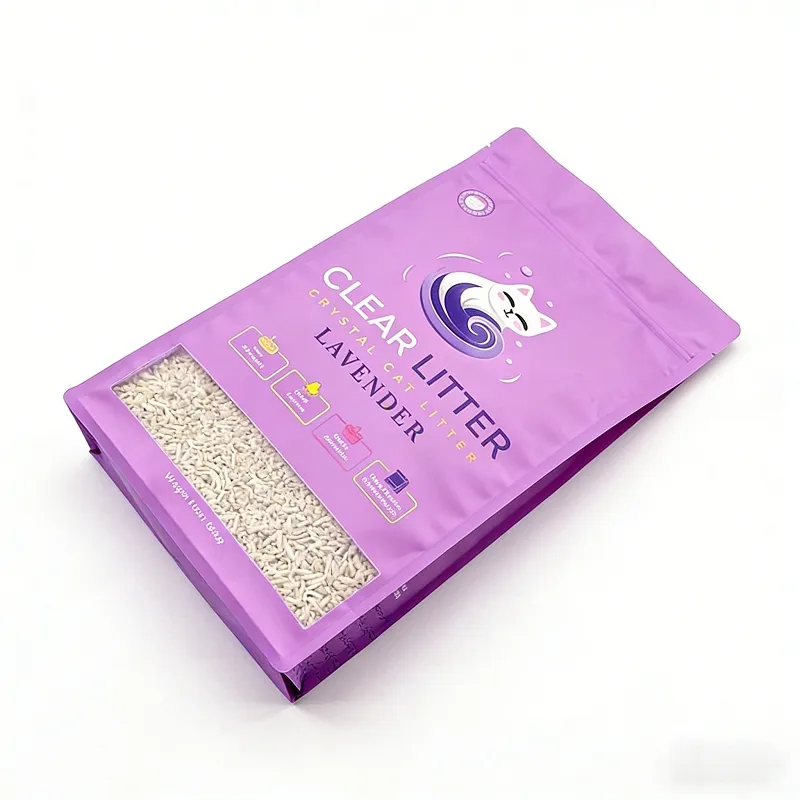
When sourcing packaging solutions for pet care businesses, selecting the right cat litter bag with handles requires careful evaluation of multiple technical and commercial factors. B2B buyers face unique challenges in balancing product protection, user convenience, and cost-effectiveness while meeting diverse customer expectations across retail and e-commerce channels.
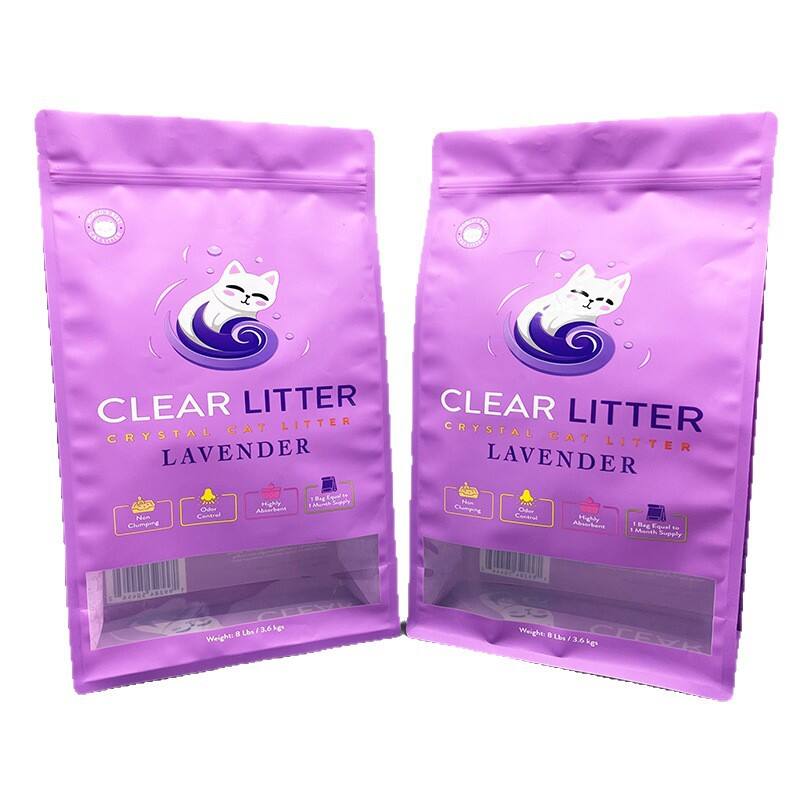
The decision-making process for B2B cat litter bag procurement extends beyond basic functionality to encompass supply chain reliability, regulatory compliance, and brand differentiation opportunities. Understanding the key evaluation criteria helps purchasing managers make informed decisions that support both operational efficiency and customer satisfaction in competitive pet care markets.
Material Construction and Durability Standards
Multi-Layer Film Technology Requirements
Professional cat litter bag construction typically involves multi-layer laminated films that provide essential barrier properties against moisture, odors, and punctures. The primary material structure should incorporate high-density polyethylene or polypropylene layers combined with barrier films to prevent litter degradation during storage and transportation. Quality manufacturers utilize coextrusion processes to create seamless layer bonding that eliminates weak points prone to failure under stress.
B2B buyers should specify minimum thickness requirements based on litter weight capacity and handling frequency. Standard commercial applications require films ranging from 80 to 150 microns depending on the intended use case. The lamination adhesive quality directly impacts long-term durability, particularly in warehouse environments with temperature fluctuations and humidity variations that can compromise inferior bonding systems.
Handle Integration and Stress Distribution
Handle design represents a critical structural component that must withstand repetitive lifting, carrying, and placement operations throughout the distribution chain. Professional-grade cat litter bag handles should feature reinforced attachment points with stress distribution technology to prevent tearing under maximum load conditions. Die-cut handles require precise edge finishing to eliminate sharp corners that could create failure initiation points during use.
The handle geometry must accommodate ergonomic carrying requirements while maintaining structural integrity across the specified weight range. Oversized handles provide better user comfort but increase material consumption and packaging complexity. B2B specifications should define handle strength testing protocols including drop tests, sustained load evaluations, and repetitive stress cycling to ensure consistent performance standards.
Functional Design Features and User Experience
Closure System Performance
Effective closure mechanisms prevent litter spillage and contamination while enabling convenient access for end users. Heat-sealed closures provide permanent barrier protection for single-use applications, while resealable options support portion control and extended storage scenarios. The closure design must accommodate automated filling equipment constraints while delivering reliable seal integrity across varying environmental conditions.
Zipper-style closures require specialized track systems that maintain alignment during repeated opening and closing cycles. The track material selection impacts both functionality and cost, with options ranging from basic polyethylene strips to advanced slider mechanisms. B2B buyers should evaluate closure performance through accelerated aging tests that simulate extended storage periods and frequent use patterns typical in retail environments.
Transparency and Product Visibility Options
Window features in cat litter bag designs enable product inspection without package opening, supporting quality verification and consumer confidence. Clear film windows must maintain barrier properties equivalent to the primary packaging while providing adequate visual access to contents. The window size and positioning should accommodate typical display requirements while minimizing material complexity and manufacturing costs.
Anti-fog treatments and UV resistance coatings enhance window performance in retail environments with varying lighting and temperature conditions. The integration method between window film and primary packaging affects both appearance and structural integrity. B2B specifications should address window clarity standards, adhesion requirements, and long-term optical stability to ensure consistent presentation throughout the product lifecycle.
Supply Chain and Manufacturing Considerations
Production Capacity and Lead Time Management
Reliable supplier relationships require clear understanding of manufacturing capabilities, production scheduling flexibility, and quality control systems. Cat litter bag production involves specialized equipment for film extrusion, lamination, printing, and converting operations that may limit supplier options for customized specifications. B2B buyers should evaluate supplier capacity against projected volume requirements while considering seasonal demand variations and market growth projections.
Lead time management becomes critical for businesses operating with lean inventory strategies or facing rapid product introduction timelines. Minimum order quantities often reflect economic batch sizes for specialized tooling and setup requirements. Understanding supplier production cycles helps optimize order timing and inventory carrying costs while ensuring adequate buffer stock for demand fluctuations.
Regulatory Compliance and Certification Requirements
Food-grade certification requirements apply to cat litter bag materials due to potential cross-contamination risks in multi-product manufacturing facilities. FDA approval for food contact substances ensures material safety even when packages are stored or transported alongside food products. The certification documentation must be current and traceable to specific material lots used in production.
Environmental compliance standards increasingly influence packaging material selection as businesses respond to sustainability mandates and consumer preferences. Recyclability certifications, bio-based content verification, and carbon footprint reporting may be required for certain market segments. B2B buyers should establish clear compliance requirements and verification procedures to ensure consistent adherence to applicable regulations and corporate sustainability commitments.
Cost Optimization and Value Engineering
Total Cost of Ownership Analysis
Effective cost evaluation extends beyond unit pricing to encompass all ownership costs including transportation, storage, handling, and potential loss factors. Higher-quality cat litter bag construction may command premium pricing but deliver superior protection that reduces product damage and customer returns. The cost analysis should factor in fill rate efficiency, storage density optimization, and handling productivity impacts across the entire supply chain.
Volume pricing structures typically offer significant cost reductions for larger quantity commitments, but buyers must balance purchase economies with inventory carrying costs and obsolescence risks. Forward purchasing agreements can provide price stability while enabling supplier planning optimization. The total cost model should include quality-related costs such as inspection, testing, and potential replacement expenses for substandard materials.
Customization and Branding Opportunities
Custom printing capabilities enable brand differentiation and marketing message integration while potentially increasing package appeal and perceived value. Multi-color printing processes require careful color matching and consistency controls to maintain brand standards across production runs. The printing area allocation must accommodate both branding requirements and mandatory regulatory labeling while preserving functional design elements.
Structural customization options include specialized sizing, unique closure configurations, and enhanced barrier properties tailored to specific product formulations. Custom tooling investments may be justified for high-volume applications or products requiring distinctive market positioning. B2B buyers should evaluate customization benefits against incremental costs and complexity factors that could impact supply chain flexibility and risk management.
FAQ
What minimum thickness should I specify for commercial cat litter bag applications?
Commercial cat litter bag applications typically require minimum film thickness of 100-120 microns for bags holding up to 25 pounds of product. This thickness provides adequate puncture resistance and handle strength while maintaining cost efficiency. Heavier applications or extended storage requirements may necessitate 130-150 micron films with enhanced barrier properties.
How do I verify handle strength specifications meet my application requirements?
Handle strength verification should include testing at 150% of maximum intended load capacity with sustained load duration testing for at least 60 seconds. Request certification documentation showing drop test results from typical handling heights and stress cycling data simulating repetitive use patterns. Reputable suppliers provide comprehensive testing reports with their material specifications.
What barrier properties are essential for maintaining litter quality during storage?
Essential barrier properties include moisture vapor transmission rates below 0.5 g/m²/day and oxygen transmission rates under 10 cc/m²/day to prevent clumping and odor development. UV protection may be required for products exposed to retail lighting. The barrier performance should maintain effectiveness for minimum 18-month storage periods under typical warehouse conditions.
How can I balance cost efficiency with environmental sustainability requirements?
Cost-effective sustainability approaches include specifying recyclable mono-material constructions, optimizing package sizing to reduce material usage, and selecting suppliers with verified environmental management systems. Consider life-cycle cost benefits including reduced disposal fees and potential marketing value from sustainable packaging claims that may justify modest premium pricing for environmentally preferred materials.
Table of Contents
- Material Construction and Durability Standards
- Functional Design Features and User Experience
- Supply Chain and Manufacturing Considerations
- Cost Optimization and Value Engineering
-
FAQ
- What minimum thickness should I specify for commercial cat litter bag applications?
- How do I verify handle strength specifications meet my application requirements?
- What barrier properties are essential for maintaining litter quality during storage?
- How can I balance cost efficiency with environmental sustainability requirements?