
 EN
EN



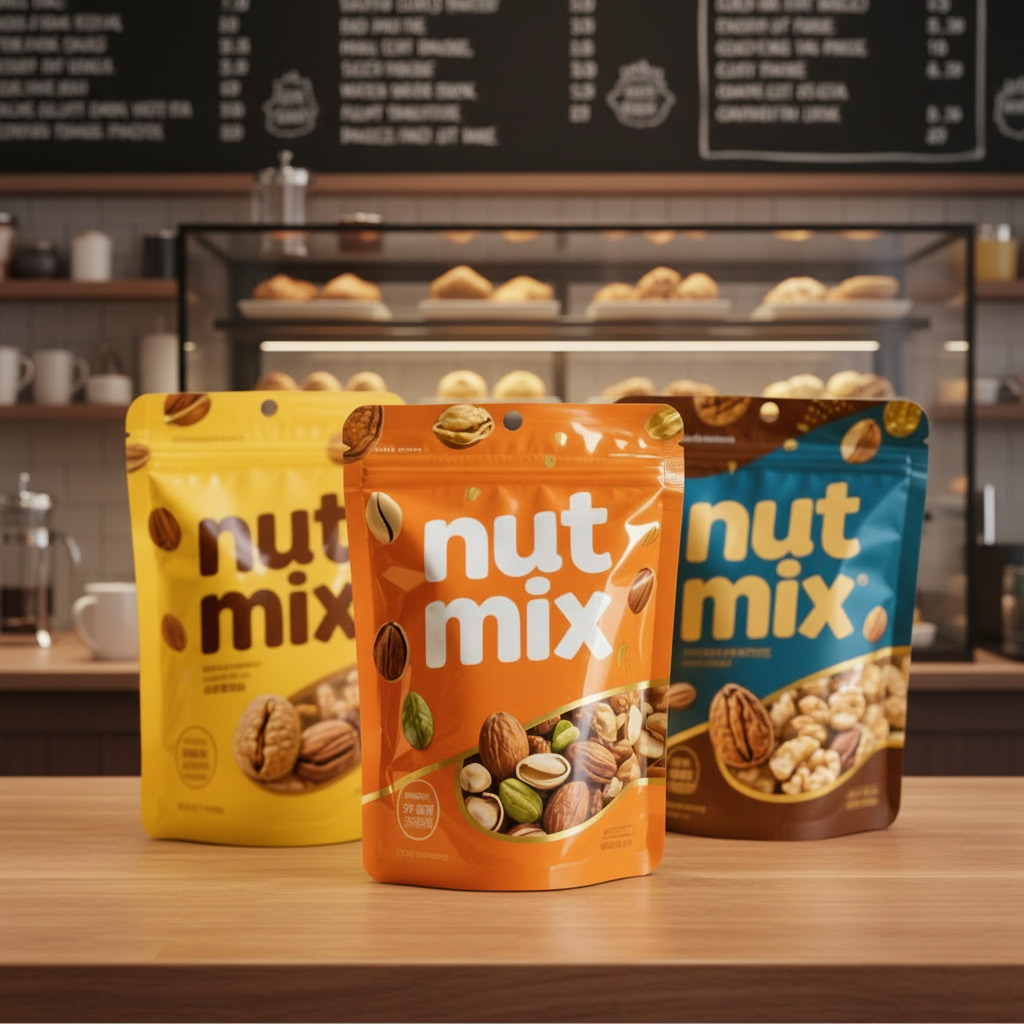
Food packaging serves as the critical barrier between consumable products and the environmental factors that cause deterioration, making it one of the most significant determinants of shelf life across the food industry. The relationship between food packaging and product longevity involves complex interactions of material properties, barrier functions, and protective mechanisms that directly impact microbial growth, oxidation, moisture transfer, and chemical reactions within packaged foods.
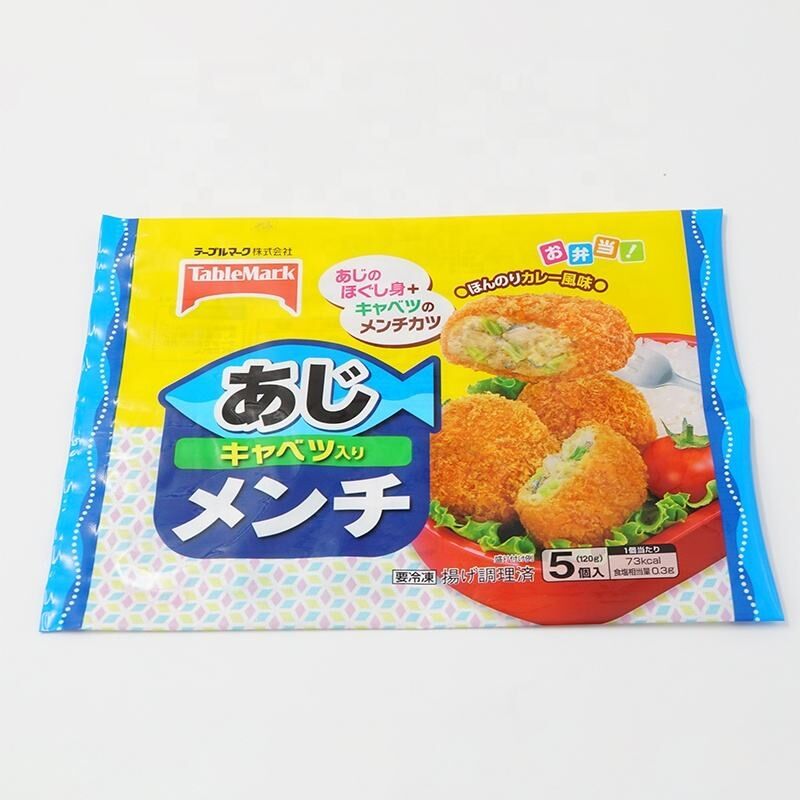
Understanding how food packaging affects shelf life requires examining the fundamental protective functions that packaging materials provide, from oxygen and moisture barriers to light protection and contamination prevention. Each packaging decision influences the rate of food deterioration through specific mechanisms, ultimately determining whether a product maintains its quality, safety, and nutritional value for days, weeks, months, or even years after production.
Barrier Properties and Their Impact on Food Deterioration
Oxygen Barrier Function in Shelf Life Extension
Oxygen represents one of the primary causes of food deterioration, driving oxidative reactions that degrade fats, destroy vitamins, and alter flavor profiles in packaged foods. Effective food packaging materials create oxygen barriers that significantly slow these degradation processes by limiting the amount of oxygen that can penetrate the package and reach the food surface. High-barrier materials such as aluminum foil, metallized films, and specialized polymer laminates can reduce oxygen transmission rates to levels that extend shelf life by months or years compared to low-barrier alternatives.
The oxygen barrier effectiveness of food packaging directly correlates with the preservation of nutritional quality, particularly for products containing unsaturated fats, vitamin C, and other oxygen-sensitive compounds. When food packaging provides inadequate oxygen protection, lipid oxidation accelerates, producing rancid flavors and odors while destroying beneficial nutrients. This relationship explains why products like nuts, oils, and vitamin-enriched foods require high-barrier food packaging to maintain their intended shelf life and nutritional value.
Modified atmosphere packaging represents an advanced application of oxygen barrier principles, where food packaging systems not only prevent oxygen ingress but also maintain specific gas compositions around the product. These specialized food packaging approaches can extend shelf life by creating optimal atmospheric conditions that inhibit spoilage organisms while preserving product quality, demonstrating the sophisticated ways that barrier properties influence food preservation.
Moisture Control Through Packaging Design
Moisture management represents another critical mechanism through which food packaging affects product shelf life, as water activity levels directly influence microbial growth, enzymatic reactions, and texture changes in packaged foods. Food packaging materials with appropriate moisture barrier properties prevent unwanted water migration into dry products while controlling moisture loss from products that require specific humidity levels for optimal quality retention.
The water vapor transmission rate of food packaging materials determines how effectively they protect products from moisture-related deterioration, with different products requiring different levels of moisture barrier protection based on their water activity and storage requirements. Dry products like crackers, cereals, and powders benefit from high-moisture barrier food packaging that prevents humidity absorption, which would otherwise cause texture changes, flavor degradation, and potential microbial growth.
Conversely, fresh products may require food packaging with controlled moisture transmission properties that maintain optimal humidity levels without allowing excessive moisture accumulation that could promote spoilage. This balance demonstrates how food packaging design must consider the specific moisture requirements of different product categories to maximize shelf life while maintaining quality characteristics throughout the distribution period.
Microbial Protection and Contamination Prevention
Pathogen Exclusion Through Package Integrity
Food packaging serves as the primary defense against microbial contamination, creating a sterile barrier that prevents pathogenic and spoilage organisms from reaching the food surface throughout the distribution and storage period. The integrity of food packaging seals, material structure, and closure systems directly determines the effectiveness of this microbial protection, making package design and manufacturing quality critical factors in shelf life determination.
Sterile packaging processes combined with appropriate food packaging materials can create environments that remain essentially free from microbial contamination for extended periods, enabling shelf-stable products to maintain safety and quality without refrigeration. This principle underlies the effectiveness of aseptic packaging systems, retort pouches, and other advanced food packaging technologies that achieve commercial sterility through the combination of thermal processing and hermetic sealing.
The relationship between food packaging and microbial protection extends beyond simple barrier functions to include antimicrobial packaging systems that actively inhibit microbial growth through incorporated preservatives, oxygen scavengers, or antimicrobial agents. These innovative food packaging approaches represent emerging technologies that enhance shelf life by providing active protection against spoilage organisms rather than relying solely on passive barrier properties.
Chemical Migration and Food Safety Considerations
While food packaging protects products from external contamination, the potential for chemical migration from packaging materials into food represents an important consideration in shelf life management and safety assurance. Food packaging materials must balance protective barrier properties with chemical inertness to ensure that extended storage periods do not result in unacceptable levels of chemical migration that could affect product safety or sensory quality.
Regulatory frameworks governing food packaging materials establish migration limits and testing requirements that ensure chemical safety throughout the intended shelf life of packaged products. These regulations influence food packaging material selection and design decisions, requiring manufacturers to demonstrate that chemical migration remains within acceptable limits even under accelerated aging conditions that simulate extended storage periods.
The interaction between food packaging materials and product formulations can influence both chemical migration rates and product stability, creating complex relationships that require careful evaluation during shelf life determination studies. Acidic products, high-fat products, and products containing alcohol or other solvents may interact differently with food packaging materials, potentially affecting both migration rates and the protective effectiveness of the packaging system.
Temperature Control and Thermal Protection
Insulation Properties in Temperature-Sensitive Products
Temperature control represents a fundamental aspect of how food packaging affects shelf life, particularly for products that require specific temperature ranges to maintain quality and safety throughout their intended storage period. Food packaging materials with insulation properties can help maintain product temperatures during distribution, reducing the rate of temperature-dependent deterioration reactions that would otherwise accelerate spoilage and quality loss.
Frozen and refrigerated products depend heavily on food packaging systems that minimize heat transfer, helping maintain cold chain integrity during handling and temporary temperature excursions that occur in normal distribution. Insulative food packaging materials, reflective barriers, and phase change materials represent different approaches to thermal protection that can significantly extend the effective shelf life of temperature-sensitive products.
The thermal properties of food packaging also influence the effectiveness of thermal processing treatments, affecting both the achievement of commercial sterility and the retention of nutritional and sensory quality in heat-processed products. Food packaging materials must withstand processing temperatures while providing optimal heat transfer characteristics that ensure uniform treatment and minimize quality degradation during thermal processing.
Light Protection and Photodegradation Prevention
Light exposure accelerates numerous food deterioration reactions, making light barrier properties an important aspect of how food packaging affects product shelf life, particularly for products containing light-sensitive vitamins, pigments, and flavor compounds. Food packaging materials that provide effective light barriers can dramatically extend shelf life by preventing photodegradation reactions that would otherwise cause color fading, off-flavor development, and nutritional losses.
Ultraviolet light represents the most damaging portion of the light spectrum for many food products, making UV-blocking properties particularly valuable in food packaging applications. Specialized food packaging materials incorporating UV absorbers, opaque barriers, or metallized layers can provide superior protection against light-induced deterioration compared to transparent packaging options, though product visibility requirements must be balanced against protective needs.
The relationship between light protection and shelf life varies significantly among different product categories, with dairy products, beverages, oils, and vitamin-fortified products showing particular sensitivity to light exposure. Food packaging selection for these products must prioritize light barrier properties to achieve optimal shelf life while meeting consumer expectations for product presentation and visibility.
Active and Intelligent Packaging Technologies
Oxygen Scavenging and Moisture Control Systems
Active packaging technologies represent advanced approaches to how food packaging affects shelf life, going beyond passive barrier functions to actively modify the package environment in ways that enhance product preservation. Oxygen scavenging systems incorporated into food packaging materials can remove residual oxygen from packages, creating ultra-low oxygen environments that dramatically slow oxidative deterioration and extend shelf life beyond what barrier properties alone could achieve.
These active food packaging systems typically incorporate iron-based oxygen scavengers, enzymatic oxygen removal systems, or photosensitive oxygen-consuming compounds that continue removing oxygen throughout the product's shelf life. The effectiveness of oxygen scavenging food packaging depends on proper system sizing, activation conditions, and package integrity, requiring careful engineering to match scavenging capacity with product requirements and package headspace volume.
Moisture control active packaging systems provide similar benefits for products sensitive to water activity changes, incorporating desiccants, moisture-absorbing polymers, or humidity-regulating materials that maintain optimal moisture conditions throughout the shelf life period. These systems enable food packaging to provide more precise environmental control than passive barrier materials alone, particularly for products with critical moisture sensitivity requirements.
Antimicrobial Packaging and Preservation Enhancement
Antimicrobial food packaging technologies represent another active approach to shelf life extension, incorporating antimicrobial agents directly into packaging materials or coatings to provide continuous preservation benefits throughout the storage period. These systems can significantly enhance the microbial safety and stability of packaged foods by providing localized antimicrobial activity at the food-package interface where contamination typically occurs.
Natural antimicrobial compounds, essential oils, organic acids, and synthetic preservatives can be incorporated into food packaging materials through various techniques, creating packaging systems that release controlled amounts of antimicrobial agents over time. The effectiveness of antimicrobial food packaging depends on proper agent selection, controlled release characteristics, and compatibility with both the food product and packaging material requirements.
Intelligent packaging technologies complement active systems by providing real-time information about product condition, package integrity, and shelf life status through indicators, sensors, or communication technologies integrated into the food packaging system. These technologies enable more precise shelf life management and quality assurance throughout the distribution chain, helping optimize the relationship between food packaging and product preservation.
Package Design Optimization for Shelf Life
Material Selection and Combination Strategies
The selection and combination of materials in food packaging design represents a critical factor in determining shelf life outcomes, as different materials provide different barrier properties, mechanical characteristics, and compatibility profiles that must be matched to specific product requirements. Multi-layer food packaging structures can combine the benefits of different materials, creating systems that provide superior protection compared to single-material approaches.
Laminated food packaging structures typically combine materials such as polyethylene for heat sealing, aluminum foil for barrier properties, and polyester for strength and clarity, creating packaging systems that optimize multiple performance characteristics simultaneously. The design of these multi-material food packaging systems requires careful consideration of layer compatibility, adhesion properties, and processing requirements to ensure that the final package delivers the intended shelf life benefits.
Barrier coating technologies provide alternative approaches to achieving high barrier performance in food packaging applications, applying specialized coatings to base materials to enhance their protective properties. These coating systems can provide customized barrier characteristics while maintaining other desirable properties of the base material, enabling more flexible food packaging design approaches that optimize cost and performance relationships.
Closure Systems and Package Integrity
The effectiveness of food packaging in extending shelf life depends heavily on closure system design and the maintenance of package integrity throughout the product's intended storage period. Heat seals, mechanical closures, and adhesive systems must provide reliable hermetic sealing while maintaining seal integrity under various storage conditions, mechanical stresses, and aging effects that could compromise package protection.
Quality control systems for food packaging production must ensure consistent seal quality, appropriate seal strength, and absence of seal defects that could allow contamination or barrier property degradation. The relationship between seal quality and shelf life requires ongoing monitoring and validation to ensure that packaging systems continue providing intended protection throughout their design life.
Tamper-evident and child-resistant closure systems add complexity to food packaging design while potentially affecting barrier properties and shelf life performance. These safety-oriented closure requirements must be balanced against protective performance to ensure that enhanced safety features do not compromise the fundamental shelf life benefits that food packaging provides.
FAQ
What is the most important factor in how food packaging affects shelf life?
The oxygen barrier property of food packaging represents the most universally important factor affecting shelf life, as oxygen drives the majority of food deterioration reactions including lipid oxidation, vitamin degradation, and color changes. While moisture control, light protection, and microbial barriers are also critical, oxygen exclusion typically provides the most dramatic shelf life improvements across the widest range of food products.
How does vacuum packaging extend product shelf life compared to regular packaging?
Vacuum packaging extends shelf life by removing oxygen from the package environment, dramatically slowing oxidative deterioration reactions that cause rancidity, color changes, and nutrient losses in foods. By reducing oxygen levels to near zero, vacuum food packaging can extend shelf life by 2-5 times compared to conventional packaging, while also providing enhanced protection against freezer burn and moisture loss in frozen products.
Can food packaging materials themselves affect product taste and safety over time?
Food packaging materials can potentially affect product taste and safety through chemical migration, particularly during extended storage periods or under elevated temperature conditions. However, regulatory approval processes ensure that approved food packaging materials maintain chemical migration below safety thresholds throughout their intended shelf life, while sensory testing validates that taste impacts remain acceptably low under normal storage conditions.
Why do some products require specialized packaging for optimal shelf life?
Different food products have unique preservation requirements based on their composition, water activity, pH, and susceptibility to various deterioration mechanisms, necessitating specialized food packaging approaches for optimal shelf life. Products high in unsaturated fats require superior oxygen barriers, while products sensitive to moisture require different barrier properties, and products prone to microbial growth may benefit from antimicrobial packaging technologies or modified atmosphere systems.
Table of Contents
- Barrier Properties and Their Impact on Food Deterioration
- Microbial Protection and Contamination Prevention
- Temperature Control and Thermal Protection
- Active and Intelligent Packaging Technologies
- Package Design Optimization for Shelf Life
-
FAQ
- What is the most important factor in how food packaging affects shelf life?
- How does vacuum packaging extend product shelf life compared to regular packaging?
- Can food packaging materials themselves affect product taste and safety over time?
- Why do some products require specialized packaging for optimal shelf life?