
 EN
EN



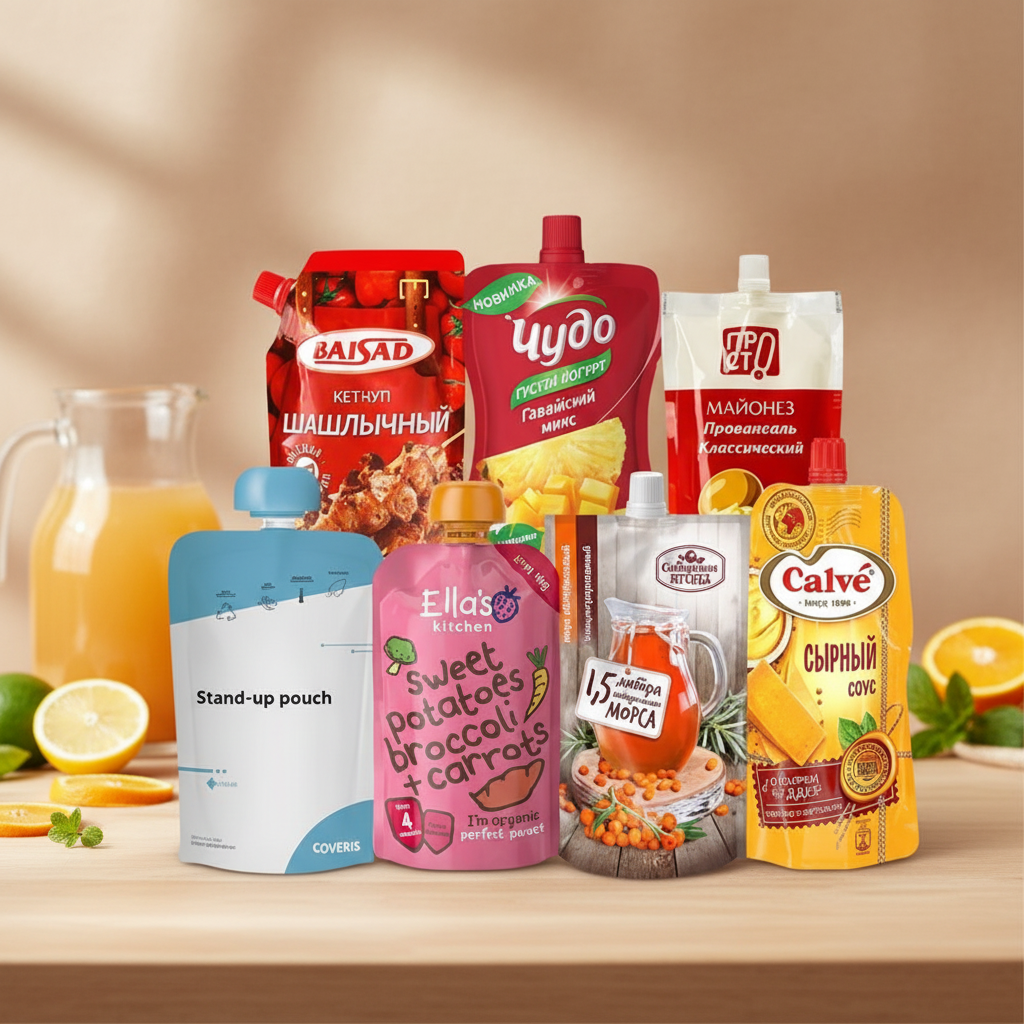
When selecting materials for food packaging applications, understanding FDA safety standards becomes crucial for manufacturers and brands seeking regulatory compliance. The Food and Drug Administration maintains strict guidelines for materials that come into direct contact with food products, ensuring consumer safety while enabling effective preservation and distribution. These standards encompass various material types, from traditional plastics to innovative flexible packaging solutions, each requiring specific testing and certification processes.
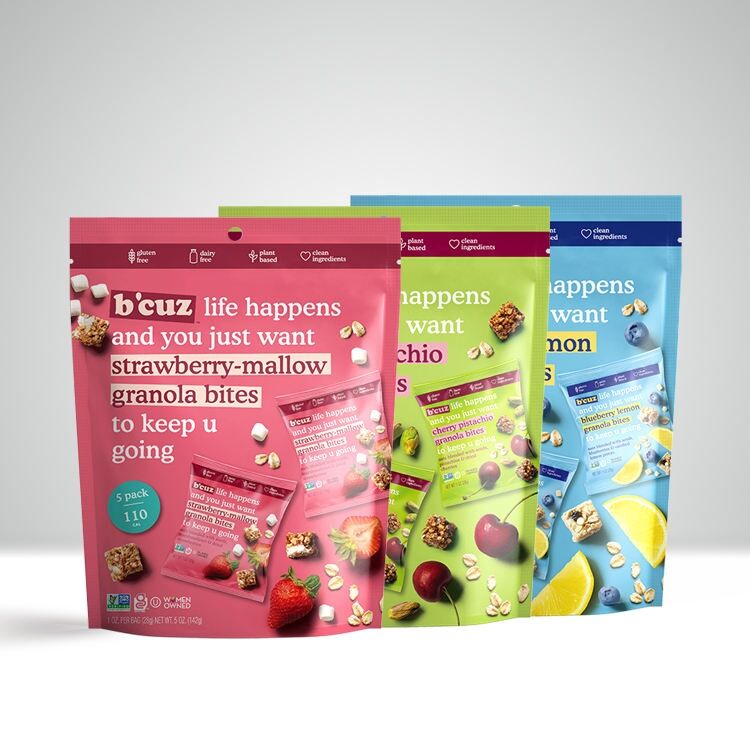
Determining which food packaging materials meet FDA requirements involves evaluating multiple factors including material composition, intended use conditions, and migration testing results. The selection process requires careful consideration of the food type, storage conditions, shelf life requirements, and processing methods that will be employed. Understanding these regulatory frameworks helps businesses make informed decisions about their packaging strategies while maintaining product safety and market access.
FDA-Approved Material Categories for Food Contact Applications
Plastic Polymers and Resin Classifications
The FDA recognizes numerous plastic polymers as safe for food packaging applications under Title 21 of the Code of Federal Regulations. Polyethylene terephthalate (PET) stands as one of the most widely approved materials, commonly used in beverage bottles and food containers due to its excellent barrier properties and chemical stability. This material undergoes rigorous testing to ensure minimal migration of substances into food products under normal storage conditions.
High-density polyethylene (HDPE) and low-density polyethylene (LDPE) also maintain FDA approval for various food packaging applications. These materials demonstrate excellent chemical resistance and flexibility, making them suitable for applications ranging from milk jugs to flexible pouches. The FDA evaluates these polymers based on their molecular weight, density, and additive content to ensure food safety compliance.
Polypropylene (PP) represents another FDA-approved option for food packaging, particularly valued for its heat resistance and clarity. This material performs well in microwave applications and maintains stability across a wide temperature range, making it ideal for ready-to-eat meals and hot-fill applications. The approval process considers the specific grade and processing conditions to ensure consistent safety performance.
Barrier Films and Multilayer Structures
Multi-layer barrier films combine different FDA-approved materials to create enhanced protection for sensitive food products. These structures often incorporate ethylene vinyl alcohol (EVOH) or polyvinylidene chloride (PVDC) as barrier layers, surrounded by approved structural polymers. The FDA evaluates these complex structures based on the individual layer compositions and their potential interactions during food contact.
Aluminum foil laminates represent another category of FDA-approved food packaging materials, particularly effective for products requiring extended shelf life and protection from light and oxygen. These materials combine the barrier properties of aluminum with the functionality of approved polymers, creating versatile packaging solutions for various food categories. The approval process examines the adhesive systems and coating materials used in lamination.
Nylon-based barrier films also receive FDA approval for specific food packaging applications, offering excellent puncture resistance and oxygen barrier properties. These materials prove particularly valuable for vacuum-packaged products and applications requiring mechanical strength during distribution. The FDA assessment includes evaluation of nylon monomers and potential migration under various storage conditions.
Regulatory Testing Requirements and Compliance Protocols
Migration Testing Standards and Procedures
FDA compliance for food packaging materials requires comprehensive migration testing to demonstrate that substances do not transfer from packaging to food above acceptable levels. These tests simulate various storage conditions including different temperatures, contact times, and food simulants that represent different food categories. The testing protocols follow FDA guidelines outlined in 21 CFR 175.300 and related sections.
Migration testing typically involves exposing packaging materials to food simulants such as distilled water, 3% acetic acid, 10% ethanol, and n-heptane under specified time and temperature conditions. These simulants represent aqueous, acidic, alcoholic, and fatty food categories respectively. The testing duration and temperature depend on the intended use conditions, with some tests requiring exposure at elevated temperatures for extended periods.
Analytical methods for detecting migrated substances must meet FDA validation requirements and demonstrate sufficient sensitivity to detect substances at regulatory threshold levels. Gas chromatography-mass spectrometry (GC-MS) and liquid chromatography-mass spectrometry (LC-MS) represent common analytical techniques used in these evaluations. The detection limits must be appropriate for the specific substances of concern and intended food contact conditions.
Documentation and Certification Processes
Proper documentation serves as the foundation for demonstrating FDA compliance in food packaging applications. Manufacturers must maintain comprehensive records including raw material specifications, supplier certifications, and testing data that support the safety of their packaging products. These documents must be readily available for regulatory inspection and customer audits.
Supplier certification letters play a crucial role in the compliance chain, providing verification that raw materials meet FDA requirements for food contact applications. These letters typically include information about the specific regulations under which materials are approved, any use limitations, and confirmation of compliance with good manufacturing practices. The certification process requires ongoing communication between packaging manufacturers and their material suppliers.
Third-party testing laboratories often provide additional verification of FDA compliance through independent analysis and certification. These laboratories must demonstrate competence in food contact testing methods and maintain accreditation from recognized organizations. The use of qualified testing facilities provides additional assurance for food packaging manufacturers and their customers regarding regulatory compliance.
Material Selection Criteria for Different Food Applications
Temperature and Processing Considerations
Temperature resistance requirements significantly influence material selection for food packaging applications, particularly when products undergo thermal processing or require heated storage. Materials intended for retort processing must withstand temperatures exceeding 121°C while maintaining structural integrity and preventing excessive migration. Polypropylene and certain polyester films demonstrate excellent performance under these demanding conditions.
Microwave applications require materials that remain stable under rapid heating conditions while avoiding the generation of harmful compounds. FDA-approved materials for microwave use must pass specific testing protocols that evaluate performance under microwave energy exposure. The evaluation includes assessment of temperature rise, structural changes, and potential formation of decomposition products.
Frozen food applications demand materials that maintain flexibility and barrier properties at sub-zero temperatures while preventing brittleness or cracking. Low-density polyethylene and specialized copolymers often provide optimal performance for frozen food packaging applications. The material selection must consider thermal cycling effects and potential stress cracking under repeated temperature changes.
Chemical Compatibility and Barrier Requirements
Acidic food products require packaging materials that resist chemical attack while preventing flavor migration and maintaining structural integrity. Materials approved for acidic food contact must demonstrate stability when exposed to organic acids, citric acid, and other naturally occurring food acids. The FDA evaluation process includes specific testing protocols for materials intended for contact with acidic foods.
Fatty food applications present unique challenges due to the potential for lipid migration and extraction of packaging components. Materials used for fatty food packaging must demonstrate minimal swelling and maintain barrier properties when exposed to oils and fats. Specialized barrier coatings and selected polymer grades often provide enhanced performance for these demanding applications.
Alcohol-containing products require materials that resist extraction and swelling while maintaining clarity and mechanical properties. The FDA maintains specific regulations for materials intended for contact with alcoholic beverages, considering both the alcohol content and storage duration. Material testing includes evaluation under various alcohol concentrations to ensure broad applicability.
Emerging Trends and Future Developments in FDA-Compliant Food Packaging
Sustainable Material Innovations
Bio-based polymers are gaining FDA approval as sustainable alternatives to traditional petroleum-based materials while maintaining equivalent food safety performance. Polylactic acid (PLA) and polyhydroxyalkanoates (PHAs) represent examples of bio-based materials that have received FDA clearance for specific food packaging applications. These materials undergo the same rigorous testing requirements as conventional polymers to ensure food safety compliance.
Recycled content integration in food packaging materials requires careful evaluation to ensure that recycling processes do not introduce contaminants that could migrate into food products. The FDA has established guidelines for post-consumer recycled plastics used in food packaging, including requirements for decontamination processes and analytical verification. These guidelines enable the use of recycled materials while maintaining food safety standards.
Paper and paperboard materials treated with FDA-approved barrier coatings provide renewable alternatives for certain food packaging applications. These materials combine the sustainability benefits of fiber-based substrates with the functional performance required for food protection. The approval process evaluates both the base paper materials and any applied coatings or treatments to ensure overall food safety compliance.
Advanced Barrier Technologies
Nanotechnology applications in food packaging materials are subject to FDA evaluation under existing regulatory frameworks while considering the unique properties of nanomaterials. Nano-clay composites and other nanostructured materials can provide enhanced barrier properties and mechanical strength when incorporated into approved polymer matrices. The regulatory assessment includes evaluation of potential nanoparticle migration and safety implications.
Active packaging technologies that incorporate FDA-approved substances for oxygen scavenging, moisture control, or antimicrobial activity are gaining regulatory acceptance. These materials must demonstrate that active substances either do not migrate into food or migrate at levels below established safety thresholds. The approval process considers both the active substance and the delivery mechanism to ensure food safety compliance.
Smart packaging technologies that incorporate sensors or indicators for freshness monitoring must comply with FDA regulations regarding materials that come into contact with food. These systems require careful design to ensure that electronic components and associated materials do not create food safety risks. The regulatory evaluation includes assessment of all materials and substances that could potentially migrate into food products during normal use.
FAQ
What documentation is required to prove FDA compliance for food packaging materials?
FDA compliance documentation typically includes raw material specifications showing compliance with 21 CFR regulations, migration testing data conducted according to FDA protocols, supplier certification letters confirming food contact approval, and manufacturing process descriptions demonstrating good manufacturing practices. Additionally, analytical method validation data and third-party testing certificates may be required depending on the specific application and customer requirements.
How often should migration testing be performed for food packaging materials?
Migration testing frequency depends on several factors including material composition changes, new food contact applications, regulatory updates, and customer requirements. Generally, testing should be conducted whenever formulation changes occur, when new suppliers are introduced, or when expanding into new food categories. Many companies establish annual testing programs to maintain current compliance documentation and ensure ongoing regulatory compliance.
Can recycled materials be used in FDA-compliant food packaging?
Yes, recycled materials can be used in FDA-compliant food packaging provided they meet specific requirements outlined in FDA guidance documents. Post-consumer recycled plastics must undergo approved decontamination processes and demonstrate that contaminants are reduced to safe levels. The FDA requires detailed documentation of the recycling process, analytical verification of decontamination effectiveness, and compliance with applicable food contact regulations.
What is the difference between food contact and food grade materials?
Food contact materials specifically refer to substances regulated under FDA 21 CFR that are approved for direct contact with food products, while food grade is a broader term often used in industry but not specifically defined in FDA regulations. FDA food contact approval requires compliance with specific regulations, migration testing, and detailed documentation, whereas food grade may simply indicate suitability for food industry use without specific regulatory compliance verification.