
 EN
EN


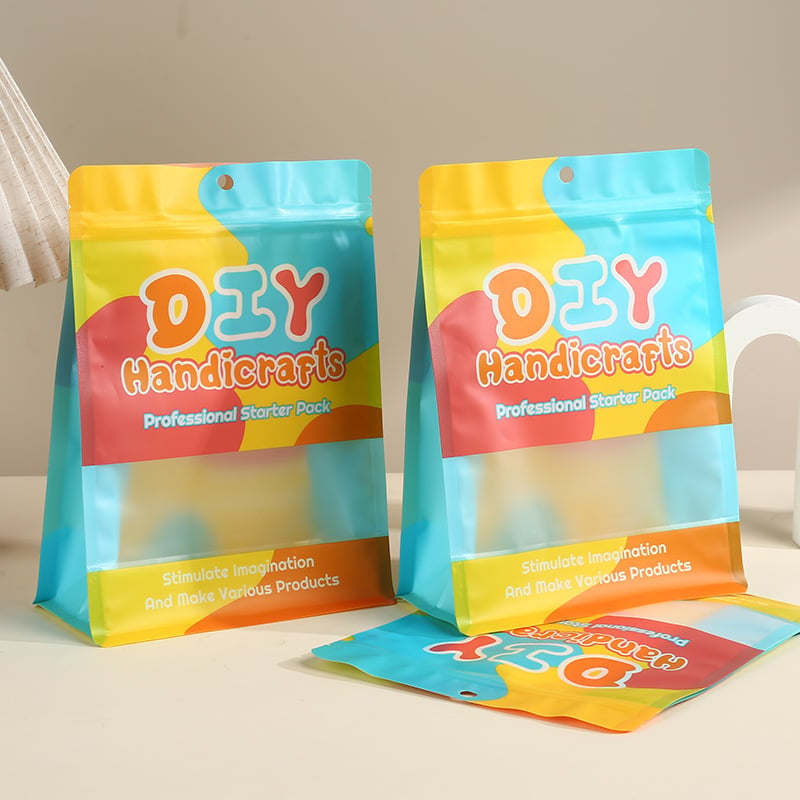
Selecting the right candy bag manufacturer is one of the most critical decisions for confectionery businesses seeking to elevate their brand presence and protect product quality. A well-designed candy bag serves multiple purposes: it preserves freshness, communicates brand identity, and creates a memorable unboxing experience for consumers. Whether you produce artisanal chocolates, hard candies, or gummy sweets, your candy bag choice directly impacts customer perception and repeat purchases. This production sourcing guide explores the essential factors for finding premium candy bag manufacturers who understand both the technical requirements and aesthetic demands of the confectionery industry.
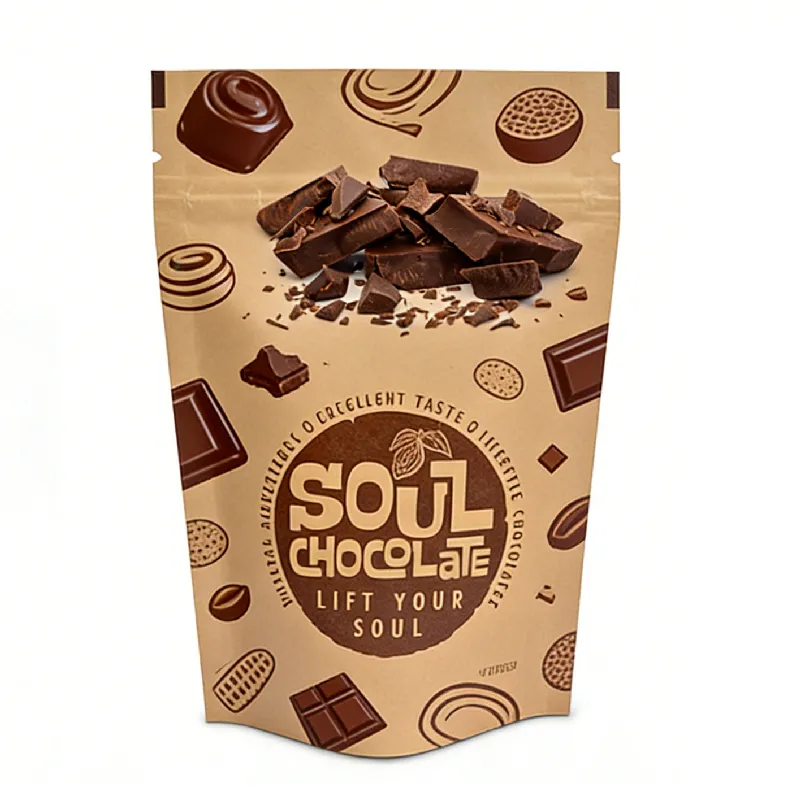
The confectionery packaging sector has evolved significantly, with modern candy bag solutions now incorporating advanced barrier technologies, sustainable materials, and customizable design features. Manufacturers today understand that a candy bag must balance functionality with visual appeal, ensuring that your product stands out on retail shelves while maintaining optimal freshness throughout the supply chain. Finding the right partner requires understanding material specifications, production capabilities, minimum order quantities, and quality certifications that align with food safety regulations.
Understanding Material Options for Your Candy Bag
Kraft Paper and Sustainable Candy Bag Solutions
Kraft paper has become the preferred material for premium candy bag packaging due to its natural appearance, recyclability, and strong structural integrity. A high-quality candy bag manufactured from kraft paper offers excellent printability for branding while maintaining the rustic elegance that appeals to health-conscious consumers. The barrier properties of kraft-based candy bag options can be enhanced with specialized coatings that protect contents from moisture and oxygen exposure without compromising the sustainable appeal. Many manufacturers now produce candy bag solutions with kraft exteriors and food-grade linings that meet international food safety standards, making them ideal for both domestic and export markets.
Plastic and Laminated Candy Bag Materials
For maximum moisture protection and extended shelf life, plastic-based candy bag materials remain essential, particularly for hard candies and chocolate products. Modern candy bag manufacturers offer multilayer laminated constructions that combine the visual appeal of kraft exteriors with advanced barrier films inside. These hybrid candy bag designs provide oxygen barriers that prevent rancidity in chocolate products while maintaining an eco-conscious aesthetic on the packaging exterior. The flexibility of plastic-based candy bag solutions allows for various closure mechanisms, from simple fold-and-seal designs to sophisticated resealable zippers that enhance consumer convenience.
Key Specifications and Production Standards for Candy Bags
Size, Shape, and Customization Capabilities
Selecting the appropriate candy bag dimensions requires careful consideration of your product weight, display requirements, and storage constraints. Premium candy bag manufacturers typically offer standard sizes ranging from small individual portions to large family-pack formats, with custom dimensions available for brands seeking differentiation. The candy bag shape options extend beyond traditional flat pouches to include stand-up designs that maximize shelf visibility and improve consumer handling. Top-tier candy bag producers invest in flexible manufacturing equipment that accommodates custom shapes, perforations, notches, and specialized features without prohibitive setup costs.
Barrier Performance and Food Safety Compliance
The barrier performance of your candy bag directly determines how long your product maintains freshness and quality. Professional candy bag manufacturers conduct oxygen transmission rate testing, moisture vapor transmission analysis, and shelf-life studies to ensure that packaging meets your specific preservation requirements. All reputable candy bag suppliers maintain compliance with FDA food contact surface regulations, EU food packaging directives, and other applicable food safety standards. When evaluating candy bag manufacturers, request documentation of barrier test results, material certifications, and compliance certifications to verify that their production processes meet your market requirements.
Selecting a Reliable Candy Bag Manufacturer
Production Capacity and Lead Times
Understanding a candy bag manufacturer's production capacity ensures they can support your growth without compromising quality. Established candy bag producers maintain multiple production lines that accommodate both small custom runs and large-scale orders, reducing your dependency on a single supplier. Lead times for candy bag orders typically range from two to eight weeks depending on customization complexity, printing techniques, and current production scheduling. Transparent candy bag manufacturers provide detailed production timelines, communicate capacity constraints upfront, and establish contingency plans for urgent orders.
Quality Control and Defect Management
Rigorous quality control processes distinguish premium candy bag manufacturers from basic packaging providers. Comprehensive candy bag quality systems include in-process inspections, final product audits, and statistical process controls that ensure consistency across production batches. Expert candy bag manufacturers implement seal strength testing, dimension verification, print quality assessment, and barrier function testing on representative samples from each production run. Establishing clear quality standards with your candy bag supplier prevents costly product recalls and maintains customer satisfaction by delivering consistently excellent packaging.
Sustainability Practices and Certifications
Modern consumers increasingly expect premium candy bag packaging to reflect environmental responsibility, making sustainability practices a competitive advantage. Leading candy bag manufacturers pursue certifications such as FSC forest stewardship, PEFC sustainable forestry, and carbon-neutral production recognition. Eco-conscious candy bag producers invest in water treatment systems, renewable energy sources, and waste reduction programs that minimize their environmental footprint. Selecting a candy bag manufacturer with demonstrated sustainability commitments aligns your brand with consumer values and differentiates your products in competitive confectionery markets.
FAQ
What barrier properties should my candy bag have?
Your candy bag requires oxygen barriers that prevent chocolate oxidation and rancidity, typically achieved through foil lamination or specialized polymer films, combined with moisture barriers for hard candies and hygroscopic products. The specific barrier requirements depend on your product type, desired shelf life, and storage environment. Professional candy bag manufacturers test barrier performance to ensure your packaging meets these critical requirements.
What is the typical minimum order quantity for a custom candy bag?
Most premium candy bag manufacturers require minimum orders between 10,000 and 50,000 units for fully custom designs, though some offer lower minimums for standard configurations or stock designs. The exact candy bag minimum order quantity depends on the production method, customization level, and manufacturer's equipment setup requirements. Discussing your volume requirements with the candy bag supplier helps identify the most cost-effective production approach for your business stage.
How do I ensure my candy bag meets food safety regulations?
Verify that your candy bag manufacturer provides documentation confirming FDA food contact compliance, uses approved food-grade materials, and maintains certifications for food packaging production. Request the candy bag supplier's quality certificates, material safety data sheets, and compliance documentation for your target markets before placing orders. Reputable candy bag producers maintain transparent communication about regulatory compliance and willingly provide evidence supporting their food safety standards.