
 EN
EN


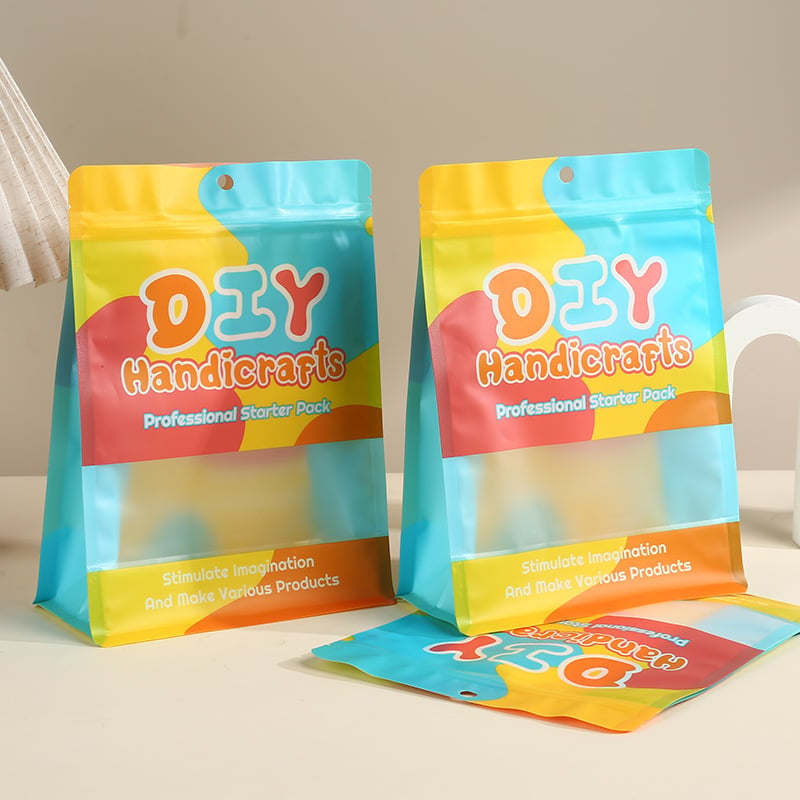
A candy bag serves as one of the most critical packaging components in the confectionery industry, directly influencing product presentation, shelf appeal, and customer perception. Understanding the factory specifications of a custom glossy finish candy bag is essential for businesses seeking to differentiate their offerings in a competitive market. The glossy finish not only enhances visual impact but also provides functional benefits including moisture resistance, durability, and professional appearance that resonate with modern consumers.
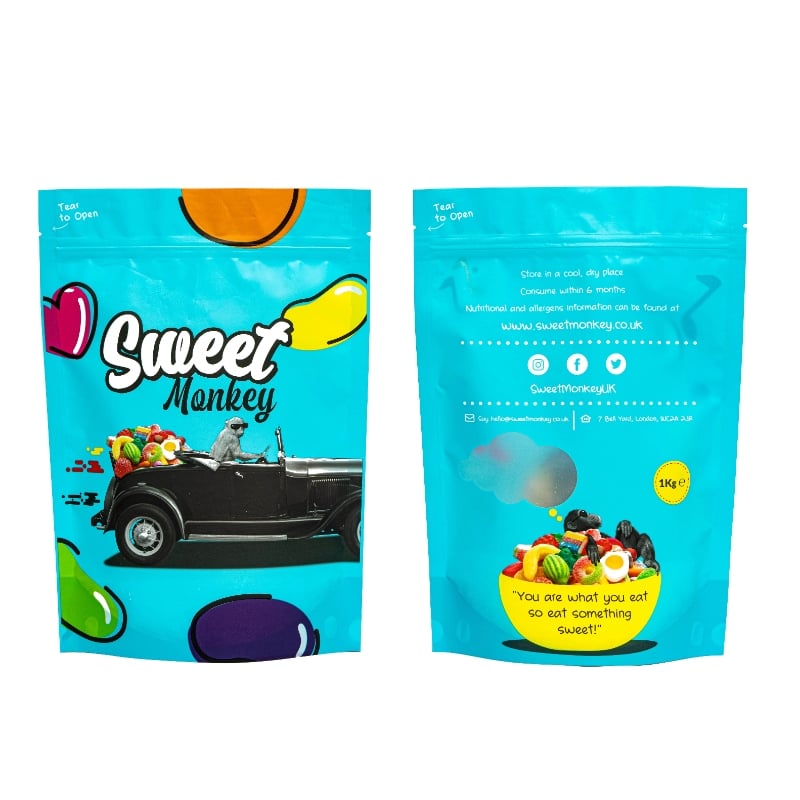
Manufacturing specifications for a custom candy bag with glossy finish involve precise material selection, production tolerances, and quality control protocols. When selecting a supplier for your candy bag needs, understanding these factory specifications ensures you receive packaging that meets your brand standards while maintaining cost efficiency and production reliability.
Material Composition and Technical Standards
Premium Substrate Selection
The foundation of any quality candy bag begins with material selection. Factory specifications typically call for high-grade polyethylene terephthalate (PET) or polyethylene (PE) films ranging from 0.08mm to 0.15mm in thickness. A premium candy bag supplier maintains strict material sourcing protocols to ensure consistency across production batches. The material must exhibit excellent tensile strength, puncture resistance, and flexibility to accommodate various candy shapes and sizes without compromising structural integrity during storage, transportation, and retail display.
Glossy Finish Coating Application
The glossy finish on a candy bag is achieved through specialized coating processes that apply a transparent protective layer to the film surface. Factory specifications mandate precise coating thickness between 2 and 5 microns to achieve optimal gloss levels while maintaining seal integrity. A well-manufactured candy bag with glossy finish exhibits a minimum gloss value of 80 degrees measured at 60-degree angle, ensuring that the packaging catches light effectively on store shelves. The coating application must be uniform across the entire candy bag surface, with no streaks, bubbles, or inconsistencies that could diminish product appeal or indicate quality concerns to consumers.
Dimensional and Functional Specifications
Size Customization and Tolerance Requirements
Factory specifications for a custom candy bag include precise dimensional tolerances that ensure compatibility with filling equipment, labeling systems, and display fixtures. Standard candy bag sizes range from small 50-gram pouches measuring 100mm × 150mm to larger family-size bags reaching 250mm × 350mm. Reputable candy bag manufacturers maintain tolerance limits of plus or minus 1mm on width and length to guarantee consistency. The gusset width, which provides structural support and allows the candy bag to stand upright on shelves, typically measures between 20mm and 50mm depending on capacity requirements and storage preferences.
Sealing Performance and Barrier Properties
A premium candy bag must deliver exceptional seal strength to protect contents from moisture, oxygen, and environmental contamination. Factory specifications require heat-seal performance of minimum 5 kilograms of force per 15mm of seal width, ensuring your candy bag maintains integrity throughout its shelf life. The glossy finish on a candy bag should not interfere with seal formation; quality suppliers employ precise temperature control during sealing operations to achieve consistent results. Many advanced candy bag designs include zipper closures or resealable features, which require specialized engineering to ensure the ziplock mechanism functions smoothly while maintaining the visual appeal of the glossy finish.
Quality Control and Production Standards
Visual Inspection and Defect Management
Factory specifications for a custom candy bag include comprehensive quality control protocols that identify and eliminate defective units before shipment. Each candy bag undergoes visual inspection for color consistency, gloss uniformity, seal integrity, and physical damage. Defect rates for premium candy bag production typically remain below 0.5%, with manufacturers investing in automated optical inspection systems to maintain these stringent standards. The glossy finish on a candy bag must be free from cloudiness, scratches, or dull patches that would compromise brand perception.
Printing and Customization Quality
When ordering a custom candy bag with printed designs, factory specifications mandate color accuracy and registration precision. High-quality candy bag suppliers employ flexographic or digital printing technologies capable of reproducing brand colors with Delta E values below 2.0, ensuring consistent visual representation across production runs. The glossy finish on a candy bag actually enhances print definition and color vibrancy, making this combination ideal for premium branding. Ink adhesion on the candy bag surface must withstand friction tests, ensuring logos and product information remain legible even after handling and transportation.
Certification and Compliance Documentation
A reputable candy bag manufacturer provides comprehensive documentation proving compliance with food contact regulations, including FDA Title 21 CFR Part 177 for plastics intended for food use. Each candy bag batch includes quality certificates, material composition reports, and testing results confirming the product meets specified standards. Factory specifications should address migration testing results for the glossy coating, ensuring any substances do not transfer to food products. Your candy bag supplier should offer full traceability, allowing you to track production dates and material sourcing for your entire order.
FAQ
What thickness should my custom candy bag have?
Standard candy bag thickness ranges from 0.08mm to 0.15mm depending on product weight and intended shelf life. Lighter candies require thinner material, while heavier products benefit from thicker films. Your candy bag supplier will recommend appropriate thickness based on your specific product requirements and expected storage conditions.
Does the glossy finish affect food safety?
High-quality glossy coatings applied to a candy bag are formulated specifically for food contact and comply with all regulatory requirements. The coating creates a protective barrier that actually enhances food safety by preventing external contamination. Your candy bag manufacturer should provide migration testing documentation confirming the glossy finish meets all food contact standards.
How long does production typically take for custom candy bags?
Production timeline for a custom candy bag order typically ranges from 10 to 20 business days depending on order volume, design complexity, and customization requirements. Expedited options are often available for rush orders. Your candy bag supplier can provide accurate timelines once specifications and quantities are confirmed.