
 EN
EN


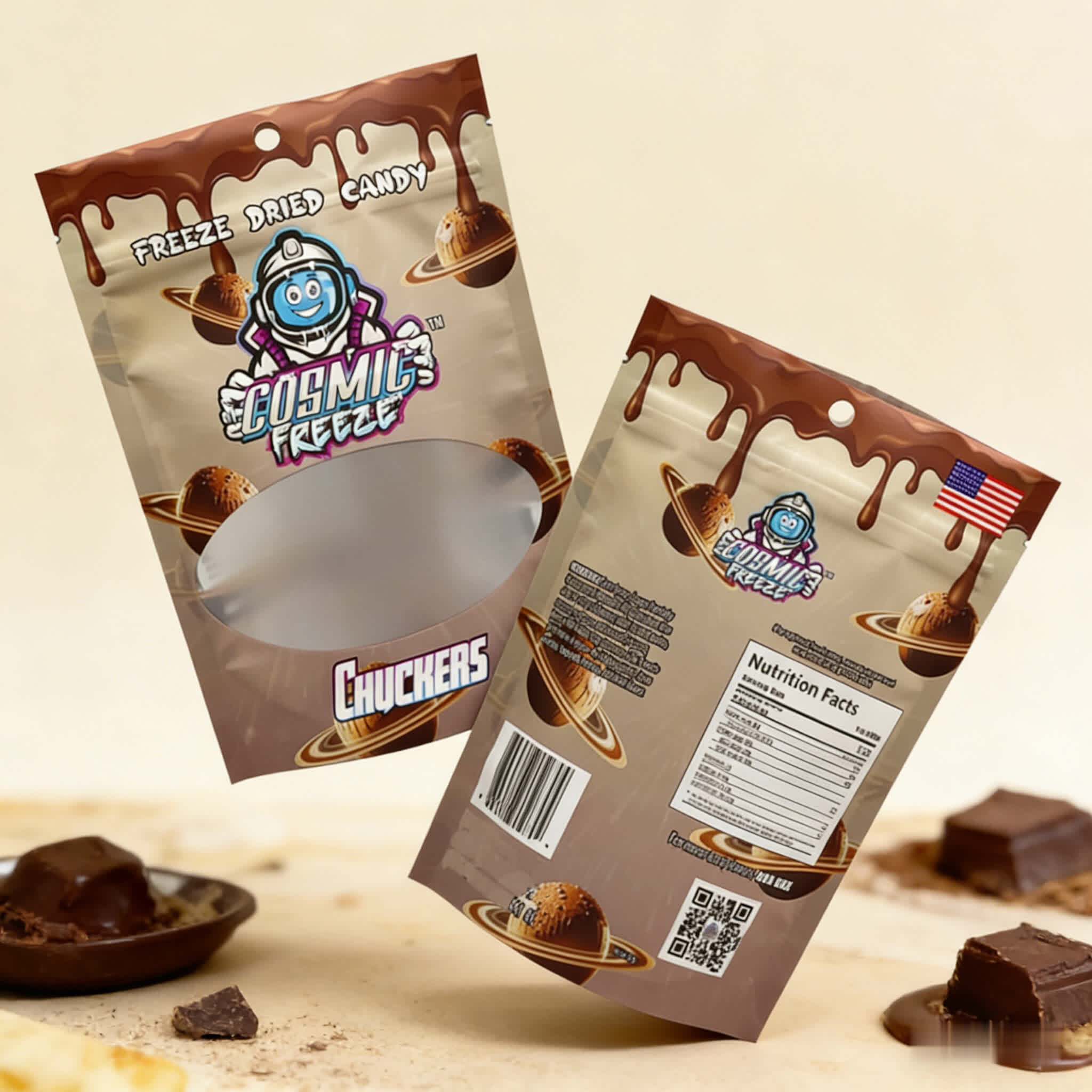
Selecting the right packaging solution for confectionery products requires understanding the technical specifications that define quality, durability, and visual appeal. A custom glossy finish candy bag represents a premium packaging choice for manufacturers and retailers seeking to elevate their product presentation while maintaining functional protection. The factory specifications of such packaging directly impact production costs, shelf life visibility, and consumer perception, making it essential to understand the detailed manufacturing standards that go into each candy bag produced.
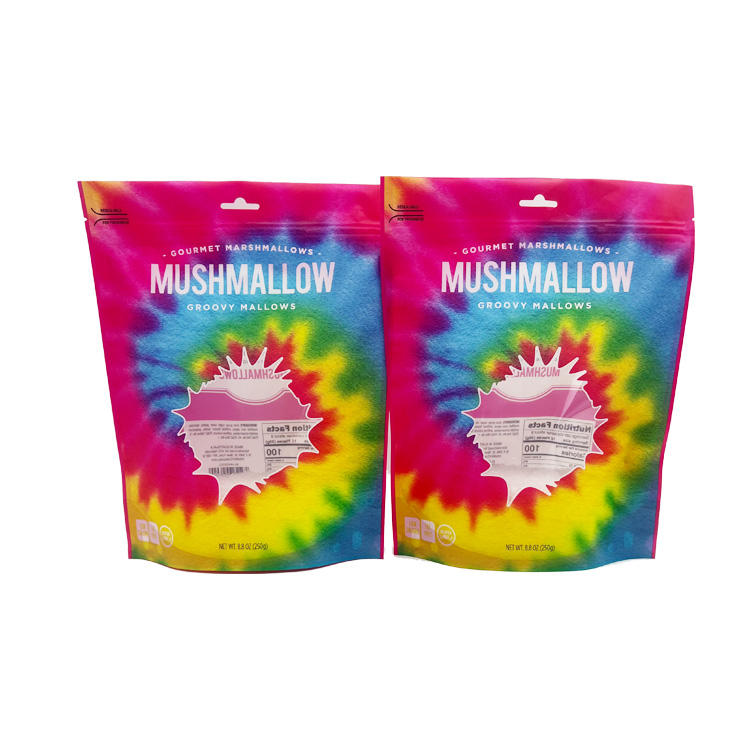
Professional candy bag suppliers maintain rigorous factory specifications to ensure every unit meets international quality standards and customer expectations. Understanding these specifications helps procurement professionals make informed decisions about material composition, thickness, seal strength, and printing capabilities. When evaluating candy bag options from suppliers, knowing the exact factory specifications allows businesses to align packaging with brand identity while optimizing cost efficiency and production timelines.
Material Composition and Thickness Standards
Base Material Selection for Candy Bags
The foundation of any quality candy bag begins with material selection that balances protection, clarity, and cost-effectiveness. Most professional candy bag manufacturers use polyethylene terephthalate (PET) or oriented polypropylene (OPP) as base materials, chosen for their excellent barrier properties and printability. The candy bag material thickness typically ranges from 60 microns to 120 microns, with thicker gauges providing enhanced durability for larger quantities or extended storage periods. Factory specifications for candy bag production require precise thickness uniformity across every bag, verified through automated quality control systems that measure gauge consistency throughout production runs.
Glossy Finish Application Process
Achieving a premium glossy finish on candy bag surfaces requires specialized coating application during the manufacturing process. Factory specifications mandate that the glossy coating be applied uniformly at controlled temperatures and speeds to prevent defects such as waviness or uneven sheen. The candy bag glossy finish is typically achieved through either surface coating or lamination of specialized films that provide both aesthetic appeal and additional protection against moisture and oxygen. Quality assurance protocols for candy bag production include gloss meter measurements ensuring the finish meets exact specifications, typically measured in gloss units ranging from 60 to 90 degrees depending on customer requirements.
Printing Capabilities and Color Specifications
Gravure Printing Technology for Candy Bags
Modern candy bag suppliers employ advanced printing technologies to deliver vibrant, durable designs that attract consumer attention and communicate brand messages effectively. Gravure printing stands as the industry standard for candy bag production, offering superior color consistency, fine detail reproduction, and efficient high-volume production capability. Factory specifications for candy bag gravure printing include precise color management systems that maintain pantone matching and ensure color uniformity across entire production batches. The candy bag printing process involves multiple color stations, with specifications typically allowing for up to eight-color printing on both front and back surfaces, enabling complex artwork and brand storytelling.
Design Window and Transparency Features
Strategic product visibility enhances consumer purchasing decisions, which is why many candy bag designs incorporate clear window sections that showcase the confectionery product inside. Factory specifications for candy bag window features include precise dimensional accuracy and material composition that maintains transparency while withstanding production stresses and handling. A quality candy bag with window design requires reinforced sealing zones around transparent areas to prevent leakage or bag failure during distribution. The candy bag window specifications must account for content weight, package orientation, and stacking pressures during transport and retail display, with factory testing confirming seal strength exceeds industry standards by minimum safety margins.
Sealing Strength and Functional Performance
Heat Sealing Standards for Candy Bags
Functional integrity depends fundamentally on reliable sealing that protects product freshness and prevents spillage during handling and transport. Factory specifications for candy bag sealing require minimum burst strength values measured in kilopascals, with typical performance standards ranging from 15 to 25 kPa depending on bag size and intended content weight. The candy bag seal design must balance security with consumer accessibility, incorporating tear notches or perforated edges that allow easy opening while maintaining structural integrity before use. Quality assurance testing for each candy bag production batch includes peel strength measurements, pressure decay tests, and mechanical stress evaluations to confirm seals maintain performance throughout the product lifecycle.
Barrier Properties and Shelf Life Protection
Preserving product quality requires candy bag specifications that control oxygen transmission rates and moisture vapor transmission, critical factors influencing confectionery shelf life and consumer safety. Factory specifications for oxygen transmission in candy bag materials typically require values below 50 cubic centimeters per square meter per day at standard test conditions, effectively preventing oxidative degradation of sensitive ingredients. The candy bag barrier properties are achieved through material selection, coating composition, and multi-layer lamination strategies that create protective barriers against environmental contaminants. Comprehensive factory testing of candy bag barrier performance includes accelerated shelf life studies simulating storage conditions, with results documented to support product dating and regulatory compliance across target markets.
Size Specifications and Customization Options
Dimensional Standards and Capacity Planning
Selecting appropriate candy bag dimensions requires alignment with product characteristics, packaging machinery, and retail shelf space constraints. Factory specifications accommodate standard candy bag sizes ranging from 50 millimeters by 80 millimeters pouches for individual portions through 200 millimeters by 300 millimeters formats for bulk confectionery packaging. Custom candy bag dimensions are achievable through specialized tooling and production setup, with factory specifications allowing flexibility in width, height, and gusset dimensions to optimize space efficiency and product presentation. The candy bag capacity must account for product density, settling characteristics, and acceptable fill-to-seal margins that ensure consistent weight and professional appearance across production batches.
Valve and Zipper Integration Options
Advanced candy bag functionality can incorporate resealable zippers or nitrogen flush valves that enhance product protection and consumer convenience. Factory specifications for candy bag zipper integration require precise positioning, secure attachment, and smooth operational functionality verified through destructive testing protocols. The candy bag valve options range from standard doypack-style designs with spout closures through sophisticated heat-sealed zippers providing multiple resealing cycles without degradation. When specifying custom candy bag features, manufacturers must communicate intended end-use scenarios, storage conditions, and consumer handling patterns to enable factory engineers to select appropriate valve and zipper specifications meeting performance requirements.
Quality Control and Compliance Standards
Testing Protocols for Candy Bag Production
Rigorous factory specifications require comprehensive testing protocols that verify every candy bag batch meets declared performance standards and customer expectations. Factory testing for candy bag quality includes tensile strength measurements, tear resistance evaluation, seal strength verification, and burst pressure testing conducted on statistical samples from each production run. The candy bag testing procedures follow international standards including ASTM D6775, ISO 14625, and equivalent protocols mandating minimum performance thresholds before batch release. Documentation of candy bag test results provides traceability and supports regulatory compliance for food contact materials across major markets including North America, Europe, and Asia-Pacific regions.
Food Safety and Material Certification
Confectionery packaging must comply with stringent food contact material regulations, requiring candy bag suppliers to maintain current certifications and material safety documentation. Factory specifications for candy bag materials mandate compliance with FDA food contact substance requirements, European Commission Regulation 10/2011, and equivalent regional standards ensuring materials pose no migration or contamination risks. The candy bag supplier certification includes heavy metal testing, overall migration assessments, and specific migration studies for additives, with results documented through certified third-party laboratories. Current factory specifications for candy bag production incorporate approved food-grade inks, approved adhesives for lamination processes, and materials meeting stringent safety requirements protecting consumer health and supporting brand reputation.
FAQ
What materials are typically used in premium candy bag manufacturing?
Premium candy bag production typically utilizes polyethylene terephthalate (PET) and oriented polypropylene (OPP) as base materials, chosen for superior barrier properties, printability, and durability. The candy bag materials are often combined through lamination techniques creating multi-layer structures that optimize protection, transparency, and shelf appeal. Factory specifications require materials meeting food safety standards and providing consistent performance across production batches and extended storage periods.
How does the glossy finish enhance candy bag visual appeal and protection?
The glossy finish on candy bag surfaces creates premium aesthetic presentation while providing practical protection against moisture, oxygen, and external contaminants. A candy bag glossy finish is achieved through specialized coating or lamination processes applied during manufacturing, delivering uniform sheen and enhanced color vibrancy. Beyond visual enhancement, the candy bag glossy coating strengthens material structure and improves handling durability during transportation, storage, and retail display environments.
What seal strength specifications should I verify when ordering custom candy bags?
When ordering candy bag solutions, verify minimum burst strength values typically ranging from 15 to 25 kilopascals and peel strength measurements confirming seal integrity. Factory specifications should document testing results confirming candy bag seals withstand product weight, stacking pressures, and environmental stresses anticipated during distribution. Request documentation of factory testing protocols and certification confirming candy bag performance meets your specific application requirements and regulatory compliance standards.