
 EN


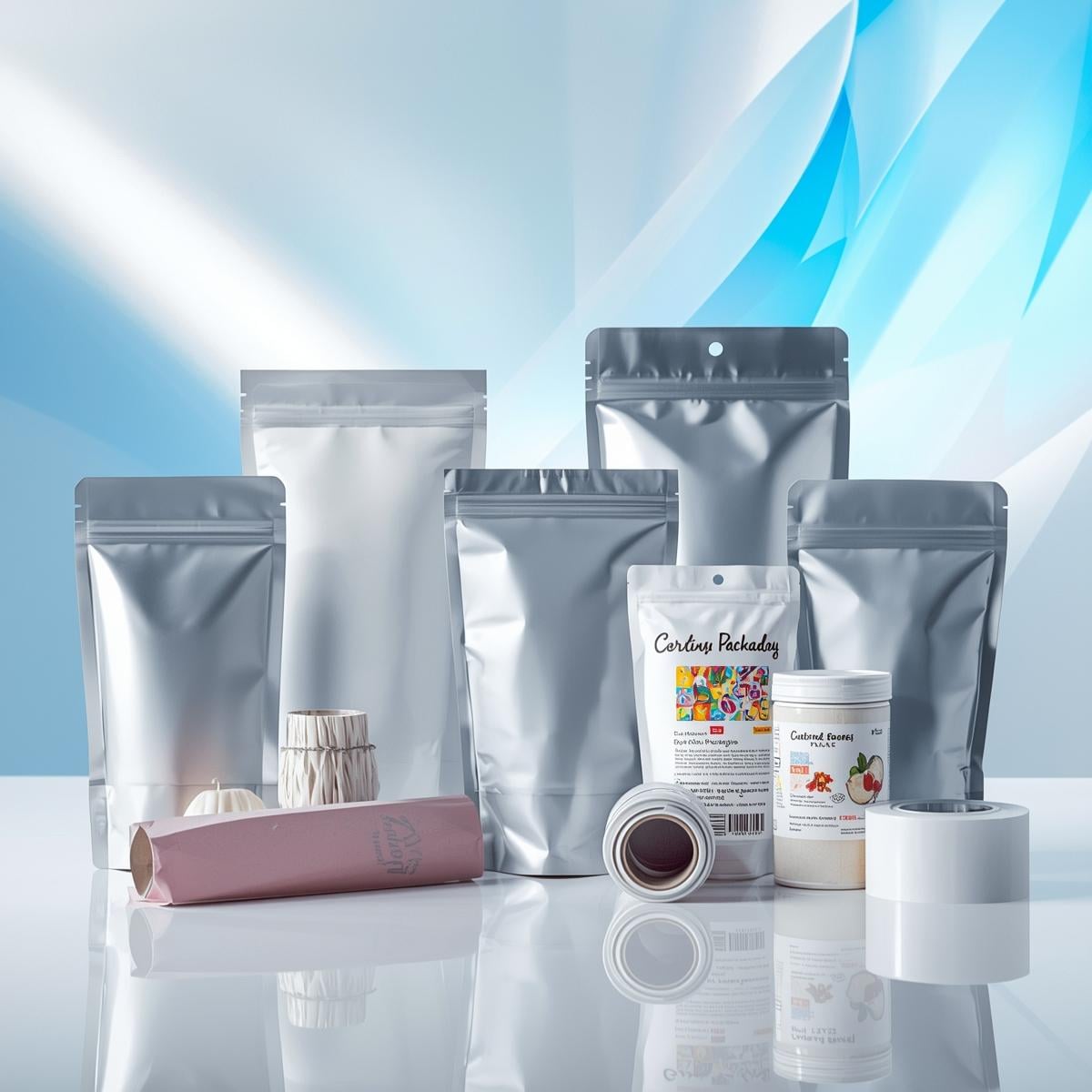
Manufacturing standards inside a custom printed moisture-proof foil bag factory represent the backbone of reliable packaging production. A foil bag serves as a critical barrier for product protection, shelf stability, and brand presentation across food, pharmaceutical, nutraceutical, and industrial sectors. Understanding the manufacturing standards that govern foil bag production ensures that every unit leaving the facility meets consumer expectations, regulatory compliance, and performance benchmarks. This article explores the comprehensive standards, quality control protocols, and operational requirements that define modern foil bag manufacturing environments.
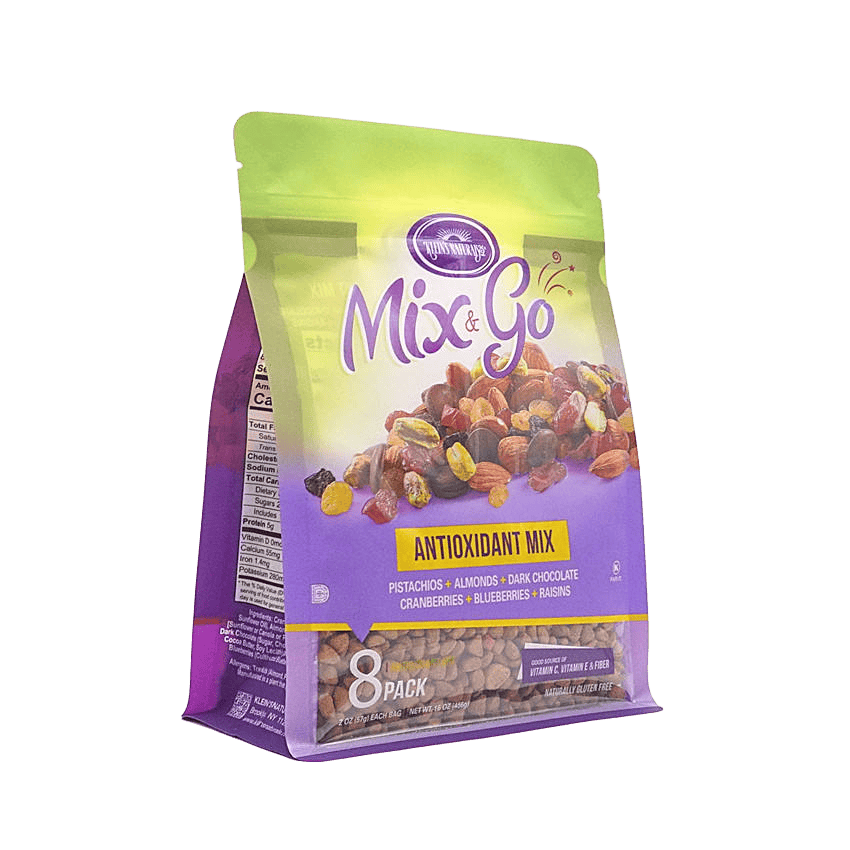
The foil bag production environment demands strict adherence to both international and industry-specific standards. Factories manufacturing custom printed foil bags must integrate quality assurance at every production stage, from raw material inspection through final packaging and labeling. These standards address material composition, barrier performance, seal integrity, printing precision, and contamination prevention. Compliance with these requirements protects end consumers, maintains brand reputation, and reduces costly product recalls or quality failures in the marketplace.
Material and Barrier Performance Standards for Foil Bag Production
Raw Material Specifications and Foil Bag Composition
The foundation of any reliable foil bag begins with rigorous raw material selection and testing. Manufacturers sourcing materials for custom foil bag production must verify that aluminum foil meets minimum thickness specifications, typically ranging from 7 to 12 microns for flexible packaging applications. Each foil bag supplier must provide certificates of analysis confirming material purity, tensile strength, and absence of contaminants such as heavy metals or chemical residues. Polyethylene or polypropylene layers bonded to the foil within a foil bag structure must also meet FDA and EU regulations regarding food contact materials.
Moisture and Oxygen Barrier Requirements
A foil bag is specifically engineered to provide exceptional moisture vapor transmission rate (MVTR) and oxygen transmission rate (OTR) performance. Industry standards typically require that a foil bag maintains an MVTR below 0.5 grams per square meter per 24 hours under standardized test conditions. Oxygen barrier performance for a foil bag must limit transmission to less than 2 cubic centimeters per square meter per 24 hours at 23 degrees Celsius and 50 percent relative humidity. These foil bag barrier properties are verified through ASTM D6868, ISO 2528, and comparable international test methods that replicate real-world storage conditions. Factories manufacturing custom foil bag products must document barrier performance data for each production batch, ensuring that every foil bag unit meets these critical specifications before reaching customers.
Print Quality, Seal Integrity, and Production Controls
Printing Standards and Custom Foil Bag Design Verification
Custom printed foil bags require precise color matching, registration accuracy, and ink adhesion to aluminum and polymer substrates. Manufacturing standards for a foil bag printing process typically specify color deviation limits of Delta E values below 2 units, ensuring visual consistency across production runs. A foil bag printer must verify that custom artwork aligns within plus or minus 2 millimeters of intended positions, particularly for important marketing graphics, barcodes, and regulatory text. Ink formulations used on a foil bag must be certified as food-grade, solvent-resistant, and non-toxic, with documentation confirming compliance with FDA Code of Federal Regulations Title 21 Part 178. Quality control personnel in a foil bag factory inspect printed samples from each production shift, measuring ink density, color uniformity, and absence of streaking, pinholes, or ink bleeding that could compromise a foil bag's aesthetic or functional appeal.
Seal Integrity and Heat-Sealing Process Control
The seal strength and integrity of a foil bag directly impact product freshness and contamination prevention. Manufacturing standards require that factories performing heat-sealing operations on a foil bag maintain strict temperature, pressure, and dwell time parameters documented through statistical process control (SPC) charts. A foil bag seal must achieve minimum peel strength of 2.5 newtons per 15 millimeters when tested according to ASTM F88 standards, confirming that the seal can withstand normal handling without compromising barrier function. Factories regularly conduct seal strength testing on samples from each production batch, comparing results against established control limits; any foil bag units from runs that fall below performance thresholds are segregated and reworked or destroyed to prevent defective products from reaching end users. Environmental monitoring inside a foil bag manufacturing facility tracks humidity and temperature fluctuations that could influence seal quality, since moisture and temperature gradients can weaken seal strength or cause premature separation.
Contamination Control and Regulatory Compliance Standards
Environmental Monitoring and Cleanroom Standards for Foil Bag Manufacturing
Facilities producing custom foil bags for food, pharmaceutical, or nutraceutical applications must implement contamination control protocols equivalent to cleanroom environments when handling sensitive products. A foil bag factory serving pharmaceutical or sterile-sensitive markets may maintain ISO Class 7 or 8 cleanroom conditions with HEPA filtration, controlled air pressure, and restricted employee access. All personnel working in foil bag production areas undergo training in good manufacturing practices (GMP), personal hygiene, and contamination prevention. A foil bag manufacturing space includes separate zones for raw material storage, printing, sealing, and finished goods, with defined traffic flows that minimize cross-contamination risks. Environmental monitoring of a foil bag factory includes regular surface swabs, air particle counts, and microbial testing to verify that pathogens, allergens, or chemical contaminants do not compromise product integrity during production.
Regulatory Compliance and Documentation Requirements
A foil bag factory must maintain comprehensive documentation demonstrating compliance with FDA food facility regulations, EU regulation 1935/2004 for food contact materials, and industry-specific guidelines such as those published by the Flexible Packaging Association. Every foil bag production batch must include traceable records of raw material origins, lot numbers, test results, production parameters, and quality inspections performed. A foil bag manufacturer working with customers must provide certificates of conformance, material safety data sheets (MSDS), and test reports substantiating barrier properties, seal strength, and regulatory compliance. Periodic third-party audits of a foil bag facility verify adherence to these standards, identifying any process deviations or non-conformances that require corrective action before product shipment. foil bag manufacturers that maintain these rigorous compliance programs build customer confidence and protect their reputation in competitive markets.
Performance Testing and Continuous Improvement in Foil Bag Production
Accelerated Shelf-Life Testing and Real-Time Performance Verification
Beyond routine production testing, a foil bag manufacturer typically conducts accelerated shelf-life studies to simulate extended storage conditions and verify that barrier performance remains consistent over the intended product lifecycle. A foil bag sample is stored under elevated temperature and humidity conditions, typically 38 degrees Celsius and 90 percent relative humidity, for periods ranging from three to six months. Oxygen and moisture absorption are measured at regular intervals to confirm that a foil bag protects contents against oxidative degradation, moisture pickup, or flavor loss. A foil bag factory may also perform drop tests, puncture resistance tests, and seal strength retention studies after simulated storage to ensure that a foil bag structure withstands distribution hazards and maintains barrier integrity throughout the supply chain.
Continuous Improvement and Process Optimization
Modern foil bag manufacturers employ statistical analysis, root cause investigation, and preventive maintenance programs to continuously improve production consistency and reduce defect rates. A foil bag factory tracks key performance indicators such as seal strength variation, print registration accuracy, barrier test pass rates, and customer complaint frequencies. Operators working with a foil bag production line receive regular training on new materials, emerging standards, and best practices that enhance quality and efficiency. Feedback from end-customers regarding foil bag performance informs process adjustments, equipment upgrades, and material changes that optimize product reliability and cost-effectiveness. This commitment to continuous improvement ensures that a foil bag facility remains competitive while consistently meeting and exceeding customer expectations for product quality and performance.
FAQ
What manufacturing standards must a foil bag factory follow?
A foil bag factory must comply with FDA food facility regulations, ISO and ASTM test standards for barrier performance and seal strength, and industry-specific guidelines from organizations like the Flexible Packaging Association. Each foil bag batch requires documentation of raw material testing, production parameters, quality inspections, and barrier performance verification. Facilities serving pharmaceutical or sensitive markets may require ISO 7 or 8 cleanroom certification, GMP compliance, and environmental monitoring protocols. These foil bag manufacturing standards ensure product safety, regulatory compliance, and consistent quality across all production runs.
How is seal strength measured and controlled in foil bag production?
Seal strength in a foil bag is measured using ASTM F88 peel strength testing, which evaluates the force required to separate a sealed foil bag seam. Manufacturing standards typically require a foil bag seal to achieve minimum peel strength of 2.5 newtons per 15 millimeters of seal width. A foil bag factory monitors seal strength through samples drawn from each production shift, with results tracked on statistical control charts. If a foil bag sample falls below established control limits, production is halted, equipment is adjusted, and additional testing is performed before resuming foil bag manufacturing.
What barrier performance standards apply to moisture-proof foil bags?
Moisture-proof foil bag standards typically specify moisture vapor transmission rates (MVTR) below 0.5 grams per square meter per 24 hours and oxygen transmission rates below 2 cubic centimeters per square meter per 24 hours at standard test conditions. These foil bag barrier properties are verified using ASTM D6868, ISO 2528, and comparable test methods that replicate real-world storage. A foil bag manufacturer conducts barrier testing on samples from each production batch to confirm that the foil bag meets these critical specifications before shipment to customers.