
 EN


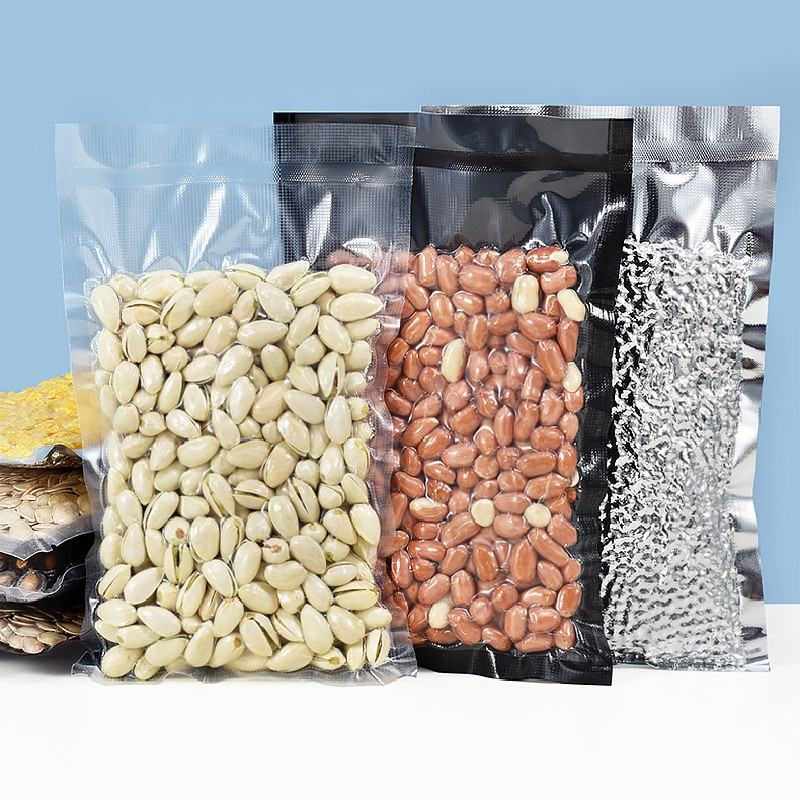
Selecting the right manufacturer for custom vacuum bags is a critical business decision that directly impacts your product quality, operational efficiency, and brand reputation. The vacuum bag market has grown significantly in recent years, with food producers, retailers, and logistics companies all depending on reliable vacuum bag solutions for preservation, protection, and shelf appeal. When you invest in a custom vacuum bag partnership, you're not simply ordering packaging materials—you're establishing a relationship that will influence your supply chain consistency, cost structure, and customer satisfaction for years to come. Understanding how to evaluate potential vacuum bag manufacturers ensures that your final product meets industry standards, regulatory requirements, and consumer expectations.
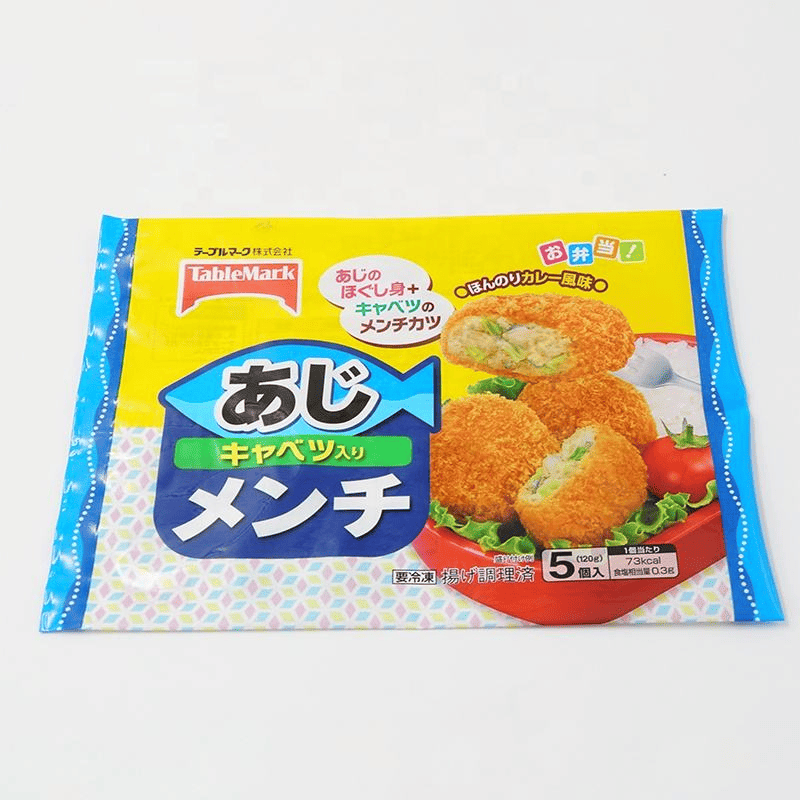
The process of finding and vetting a custom vacuum bag manufacturer requires careful attention to manufacturing capabilities, material quality, production standards, and service reliability. Food-grade vacuum bag production involves strict compliance with food safety regulations, proper material composition, seal integrity, and performance testing—areas where manufacturer expertise becomes non-negotiable. Whether you're packaging frozen seafood, fresh produce, processed meat, or prepared meals, your vacuum bag choice affects product longevity, barrier protection, and customer experience. This guide walks you through the essential criteria for evaluating custom vacuum bag manufacturers and making an informed partnership decision.
Understanding Custom Vacuum Bag Manufacturing Capabilities
Production Technology and Equipment Standards
A reputable vacuum bag manufacturer operates modern production facilities equipped with advanced machinery designed specifically for creating high-performance vacuum bags. The manufacturing process for vacuum bags involves multiple precision steps, including material selection, film extrusion or sourcing, lamination, printing, and sealing. Quality manufacturers invest in equipment that maintains tight tolerances for bag dimensions, seal strength, and puncture resistance. When evaluating a custom vacuum bag manufacturer, ask about their production machinery, maintenance schedules, and quality control checkpoints. A manufacturer using outdated equipment or manual processes will likely struggle to maintain consistency across large production runs, leading to defects, leaks, or seal failures that compromise your product.
Material Selection and Food Safety Compliance
The materials used in your vacuum bag determine its performance characteristics and regulatory standing. A professional vacuum bag manufacturer sources films and materials that comply with food contact regulations, including FDA standards for direct food contact and local food safety directives. The vacuum bag material must provide adequate oxygen barriers to preserve product freshness, resist puncture during transport, and maintain seal integrity over extended shelf life. Reputable manufacturers can provide documentation proving material certifications, testing reports, and compliance statements for each batch. When you work with a vacuum bag manufacturer, verify that they can supply materials suitable for your specific product type—whether frozen goods, vacuum-sealed proteins, or ambient-temperature packed items.
Evaluating Quality Standards and Certification
Testing Protocols and Performance Verification
Premium vacuum bag manufacturers conduct rigorous testing to ensure every batch meets performance specifications. This includes seal strength testing, oxygen transmission rate (OTR) measurements, moisture barrier testing, and drop-impact evaluations. The vacuum bag manufacturer should maintain documented test results for each production run and provide samples or reports upon request. Third-party testing or certification from recognized standards bodies (such as ISO certifications) demonstrates that a vacuum bag manufacturer operates under controlled quality systems. Ask potential manufacturers whether they perform internal testing, external verification, or both. A vacuum bag manufacturer that skips or minimizes testing shortcuts quality and exposes your business to product failures, customer complaints, and potential liability.
Regulatory Compliance and Industry Standards
Operating in food packaging means your vacuum bag manufacturer must navigate multiple regulatory environments depending on your target markets. In the United States, FDA compliance is essential; in Europe, regulations such as EU Regulation 10/2011 govern food contact materials. A knowledgeable vacuum bag manufacturer will have already mapped the regulatory landscape for common markets and can advise you on compliance requirements. They should maintain certifications, undergo regular audits, and stay current with regulatory updates. When communicating with a vacuum bag manufacturer, inquire about their regulatory expertise, documentation systems, and ability to serve your specific geographic markets. Choosing a manufacturer with proven compliance history protects your business from recalls, regulatory penalties, and market access problems.
Assessing Manufacturing Partnership Fit and Reliability
Production Capacity, Lead Times, and Scalability
Your vacuum bag manufacturer must have production capacity that aligns with your current volume and accommodates future growth. Before committing to a vacuum bag manufacturer, discuss their monthly capacity, typical lead times, and minimum order quantities. Some custom vacuum bag manufacturers operate with tight capacity margins and cannot absorb sudden volume spikes; others maintain flexible production schedules that adapt to business fluctuations. Understanding a vacuum bag manufacturer's scalability ensures that you won't face supply disruptions as your business grows. Additionally, clarify whether the manufacturer can offer expedited production for urgent orders and whether they maintain safety stock for repeat designs. A reliable vacuum bag manufacturer demonstrates realistic capacity planning and transparent communication about timeline constraints.
Customization Options and Technical Support
Tailoring the vacuum bag to your exact specifications—including dimensions, layer configuration, printing design, and closure style—is a key value from a custom manufacturer. The ideal vacuum bag manufacturer doesn't simply offer off-the-shelf products but collaborates with you to design bags that optimize your packaging process and shelf presentation. This involves sampling, prototype development, and iterative refinement before full production. A service-oriented vacuum bag manufacturer assigns technical support staff who understand your product requirements, communicate clearly, and solve problems proactively. During your evaluation, assess whether the manufacturer encourages questions, provides detailed specifications, and explains how design choices impact cost, performance, and production timelines. Long-term partnership success depends on a vacuum bag manufacturer who views you as a partner, not just a transaction.
Building Long-Term Supplier Relationships
Communication, Documentation, and Transparency
Effective supplier relationships depend on clear communication and detailed documentation. Your vacuum bag manufacturer should maintain updated records of your specifications, past orders, quality results, and any technical discussions. When you contact the manufacturer with questions or concerns, responses should be timely and substantive. vacuum bag manufacturers that prioritize transparency provide regular updates on order status, potential issues, and material or process changes. They should be willing to schedule periodic reviews to discuss performance, quality metrics, and opportunities for improvement. A vacuum bag manufacturer that communicates openly builds trust and creates conditions for continuous optimization of your packaging solution.
Cost Competitiveness and Value Delivery
While cost matters, the cheapest vacuum bag manufacturer isn't always the best choice. Price should reflect material quality, manufacturing precision, compliance standards, and service level. A vacuum bag manufacturer offering significantly lower prices than competitors may be cutting corners on materials, testing, or labor, leading to quality compromises that ultimately cost you more through product loss, customer dissatisfaction, or compliance problems. Instead, evaluate vacuum bag manufacturers based on total cost of ownership—considering material quality, defect rates, lead time reliability, and technical support. Request transparent pricing that breaks down material costs, production fees, and any surcharges. This allows you to understand the vacuum bag manufacturer's value proposition and make fair comparisons across potential partners.
FAQ
What should I look for in a vacuum bag manufacturer's quality certifications?
Look for manufacturers holding ISO 9001 (quality management), ISO 22000 or HACCP certifications (food safety), and FDA compliance documentation. Request evidence of third-party testing results for seal strength, oxygen barrier properties, and material composition. A credible vacuum bag manufacturer will provide these certifications proactively and explain how their quality systems ensure consistent performance across production batches.
How do I know if a vacuum bag manufacturer can meet my production timeline and volume requirements?
Discuss your monthly volume forecast, seasonal demand fluctuations, and lead time expectations with the manufacturer. Ask about their current capacity utilization, typical production timelines for custom designs, and minimum order quantities. Request references from existing customers with similar volume profiles. A responsive vacuum bag manufacturer will provide honest capacity assessments and explain how they handle demand surges.
What questions should I ask about material composition and food safety compliance for vacuum bags?
Inquire about the specific film materials used, barrier properties (oxygen transmission rate, moisture barrier), and whether the vacuum bag composition complies with FDA regulations and your target market requirements. Request material safety data sheets (MSDS), migration test results, and documentation proving food contact approval. Ask the vacuum bag manufacturer to explain how their material selection supports your product's shelf life requirements and storage conditions.