Advanced Food Packaging Solutions - Innovative Protection Technology for Modern Food Industry

Get a Free Quote

Our representative will contact you soon.
Email
Name
Company Name
Mobile/WhatsApp
Message
0/1000

food packaging solutions

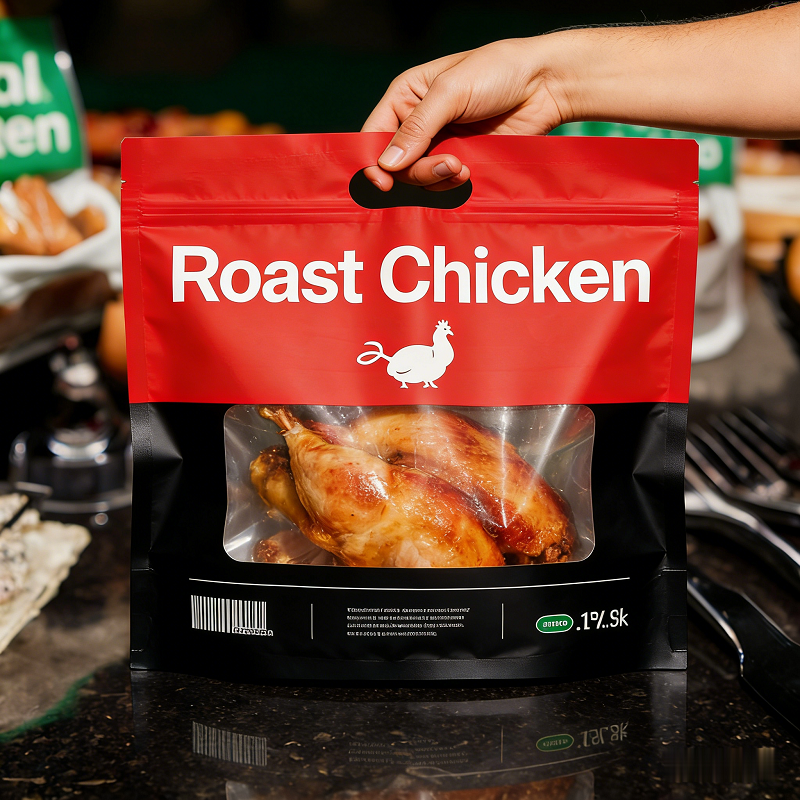
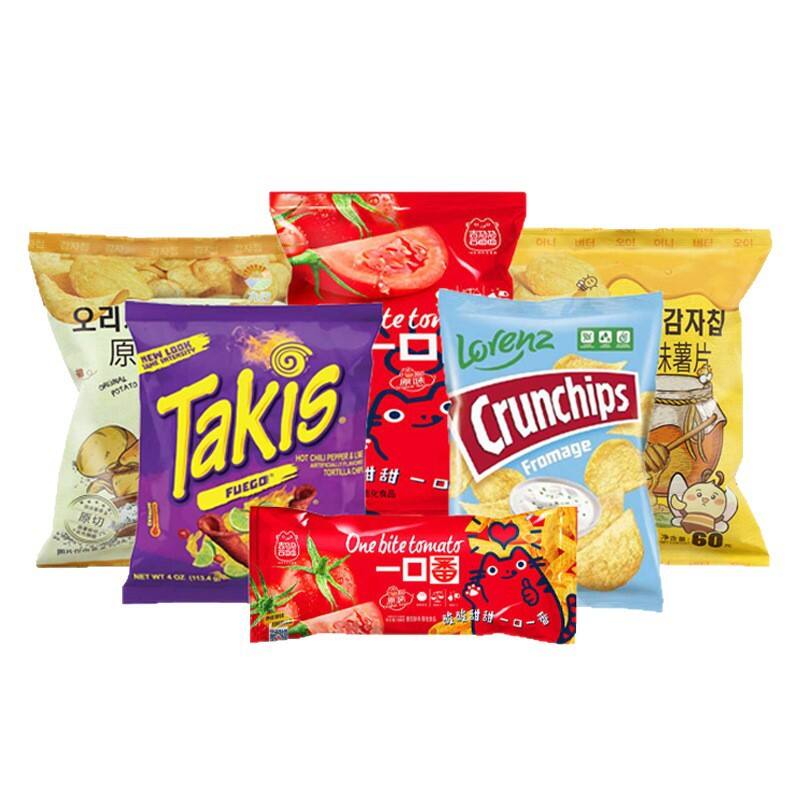
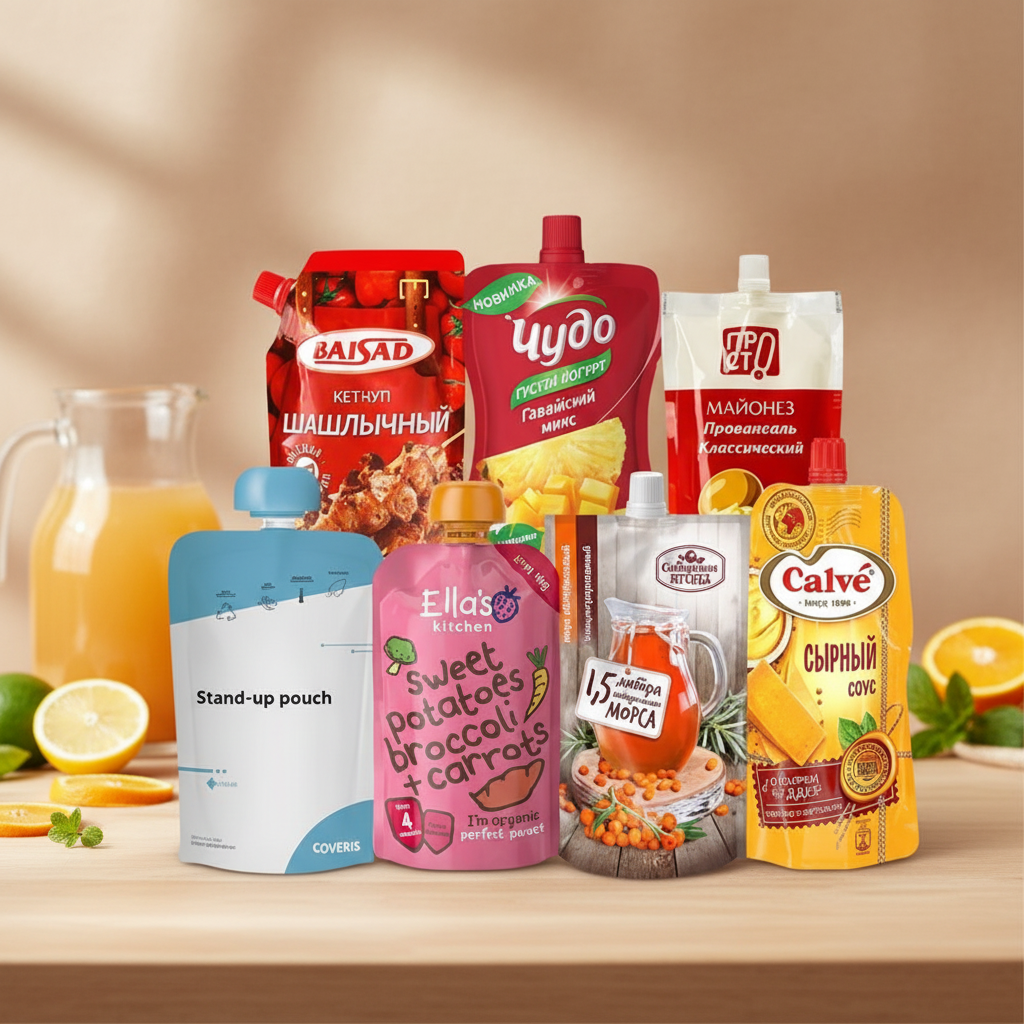
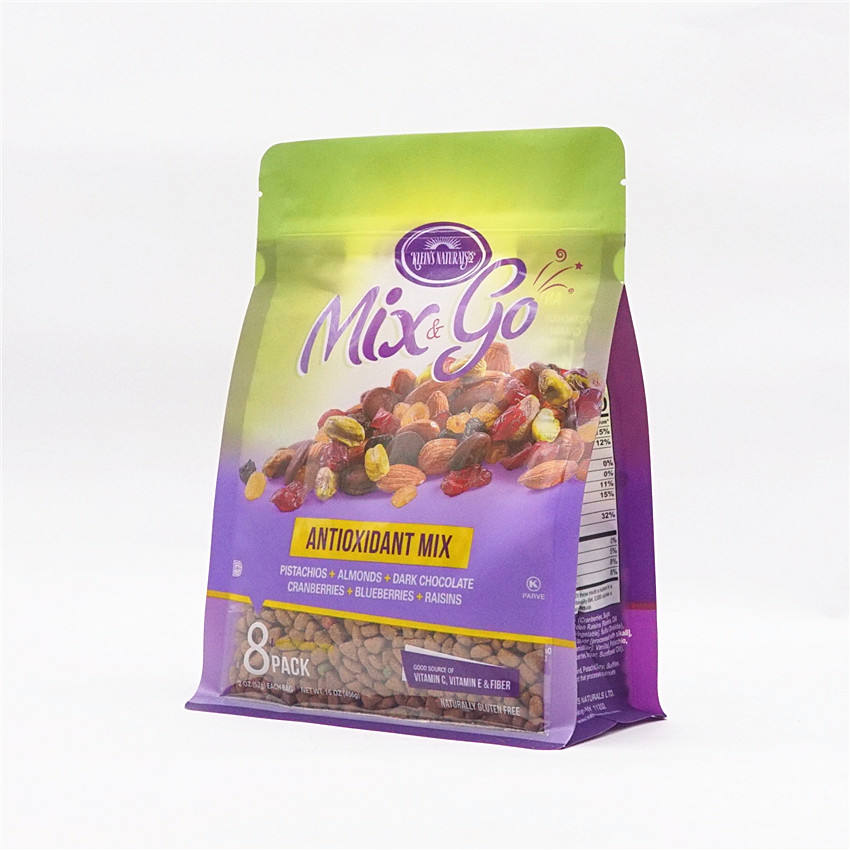
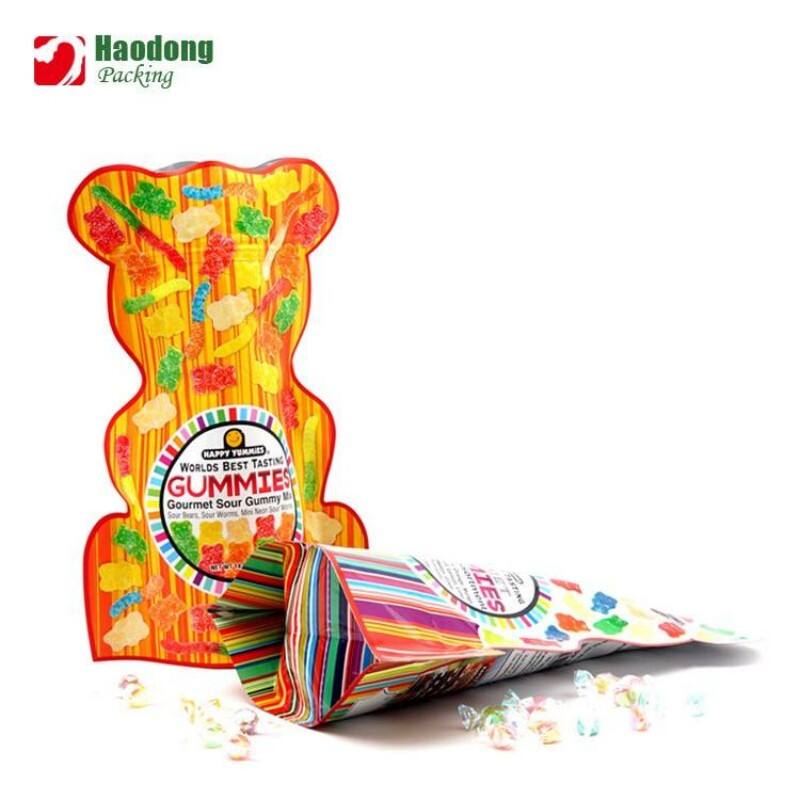
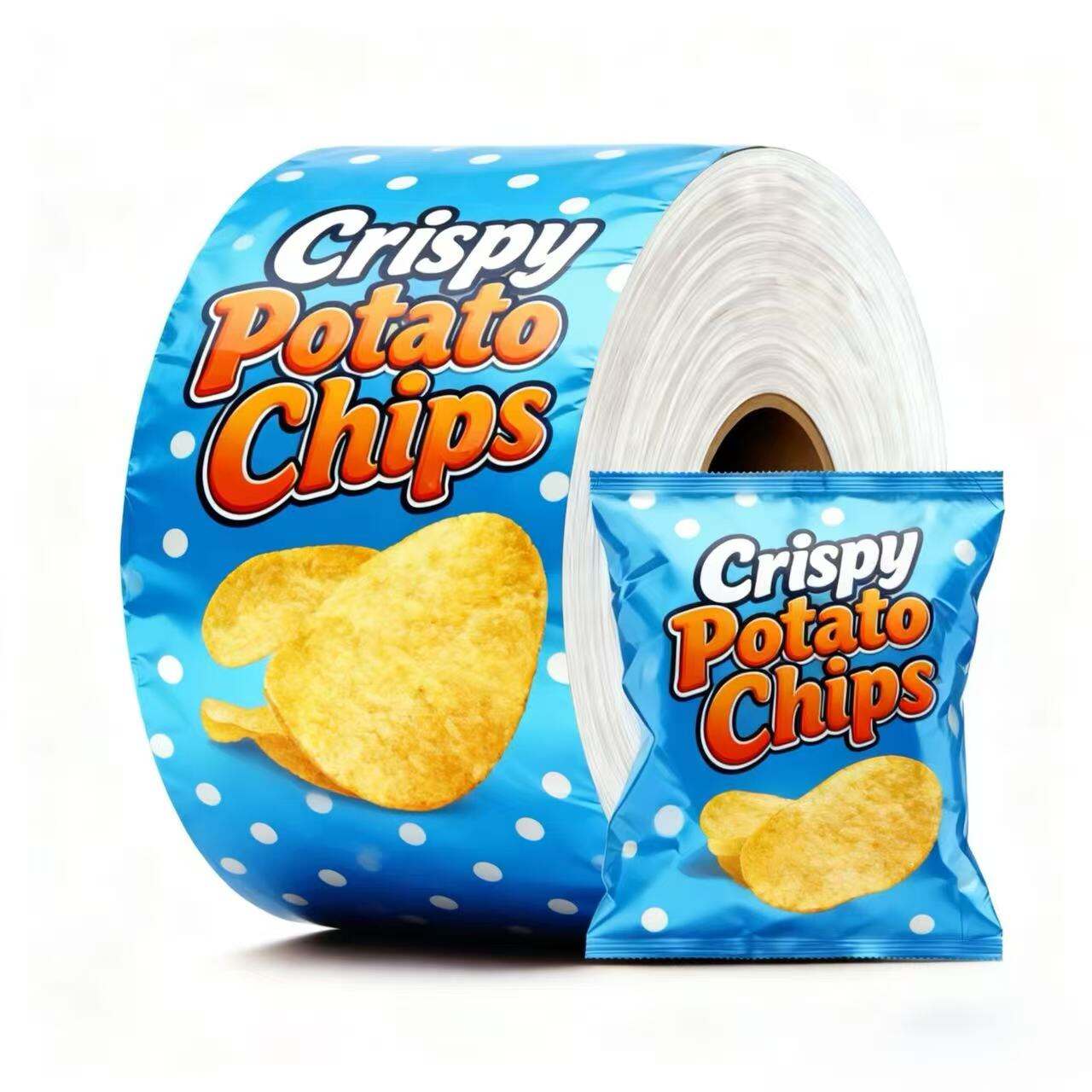
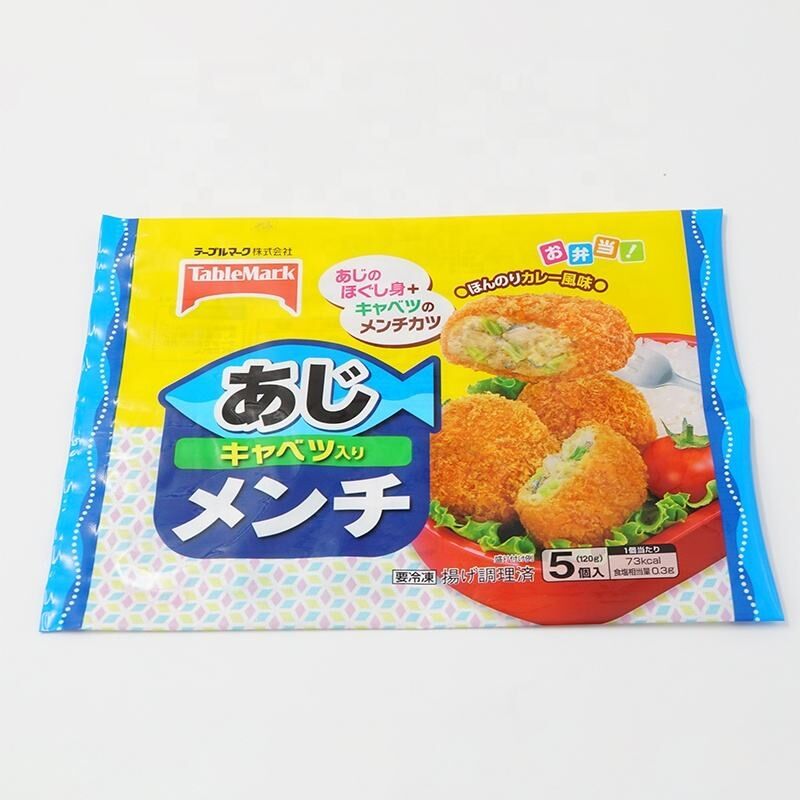
Food packaging solutions represent a comprehensive range of technologies and materials designed to protect, preserve, and present food products throughout their journey from production to consumption. These innovative systems serve multiple critical functions that extend far beyond simple containment. The primary purpose of modern food packaging solutions involves creating protective barriers against environmental factors such as oxygen, moisture, light, and microbial contamination that can compromise food quality and safety. Advanced food packaging solutions incorporate sophisticated materials science, incorporating multilayer films, active packaging components, and intelligent monitoring systems. These technological features enable precise control over the internal atmosphere surrounding food products, maintaining optimal conditions for extended shelf life. Smart packaging technologies integrate sensors and indicators that monitor temperature fluctuations, freshness levels, and potential contamination throughout the supply chain. The applications of contemporary food packaging solutions span across diverse sectors including fresh produce, dairy products, meat and poultry, baked goods, beverages, and processed foods. Each application requires specialized approaches tailored to specific preservation requirements and consumer preferences. Sustainable food packaging solutions have emerged as critical components addressing environmental concerns while maintaining product integrity. These eco-friendly alternatives utilize biodegradable materials, reduced plastic content, and recyclable components without compromising protective capabilities. Modified atmosphere packaging represents another significant advancement in food packaging solutions, replacing natural air with carefully controlled gas mixtures to slow deterioration processes. Vacuum packaging and aseptic packaging technologies further demonstrate the sophisticated engineering behind modern food packaging solutions. The integration of barrier properties, thermal processing compatibility, and consumer convenience features makes these systems indispensable for global food distribution networks, ensuring products reach consumers in optimal condition regardless of geographical distances or storage duration.

New Product Recommendations

Food packaging solutions deliver substantial benefits that directly impact business operations and customer satisfaction across the entire food supply chain. These systems significantly reduce food waste by extending product shelf life through advanced preservation technologies, enabling businesses to minimize losses while maximizing profitability. The protective barriers created by modern food packaging solutions prevent contamination from harmful bacteria, viruses, and environmental pollutants, ensuring consumer safety and building brand trust. Companies implementing comprehensive food packaging solutions experience improved inventory management capabilities, as longer shelf life allows for better stock rotation and reduced emergency restocking situations. Transportation efficiency increases dramatically with robust food packaging solutions that withstand handling stresses, temperature variations, and moisture exposure during long-distance shipping. Retailers benefit from enhanced product presentation through clear, attractive packaging that showcases food items while maintaining freshness, leading to increased sales and customer loyalty. The convenience features integrated into contemporary food packaging solutions, such as easy-open mechanisms, resealable closures, and portion control designs, directly respond to consumer preferences for user-friendly products. Manufacturing facilities utilizing advanced food packaging solutions achieve greater production efficiency through automated packaging lines, reduced material waste, and consistent quality control standards. Cost savings emerge from multiple sources when implementing optimized food packaging solutions, including reduced spoilage rates, lower return merchandise costs, and decreased liability exposure from contamination incidents. Supply chain partners appreciate the reliability of properly packaged products, leading to stronger business relationships and improved distribution agreements. Environmental benefits accompany sustainable food packaging solutions that incorporate recyclable materials and reduced packaging volumes, helping companies meet corporate responsibility goals while appealing to environmentally conscious consumers. Quality assurance becomes more manageable with food packaging solutions that include traceability features and tamper-evident seals, providing transparency throughout the distribution process. Market expansion opportunities increase when food packaging solutions enable products to reach previously inaccessible geographic markets through extended shelf stability and enhanced protection during international shipping.

Latest News

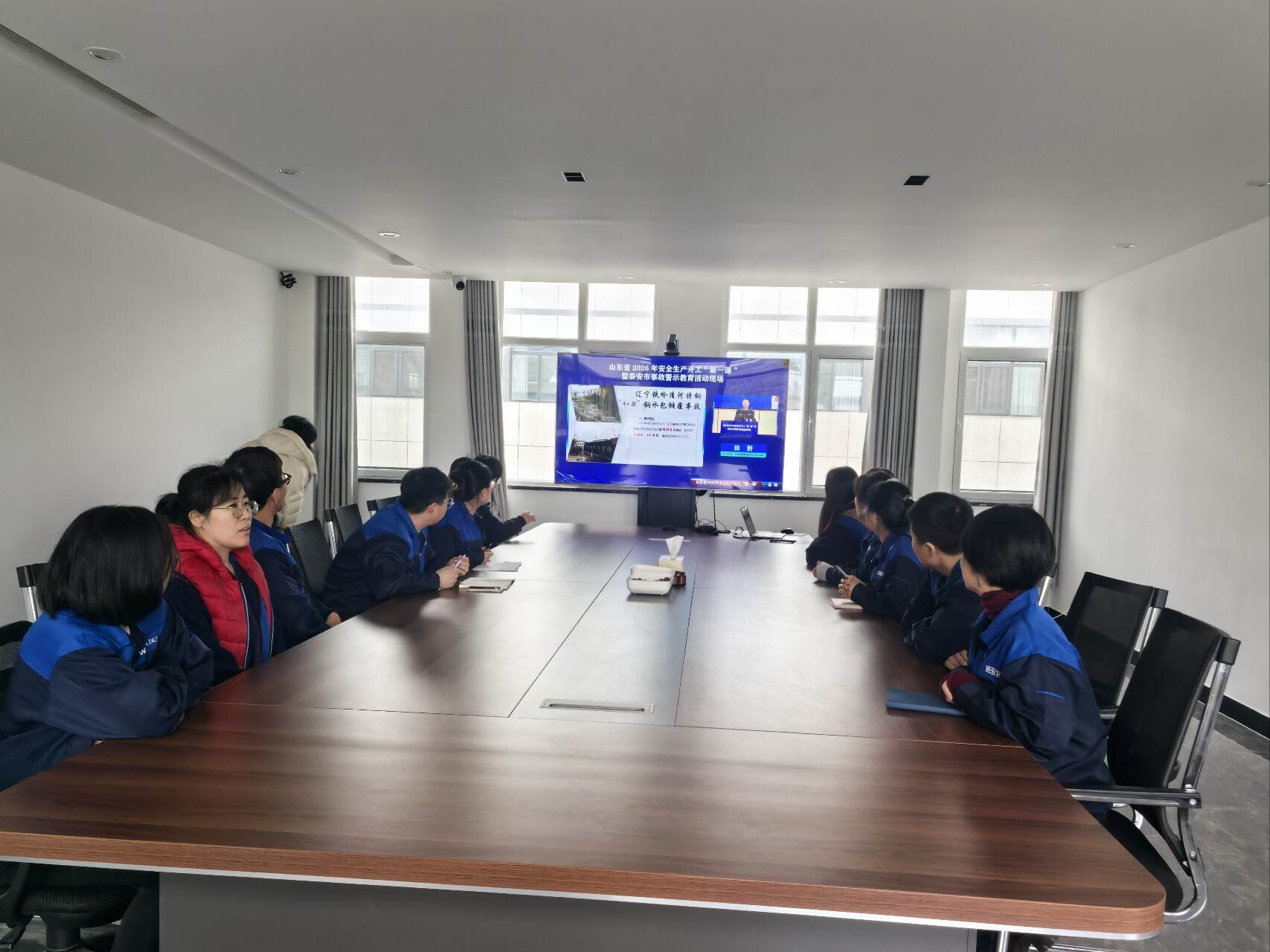
Factory Resumes Work After Spring Festival Holiday: Safety Training First, Orderly Production Restarted

30

Mar

Factory Resumes Work After Spring Festival Holiday: Safety Training First, Orderly Production Restarted

View More

Get a Free Quote

Our representative will contact you soon.
Email
Name
Company Name
Mobile/WhatsApp
Message
0/1000

food packaging solutions

Advanced Barrier Technology for Maximum Food Protection

Advanced Barrier Technology for Maximum Food Protection

The cornerstone of effective food packaging solutions lies in advanced barrier technology that creates impermeable shields against multiple environmental threats simultaneously. This sophisticated technology employs multilayer film structures combining different polymeric materials, each contributing specific protective properties to create comprehensive defense systems. Oxygen barrier layers prevent oxidative reactions that cause rancidity in fats and oils while maintaining the vibrant colors and nutritional content of fresh foods. Moisture barriers control water vapor transmission, preventing dehydration in products requiring high moisture retention while simultaneously blocking external humidity that could promote microbial growth. These food packaging solutions utilize nanoscale coatings and specialized polymer blends that maintain integrity under various temperature conditions, ensuring consistent protection throughout cold storage, transportation, and retail display environments. The barrier technology incorporated in modern food packaging solutions extends beyond basic protection to include selective permeability features that allow beneficial gas exchange while blocking harmful elements. This precision engineering enables modified atmosphere packaging applications where specific gas concentrations optimize preservation conditions for different food categories. Light barriers within these food packaging solutions protect photosensitive nutrients and prevent color degradation in products exposed to fluorescent lighting or sunlight during retail display. The durability of barrier systems ensures that food packaging solutions maintain their protective properties throughout extended storage periods and rough handling conditions commonly encountered in distribution networks. Advanced testing methodologies validate the effectiveness of barrier technologies, measuring exact permeation rates and identifying potential weak points before products reach market. The integration of multiple barrier functions into single packaging structures reduces material usage while maximizing protection, demonstrating how innovative food packaging solutions balance environmental responsibility with performance requirements. These technologies continue evolving through research partnerships between packaging manufacturers and food scientists, resulting in next-generation food packaging solutions that offer even superior protection with reduced environmental impact.
Smart Monitoring Systems for Real-Time Quality Assurance

Smart Monitoring Systems for Real-Time Quality Assurance

Revolutionary smart monitoring systems embedded within food packaging solutions provide unprecedented visibility into product conditions throughout the entire supply chain journey. These intelligent technologies incorporate miniaturized sensors, RFID chips, and color-changing indicators that continuously monitor critical parameters affecting food safety and quality. Temperature monitoring capabilities within these food packaging solutions detect and record temperature fluctuations that could compromise product integrity, automatically alerting supply chain partners when conditions exceed acceptable ranges. Time-temperature indicators provide visual confirmation of proper cold chain maintenance, giving retailers and consumers confidence in product freshness while enabling quick identification of potentially compromised items. The connectivity features of smart food packaging solutions enable real-time data transmission to centralized monitoring systems, allowing immediate response to quality threats before products reach consumers. Freshness indicators integrated into these advanced food packaging solutions change color or display messages when products approach expiration dates or when spoilage begins, eliminating guesswork for retailers and consumers alike. Tamper detection technology ensures package integrity throughout distribution, providing immediate visual evidence if packages have been opened or damaged during handling. These monitoring systems generate valuable data analytics that help manufacturers optimize their food packaging solutions based on actual performance metrics collected from real-world distribution scenarios. Trace gas sensors within sophisticated food packaging solutions detect early signs of spoilage by identifying chemical compounds released during decomposition processes, enabling proactive quality management. The user-friendly interfaces of smart monitoring systems require no technical expertise, making these food packaging solutions accessible to businesses of all sizes while providing professional-grade quality assurance capabilities. Integration with existing inventory management systems allows seamless incorporation of smart food packaging solutions into established business operations without requiring extensive system overhauls. The predictive capabilities of these monitoring systems help businesses forecast product shelf life more accurately, enabling better inventory planning and reducing waste while maintaining optimal product quality standards.
Sustainable Materials Engineering for Environmental Responsibility

Sustainable Materials Engineering for Environmental Responsibility

Sustainable materials engineering represents the cutting-edge evolution of food packaging solutions, addressing environmental concerns without compromising the protective performance essential for food safety and quality. These innovative food packaging solutions utilize biodegradable polymers derived from renewable resources such as plant starches, cellulose fibers, and naturally occurring proteins that break down safely in composting environments. The development of compostable food packaging solutions involves sophisticated polymer chemistry that creates materials matching the barrier properties and durability of conventional plastics while ensuring complete biodegradation within specified timeframes. Recyclable content integration allows these sustainable food packaging solutions to incorporate post-consumer recycled materials without degrading protective capabilities or compromising food safety standards. The engineering process behind eco-friendly food packaging solutions involves lifecycle assessment methodologies that evaluate environmental impact from raw material extraction through end-of-life disposal, ensuring genuine sustainability benefits. Reduced material usage techniques enable these food packaging solutions to provide equivalent protection using thinner films and lighter structures, minimizing resource consumption while maintaining performance standards. Water-based adhesives and inks replace solvent-based systems in sustainable food packaging solutions, eliminating volatile organic compounds and reducing environmental emissions during manufacturing processes. The compatibility of sustainable materials with existing packaging equipment ensures smooth transition to eco-friendly food packaging solutions without requiring costly infrastructure modifications or production line overhauls. Certification programs validate the environmental claims of sustainable food packaging solutions through independent testing and verification, providing transparency and credibility for environmentally conscious businesses and consumers. The performance optimization of biodegradable materials involves balancing decomposition rates with shelf life requirements, ensuring these food packaging solutions maintain integrity during intended use periods while breaking down appropriately after disposal. Supply chain partnerships facilitate the development and scaling of sustainable food packaging solutions, connecting material suppliers, packaging manufacturers, and food producers in collaborative efforts toward environmental stewardship. Consumer education initiatives help maximize the environmental benefits of sustainable food packaging solutions by promoting proper disposal practices and highlighting the ecological advantages of choosing products with responsible packaging.

Get a Free Quote

Our representative will contact you soon.
Email
Name
Company Name
Mobile/WhatsApp
Message
0/1000