Sustainable Recyclable Food Packaging Solutions - Eco-Friendly Protection for Modern Food Industry

Get a Free Quote

Our representative will contact you soon.
Email
Name
Company Name
Mobile/WhatsApp
Message
0/1000

recyclable food packaging

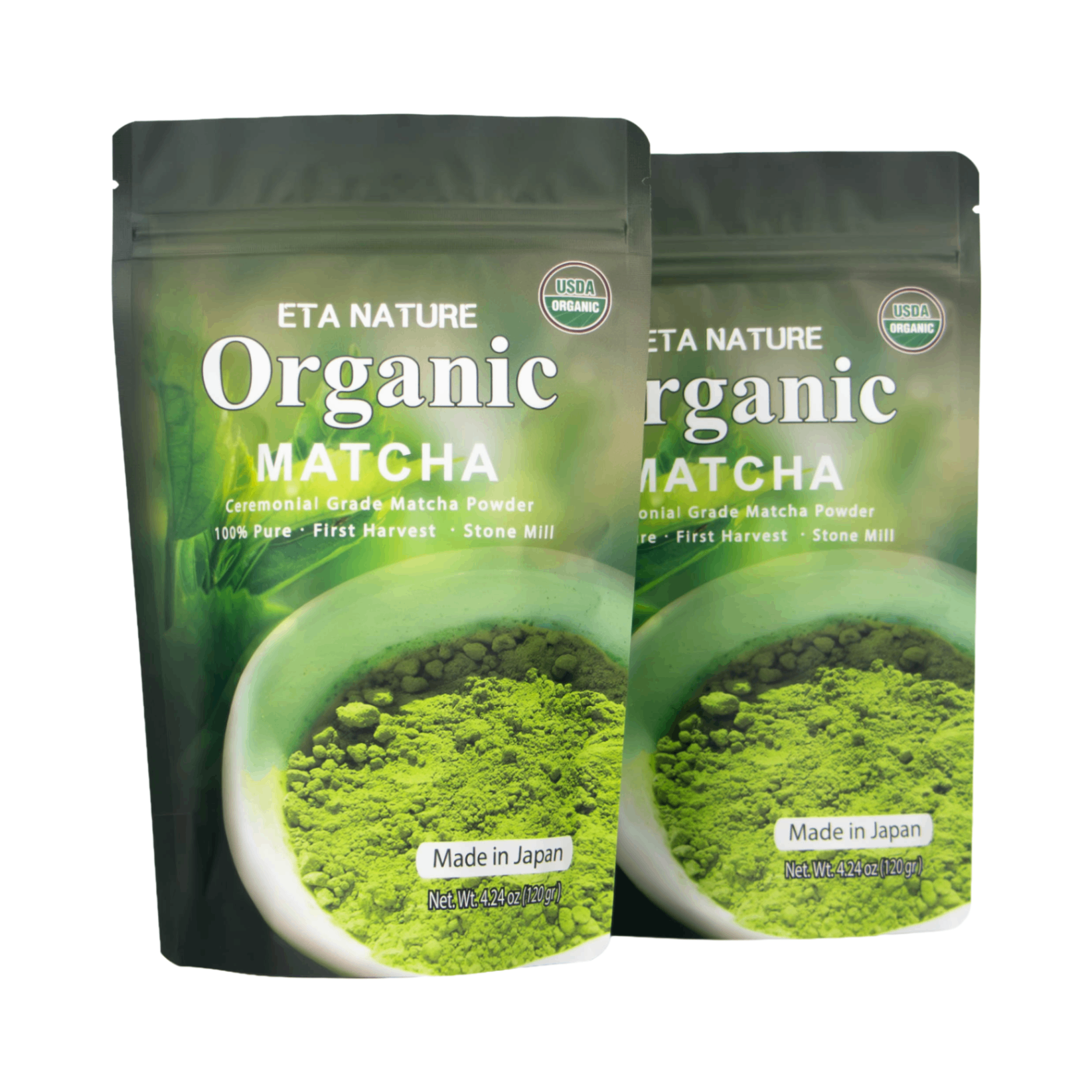
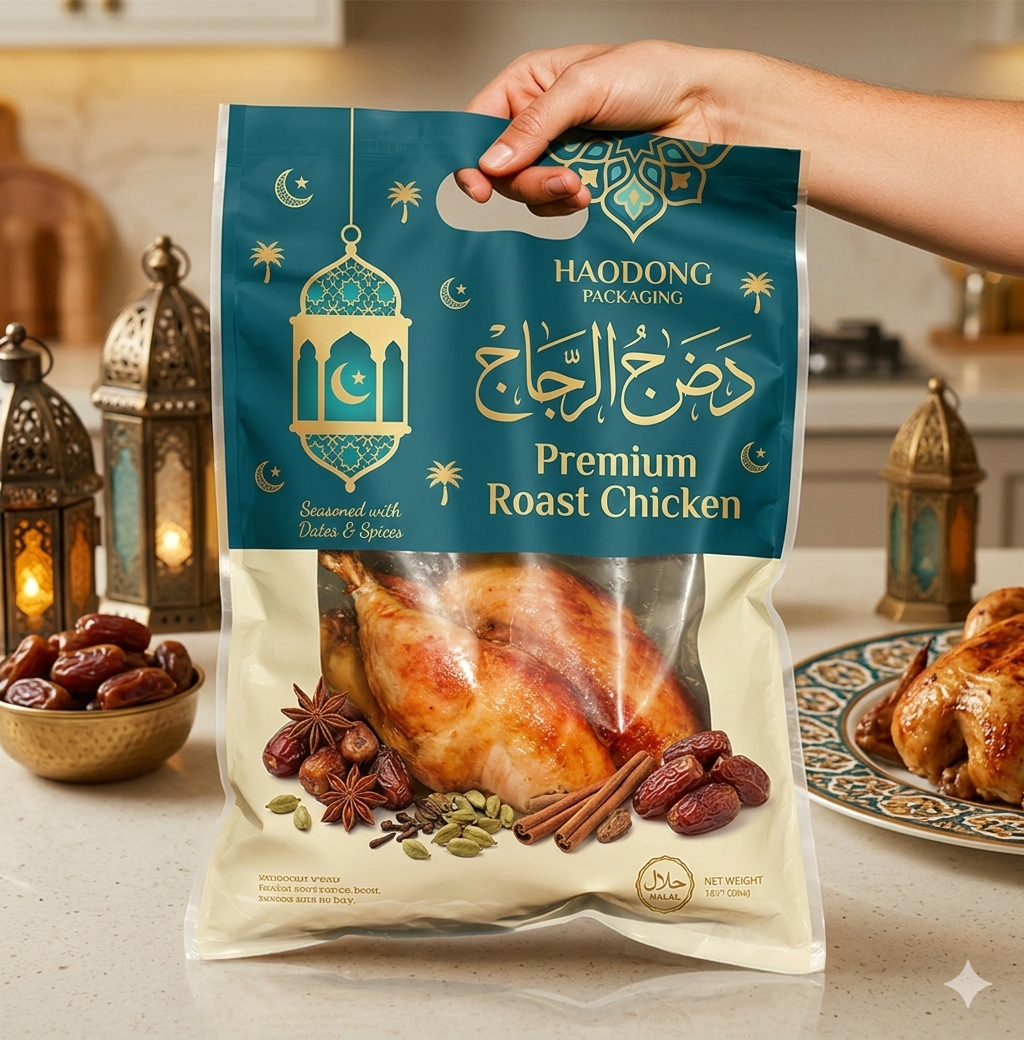
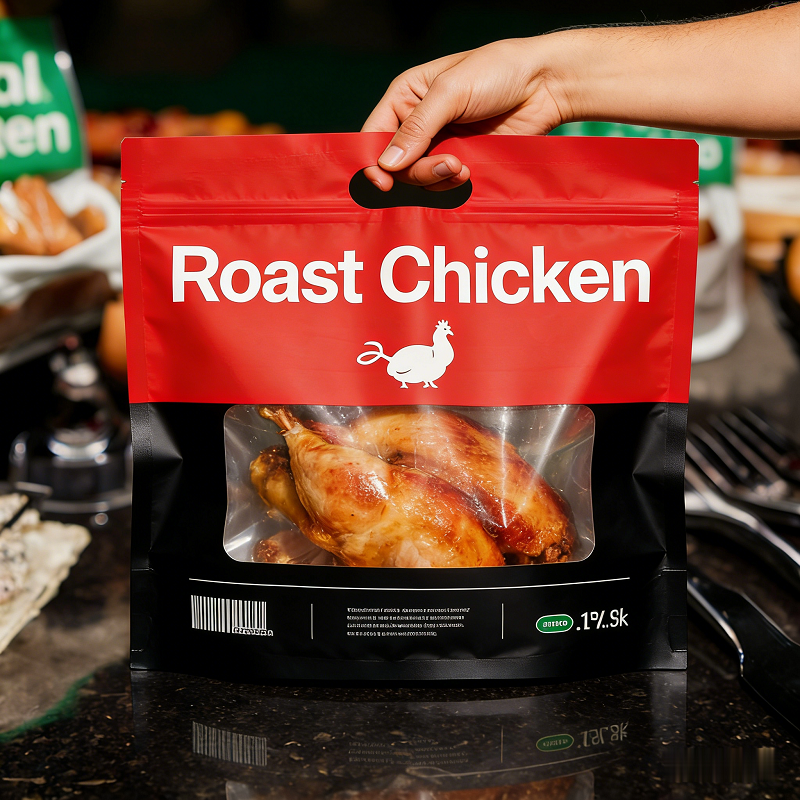
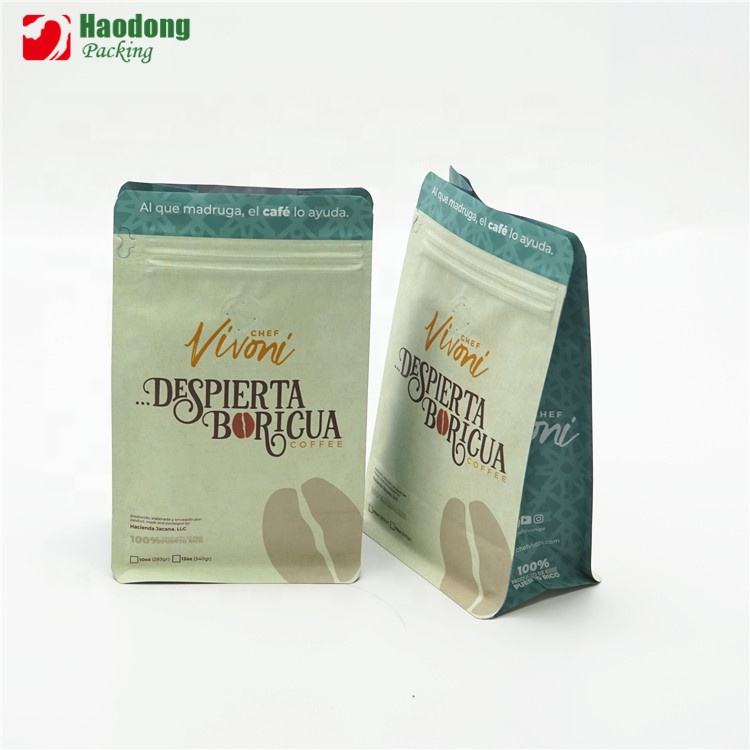
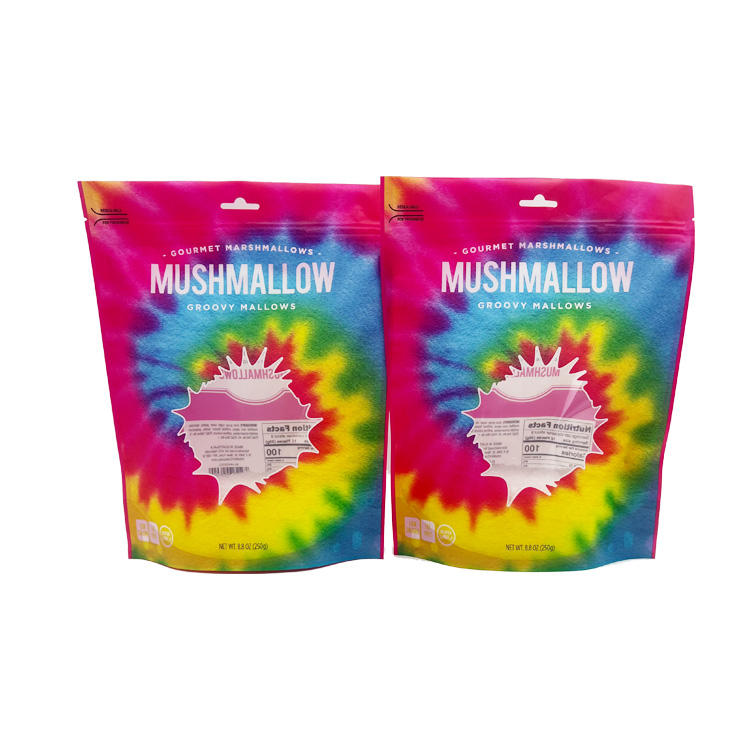
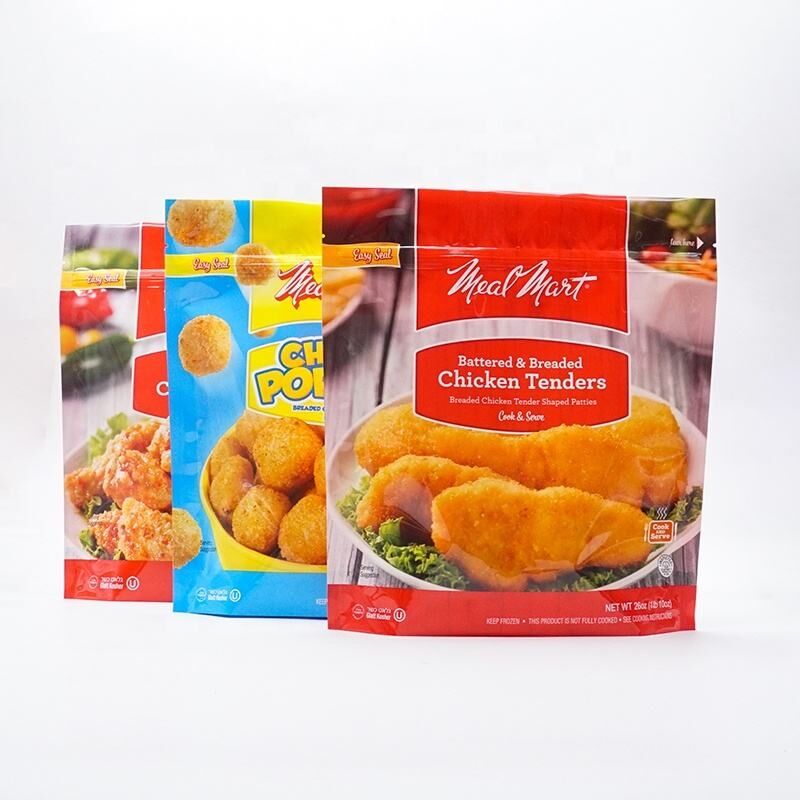
Recyclable food packaging represents a revolutionary approach to sustainable packaging solutions that addresses the growing environmental concerns surrounding single-use containers and wrapping materials. This innovative packaging system incorporates materials specifically designed to be processed and transformed into new products after their initial use cycle, creating a circular economy model that significantly reduces waste accumulation in landfills and natural environments. The main functions of recyclable food packaging extend beyond traditional protective capabilities to include maintaining food freshness, extending shelf life, providing barrier protection against contaminants, and ensuring safe transportation while maintaining the integrity of recyclable properties throughout the product lifecycle. Technological features of modern recyclable food packaging encompass advanced polymer science, biodegradable additives, and innovative manufacturing processes that create durable yet environmentally responsible containers. These materials often incorporate recycled content from previous packaging cycles, demonstrating the effectiveness of the circular economy approach. The packaging utilizes specialized coatings and treatments that preserve food quality without compromising recyclability, employing cutting-edge barrier technologies that protect against moisture, oxygen, and light exposure. Applications of recyclable food packaging span across multiple sectors including fresh produce distribution, dairy products, meat and poultry packaging, bakery items, frozen foods, and ready-to-eat meal containers. The versatility of these materials allows for customization based on specific food requirements, storage conditions, and transportation needs. Manufacturing processes incorporate sustainable production methods that minimize energy consumption and reduce carbon footprint during creation. Quality control systems ensure that recyclable food packaging meets stringent food safety standards while maintaining optimal recyclability characteristics, creating solutions that benefit both consumers and environmental sustainability goals.

New Products

Recyclable food packaging delivers substantial environmental benefits that directly impact our planet's health and sustainability. When businesses choose recyclable options, they actively reduce the amount of waste entering landfills and oceans, contributing to cleaner ecosystems and protecting wildlife from harmful packaging debris. These materials break down more efficiently in recycling facilities, transforming into new products rather than accumulating as permanent waste. Cost savings represent another significant advantage for companies implementing recyclable food packaging solutions. While initial investment may be comparable to traditional packaging, long-term benefits include reduced waste management fees, potential tax incentives for sustainable practices, and decreased raw material costs when utilizing recycled content. Many regions offer financial incentives for businesses demonstrating environmental responsibility, creating additional economic benefits beyond operational savings. Consumer appeal continues growing as environmental awareness increases across demographics. Modern consumers actively seek products packaged in sustainable materials, often willing to pay premium prices for environmentally responsible options. This consumer preference translates into increased brand loyalty, positive publicity, and competitive market advantages for companies utilizing recyclable food packaging. Marketing campaigns highlighting sustainable packaging choices resonate strongly with target audiences, creating emotional connections that drive purchasing decisions. Operational efficiency improves through streamlined waste management processes when businesses implement recyclable food packaging systems. Simplified sorting procedures, reduced storage requirements for waste materials, and enhanced supply chain sustainability create smoother operations. Many recyclable materials offer comparable or superior protection properties compared to traditional packaging, ensuring food quality while meeting sustainability goals. Regulatory compliance becomes easier as governments worldwide implement stricter packaging regulations favoring recyclable materials. Companies proactively adopting these solutions position themselves ahead of regulatory requirements, avoiding potential penalties and costly transitions. Brand reputation enhancement occurs naturally when businesses demonstrate genuine commitment to environmental stewardship through recyclable food packaging choices, creating positive associations that extend beyond individual products to encompass entire corporate identity and values.

Practical Tips

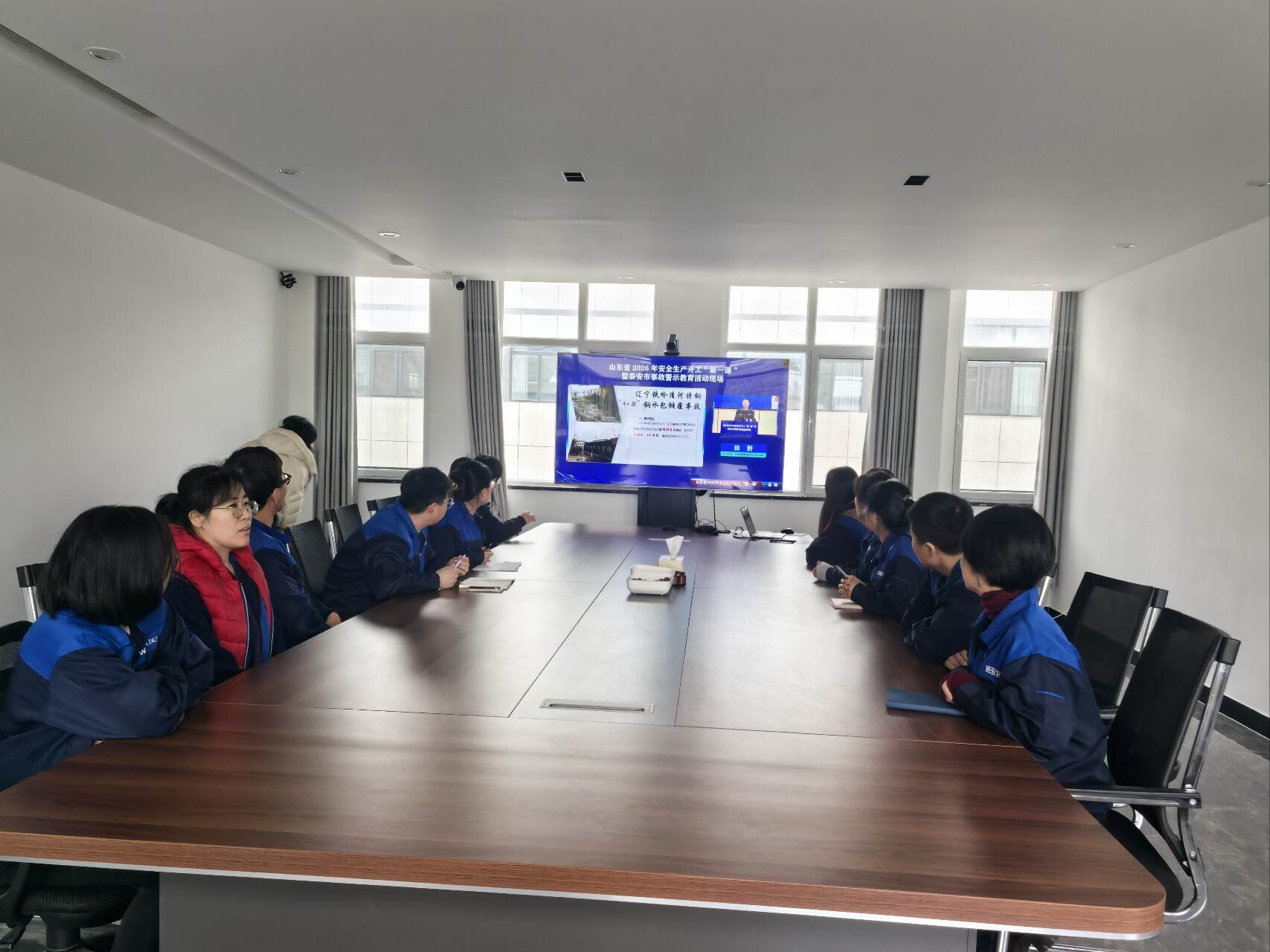
Factory Resumes Work After Spring Festival Holiday: Safety Training First, Orderly Production Restarted

30

Mar

Factory Resumes Work After Spring Festival Holiday: Safety Training First, Orderly Production Restarted

View More

Get a Free Quote

Our representative will contact you soon.
Email
Name
Company Name
Mobile/WhatsApp
Message
0/1000

recyclable food packaging

Advanced Material Technology for Superior Food Protection

Advanced Material Technology for Superior Food Protection

The technological sophistication of modern recyclable food packaging stems from breakthrough developments in material science that combine environmental responsibility with exceptional food preservation capabilities. These advanced materials incorporate multi-layer barrier systems that effectively protect food products from external contaminants while maintaining complete recyclability throughout their lifecycle. The innovative polymer structures utilize bio-based additives and recycled content without compromising protective properties, creating packaging solutions that match or exceed traditional materials in performance metrics. Manufacturing processes employ cutting-edge extrusion techniques and specialized coating applications that create microscopic barrier layers, preventing moisture migration, oxygen infiltration, and light degradation that can compromise food quality. These technological advances ensure that perishable items maintain freshness, nutritional value, and visual appeal throughout extended storage periods and complex distribution networks. The molecular engineering behind recyclable food packaging involves carefully balanced formulations that optimize both protective characteristics and end-of-life processing capabilities. Research and development teams continuously refine these materials to enhance performance while maintaining compatibility with existing recycling infrastructure. Temperature resistance properties allow these packages to withstand various storage conditions from frozen environments to ambient temperatures without structural degradation or compromised recyclability. The integration of smart packaging technologies, including freshness indicators and tamper-evident features, demonstrates how recyclable food packaging evolves beyond basic protection to provide value-added functionality. Quality control testing throughout manufacturing ensures consistent performance standards, with rigorous evaluation of barrier properties, mechanical strength, and recyclability characteristics. These comprehensive testing protocols guarantee that each package meets stringent food safety requirements while maintaining optimal environmental credentials, providing peace of mind for manufacturers, retailers, and consumers alike.
Economic Benefits and Cost Optimization Strategies

Economic Benefits and Cost Optimization Strategies

The financial advantages of implementing recyclable food packaging extend far beyond initial cost considerations, creating comprehensive economic benefits that positively impact both short-term operations and long-term profitability. Companies adopting these sustainable solutions often discover significant cost reductions through improved waste management efficiency, reduced disposal fees, and streamlined logistics operations. The circular economy model inherent in recyclable food packaging creates opportunities for material cost savings as recycled content typically costs less than virgin materials, while maintaining equivalent performance characteristics. Supply chain optimization becomes achievable through standardized recyclable packaging formats that simplify inventory management, reduce storage space requirements, and facilitate efficient transportation methods. These operational improvements translate into measurable cost savings across multiple business functions, from procurement to distribution. Government incentives and tax benefits increasingly favor businesses demonstrating environmental responsibility through sustainable packaging choices, creating additional financial advantages that improve overall return on investment. Many regions offer grants, tax credits, or reduced regulatory fees for companies utilizing recyclable food packaging, making sustainable choices financially attractive beyond their environmental benefits. Market positioning advantages emerge as consumer demand for sustainable products continues growing, allowing companies to command premium pricing while building stronger brand loyalty and customer retention. The competitive differentiation achieved through recyclable food packaging choices often results in increased market share and enhanced brand reputation, contributing to long-term revenue growth. Risk mitigation represents another crucial economic benefit, as companies implementing sustainable packaging solutions position themselves favorably for future regulatory changes and evolving consumer expectations. Insurance providers increasingly recognize environmental responsibility as a risk reduction factor, potentially offering reduced premiums for companies utilizing recyclable materials. Employee satisfaction and recruitment advantages create additional economic value, as sustainability initiatives attract top talent and reduce turnover rates, ultimately lowering human resource costs and improving productivity through engaged workforce participation in meaningful environmental initiatives.
Environmental Impact Reduction and Sustainability Leadership

Environmental Impact Reduction and Sustainability Leadership

The environmental benefits of recyclable food packaging create profound positive impacts that extend far beyond immediate waste reduction, establishing companies as sustainability leaders while contributing to global environmental protection efforts. These packaging solutions significantly reduce carbon footprint through decreased energy consumption during production, utilizing recycled materials that require less energy to process compared to virgin materials. The lifecycle assessment of recyclable food packaging demonstrates substantial reductions in greenhouse gas emissions, water consumption, and resource depletion compared to traditional packaging alternatives. Ocean pollution reduction represents a critical environmental benefit, as properly designed recyclable materials avoid contributing to marine debris accumulation that threatens aquatic ecosystems and wildlife populations. The biodegradability characteristics of many recyclable food packaging materials ensure that any items inadvertently entering natural environments break down safely without leaving harmful residues. Landfill diversion capabilities create immediate environmental benefits by redirecting waste streams toward productive recycling processes rather than permanent disposal in overwhelmed landfill systems. The circular economy principles embodied in recyclable food packaging create regenerative systems where materials continuously cycle through productive uses rather than following linear consumption patterns that deplete natural resources. Forest conservation benefits emerge through reduced demand for virgin paper and cardboard materials, helping preserve critical habitats and carbon-absorbing forest ecosystems. Air quality improvements result from reduced incineration requirements and cleaner production processes associated with recyclable food packaging manufacturing. Water conservation benefits arise through more efficient production methods and reduced contamination risks associated with traditional packaging disposal methods. Community health improvements occur through reduced environmental contamination and cleaner local ecosystems that support healthier living conditions. The demonstration effect of companies choosing recyclable food packaging influences entire supply chains and competitor behaviors, creating multiplier effects that amplify positive environmental impacts across industries. Educational opportunities emerge as businesses utilizing sustainable packaging can engage customers in environmental awareness initiatives, fostering broader cultural shifts toward sustainability consciousness and responsible consumption patterns.

Get a Free Quote

Our representative will contact you soon.
Email
Name
Company Name
Mobile/WhatsApp
Message
0/1000