Premium Food and Beverage Packaging Solutions - Advanced Protection & Sustainability

Get a Free Quote

Our representative will contact you soon.
Email
Name
Company Name
Mobile/WhatsApp
Message
0/1000

food and beverage packaging

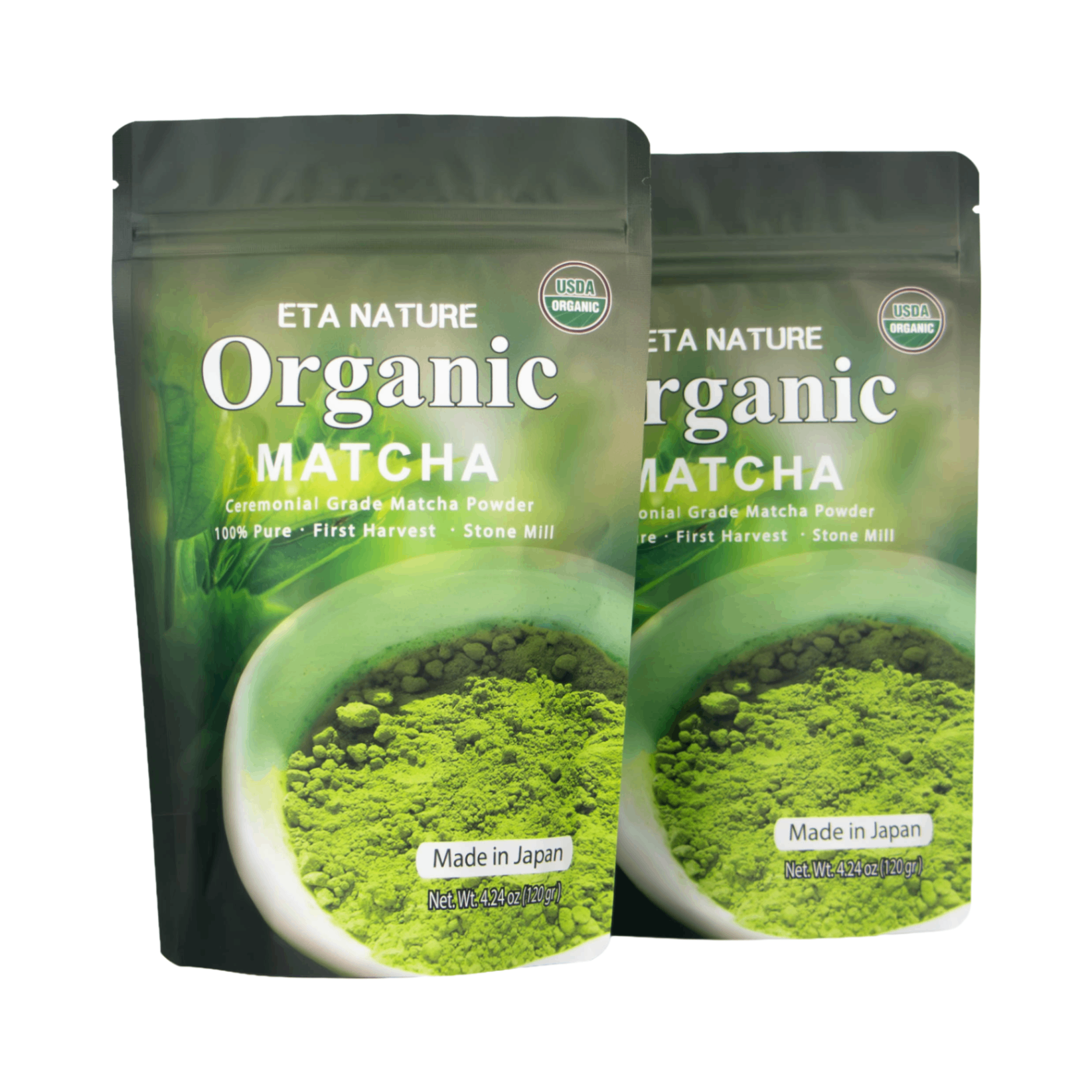
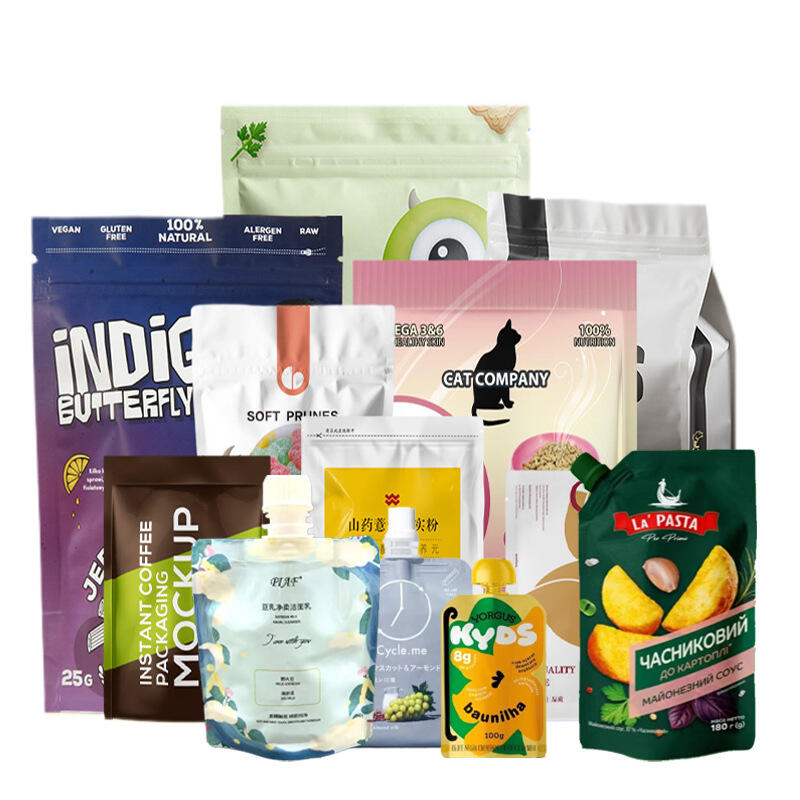
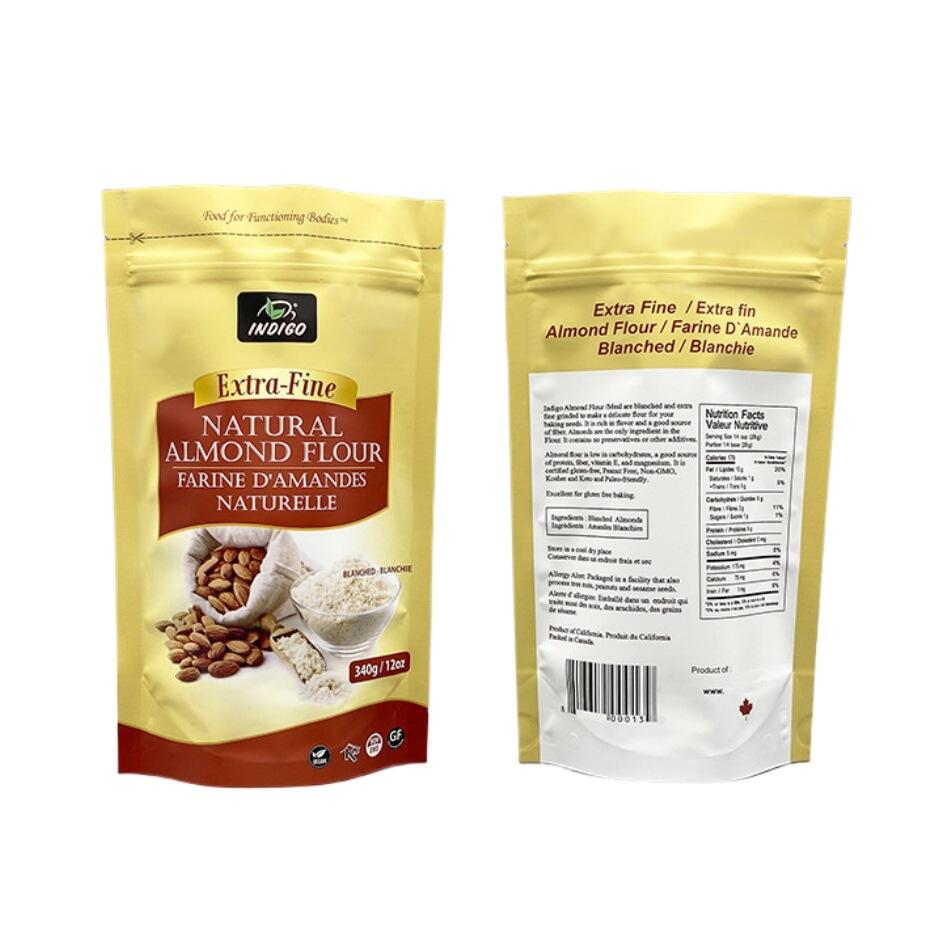
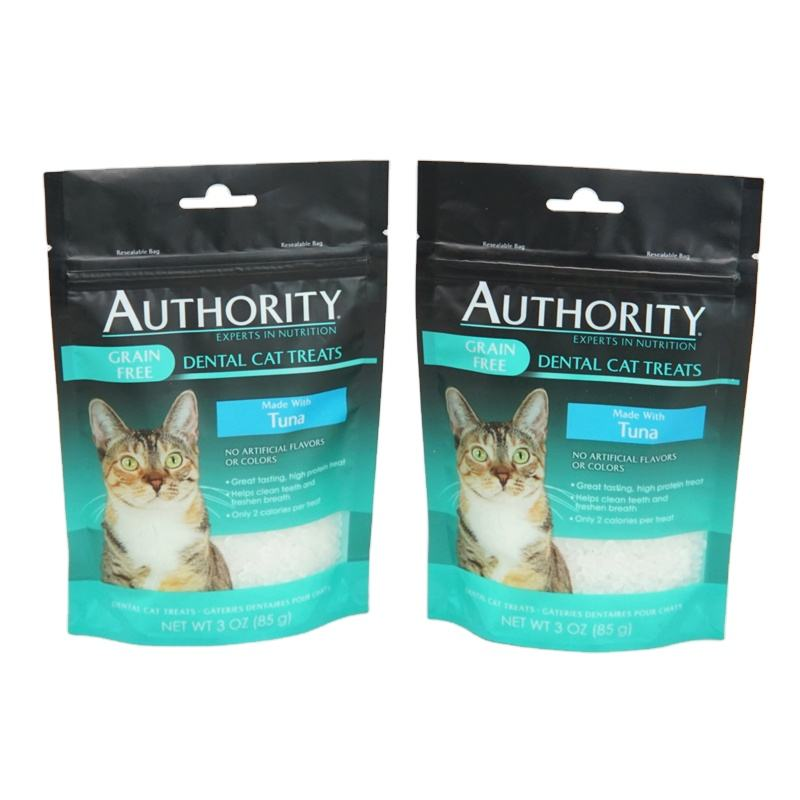
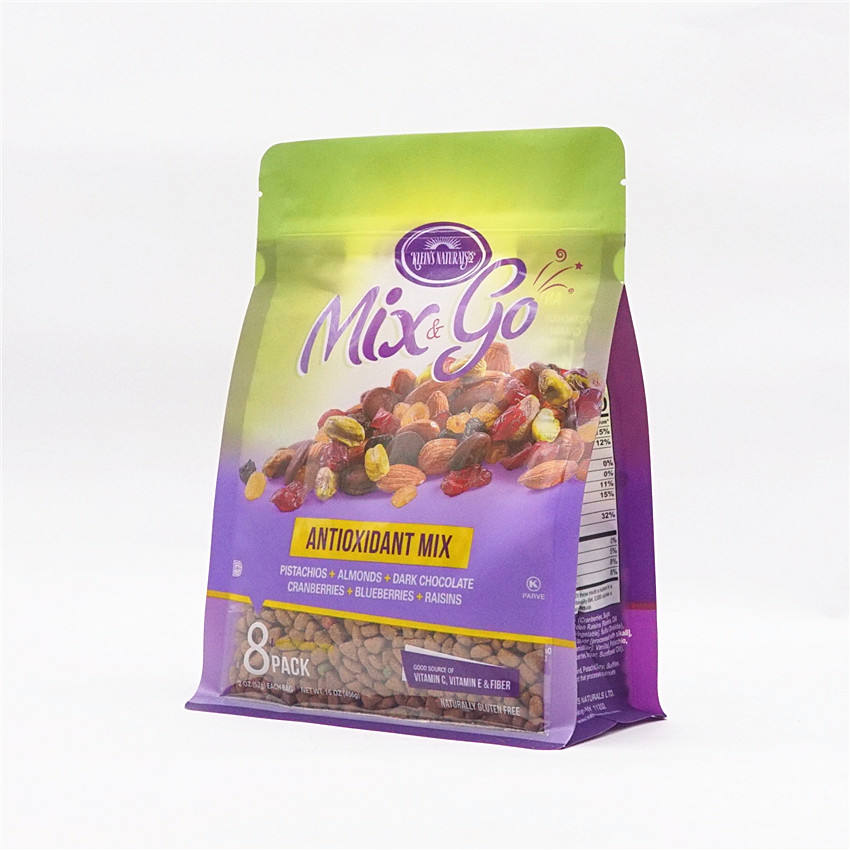
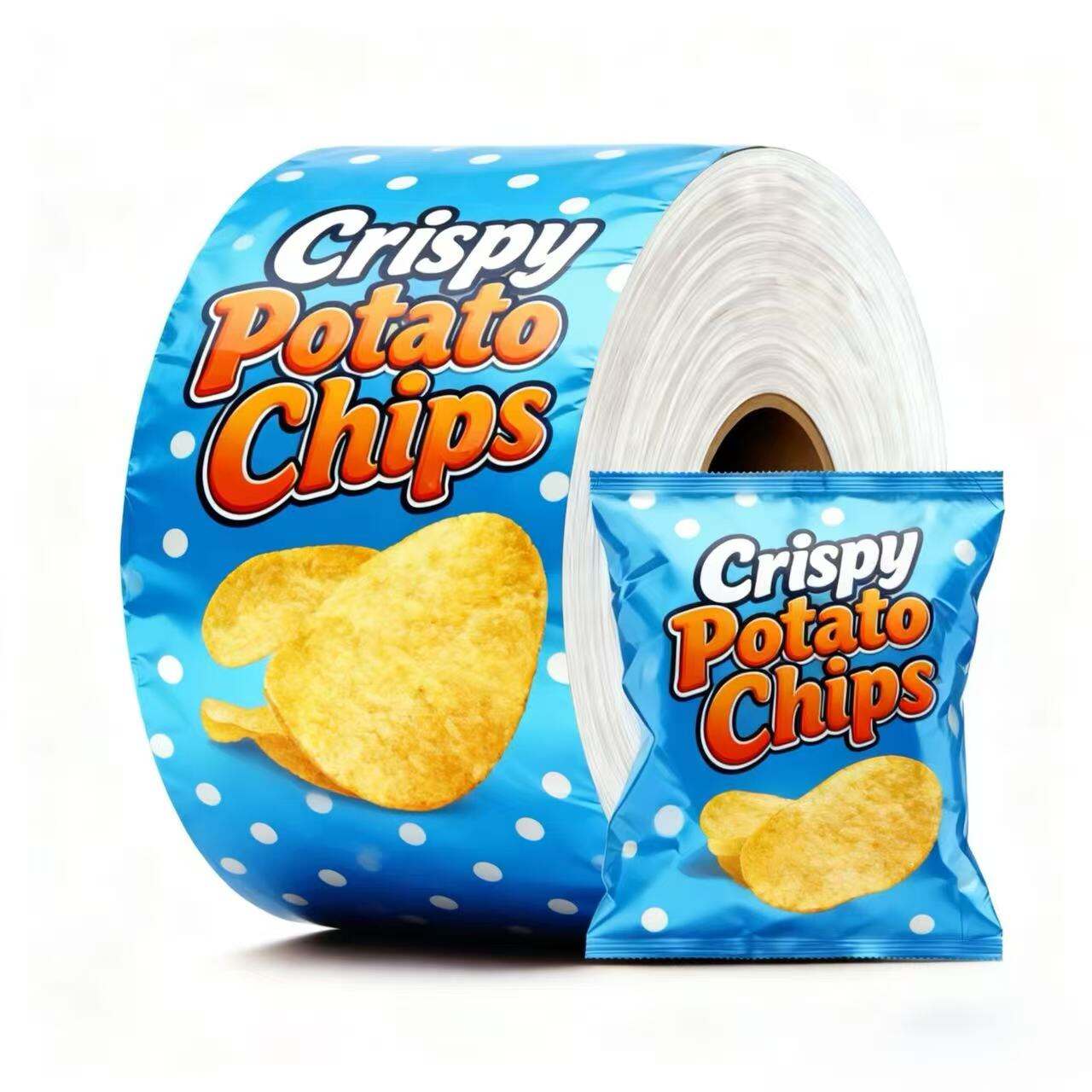
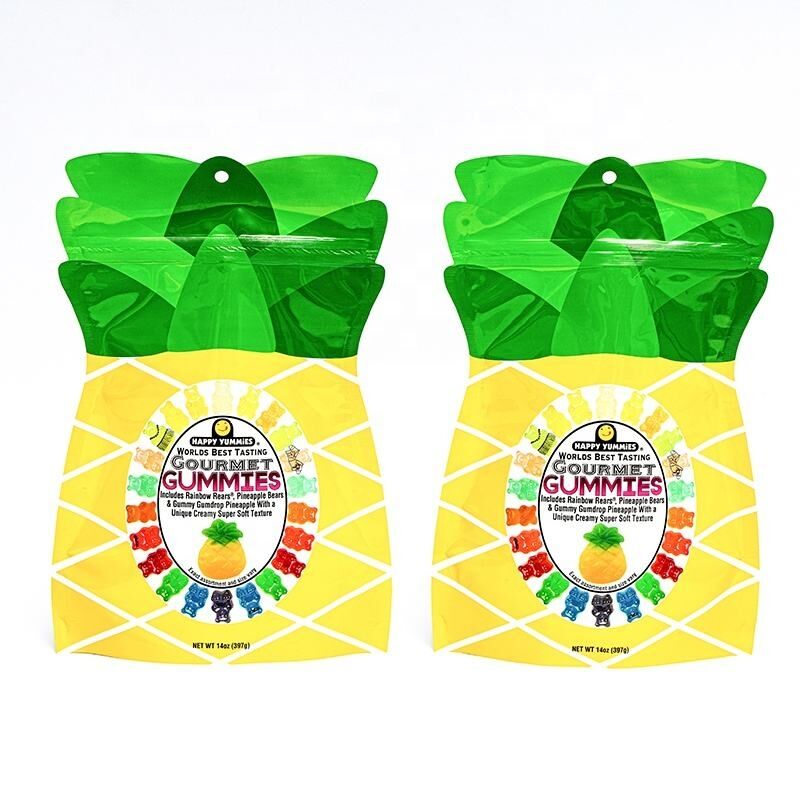
Food and beverage packaging serves as a critical protective barrier that safeguards consumable products throughout their entire lifecycle, from manufacturing facilities to consumer tables. This sophisticated packaging system encompasses multiple layers of protection designed to preserve freshness, maintain nutritional value, and extend shelf life significantly. Modern food and beverage packaging utilizes advanced materials science, incorporating barrier technologies that prevent oxygen infiltration, moisture absorption, and contamination from external sources. The primary functions include containment of liquid and solid products, preservation of taste profiles, prevention of spoilage through microbial growth inhibition, and communication of essential product information to consumers. Technological features of contemporary food and beverage packaging include smart sensors that monitor temperature fluctuations, vacuum-sealed chambers that eliminate air exposure, and multi-layered films that provide superior protection against light degradation and chemical reactions. These packaging solutions employ materials ranging from traditional glass and metal to innovative bioplastics and nano-enhanced polymers. Applications span across diverse sectors including dairy products, beverages, snack foods, frozen meals, and specialty dietary supplements. The packaging industry continuously evolves to meet stringent food safety regulations while addressing environmental sustainability concerns through recyclable materials and reduced carbon footprint manufacturing processes. Advanced printing technologies enable high-quality graphics and tamper-evident sealing mechanisms that ensure product integrity. Modern food and beverage packaging also incorporates convenience features such as resealable closures, portion control designs, and microwave-safe materials that enhance user experience. Quality control systems monitor packaging performance through rigorous testing protocols that evaluate barrier properties, seal strength, and material compatibility with various food types and storage conditions.

New Product Releases

Food and beverage packaging delivers substantial cost savings by dramatically reducing product waste and spoilage throughout the supply chain. Companies experience lower inventory losses when products maintain their quality for extended periods, translating directly into improved profit margins and reduced operational expenses. The enhanced shelf life provided by professional packaging solutions allows businesses to expand their distribution networks geographically, reaching new markets without compromising product integrity. Consumers benefit from fresher products that retain their original flavor profiles, nutritional content, and visual appeal for significantly longer periods compared to inadequately packaged alternatives. Safety remains paramount, as proper food and beverage packaging creates impenetrable barriers against harmful bacteria, contaminants, and foreign substances that could compromise consumer health. These protective measures eliminate risks associated with foodborne illnesses and product recalls, protecting brand reputation and customer trust. Convenience features integrated into modern packaging designs simplify storage, transportation, and consumption processes for end users. Easy-open mechanisms, portion-controlled servings, and stackable designs optimize space utilization in both commercial and residential settings. Environmental responsibility drives packaging innovation toward sustainable materials that reduce ecological impact while maintaining superior protection standards. Recyclable components and biodegradable options appeal to environmentally conscious consumers and support corporate sustainability initiatives. Marketing advantages emerge through attractive packaging designs that capture consumer attention and communicate brand values effectively. Clear product visibility windows, informative labeling, and premium finishes enhance perceived value and influence purchasing decisions. Regulatory compliance becomes streamlined when packaging meets or exceeds industry standards for food safety, labeling requirements, and international shipping protocols. These comprehensive solutions reduce liability risks and facilitate smooth market entry across different jurisdictions. Inventory management improves significantly through standardized packaging dimensions that optimize warehouse storage and transportation efficiency.

Practical Tips

Factory Resumes Work After Spring Festival Holiday: Safety Training First, Orderly Production Restarted

30

Mar

Factory Resumes Work After Spring Festival Holiday: Safety Training First, Orderly Production Restarted

View More

Get a Free Quote

Our representative will contact you soon.
Email
Name
Company Name
Mobile/WhatsApp
Message
0/1000

food and beverage packaging

Advanced Barrier Technology Protection

Advanced Barrier Technology Protection

Revolutionary barrier technology represents the cornerstone of modern food and beverage packaging, utilizing sophisticated multi-layer films and coatings that create impenetrable shields against environmental factors that degrade product quality. These advanced barrier systems employ molecular-level engineering to block oxygen transmission, prevent moisture infiltration, and eliminate light exposure that causes nutrient degradation and flavor deterioration. The technology incorporates specialized polymers, metallic layers, and ceramic coatings that work synergistically to maintain optimal internal atmospheres within packaging containers. Oxygen scavenger systems actively remove residual air molecules, creating near-vacuum conditions that halt oxidation processes responsible for rancidity, discoloration, and vitamin loss in sensitive products. Moisture control mechanisms prevent bacterial growth and maintain texture integrity in dry goods while preserving liquid products from contamination. Advanced barrier food and beverage packaging extends shelf life by 300-500 percent compared to conventional packaging methods, resulting in substantial economic benefits for manufacturers and retailers. The technology adapts to diverse product requirements, offering customized barrier properties for specific applications such as acidic beverages, fatty foods, and oxygen-sensitive nutrients. Quality assurance protocols continuously monitor barrier performance through sophisticated testing equipment that measures transmission rates at microscopic levels. These protective systems maintain product stability across varying temperature ranges, ensuring consistent quality from tropical climates to frozen storage conditions. Innovation in barrier technology continues advancing through nanotechnology integration, creating even more effective protective layers with reduced material usage. The environmental impact decreases as thinner barrier films achieve superior protection while using fewer raw materials and generating less waste.
Smart Packaging Intelligence Systems

Smart Packaging Intelligence Systems

Intelligent packaging systems revolutionize food and beverage packaging through integrated sensors and monitoring technologies that provide real-time information about product condition and safety status. These smart systems incorporate temperature-sensitive indicators, freshness sensors, and tamper-evident mechanisms that communicate critical information to consumers and supply chain partners. Advanced RFID chips embedded within packaging materials track products throughout distribution networks, monitoring exposure to temperature fluctuations, humidity changes, and handling conditions that could compromise quality. Time-temperature indicators provide visual confirmation of proper cold chain maintenance, alerting consumers to products that may have experienced harmful temperature excursions during storage or transportation. Freshness sensors detect chemical changes associated with spoilage, providing early warning systems that prevent consumption of compromised products. Interactive packaging elements enable smartphone connectivity, allowing consumers to access detailed product information, nutritional data, and preparation instructions through simple scanning procedures. These intelligent features enhance food safety by providing transparent visibility into product history and current condition. Smart food and beverage packaging reduces waste by accurately indicating actual product freshness rather than relying solely on expiration dates, which often lead to premature disposal of still-fresh products. Supply chain optimization benefits from real-time tracking capabilities that identify bottlenecks, monitor inventory levels, and predict demand patterns with greater accuracy. Quality control improvements result from continuous monitoring throughout the distribution process, enabling proactive interventions before product degradation occurs. Consumer confidence increases through transparent information sharing and verifiable quality indicators that eliminate guesswork about product safety and freshness.
Sustainable Material Innovation

Sustainable Material Innovation

Sustainable material innovation drives the future of food and beverage packaging through breakthrough developments in biodegradable polymers, recycled content integration, and circular economy principles that minimize environmental impact without compromising protection performance. These eco-friendly materials derive from renewable resources such as plant-based cellulose, algae extracts, and agricultural waste products that decompose naturally in composting environments. Advanced bio-plastics maintain structural integrity and barrier properties equivalent to traditional petroleum-based materials while offering complete biodegradability within controlled timeframes. Recycled content incorporation reaches unprecedented levels through sophisticated purification processes that restore used materials to food-grade quality standards. Closed-loop recycling systems enable packaging materials to undergo multiple lifecycle iterations without performance degradation, creating truly sustainable supply chains. Life cycle assessment studies demonstrate significant carbon footprint reductions when sustainable food and beverage packaging replaces conventional alternatives throughout entire product lifecycles. Water usage decreases substantially during manufacturing processes that utilize bio-based materials compared to traditional polymer production methods. Energy efficiency improvements result from lower processing temperatures required for sustainable material manufacturing, reducing overall environmental impact. Consumer acceptance grows rapidly as sustainable packaging options achieve visual and functional parity with conventional alternatives while supporting environmental stewardship values. Regulatory support accelerates adoption through government incentives and mandates that favor environmentally responsible packaging solutions. Cost competitiveness improves continuously as production scales increase and manufacturing technologies mature, making sustainable options financially viable for widespread implementation. Innovation partnerships between packaging manufacturers and material scientists drive breakthrough developments in sustainable food and beverage packaging that exceed performance expectations while advancing environmental protection goals.

Get a Free Quote

Our representative will contact you soon.
Email
Name
Company Name
Mobile/WhatsApp
Message
0/1000