Sustainable Cosmetic Packaging Solutions: Eco-Friendly Beauty Container Innovation

Get a Free Quote

Our representative will contact you soon.
Email
Name
Company Name
Mobile/WhatsApp
Message
0/1000

cosmetic sustainable packaging

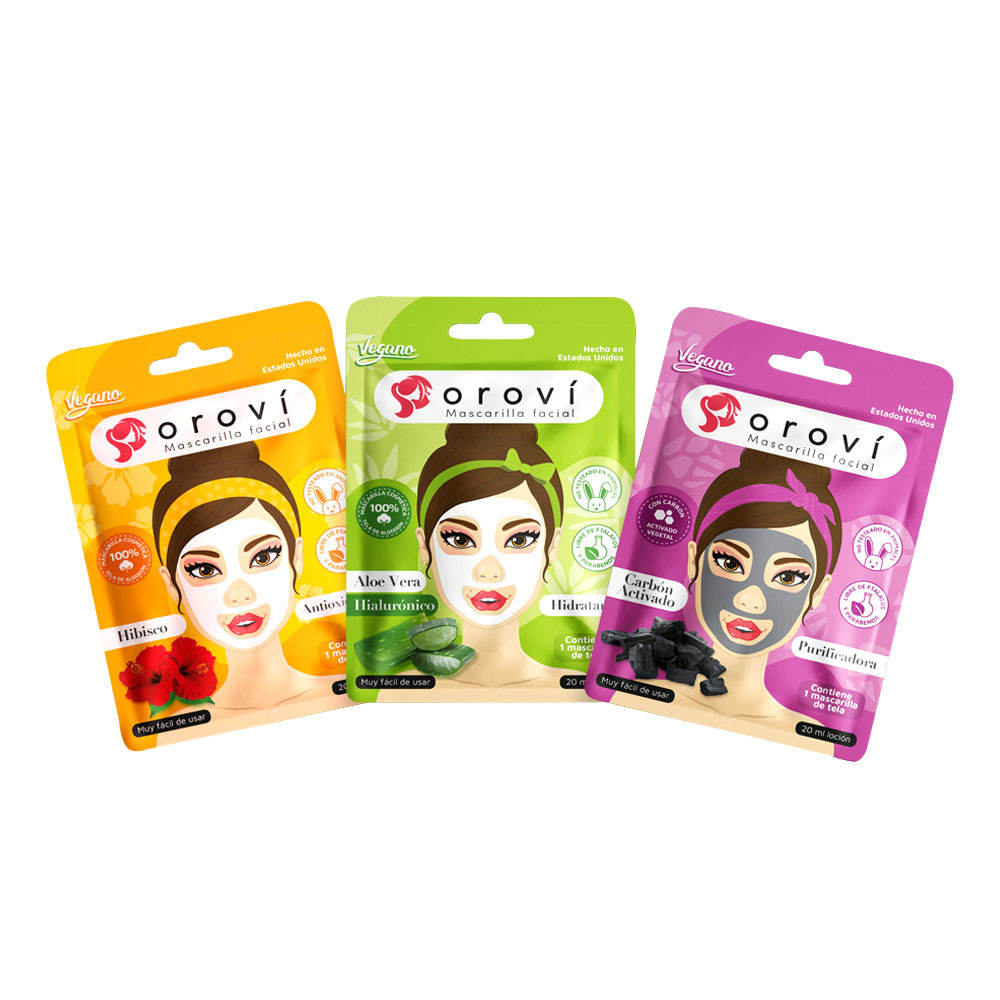
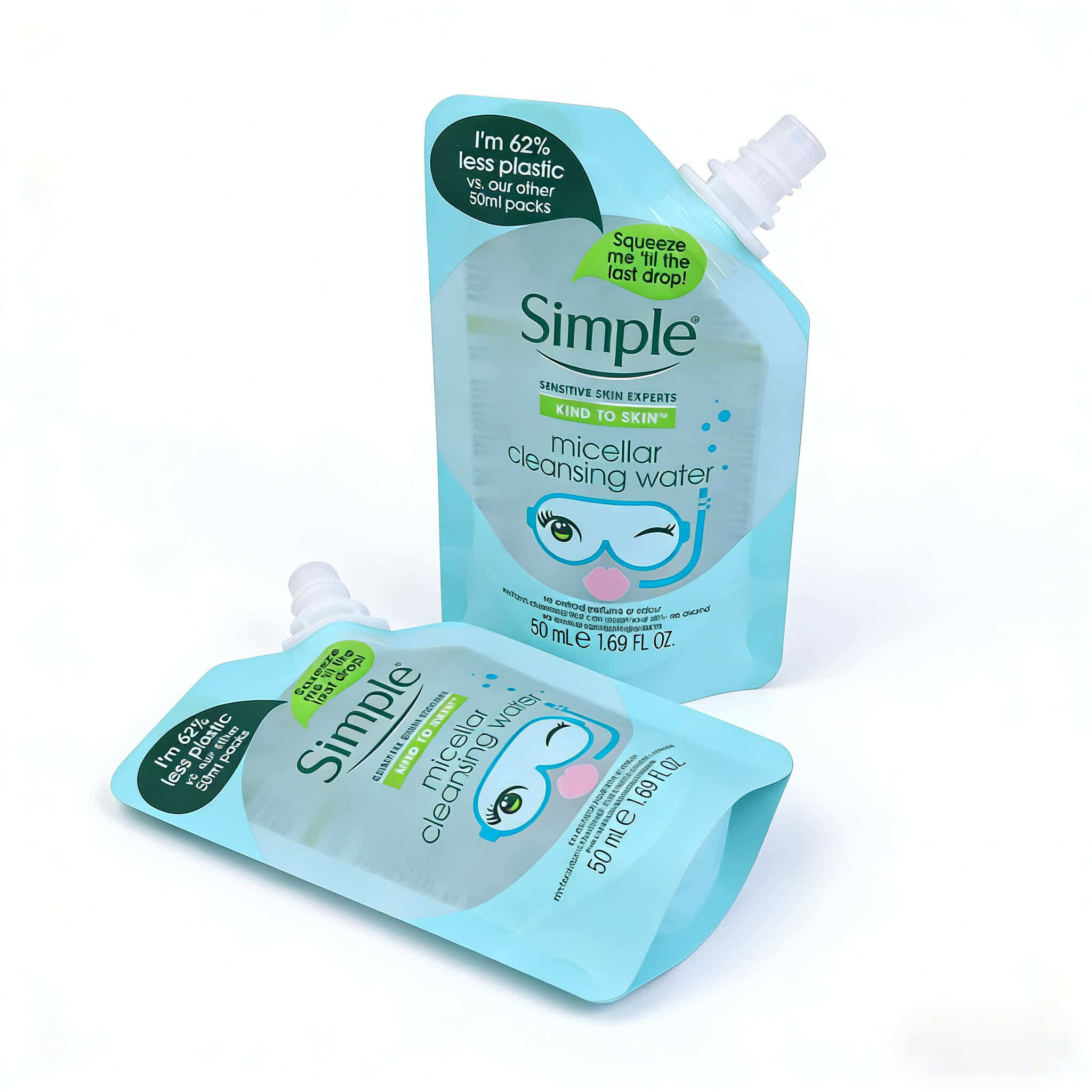
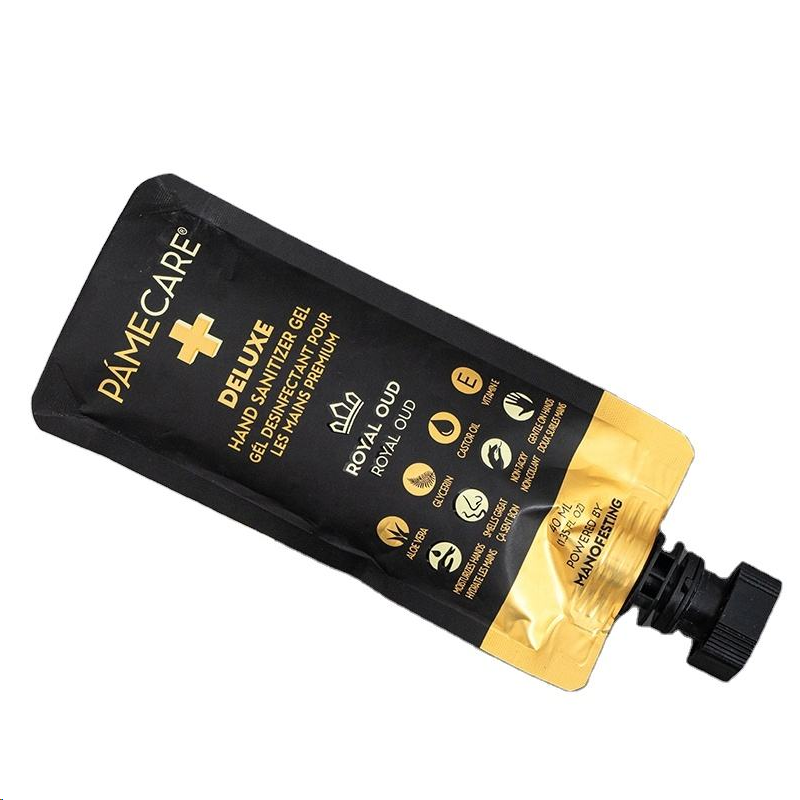
Cosmetic sustainable packaging represents a revolutionary approach to beauty product containers, designed to minimize environmental impact while maintaining product integrity and brand appeal. This innovative packaging solution addresses the growing consumer demand for eco-friendly alternatives in the beauty industry. Modern cosmetic sustainable packaging incorporates biodegradable materials, recycled components, and refillable designs that significantly reduce waste generation. The primary function of cosmetic sustainable packaging extends beyond traditional protection and preservation to include environmental stewardship and circular economy principles. These packaging systems utilize advanced materials such as bamboo fiber composites, recycled ocean plastics, and plant-based polymers that decompose naturally without leaving harmful residues. Technological features include barrier properties that protect sensitive formulations from oxidation and contamination while using renewable resources. Smart design elements enable easy disassembly for proper recycling, while innovative closure systems prevent product waste through improved dispensing mechanisms. Applications span across various beauty categories including skincare serums, moisturizers, makeup products, and hair care treatments. The packaging adapts to different product viscosities and shelf-life requirements through customizable barrier layers and protective coatings derived from natural sources. Manufacturing processes incorporate energy-efficient production methods and water-based adhesives that eliminate toxic solvents. Quality control systems ensure that cosmetic sustainable packaging meets strict safety standards while delivering superior performance compared to conventional alternatives. Distribution benefits include reduced carbon footprint through lightweight designs and optimized shipping configurations. Consumer interaction improves through intuitive opening mechanisms and clear recycling instructions printed with soy-based inks. The technology enables brands to communicate sustainability values while maintaining premium aesthetics that attract environmentally conscious consumers seeking responsible beauty choices.

New Products

Cosmetic sustainable packaging delivers substantial environmental benefits that directly impact our planet's health and future sustainability. Companies adopting these solutions reduce their carbon footprint by up to sixty percent compared to traditional packaging methods. The materials decompose naturally within eighteen months in commercial composting facilities, eliminating persistent waste that pollutes oceans and landfills for decades. Consumers save money through refillable systems that reduce repurchase frequency while maintaining product quality and freshness. Brand loyalty increases significantly when companies demonstrate genuine environmental commitment through innovative packaging choices. Manufacturing costs decrease over time as renewable material sources become more abundant and production processes become more efficient. Supply chain advantages include reduced transportation weights that lower fuel consumption and shipping expenses. Cosmetic sustainable packaging protects products equally well as conventional alternatives while offering superior moisture barrier properties through natural wax coatings and fiber-based constructions. Regulatory compliance becomes easier as governments worldwide implement stricter packaging waste regulations and plastic reduction mandates. Consumer health benefits emerge from reduced exposure to petroleum-based chemicals commonly found in traditional cosmetic containers. Marketing advantages include positive brand differentiation in crowded beauty markets where sustainability increasingly influences purchasing decisions. Retailers prefer stocking products with sustainable packaging due to growing consumer demand and corporate responsibility initiatives. Production flexibility allows brands to customize packaging designs while maintaining environmental benefits through modular component systems. Quality improvements result from advanced barrier technologies that extend product shelf life and preserve active ingredient potency longer than conventional packaging. Cost savings accumulate through reduced waste disposal fees and potential tax incentives for environmentally responsible business practices. Innovation opportunities multiply as sustainable packaging opens new product development pathways and collaborative partnerships with environmental organizations. Social responsibility achievements enhance corporate reputation and attract top talent who value working for environmentally conscious companies committed to positive global impact.

Latest News

Factory Resumes Work After Spring Festival Holiday: Safety Training First, Orderly Production Restarted

30

Mar

Factory Resumes Work After Spring Festival Holiday: Safety Training First, Orderly Production Restarted

View More

Get a Free Quote

Our representative will contact you soon.
Email
Name
Company Name
Mobile/WhatsApp
Message
0/1000

cosmetic sustainable packaging

Revolutionary Bio-Based Material Technology

Revolutionary Bio-Based Material Technology

Cosmetic sustainable packaging incorporates cutting-edge bio-based materials that transform agricultural waste into high-performance containers. This groundbreaking technology utilizes wheat straw, rice husks, and sugarcane bagasse to create durable packaging that rivals traditional petroleum-based plastics in strength and protection capabilities. The manufacturing process converts these agricultural byproducts through innovative compression molding and natural binding agents, creating containers that maintain structural integrity while remaining completely biodegradable. Advanced fiber treatment processes enhance moisture resistance and extend shelf life without compromising environmental benefits. The material composition includes natural antimicrobial properties that help preserve product freshness while eliminating the need for chemical preservatives in packaging components. Surface treatments using plant-based polymers provide smooth finishes that accept high-quality printing and labeling without toxic solvents or synthetic coatings. Temperature stability testing demonstrates superior performance across various climate conditions, ensuring product protection during transportation and storage. The bio-based materials exhibit excellent chemical compatibility with cosmetic formulations, preventing unwanted interactions that could compromise product quality or safety. Manufacturing scalability allows for cost-effective production volumes while maintaining consistent quality standards across different product lines. Research and development continue improving material properties through innovative blending techniques that combine multiple agricultural waste sources for enhanced performance characteristics. Lifecycle analysis confirms that these materials generate seventy percent fewer greenhouse gas emissions during production compared to conventional plastic alternatives. End-of-life disposal options include home composting, industrial composting, and biogas generation, providing multiple sustainable disposal pathways. Consumer testing reveals high satisfaction rates with tactile properties and visual appeal that match or exceed expectations for premium cosmetic packaging. Quality assurance protocols ensure batch consistency and regulatory compliance across international markets where cosmetic sustainable packaging standards continue evolving.
Innovative Refillable System Design

Innovative Refillable System Design

The refillable system design in cosmetic sustainable packaging revolutionizes how consumers interact with beauty products while dramatically reducing packaging waste. This sophisticated mechanism features precision-engineered components that enable easy product refilling without contamination risks or messy spills. The outer container utilizes durable materials designed for hundreds of refill cycles, while inner cartridges use minimal packaging materials that decompose quickly after use. Magnetic closure systems ensure secure sealing while providing effortless opening for refill replacement. The design incorporates fool-proof alignment guides that prevent incorrect cartridge insertion and guarantee proper product dispensing. Advanced sealing technologies prevent air exposure that could degrade sensitive formulations during storage and use. Consumer research drove the development of intuitive operation requiring no special tools or technical knowledge for successful refilling. The system accommodates various product viscosities from lightweight serums to thick creams through adaptable dispensing mechanisms. Manufacturing precision ensures perfect component fit while maintaining cost-effective production through standardized sizing across multiple product categories. Durability testing confirms the outer containers withstand repeated handling, cleaning, and refilling without structural degradation or aesthetic deterioration. Safety features include tamper-evident seals and batch tracking systems that maintain product traceability throughout the supply chain. Environmental impact studies demonstrate that refillable systems reduce packaging waste by eighty-five percent compared to single-use alternatives over typical product usage periods. Brand customization options include removable labels and interchangeable decorative elements that allow seasonal design changes without replacing entire containers. Distribution advantages include reduced inventory requirements and simplified logistics through standardized refill cartridge shipping. Consumer education materials provide clear instructions for proper use and maintenance, ensuring optimal performance throughout the container's extended lifespan. Innovation continues through smart features like usage tracking and refill reminders that enhance user experience while promoting sustainable consumption habits.
Advanced Circular Economy Integration

Advanced Circular Economy Integration

Cosmetic sustainable packaging demonstrates advanced circular economy integration through comprehensive take-back programs and material recovery systems that eliminate waste streams entirely. This holistic approach creates closed-loop cycles where packaging materials continuously circulate without becoming waste, establishing new paradigms for responsible consumption. The integration begins with design-for-circularity principles that consider entire product lifecycles from material sourcing through end-of-life processing. Strategic partnerships with recycling facilities and waste management companies enable efficient collection and processing of used packaging materials. Advanced sorting technologies identify and separate different material components for appropriate recycling pathways or composting facilities. Quality assurance protocols ensure recycled materials meet strict safety standards for food-grade and cosmetic applications through rigorous testing procedures. Consumer participation programs provide convenient return options through retail locations, mail-back services, and community collection points that maximize participation rates. Digital tracking systems monitor material flows and measure environmental impact reduction while providing transparency to environmentally conscious consumers. The circular economy model generates revenue streams through material recovery operations that offset packaging costs while creating employment opportunities in green industries. Innovation laboratories continuously develop improved recycling processes and material formulations that enhance circularity while maintaining performance standards. Educational initiatives teach consumers about proper disposal methods and circular economy benefits, building awareness and participation in sustainable packaging programs. Corporate partnerships expand the circular economy network through shared infrastructure and collaborative research programs that accelerate innovation. Environmental impact measurements demonstrate significant reductions in virgin material consumption, energy usage, and greenhouse gas emissions compared to linear packaging models. Regulatory compliance advantages position companies ahead of evolving environmental legislation and consumer protection requirements. Supply chain resilience improves through diversified material sources and reduced dependence on virgin plastic production capacity. Economic benefits include reduced raw material costs, waste disposal savings, and potential carbon credit generation through verified emission reductions. Future development roadmaps outline expanding circular economy integration through blockchain tracking, artificial intelligence optimization, and international standardization efforts that will further enhance system effectiveness and global scalability.

Get a Free Quote

Our representative will contact you soon.
Email
Name
Company Name
Mobile/WhatsApp
Message
0/1000