×

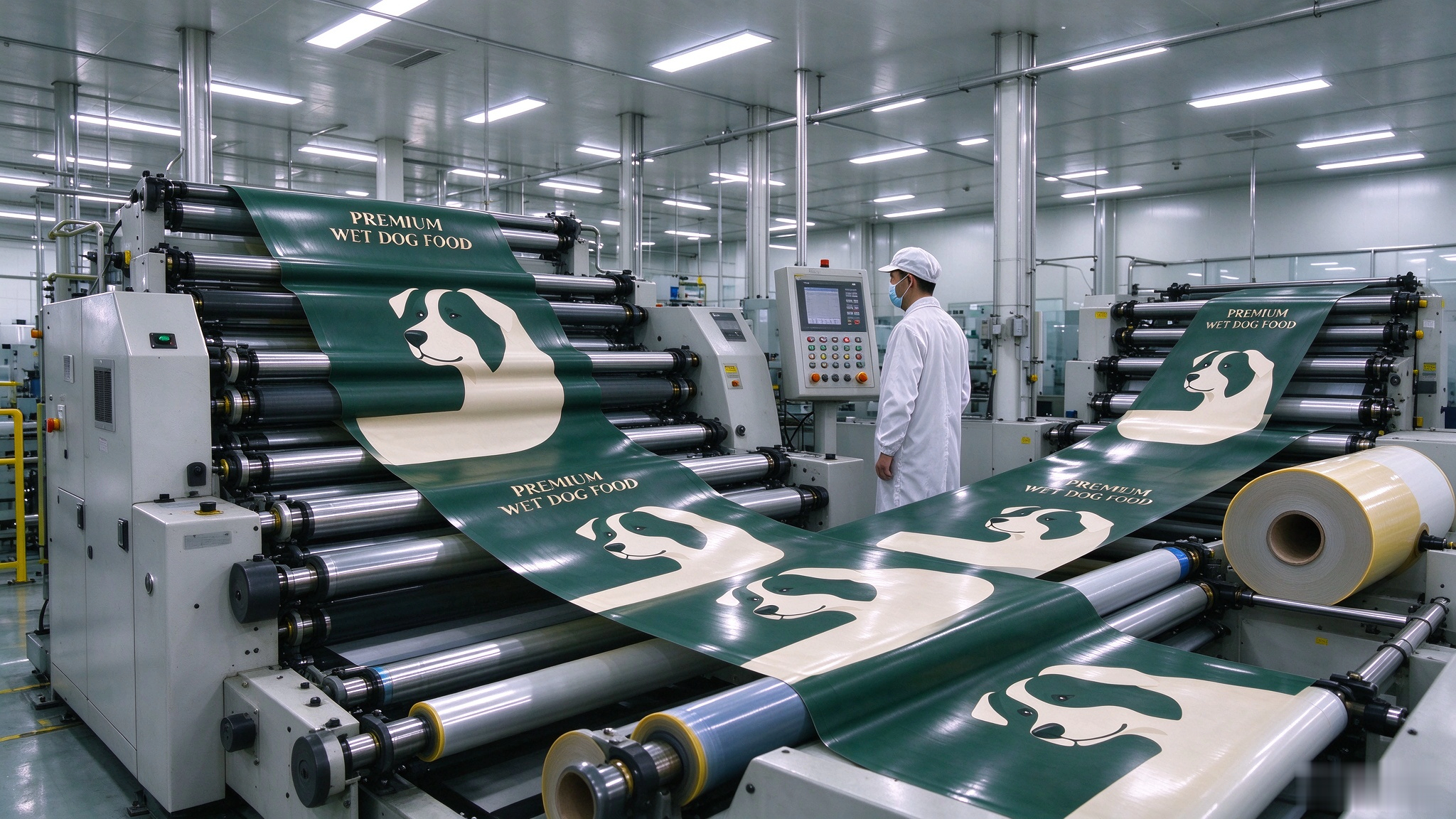
Haodong Packaging Co., Ltd. | Market: Pet Food / Europe | Format: Retort Pouch | Sterilization · Barrier · Extended Shelf Life
Europe is one of the world’s largest and most sophisticated wet-pet-food markets. As pet humanisation accelerates, owners increasingly want real-meat wet recipes — chunks in gravy, pâté, mousse — that look and smell like something they would eat themselves. The category is growing steadily, and with it the pressure on brands to deliver premium nutrition in a package that is safe, convenient and shelf-stable without refrigeration.
For decades, the can was the default. Cans are safe, they are strong, and they give a long shelf life. But they are also heavy, expensive to freight, inconvenient to open, and increasingly out of step with what modern retailers and consumers want: lighter packaging, easier portioning, a softer carbon footprint, and a shelf that looks contemporary. The retort pouch was designed to deliver everything a can delivers — commercial sterility, a 12–24 month ambient shelf life, no preservatives — at a fraction of the weight. The catch is that not every pouch survives the process. A retort pouch must withstand a pressurised steam cycle at roughly 121°C for 30–60 minutes, hold a hermetic seal through temperature shock, and keep oxygen, moisture and light out for a year or more. Choose the wrong structure and the pouch bloats, leaks or spoils inside the tin. This case shows how the right retort structure solved exactly that problem for a European wet-pet-food brand.
Our client is a mid-sized European wet-pet-food brand producing premium, meat-first recipes for dogs and cats, sold through pet specialty chains, supermarkets and e-commerce across the EU. The recipes are clean-label — no artificial preservatives, no meat-by-product meals — and the brand had built its reputation on transparency and safety. The challenge was that the pouch structure it was using simply could not survive the retort cycle, and the brand was caught between two unacceptable options: go back to heavy cans, or keep a pouch that failed on the line.
The client came to us with four specific, costly problems:
The conclusion was clear: the brand needed a true retort-grade pouch — one that survived sterilisation, held the line for 18 months, and kept the recipe clean-label.
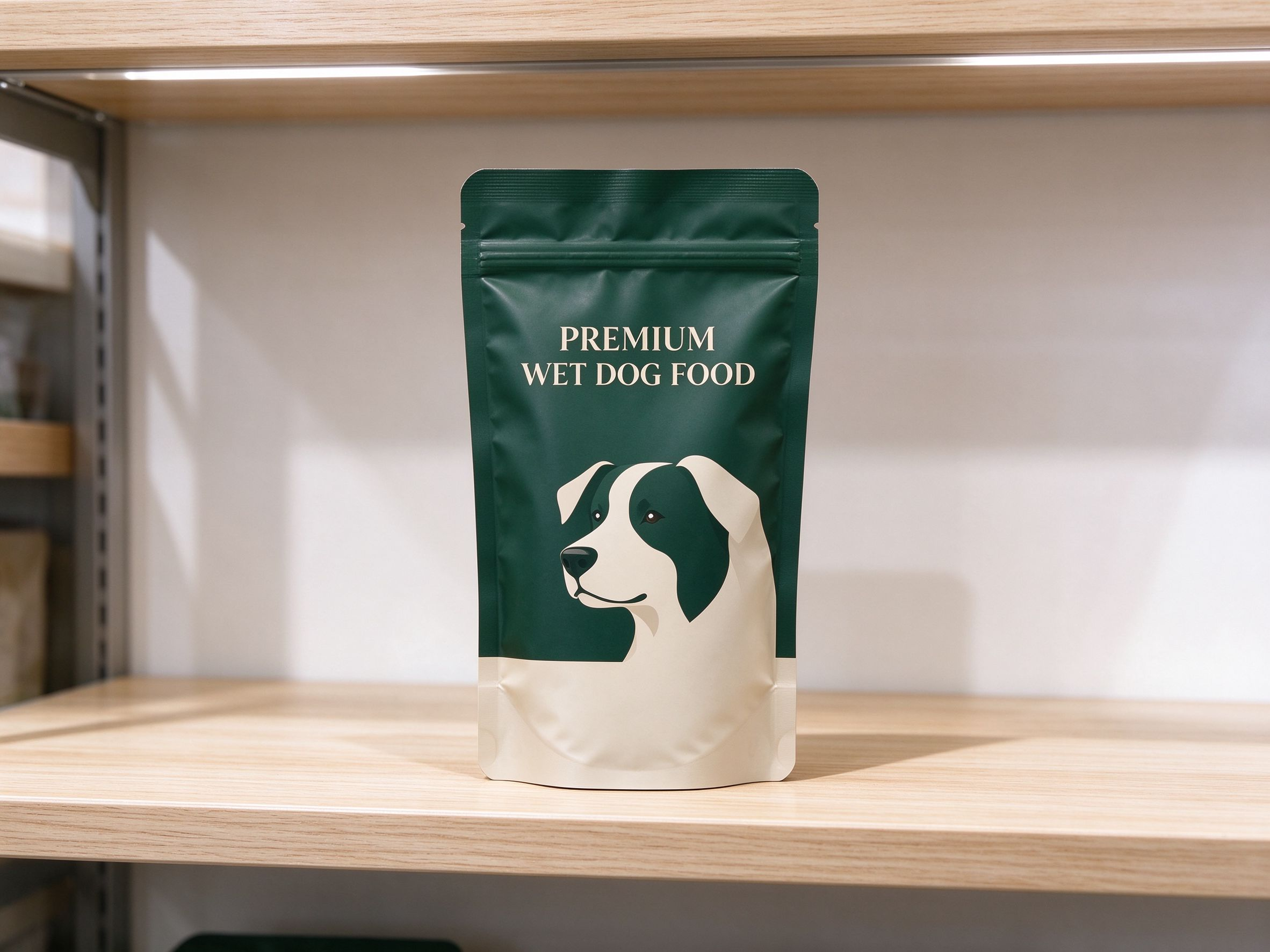
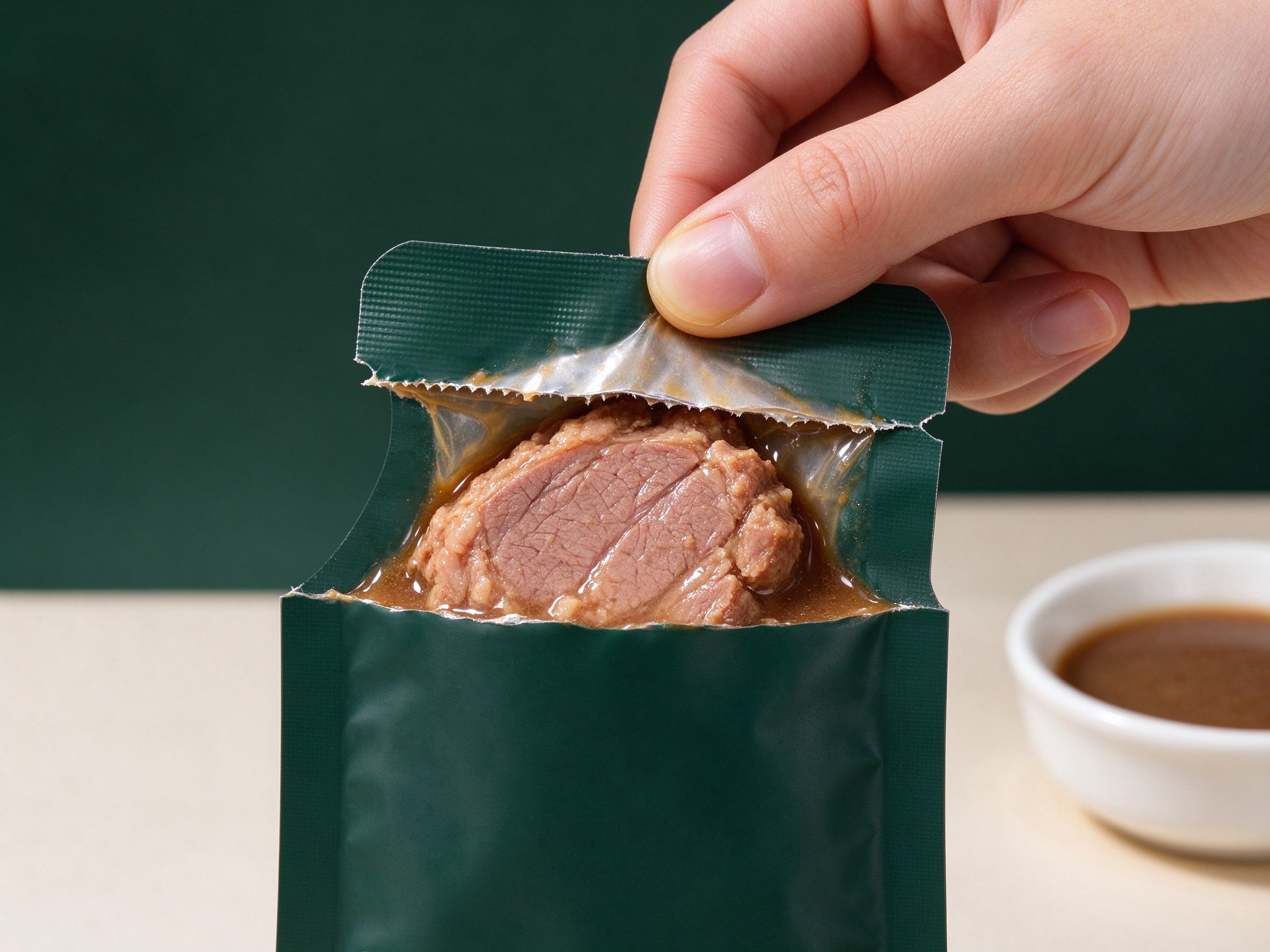
We specified a retort-grade laminated pouch engineered for the pressurised steam cycle. The structure is built around four layers, each with a specific job:
Typical layer architecture:
Layer |
Material |
Thickness |
Role |
Outer |
PET |
12 µm |
Print surface, withstands 121°C retort |
Barrier |
Aluminium foil |
7 µm |
Blocks light, oxygen and moisture |
Middle |
Nylon (PA) |
15 µm |
Puncture and heat-shock resistance |
Inner |
RCPP (retort-grade CPP) |
80–100 µm |
Sealant layer, withstands retort, food contact |
What makes it retort-safe:
Compared with cans, the finished pouch is roughly 60–70% lighter, ships flat, needs no secondary carton, and reduces freight and warehouse cost per unit substantially.
The new structure was validated on the client’s own retort line across three production campaigns, with pouches held through accelerated shelf-life testing.
Metric |
Before (non-retort pouch) |
After (retort-grade pouch) |
Retort-line rejection rate |
Double digits (10%+) |
< 0.5% |
Ambient shelf life |
3–6 months |
18–24 months |
Preservatives required |
Yes (clean-label claim lost) |
None required |
Oil/gravy delamination |
Visible haze |
None after retort |
Packaging weight |
— |
~60–70% lighter than cans |
Consumer complaints on seal/spoilage |
Recurring |
Near zero |
The most immediate win was on the production line itself: retort-line rejection fell from double digits to well under one per cent, which alone recovered the investment in the new structure inside the first quarter. The shelf-life extension then let the brand list new SKUs across EU markets without refrigerated logistics — a step change in distribution reach.
For this client, the retort pouch did more than fix a manufacturing problem. It let the brand keep its clean-label promise — no preservatives, no artificial additives — while competing on shelf with much larger brands. The pouches are easier to open, easier to portion and easier to recycle than a can, which the brand’s sustainability report now cites explicitly. And because the foil barrier keeps light and oxygen out, the meat chunks and gravy looked as good at month 18 as they did at month one. Safety and premium perception, delivered in the same pack.
Wet pet food, ready meals, military rations, medical nutrition — any product that must be sterilised and shelf-stable needs a retort structure that is engineered, not off-the-shelf. Send us your recipe, your retort cycle and your shelf-life target. We will recommend the layer structure, retort-validate it on our own line, and send you samples to run through yours before you commit.
Why Haodong Packaging:
Contact our packaging engineers today — samples, retort testing and a quote within days. Let’s make your wet product safe, shelf-stable and profitable.

 EN