
 EN


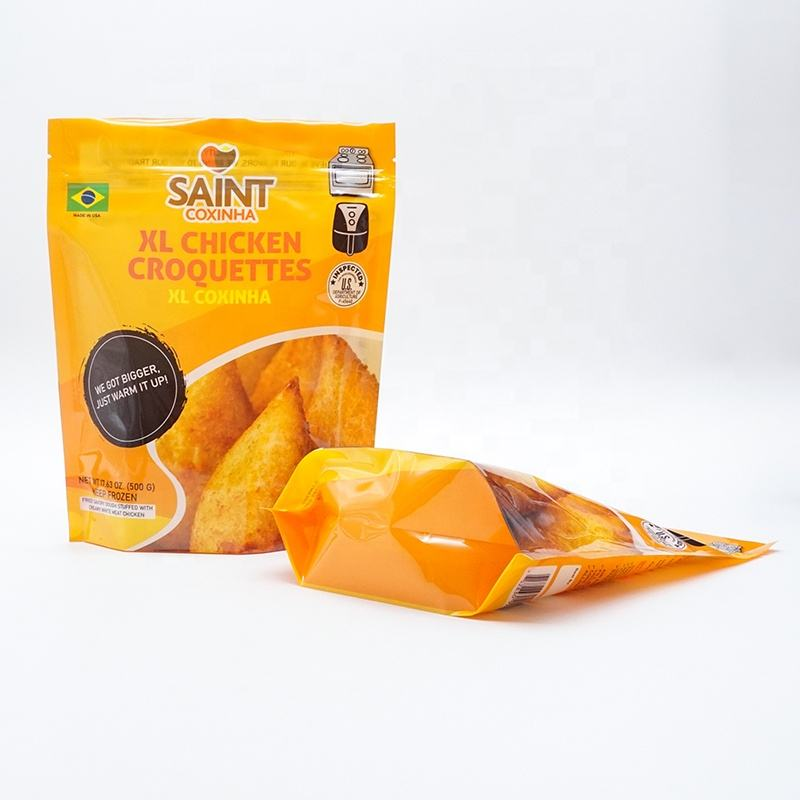
Selecting the right materials for frozen food packaging is one of the most critical decisions in food manufacturing and distribution. The materials you choose directly impact product preservation, shelf life, consumer safety, and brand reputation. Unlike ambient temperature products, frozen food packaging must withstand extreme cold, prevent moisture loss, resist physical stress during handling, and maintain structural integrity throughout the entire supply chain. This selection process requires understanding the specific demands of frozen storage, the properties of available materials, and how different layer configurations work together to create effective barriers against environmental degradation.

Custom printed laminated frozen food packaging pouches combine aesthetic branding with functional protection, offering manufacturers a way to communicate product information while maintaining the integrity of their frozen goods. The lamination process bonds multiple material layers together, each serving a specific purpose in the overall packaging system. Understanding material properties such as tensile strength, barrier effectiveness, temperature resistance, and printability enables manufacturers to design solutions that meet both regulatory standards and market expectations. This comprehensive guide walks through the key material considerations, layer structures, and decision factors that lead to optimal frozen food packaging performance.
Understanding Material Layers in Frozen Food Packaging
The Role of Outer Print Layers
The outermost layer of frozen food packaging serves as the visual identity and primary contact point with consumers. Polyethylene terephthalate (PET) is the dominant choice for this layer because it offers excellent printability, clarity, and surface durability. PET maintains its structural integrity at freezing temperatures and provides a premium appearance that enhances brand perception. The outer layer of frozen food packaging must resist ink degradation, handle repeated freezer handling without cracking, and maintain print vibrancy throughout the product's shelf life. Additionally, this layer protects interior barrier materials from direct physical stress while allowing customers to see product contents clearly, an important factor in frozen food marketing.
Barrier Material Requirements
The middle layers of frozen food packaging create the actual barrier against oxygen infiltration and moisture loss, which are the primary causes of freezer burn and product degradation. Aluminum foil, typically 9 to 12 microns thick, serves as the gold standard barrier material in frozen food packaging because it provides nearly complete oxygen and light blockage. Aluminum creates an impenetrable seal against water vapor transmission, preventing the ice crystal formation that degrades texture and appearance in frozen products. For applications where aluminum opacity is undesirable, metallized polyester or EVOH (ethylene vinyl alcohol) can replace aluminum while still maintaining excellent barrier properties, though slightly less effectively. The selection between these barrier options in frozen food packaging depends on the specific product type, required shelf life, and visibility needs.
Structural Integrity Under Frozen Conditions
Material Performance at Subzero Temperatures
Frozen food packaging experiences mechanical stresses that room-temperature packaging never encounters. At subzero temperatures, many polymers become brittle and prone to cracking or delamination, threatening package integrity and product safety. Polyethylene (PE) layers, particularly in the 15 to 25 micron thickness range, provide the critical flexibility that allows frozen food packaging to absorb impact during stacking, transportation, and handling without rupturing. Linear low-density polyethylene (LLDPE) offers superior puncture resistance compared to standard LDPE, making it the preferred choice for the innermost sealing layer of frozen food packaging. This inner layer must fuse completely during heat sealing while maintaining flexibility in frozen conditions, creating a dual requirement that LLDPE addresses more effectively than competing materials.
Seal Strength and Package Closure Reliability
The heat seal that holds frozen food packaging together must withstand the physical forces of freezer handling, pressure from stacking, and the natural contraction that occurs as sealed packages cool. A properly formulated inner sealing layer in frozen food packaging typically consists of metallocene polyethylene (mPE) or LLDPE blends that create seals maintaining 4 to 6 kilograms of force per 15 millimeters of seal width. This specification ensures that frozen food packaging will not burst during normal distribution or consumer handling at temperatures down to minus 20 degrees Celsius or lower. Seal integrity testing under actual frozen conditions is essential to validate that your frozen food packaging design performs reliably in real-world scenarios rather than only at room temperature.
Material Selection Based on Product Type and Shelf Life
Seafood and Fish Product Considerations
Seafood products in frozen food packaging face unique challenges due to high fat content and oxidation susceptibility. Fatty fish species require enhanced barrier protection, typically achieved through aluminum foil layers in frozen food packaging or dual-layer barrier systems that provide redundancy against oxygen transmission. The shelf life requirements for premium seafood frozen food packaging often reach 18 to 24 months, demanding barrier performance that only aluminum or multiple barrier layers can consistently deliver. Vacuum sealing capabilities integrate naturally with frozen food packaging for seafood, since the removal of air dramatically extends shelf life and prevents oxidative rancidity that compromises flavor and safety.
Prepared Meals and Mixed-Ingredient Products
Prepared meals and combination dishes present the most demanding frozen food packaging requirements because multiple ingredients with different oxidation rates and flavor stability profiles must be protected simultaneously. These products often require frozen food packaging with enhanced moisture barriers to prevent dehydration of lower-fat components while protecting oil-containing ingredients from oxidation. Barrier strength in frozen food packaging for prepared meals typically follows the specification of less than 1 cubic centimeter of oxygen transmission per square meter per day, achievable through metallized polyester or aluminum-based constructions. The complexity of protecting multi-ingredient frozen food packaging necessitates careful material selection and validation through shelf life testing under actual storage conditions.
Design Integration and Practical Implementation
Print Quality and Aesthetic Branding
Custom printed frozen food packaging allows manufacturers to implement sophisticated brand communications, regulatory labeling, and consumer information directly on the package surface. The selection of materials in frozen food packaging must account for printability characteristics, ink adhesion, and color durability across the freezing process and thawing cycles that consumers experience. High-quality gravure or flexographic printing on properly selected frozen food packaging materials creates sharp, vibrant images that differentiate products on retail shelves and communicate premium quality positioning. Material thickness and surface finish directly influence print clarity, so experienced frozen food packaging manufacturers specify materials optimized for both barrier performance and print reproduction.
Cost Optimization Without Compromising Performance
Material selection for frozen food packaging involves balancing protective capability against manufacturing cost and margin requirements. Thinner barrier layers, achieved through advanced coating technologies or metallized films rather than solid aluminum, can reduce material costs in frozen food packaging while maintaining adequate protection for products with moderate shelf life requirements. Volume purchasing of standardized frozen food packaging materials reduces per-unit costs compared to highly specialized constructions, making it important to consider whether your specific product truly requires premium barrier solutions or whether mid-tier frozen food packaging specifications deliver adequate performance at significantly lower expense. Collaborating with experienced packaging manufacturers during the material selection phase for frozen food packaging often reveals opportunities to optimize performance-to-cost ratios that improve profitability without sacrificing product quality.
FAQ
What material thickness is recommended for frozen food packaging?
Total laminate thickness for frozen food packaging typically ranges from 70 to 120 microns, depending on product type and shelf life requirements. Barrier layers contribute 9 to 12 microns of aluminum or equivalent material, while outer and inner polymer layers provide structural support and sealing capability. Higher-value products with longer shelf life requirements often use frozen food packaging in the 100 to 120 micron range, while cost-sensitive products may utilize 70 to 85 micron constructions with shorter shelf life specifications.
Can recyclable materials be used in frozen food packaging?
Modern recyclable frozen food packaging solutions exist but require careful material selection to maintain barrier performance. Mono-material constructions using polyethylene-based frozen food packaging are more readily recyclable than traditional laminated structures, though they sacrifice some barrier capability. Some manufacturers of frozen food packaging are developing solutions using recycled content in outer layers or barrier materials, though aluminum elimination from frozen food packaging significantly impacts shelf life potential and product protection.
How long does frozen food packaging typically protect products?
Properly designed frozen food packaging protects products for 12 to 24 months depending on material construction and storage conditions. Standard frozen food packaging with aluminum barriers maintains quality for 18 to 24 months, while economical frozen food packaging without continuous barrier layers typically protects products for 6 to 12 months. Shelf life testing under actual freezer conditions is essential to validate that your specific frozen food packaging meets market expectations and regulatory requirements.