
 EN


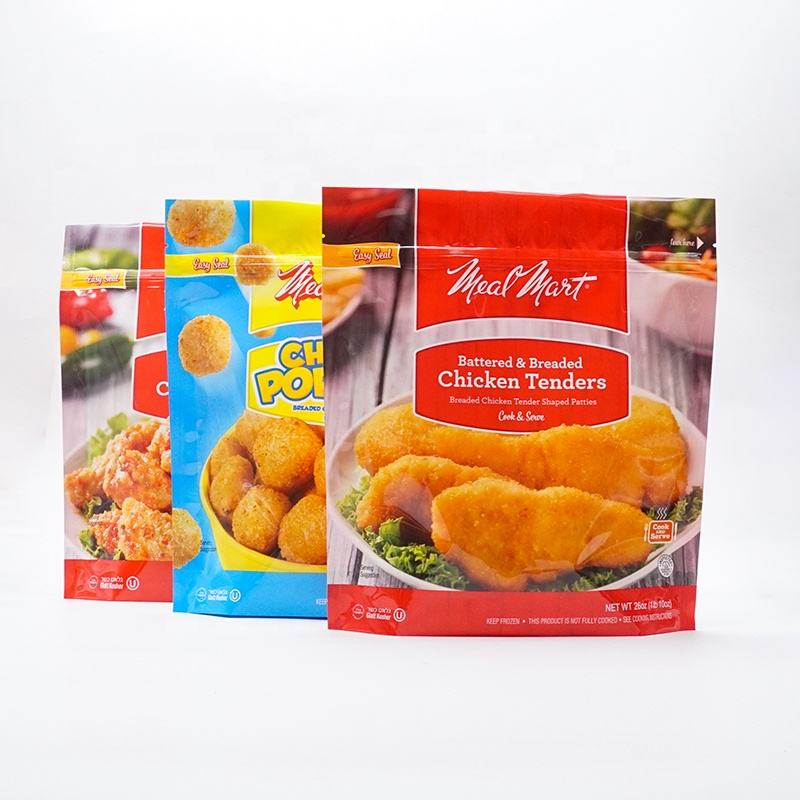
Testing frozen food packaging at low temperatures is a critical process that ensures products maintain integrity, freshness, and safety throughout their cold chain journey. Manufacturers of frozen food packaging must validate that their materials withstand extreme cold without brittleness, cracking, or seal failure. This rigorous evaluation protects both consumer satisfaction and brand reputation in the competitive frozen food market.

Low-temperature environments present unique challenges to frozen food packaging materials that do not occur at ambient temperatures. The extreme cold causes polymer chains to contract, affecting flexibility, seal strength, and overall package performance. Understanding how frozen food packaging behaves under controlled low-temperature testing conditions is essential for manufacturers, distributors, and retailers who depend on reliable packaging solutions.
Understanding Low-Temperature Testing Standards for Frozen Food Packaging
Key Testing Parameters and Frozen Food Packaging Evaluation
Frozen food packaging undergoes standardized testing protocols that measure performance across multiple parameters. Temperature ranges typically extend from minus 18 degrees Celsius down to minus 30 degrees Celsius, reflecting real-world freezer and transportation conditions. Testing facilities evaluate seal integrity, material flexibility, puncture resistance, and barrier properties of frozen food packaging to ensure it meets industry requirements and regulatory compliance standards.
The material composition of frozen food packaging directly influences how it responds to low-temperature stress. Films manufactured from polyethylene, polypropylene, and laminated structures demonstrate varying degrees of brittleness when exposed to extreme cold. Frozen food packaging suppliers conduct impact testing, tensile strength evaluation, and elongation measurements to verify that materials remain functional and protective in frozen conditions without becoming fragile or breaking.
Industry Standards Governing Frozen Food Packaging Materials
Multiple international standards guide the testing of frozen food packaging, including ASTM D882 for tensile properties, ASTM D2370 for impact resistance, and ISO 15383 for flexibility assessment. These standards ensure that frozen food packaging materials meet consistent performance benchmarks across manufacturers and regions. Compliance with these standards demonstrates that frozen food packaging provides reliable protection for contents ranging from vegetables and fish to prepared meals and ice cream products.
Regulatory bodies require frozen food packaging to pass durability tests that simulate real-world handling and storage scenarios. Frozen food packaging must maintain seal integrity throughout the entire cold chain, from manufacturing facilities through warehouse storage, transportation, retail display, and consumer freezers. This comprehensive validation ensures that frozen food packaging performs reliably regardless of the specific cold storage environment or handling conditions encountered.
Material Composition and Low-Temperature Performance of Frozen Food Packaging
Multi-Layer Structures in Modern Frozen Food Packaging
Contemporary frozen food packaging employs multi-layer film structures that combine different polymers to optimize performance in low-temperature environments. A typical frozen food packaging configuration includes an outer polyester layer for durability, a middle polyethylene or polypropylene core for flexibility, and an inner barrier layer for oxygen and moisture protection. This engineered approach to frozen food packaging balances strength, flexibility, and barrier properties to withstand the thermal shock and mechanical stress of deep freezing.
The adhesive layers bonding different materials within frozen food packaging must also remain effective at low temperatures. Adhesives used in frozen food packaging are specifically formulated to maintain bond strength even when polymer components contract and experience different rates of thermal stress. Testing frozen food packaging for delamination ensures that no separation occurs between layers, which could compromise barrier properties or structural integrity of the package.
Barrier Properties and Protective Capability of Frozen Food Packaging
Oxygen transmission rate and moisture vapor transmission rate are critical specifications for frozen food packaging, particularly at low temperatures. When frozen food packaging is tested at minus 20 degrees Celsius and below, barrier properties must remain consistent to prevent freezer burn, oxidation, and flavor degradation of packaged products. The low-temperature testing of frozen food packaging verifies that barrier layers continue performing their protective function even as materials contract and polymer chains become more rigid.
Frozen food packaging designs must accommodate the expansion of water during freezing without compromising barrier integrity or seal strength. Manufacturers test frozen food packaging by simulating freeze-thaw cycles that replicate the stress experienced when products are stored, moved, and thawed. This cyclical testing of frozen food packaging reveals potential failure points and validates the reliability of materials selected for commercial frozen food applications.
Practical Testing Methods and Quality Assurance for Frozen Food Packaging
Seal Strength Evaluation and Closure Integrity in Frozen Food Packaging
Seal strength testing for frozen food packaging measures the force required to separate sealed seams under low-temperature conditions. Heat-sealed closures on frozen food packaging must remain intact when subjected to mechanical stress, tension, and the internal pressure from frozen product expansion. Testing equipment measures peel strength and burst strength of frozen food packaging seals at temperatures matching typical storage conditions, ensuring that packages remain closed throughout their entire shelf life in frozen distribution channels.
Frozen food packaging seals are evaluated for both static strength and dynamic strength under real-world handling scenarios. Drop tests simulate the impact that frozen food packaging experiences during warehouse operations and transportation. Vibration testing of frozen food packaging replicates the environmental stress from trucks and cargo handling equipment, validating that seal integrity persists despite mechanical vibration and thermal cycling that occurs in frozen supply chains.
Flexibility and Brittleness Assessment of Frozen Food Packaging Materials
Brittleness is a primary concern when evaluating frozen food packaging materials at low temperatures. Testing procedures for frozen food packaging include the Coefficient of Friction test, the Tear Propagation test, and the Puncture Resistance test to measure how materials respond to physical stress when cold. Frozen food packaging that becomes excessively brittle at low temperatures may crack during consumer handling or break during distribution, exposing contents to freezer burn and contamination.
Elongation at break is a key metric in frozen food packaging testing that indicates how much a material can stretch before failing. Materials selected for frozen food packaging are tested to ensure they maintain reasonable elongation even at minus 20 degrees Celsius and lower. This property ensures that frozen food packaging can flex and adapt to product shape without splitting, and that sealing equipment can properly form closures without damaging the film structure.
Tensile strength measurements for frozen food packaging establish the maximum stress the material can withstand before rupturing. Low-temperature tensile testing of frozen food packaging reveals whether material strength increases excessively during cold exposure, which can make sealing difficult and cause brittleness problems. Manufacturers optimize frozen food packaging composition to maintain consistent tensile properties across the full range of storage temperatures encountered in commercial frozen food operations.
FAQ
Why is low-temperature testing essential for frozen food packaging?
Low-temperature testing ensures that frozen food packaging maintains seal integrity, barrier properties, and structural durability in actual freezer environments. Without rigorous testing, packaging could fail in cold conditions, leading to freezer burn, product contamination, and consumer dissatisfaction. Testing frozen food packaging at realistic low temperatures prevents costly field failures and protects brand reputation in competitive markets.
What temperature ranges are used to test frozen food packaging materials?
Frozen food packaging is typically tested at minus 18 degrees Celsius, which represents standard freezer temperatures, and often extends to minus 30 degrees Celsius to simulate deep freeze and transportation conditions. Some frozen food packaging testing also includes minus 40 degrees Celsius to account for extreme storage scenarios. These graduated temperature ranges ensure that frozen food packaging performs reliably across the broadest possible range of commercial frozen distribution conditions.
How does brittleness affect frozen food packaging performance?
Brittleness makes frozen food packaging prone to cracking, tearing, and seal failure during handling and consumer use. When frozen food packaging becomes too brittle at low temperatures, it loses flexibility needed for sealing operations and may split during normal package manipulation. Testing frozen food packaging for brittleness resistance ensures that materials remain workable and protective even in the coldest freezer environments consumers encounter.