
 EN


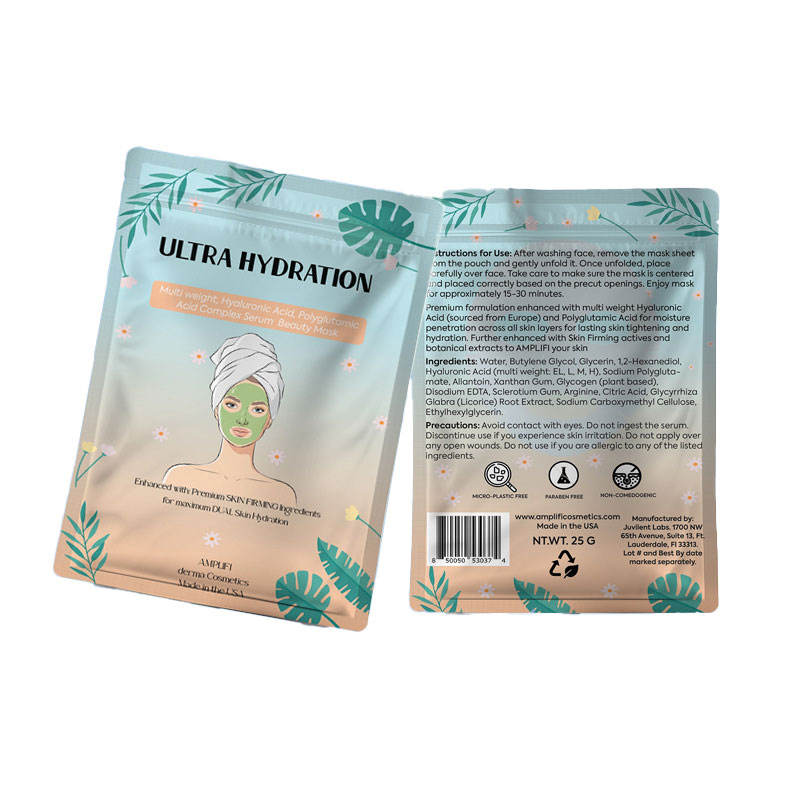
Leakage is one of the most frustrating challenges that cosmetic manufacturers and distributors face. When premium lotions, creams, and serums leak during storage, shipping, or handling, the result is wasted product, damaged reputation, and disappointed customers. The quality of your cosmetic packaging directly determines whether your product arrives intact or arrives damaged. Understanding how advanced cosmetic packaging solutions prevent leakage is essential for any brand that wants to maintain product integrity and customer trust.

Premium cosmetic packaging has evolved far beyond simple containers. Modern solutions combine material science, seal engineering, and design precision to create barriers that truly protect valuable formulations. Whether you manufacture high-end skincare products or distribute luxury cosmetics, selecting the right cosmetic packaging solution is not just about aesthetics—it's about preventing costly losses and ensuring every customer receives their product in perfect condition.
Understanding Leakage in Cosmetic Packaging
Why Leakage Occurs in Standard Containers
Conventional cosmetic packaging often fails because it relies on basic seal methods that cannot withstand real-world conditions. Temperature fluctuations, pressure changes during transport, and vibration during shipping can cause seams to crack, caps to loosen, or adhesive bonds to fail. Standard cosmetic packaging may look adequate in a retail setting, but the stress of logistics exposes critical weaknesses. Most leakage incidents happen not on store shelves but during the journey from warehouse to customer.
Materials matter significantly in preventing leakage. Low-quality plastics become brittle in cold temperatures and expand in heat, creating gaps in the seal. Poor lamination between layers allows liquid to migrate through micro-fractures. These material shortcomings multiply when cosmetic packaging encounters the full range of environmental stressors that occur during global supply chains. Premium brands cannot afford these failures because they damage more than product—they damage brand credibility.
The Cost of Leakage in the Supply Chain
Each instance of cosmetic packaging failure carries real financial consequences. Product loss is immediate and measurable, but indirect costs are equally serious. Customers who receive damaged shipments demand refunds or replacements, increasing fulfillment expenses. Negative reviews from leakage incidents damage online reputation and reduce future sales. Returns processing consumes warehouse resources and labor. Insurance claims add administrative burden. For premium cosmetic brands, a single leakage event can cascade into thousands of dollars in costs beyond the product value itself.
The reputational damage from cosmetic packaging failures often exceeds the direct financial loss. In today's digital marketplace, one customer with a damaged shipment can post photos and negative reviews that influence hundreds of potential buyers. Premium cosmetic manufacturers depend on brand perception of quality and reliability. Leakage destroys that perception instantly. This is why investing in superior cosmetic packaging solutions is not an expense—it is essential brand protection.
How Premium Cosmetic Packaging Prevents Leakage
Advanced Seal Technologies in Modern Cosmetic Packaging
Premium cosmetic packaging utilizes multi-layer sealing systems that create redundant barriers against leakage. Heat-sealed seams are reinforced with pressure-sensitive adhesive backups, ensuring that if one seal fails, a secondary barrier remains intact. Spout-based cosmetic packaging designs incorporate precision-engineered nozzles that create positive lock mechanisms, preventing caps from loosening even under vibration. These advanced sealing methods are fundamentally different from the simple crimping or gluing used in standard cosmetic packaging.
The materials used in high-quality cosmetic packaging are engineered for consistency and durability. Multi-ply films combine rigid outer layers that protect against puncture with flexible inner layers that maintain seal integrity under pressure changes. Specialized barrier coatings prevent moisture transmission and chemical degradation. When cosmetic packaging incorporates these material technologies, the result is a container that actually improves under stress rather than failing. The seal becomes stronger as pressure increases, not weaker.
Design Innovations That Eliminate Leakage Risk
Modern cosmetic packaging design prioritizes leak prevention through structural engineering. Stand-up pouches with reinforced bottom gussets distribute weight evenly and prevent pressure points where leakage typically initiates. Curved seam designs allow gradual stress distribution rather than stress concentration. Cosmetic packaging with integrated spout systems ensures that the closure point is always above the product level, preventing gravity-driven leakage. These design features are calculated through stress-testing and environmental simulation before production begins.
The shape and orientation of cosmetic packaging dramatically impact leakage resistance. Flat-bottom pouches create stress concentration that compromises seal integrity over time. Premium cosmetic packaging uses gusseted designs that create a more stable base and distribute pressure across a wider seal area. Nozzle positioning in cosmetic packaging also matters—top-positioned closures prevent siphoning and leakage when pouches are stored on their side. Every design element of professional cosmetic packaging serves the purpose of keeping your product inside the container.
Selecting the Right Cosmetic Packaging Solution
Evaluating Material Quality and Performance Standards
When comparing cosmetic packaging options, material specifications reveal true quality differences. Premium cosmetic packaging uses food-grade or cosmetic-grade films that meet international standards and testing protocols. These materials undergo accelerated aging tests, temperature cycling, and chemical compatibility testing before approval. Standard cosmetic packaging often uses materials with unknown sourcing or untested compatibility with specific formulations. Checking whether your cosmetic packaging supplier provides material certifications and third-party testing reports is the first step toward preventing leakage.
The thickness and ply structure of cosmetic packaging films directly correlate with leakage resistance. Thicker films generally resist puncture better, but optimal cosmetic packaging requires engineering balance—too thick reduces flexibility and increases manufacturing costs. Multi-ply construction in cosmetic packaging allows manufacturers to achieve strength through layering rather than just bulk. Professional cosmetic packaging suppliers can specify exactly how their materials perform under your specific product conditions, your storage temperatures, and your shipping environment.
Testing and Validation Before Full Production
Premium cosmetic packaging manufacturers conduct rigorous testing protocols before full-scale production. Pressure and compression testing simulates the weight of stacked cartons during storage. Thermal cycling testing exposes cosmetic packaging to temperature extremes that products experience in shipping. Drop testing verifies that cosmetic packaging can withstand handling abuse without compromising seals. Seal strength testing measures the exact force required to open the container and confirms that seals will not spontaneously fail. These validation processes are standard for professional cosmetic packaging solutions.
Requesting test data and performance documentation from your cosmetic packaging supplier demonstrates their commitment to quality. Reputable manufacturers provide cosmetic packaging backed by documented performance results. They can show you seal strength measurements, material compatibility reports, and environmental stress test results specific to your formulation. This documentation proves that your cosmetic packaging solution has been engineered and validated, not simply assembled from standard components.
FAQ
What is the most common cause of leakage in cosmetic packaging?
Inadequate seal design and inconsistent application are the leading causes. Many standard cosmetic packaging solutions use single-seal methods that cannot withstand the thermal and mechanical stresses of modern supply chains. Temperature fluctuations cause material expansion and contraction, creating micro-gaps in inferior seals. Additionally, pressure from stacked containers and vibration during shipping expose weaknesses in cosmetic packaging that appear perfect in laboratory conditions but fail in real-world logistics.
How can I verify that cosmetic packaging will prevent leakage for my specific product?
Request material compatibility testing and seal strength data specific to your formulation from your cosmetic packaging supplier. Professional manufacturers can conduct lab testing with your actual product to ensure chemical compatibility and verify seal integrity. Ask for documentation of thermal cycling tests, pressure tests, and accelerated aging protocols. Request samples that you can test through your own supply chain simulation. Reputable cosmetic packaging providers welcome this verification because their solutions are engineered to perform under these conditions.
Does premium cosmetic packaging always cost significantly more?
While premium cosmetic packaging may have higher per-unit material costs, the total cost of ownership is typically lower when accounting for reduced leakage, lower returns rates, and eliminated brand damage. A 2% reduction in leakage incidents translates directly to significant savings compared to processing returns and managing customer dissatisfaction. Superior cosmetic packaging also reduces insurance claims and eliminates waste in your distribution process. Many manufacturers find that investing in quality cosmetic packaging solutions actually improves profitability through reduced logistics costs and improved customer retention.