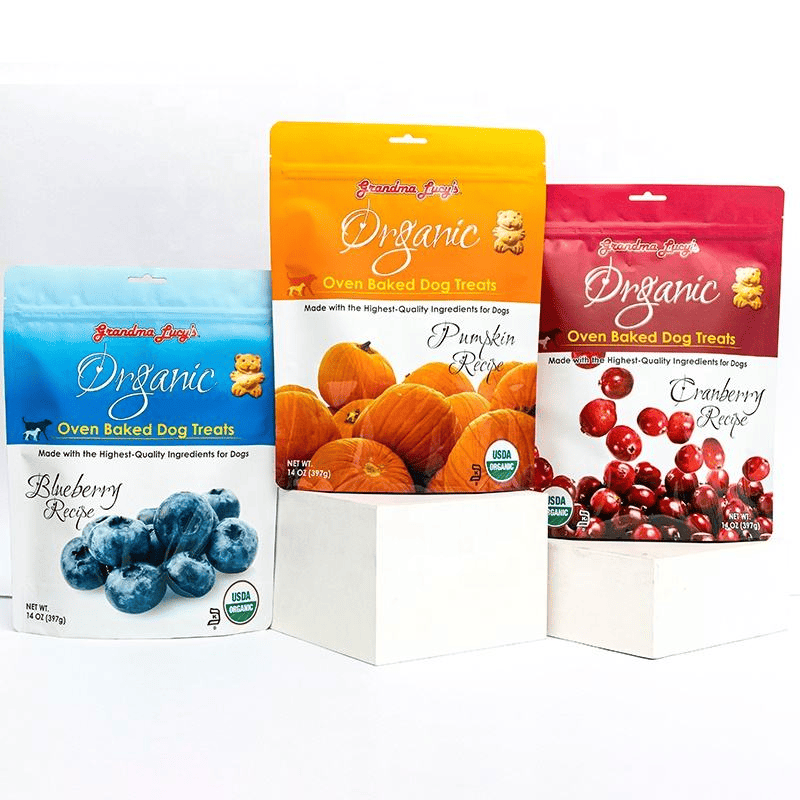
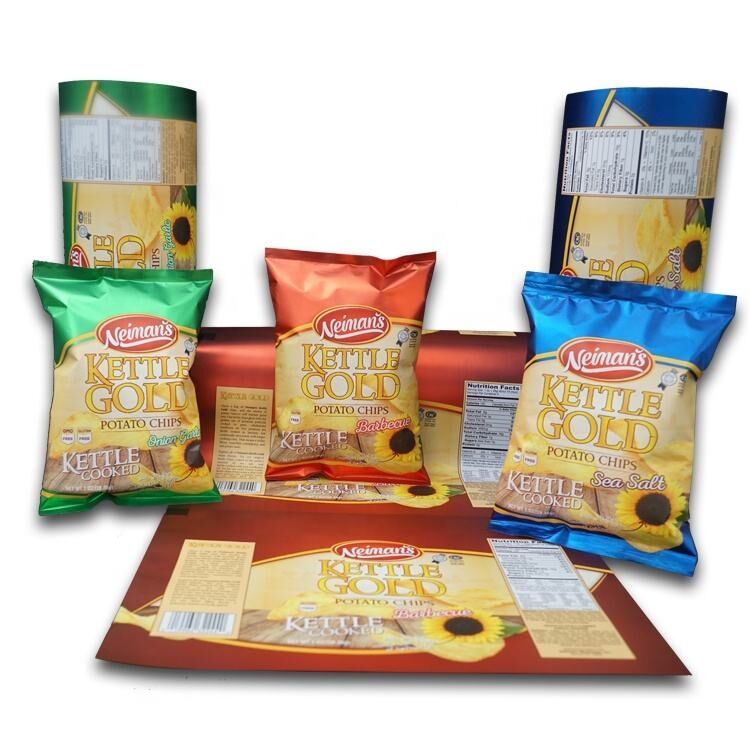
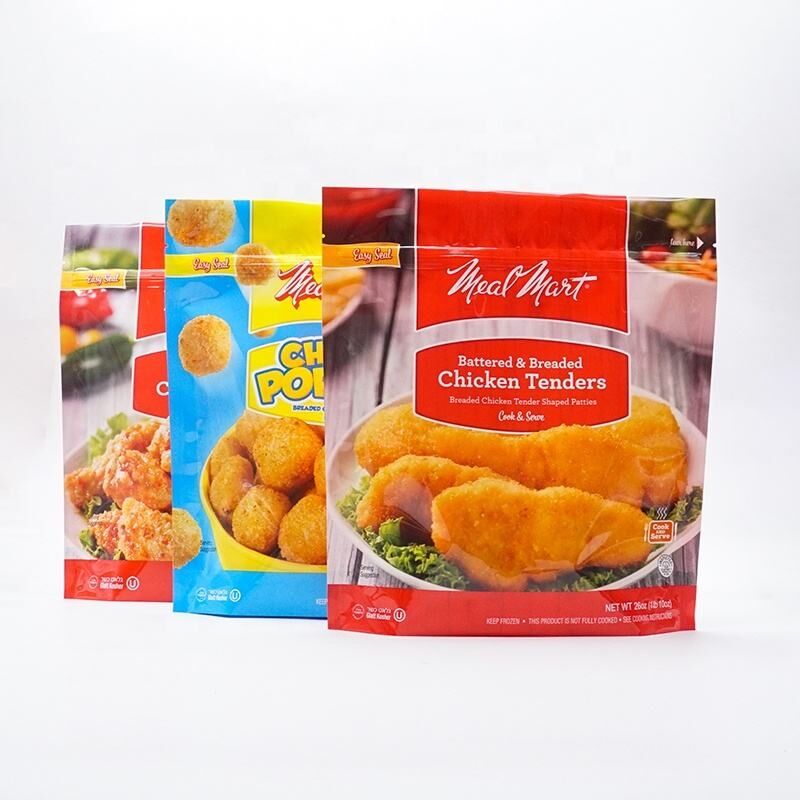
vacuum food storage bags
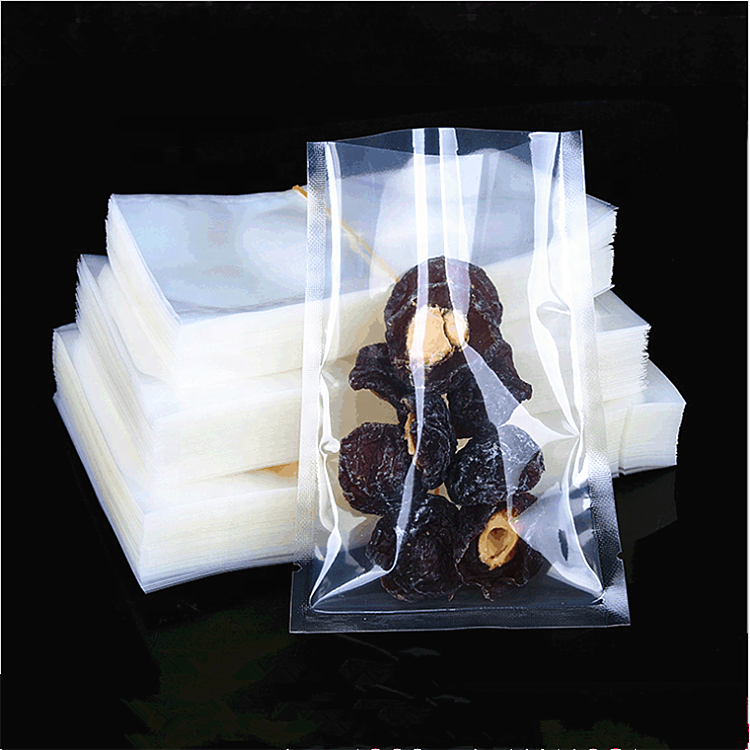
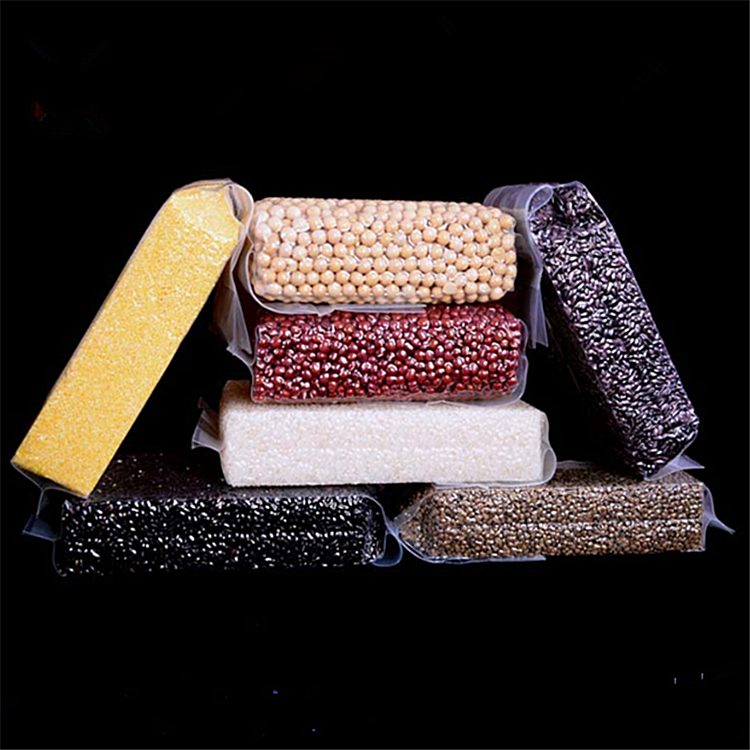
Vacuum food storage bags represent an innovative solution for modern food preservation that transforms how households and commercial kitchens maintain freshness. These specialized storage containers utilize advanced vacuum-sealing technology to remove air from the interior space, creating an oxygen-free environment that dramatically extends the shelf life of various food items. The primary function of vacuum food storage bags centers on eliminating the primary causes of food spoilage: oxygen exposure, moisture infiltration, and bacterial growth. By creating an airtight seal, these bags prevent oxidation processes that lead to rancidity in fats, discoloration in produce, and texture degradation in proteins. The technological foundation relies on multi-layer barrier films constructed from materials like polyethylene, nylon, and specialized polymer compounds that provide superior puncture resistance and gas barrier properties. These vacuum food storage bags incorporate heat-sealing mechanisms that create permanent closures, ensuring no air can re-enter once the vacuum process is complete. Modern variants feature textured surfaces that facilitate air removal and enhance the vacuum-sealing process. Applications span across residential kitchens for meal preparation, bulk purchasing storage, and leftover preservation. Commercial establishments utilize these bags for portion control, inventory management, and sous vide cooking preparations. The bags accommodate various food categories including raw meats, cooked dishes, fresh produce, dried goods, and liquid-based items. Temperature resistance allows usage in refrigerators, freezers, and some microwave applications. Professional food service operations depend on vacuum food storage bags for maintaining food safety standards while reducing waste. Home users benefit from extended storage periods that can multiply normal refrigeration times by three to five times the standard duration, making these bags essential tools for efficient kitchen management and cost-effective food preservation strategies.
 ×
×


 EN
EN