Premium Vacuum Food Packaging Solutions - Extended Freshness & Cost Savings

Get a Free Quote

Our representative will contact you soon.
Email
Name
Company Name
Mobile/WhatsApp
Message
0/1000

vacuum food packaging

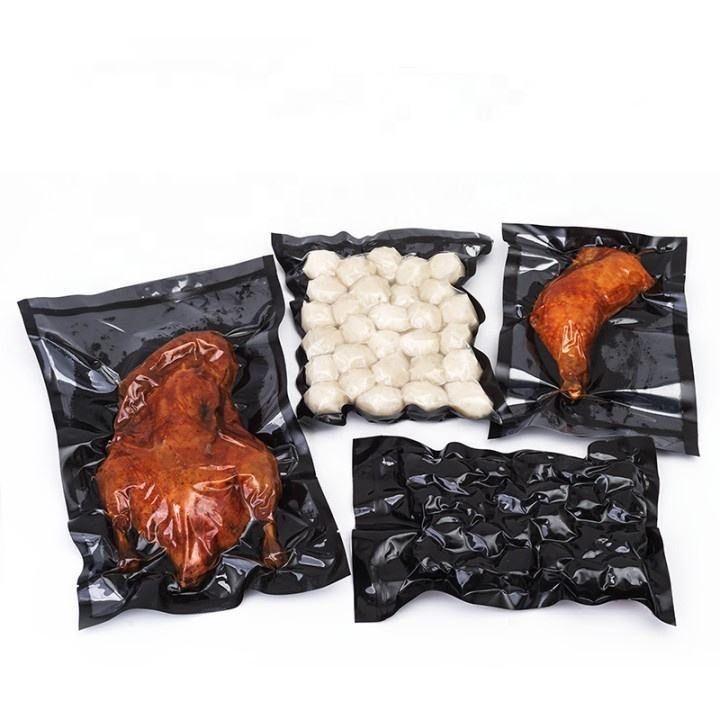
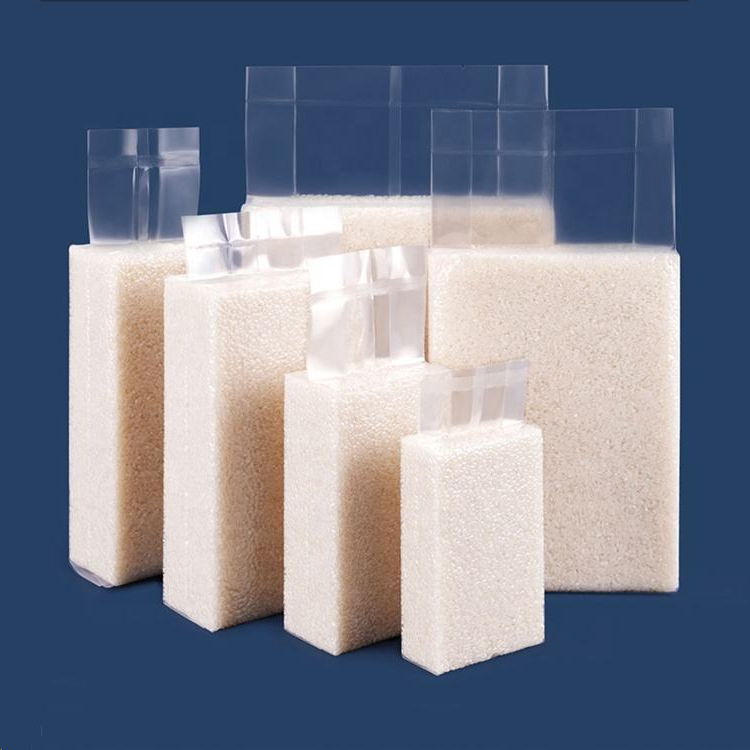
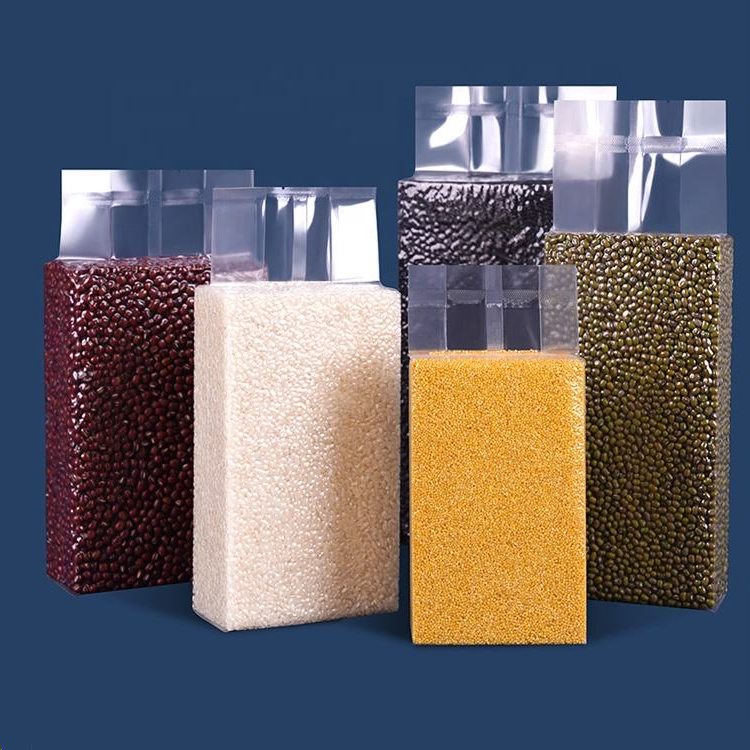
Vacuum food packaging represents a revolutionary preservation technology that removes air from containers or pouches before sealing, creating an oxygen-free environment that dramatically extends product shelf life. This innovative packaging method utilizes specialized machinery to extract virtually all air from the packaging material, typically achieving oxygen levels below 1 percent. The vacuum food packaging process involves placing products into barrier films or containers, then using vacuum pumps to remove atmospheric gases before heat-sealing or mechanically closing the package. The technology employs various sealing mechanisms including heat sealing, clip closure, and adhesive sealing to maintain the vacuum environment. Modern vacuum food packaging systems incorporate advanced sensors and control systems to ensure consistent vacuum levels and seal integrity. The barrier materials used in vacuum food packaging range from multi-layer films combining polyethylene, nylon, and EVOH layers to rigid containers made from specialized plastics or glass. These materials provide excellent oxygen and moisture barriers while maintaining product visibility and presentation appeal. Vacuum food packaging finds extensive applications across multiple industries including meat processing, dairy production, seafood preservation, ready-to-eat meals, coffee packaging, and pharmaceutical products. In commercial food service, vacuum food packaging enables sous vide cooking techniques, portion control, and extended storage capabilities. The technology proves particularly valuable for preserving delicate items like fresh pasta, cheese, nuts, and dried fruits where traditional packaging methods fall short. Industrial applications include bulk ingredient storage, export shipments requiring extended transit times, and specialty products demanding premium preservation standards. Agricultural producers utilize vacuum food packaging for value-added processing, enabling direct-to-consumer sales and premium market positioning. The versatility of vacuum food packaging makes it suitable for both small-scale artisanal operations and large industrial facilities.

Popular Products

Vacuum food packaging delivers exceptional shelf life extension by removing oxygen that causes spoilage, oxidation, and rancidity in food products. Products packaged using vacuum methods typically last three to five times longer than conventionally packaged items, translating directly into reduced waste and increased profitability for businesses. The oxygen-free environment created by vacuum food packaging prevents aerobic bacteria growth, significantly reducing the risk of foodborne illnesses and maintaining product safety standards. This enhanced safety profile builds consumer confidence and protects brand reputation while meeting strict regulatory requirements. Cost savings represent another major advantage of vacuum food packaging, as extended shelf life reduces inventory turnover frequency and minimizes product losses due to spoilage. Businesses can purchase ingredients in larger quantities, negotiate better pricing, and reduce procurement costs while maintaining quality standards. The compact nature of vacuum food packaging reduces storage space requirements by up to 30 percent compared to traditional packaging methods, optimizing warehouse efficiency and reducing operational costs. Transportation benefits include reduced shipping volumes, lower freight costs, and improved product protection during transit. Vacuum food packaging preserves nutritional content, flavor profiles, and texture characteristics far better than conventional methods, ensuring customers receive premium quality products. The technology prevents freezer burn in frozen products while maintaining natural colors, aromas, and taste profiles that deteriorate rapidly in oxygen-rich environments. Marketing advantages include enhanced product presentation, premium positioning opportunities, and extended distribution reach enabling access to distant markets. Retailers appreciate vacuum food packaging because it reduces shrinkage, improves inventory management, and allows for attractive product displays. The technology supports sustainable business practices by reducing food waste, minimizing packaging material usage, and extending product lifecycles. Environmental benefits include reduced carbon footprints from decreased spoilage-related disposal and more efficient distribution networks. Vacuum food packaging enables precise portion control, supporting food service operations and consumer convenience while reducing preparation time and labor costs.

Tips And Tricks

Factory Resumes Work After Spring Festival Holiday: Safety Training First, Orderly Production Restarted

30

Mar

Factory Resumes Work After Spring Festival Holiday: Safety Training First, Orderly Production Restarted

View More

Get a Free Quote

Our representative will contact you soon.
Email
Name
Company Name
Mobile/WhatsApp
Message
0/1000

vacuum food packaging

Superior Freshness Preservation Technology

Superior Freshness Preservation Technology

Vacuum food packaging employs cutting-edge preservation technology that creates an anaerobic environment, fundamentally transforming how products maintain their freshness and quality over extended periods. The sophisticated vacuum extraction process removes up to 99.9 percent of oxygen from packaging, effectively halting oxidative processes that cause flavor degradation, color changes, and nutrient loss in food products. This oxygen elimination prevents lipid oxidation in fats and oils, maintaining the natural taste and aroma profiles that consumers expect from premium products. The technology preserves volatile compounds responsible for distinctive flavors and fragrances, ensuring that products taste as fresh weeks or months later as they did on the packaging date. Advanced barrier films used in vacuum food packaging provide multi-layered protection against moisture, light, and external contaminants while maintaining the integrity of the vacuum seal throughout the product lifecycle. Temperature-resistant materials ensure that vacuum food packaging maintains its protective properties across various storage conditions, from frozen environments to ambient temperature distribution. The precision engineering of vacuum food packaging systems allows for consistent vacuum levels across production runs, ensuring uniform quality and reliability that builds consumer trust and brand loyalty. Quality control measures integrated into vacuum food packaging processes include leak detection, seal strength testing, and vacuum level monitoring to guarantee product integrity. Scientific studies demonstrate that vacuum food packaging can extend the shelf life of meat products by 300 to 500 percent, dairy products by 200 to 400 percent, and produce items by 150 to 300 percent compared to traditional packaging methods. The technology proves particularly effective for preserving delicate products like fish, poultry, and prepared foods where traditional preservation methods often fall short of maintaining optimal quality standards.
Cost-Effective Business Solution

Cost-Effective Business Solution

Vacuum food packaging delivers substantial economic benefits that directly impact business profitability through reduced waste, improved inventory management, and enhanced operational efficiency across the entire supply chain. The extended shelf life achieved through vacuum food packaging allows businesses to optimize purchasing cycles, reduce frequent ordering costs, and negotiate better prices through larger volume purchases with suppliers. Inventory carrying costs decrease significantly as products maintain quality longer, reducing the need for rapid turnover and emergency restocking situations that often result in premium pricing. The technology enables businesses to expand their market reach by shipping products to distant locations without compromising quality, opening new revenue streams and geographic markets previously inaccessible due to shelf life limitations. Food service establishments benefit from reduced food waste, which typically accounts for 20 to 40 percent of total food costs in traditional operations, while vacuum food packaging can reduce this waste by up to 75 percent. Labor cost savings emerge from reduced handling frequency, simplified inventory management, and decreased time spent managing spoiled products or conducting frequent quality checks. Storage space optimization achieved through vacuum food packaging allows businesses to increase inventory density by 25 to 40 percent, reducing warehouse rental costs and improving facility utilization rates. Transportation efficiency improves as vacuum-sealed products require less space per unit, reducing shipping costs and enabling more product per shipment, which particularly benefits businesses serving multiple locations. Insurance and liability costs often decrease due to the improved food safety profile of vacuum food packaging, as the reduced risk of spoilage and contamination translates to lower claims and better risk assessment ratings. Return on investment for vacuum food packaging equipment typically occurs within 12 to 18 months for most commercial operations, with ongoing savings continuing throughout the equipment lifecycle and supporting long-term business growth strategies.
Enhanced Product Quality and Safety Standards

Enhanced Product Quality and Safety Standards

Vacuum food packaging establishes superior quality and safety standards that exceed conventional packaging methods by creating controlled environments that preserve product integrity while preventing contamination and spoilage throughout the distribution chain. The anaerobic conditions created by vacuum food packaging inhibit the growth of aerobic spoilage bacteria, mold, and yeast that typically cause food deterioration, significantly reducing the risk of foodborne illness and ensuring consistent product safety. Pathogenic bacteria that require oxygen for survival cannot proliferate in properly vacuum-sealed environments, providing an additional safety barrier that protects consumers and reduces liability risks for producers and retailers. The technology maintains optimal moisture levels within packages, preventing dehydration in fresh products while eliminating excess moisture that could promote bacterial growth or cause texture degradation. Vacuum food packaging preserves natural antioxidants and vitamins that are typically lost through exposure to oxygen and light, ensuring that nutritional value remains intact throughout extended storage periods. Color retention represents another significant quality benefit, as vacuum food packaging prevents the oxidation reactions that cause browning in fruits and vegetables or discoloration in meat products, maintaining visual appeal that drives consumer purchasing decisions. Texture preservation proves particularly important for delicate products like baked goods, fresh pasta, and soft cheeses, where vacuum food packaging maintains structural integrity without crushing or deforming products during handling and transportation. The controlled environment prevents cross-contamination between products and external contaminants, maintaining the purity and safety standards required for premium food products and specialty dietary requirements. Advanced vacuum food packaging systems incorporate tamper-evident features and seal integrity indicators that provide visible confirmation of package integrity, building consumer confidence and supporting quality assurance programs. Regulatory compliance becomes more manageable with vacuum food packaging as the technology supports HACCP principles, FDA guidelines, and international food safety standards while providing documentation and traceability throughout the preservation process.

Get a Free Quote

Our representative will contact you soon.
Email
Name
Company Name
Mobile/WhatsApp
Message
0/1000