Sustainable Flexible Packaging Solutions: Eco-Friendly, Cost-Effective Protection

Get a Free Quote

Our representative will contact you soon.
Email
Name
Company Name
Mobile/WhatsApp
Message
0/1000

sustainable flexible packaging

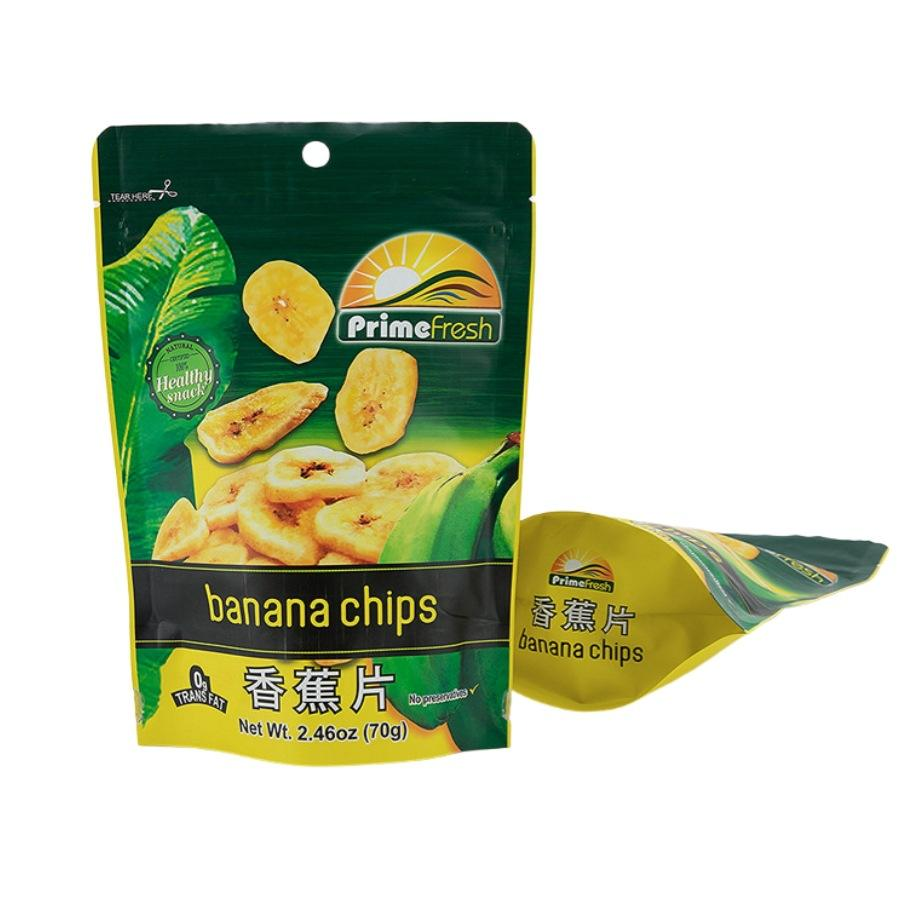
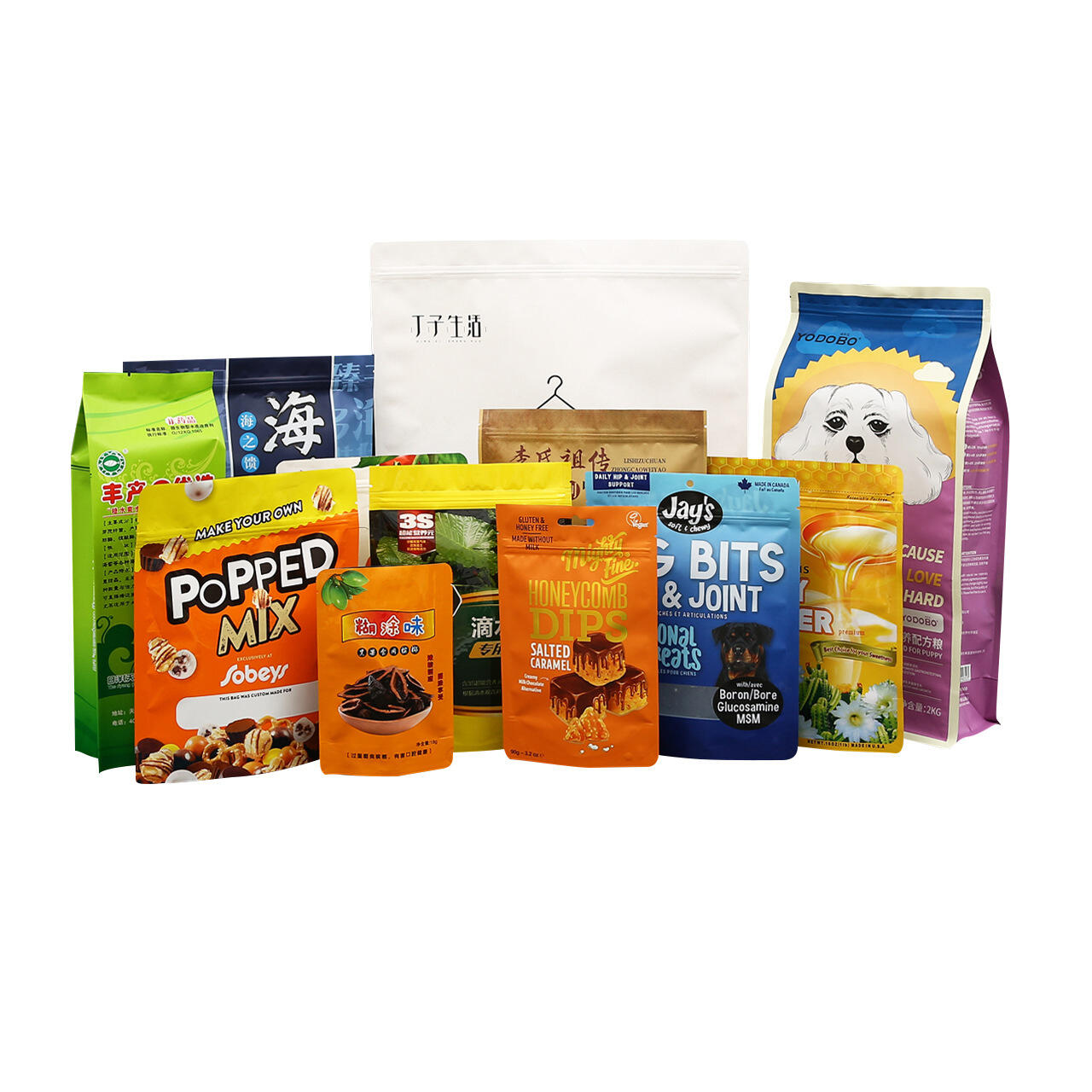
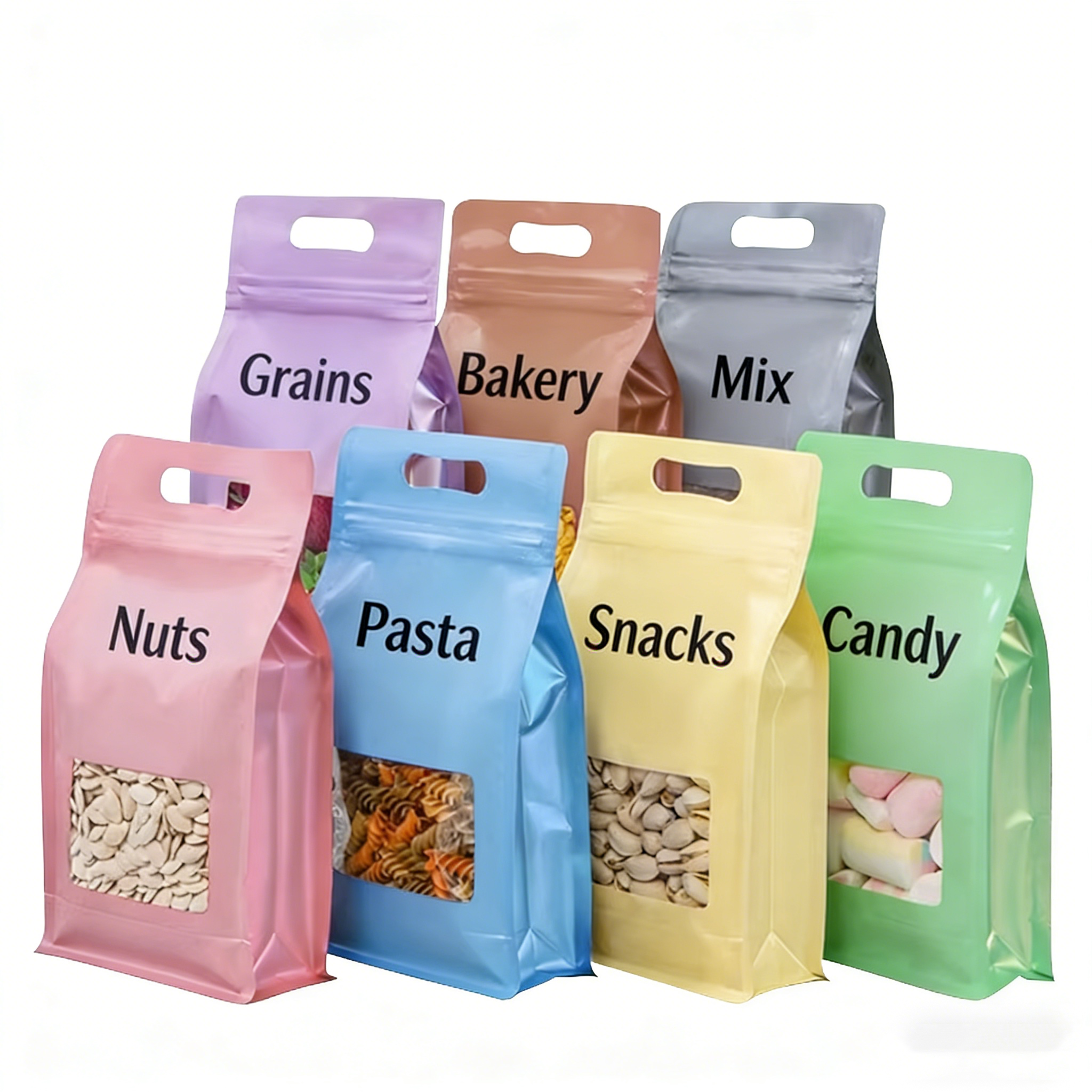
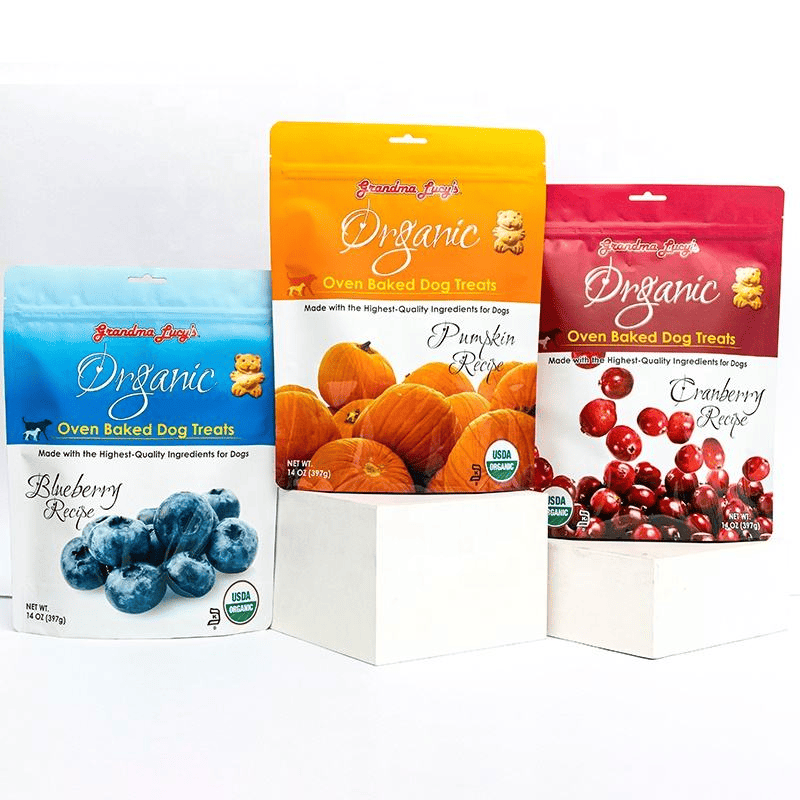
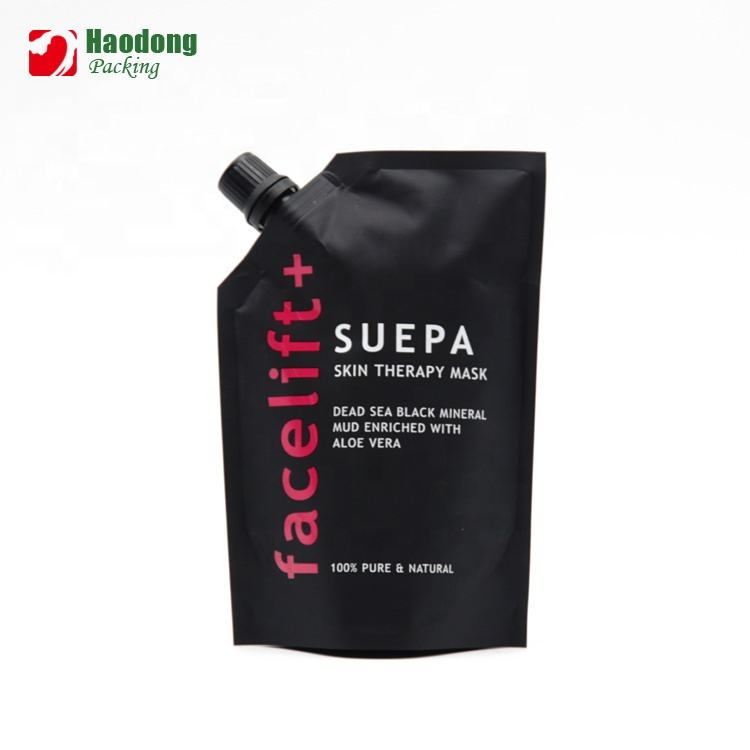
Sustainable flexible packaging represents a revolutionary approach to modern packaging solutions that combines environmental responsibility with exceptional performance capabilities. This innovative packaging technology utilizes renewable materials, biodegradable components, and recyclable substrates to create versatile packaging options that minimize environmental impact while maintaining superior product protection. The main functions of sustainable flexible packaging include barrier protection against moisture, oxygen, and light contamination, extended shelf life preservation, portion control, tamper evidence, and easy dispensing mechanisms. These packages effectively safeguard products from external contaminants while reducing material usage compared to traditional rigid packaging alternatives. Technological features encompass advanced barrier films created from plant-based polymers, water-based adhesives, compostable laminates, and innovative sealing technologies that ensure package integrity throughout distribution chains. Many sustainable flexible packaging solutions incorporate bio-based materials derived from agricultural waste, algae, or renewable plant sources, significantly reducing dependency on fossil fuel-based plastics. The applications span numerous industries including food and beverage, pharmaceuticals, personal care, pet food, agricultural products, and consumer goods. Food manufacturers utilize sustainable flexible packaging for snacks, frozen foods, fresh produce, dairy products, and ready-to-eat meals, while pharmaceutical companies employ these solutions for medication pouches, medical device packaging, and supplement containers. Personal care brands leverage sustainable flexible packaging for shampoo sachets, cosmetic samples, and skincare products, taking advantage of the lightweight nature and customizable printing capabilities. Agricultural sectors benefit from biodegradable mulch films, seed packets, and fertilizer bags that decompose naturally in soil environments. The versatility of sustainable flexible packaging allows manufacturers to create custom shapes, sizes, and barrier properties tailored to specific product requirements while maintaining environmental stewardship commitments and meeting increasingly stringent sustainability regulations imposed by governments worldwide.

New Product Releases

Sustainable flexible packaging delivers substantial cost savings by reducing material consumption, transportation expenses, and storage requirements compared to bulky rigid containers. Companies experience lower shipping costs due to the lightweight nature of flexible materials, which allows more products per shipment and reduces fuel consumption during transportation. The reduced storage footprint enables businesses to optimize warehouse space utilization and decrease inventory holding costs. Manufacturing efficiency improves significantly as sustainable flexible packaging requires less energy during production processes and generates minimal waste streams. Environmental benefits extend beyond material composition, as these packaging solutions contribute to reduced carbon footprints throughout entire supply chains. Consumer appeal increases dramatically as modern buyers actively seek environmentally responsible products, leading to enhanced brand loyalty and market differentiation. The superior barrier properties of sustainable flexible packaging maintain product freshness longer than many traditional alternatives, reducing food waste and extending shelf life naturally. This extended preservation capability translates into reduced inventory turnover costs and decreased product losses due to spoilage. Customization options provide unlimited design possibilities, enabling brands to create distinctive packaging that stands out on retail shelves while communicating sustainability messages effectively. The convenience factor appeals to busy consumers who appreciate easy-open features, portion control, and lightweight portability for on-the-go consumption. Regulatory compliance becomes simplified as sustainable flexible packaging often exceeds environmental standards and helps companies meet sustainability targets mandated by government regulations. Manufacturing flexibility allows rapid product line extensions and seasonal packaging modifications without significant tooling investments. Quality control improvements result from advanced printing technologies that ensure consistent graphics, text clarity, and brand presentation across production runs. The scalability of sustainable flexible packaging production enables both small startups and large corporations to implement environmentally responsible packaging strategies regardless of volume requirements. Supply chain optimization occurs through reduced packaging complexity, simplified inventory management, and streamlined distribution processes that enhance overall operational efficiency while maintaining product integrity and consumer satisfaction throughout entire product lifecycles.

Tips And Tricks

Factory Resumes Work After Spring Festival Holiday: Safety Training First, Orderly Production Restarted

30

Mar

Factory Resumes Work After Spring Festival Holiday: Safety Training First, Orderly Production Restarted

View More

Get a Free Quote

Our representative will contact you soon.
Email
Name
Company Name
Mobile/WhatsApp
Message
0/1000

sustainable flexible packaging

Revolutionary Biodegradable Material Technology

Revolutionary Biodegradable Material Technology

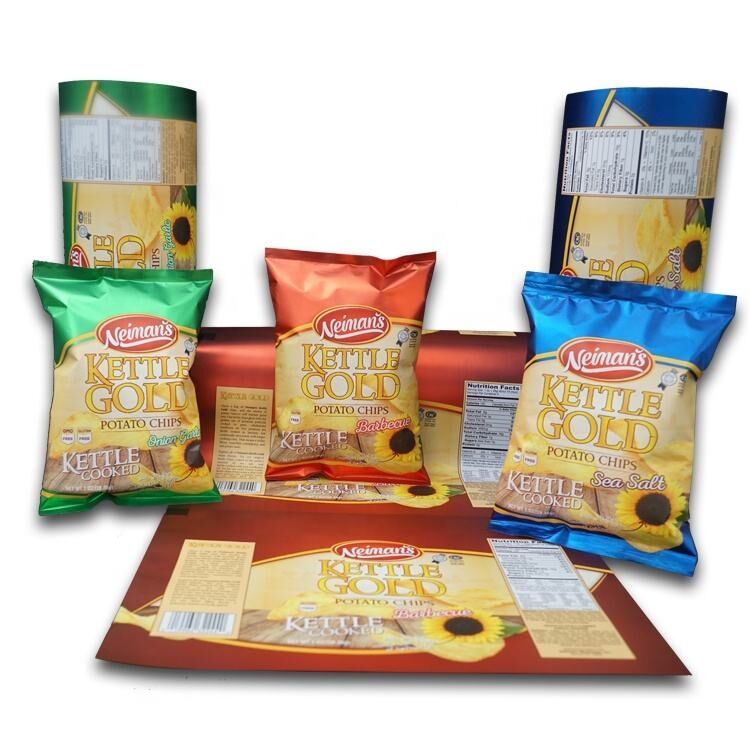
The cornerstone of sustainable flexible packaging lies in its revolutionary biodegradable material technology that transforms traditional packaging paradigms through innovative polymer science and renewable resource utilization. These advanced materials are engineered from plant-based sources such as corn starch, sugarcane bagasse, wheat fiber, and algae extracts, creating packaging films that decompose naturally in industrial composting facilities within 90 to 180 days under optimal conditions. The biodegradation process occurs through enzymatic breakdown initiated by microorganisms present in composting environments, converting packaging materials into water, carbon dioxide, and organic biomass without leaving harmful residues or microplastics in soil systems. This technological breakthrough addresses growing environmental concerns about plastic pollution while maintaining essential packaging functions such as moisture barrier protection, puncture resistance, and heat sealability required for commercial applications. Manufacturing processes incorporate cutting-edge extrusion techniques that blend biodegradable polymers with natural additives to enhance mechanical properties, ensuring packages can withstand rigorous supply chain handling, transportation stresses, and consumer usage patterns. The material technology extends beyond basic biodegradability to include controlled decomposition rates, allowing manufacturers to design packaging with specific end-of-life characteristics tailored to different waste management systems. Advanced formulations provide excellent printability for high-quality graphics, enabling brands to maintain visual appeal while demonstrating environmental commitment. The technology accommodates various packaging formats including stand-up pouches, flat bags, roll stock films, and custom-shaped containers, providing versatility across diverse product categories. Quality assurance protocols ensure consistent material performance through rigorous testing procedures that validate barrier properties, mechanical strength, and biodegradation rates under standardized conditions. This revolutionary approach represents a fundamental shift toward circular economy principles, where packaging materials return to natural cycles rather than accumulating as persistent waste in landfills or ocean environments, ultimately contributing to global sustainability objectives while meeting commercial packaging requirements.
Enhanced Product Protection and Freshness Preservation

Enhanced Product Protection and Freshness Preservation

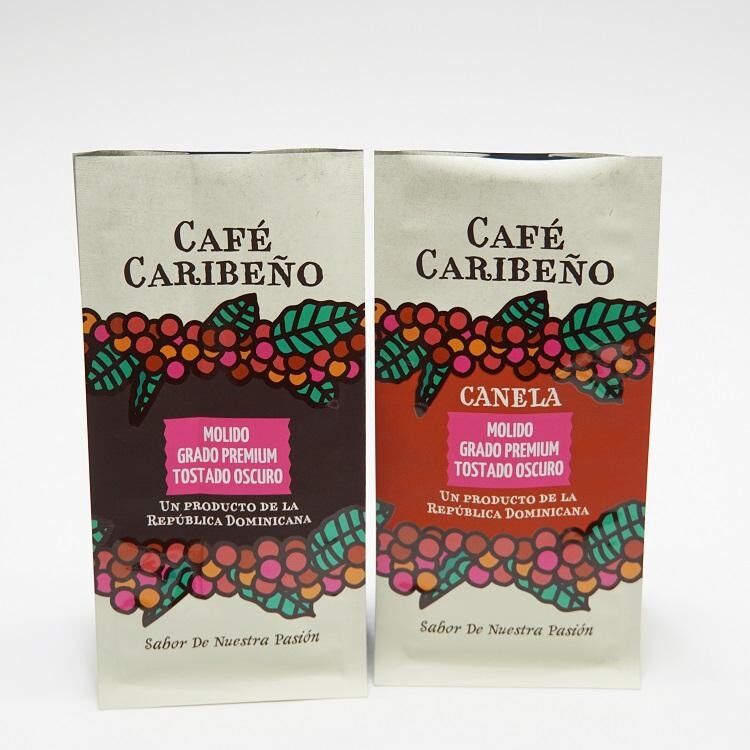
Sustainable flexible packaging excels in enhanced product protection and freshness preservation through sophisticated barrier technologies that rival or exceed conventional packaging materials while maintaining environmental integrity throughout product lifecycles. The multi-layer construction incorporates specialized barrier films that effectively block oxygen transmission, moisture migration, and light penetration, creating optimal storage environments that extend product shelf life significantly beyond traditional packaging alternatives. Advanced oxygen barrier properties prevent oxidative degradation in sensitive products such as coffee, nuts, dried fruits, and pharmaceutical compounds, maintaining flavor profiles, nutritional content, and therapeutic efficacy for extended periods. Moisture barrier capabilities protect hygroscopic products from humidity-related deterioration, preventing caking, clumping, and microbial growth that compromise product quality and consumer safety. The light barrier functionality shields photosensitive ingredients from ultraviolet radiation and visible light exposure, preserving color stability, vitamin content, and active compound potency in products ranging from beverages to cosmetics. Innovative sealing technologies create hermetic closures that maintain package integrity during transportation, storage, and handling, preventing contamination from external sources while preserving internal atmospheres optimized for specific products. The flexible nature of these materials allows packages to conform closely to product contours, eliminating excess air space that could promote spoilage or degradation processes. Temperature resistance properties enable sustainable flexible packaging to maintain barrier performance across wide temperature ranges, from frozen storage conditions to ambient distribution environments. Puncture resistance and tear strength characteristics protect products from physical damage during handling and transportation, reducing waste due to package failures. The preservation capabilities extend beyond basic protection to include modified atmosphere packaging options where sustainable materials can maintain specific gas compositions that further extend product freshness. These enhanced protection features translate into reduced food waste, lower inventory losses, and improved consumer satisfaction through consistent product quality, ultimately supporting sustainability goals by maximizing resource utilization efficiency while minimizing environmental impact through superior preservation performance.
Cost-Effective Manufacturing and Distribution Efficiency

Cost-Effective Manufacturing and Distribution Efficiency

Sustainable flexible packaging delivers exceptional cost-effective manufacturing and distribution efficiency through streamlined production processes, optimized material utilization, and enhanced supply chain performance that benefits manufacturers, distributors, and retailers alike. The manufacturing efficiency stems from simplified production workflows that require fewer processing steps compared to rigid packaging alternatives, resulting in reduced energy consumption, lower labor costs, and faster production cycles that improve overall equipment effectiveness. Material efficiency improvements arise from precise thickness control and optimized barrier layer configurations that minimize raw material usage while maintaining required performance characteristics, translating into significant cost savings for high-volume production runs. The lightweight nature of sustainable flexible packaging dramatically reduces transportation costs by allowing higher product-to-package ratios in shipping containers, trucks, and cargo aircraft, enabling companies to ship more products with fewer vehicles and reduced fuel consumption. Storage efficiency improvements result from the compact nature of flexible materials, which require minimal warehouse space before filling and can be stored in rolls or flat stacks, reducing inventory carrying costs and storage facility requirements. Distribution center operations benefit from reduced handling complexity, as flexible packages are easier to process, sort, and ship compared to bulky rigid containers that require specialized handling equipment and increased labor time. The manufacturing scalability of sustainable flexible packaging allows producers to adjust production volumes rapidly in response to market demands without significant capital investments in new equipment or tooling modifications. Quality control costs decrease through automated inspection systems that can detect defects, ensure proper sealing, and verify print quality at high production speeds, reducing manual inspection requirements and associated labor costs. The versatility of sustainable flexible packaging enables manufacturers to consolidate multiple package sizes and formats using common production equipment, reducing complexity and inventory requirements for packaging materials. Supply chain optimization occurs through reduced packaging waste, simplified recycling processes, and enhanced compatibility with automated packaging equipment that improves throughput and reduces operational costs. These efficiency improvements contribute to improved profit margins while supporting sustainability objectives, creating competitive advantages for companies that adopt sustainable flexible packaging solutions across their product lines and distribution networks.

Get a Free Quote

Our representative will contact you soon.
Email
Name
Company Name
Mobile/WhatsApp
Message
0/1000