Food Flexible Packaging Solutions - Advanced Barrier Protection & Sustainable Innovation

Get a Free Quote

Our representative will contact you soon.
Email
Name
Company Name
Mobile/WhatsApp
Message
0/1000

food flexible packaging

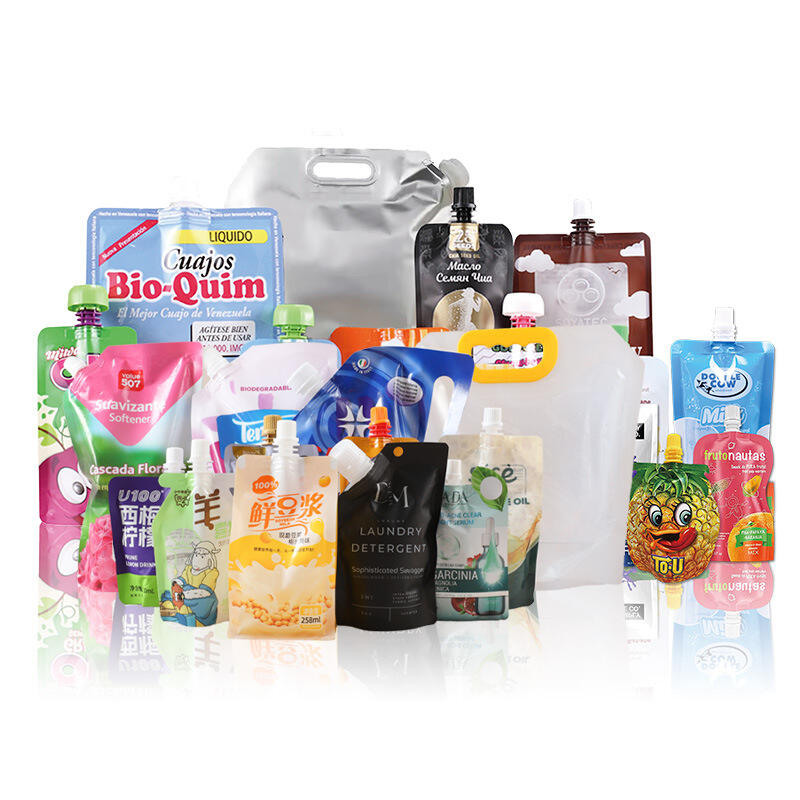
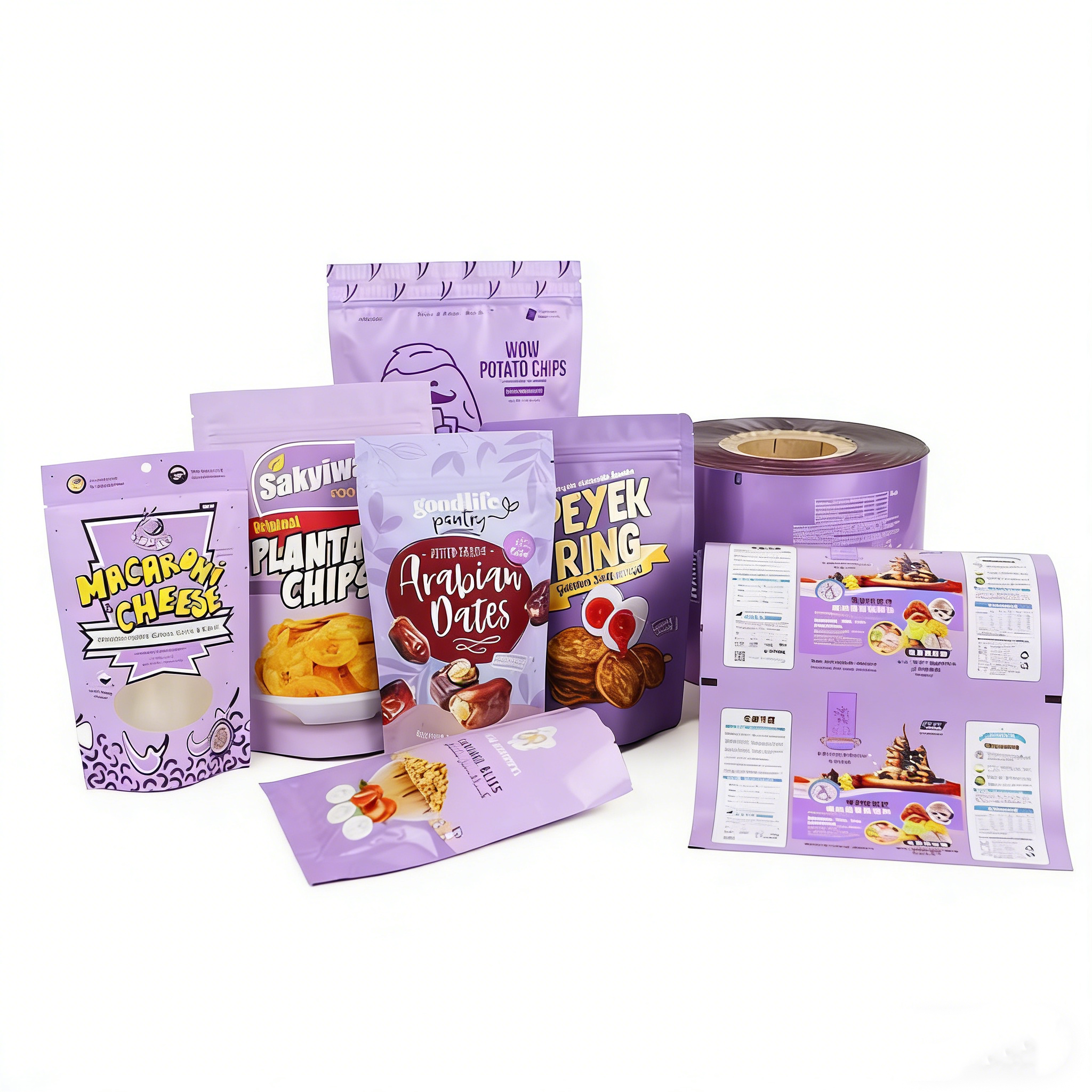
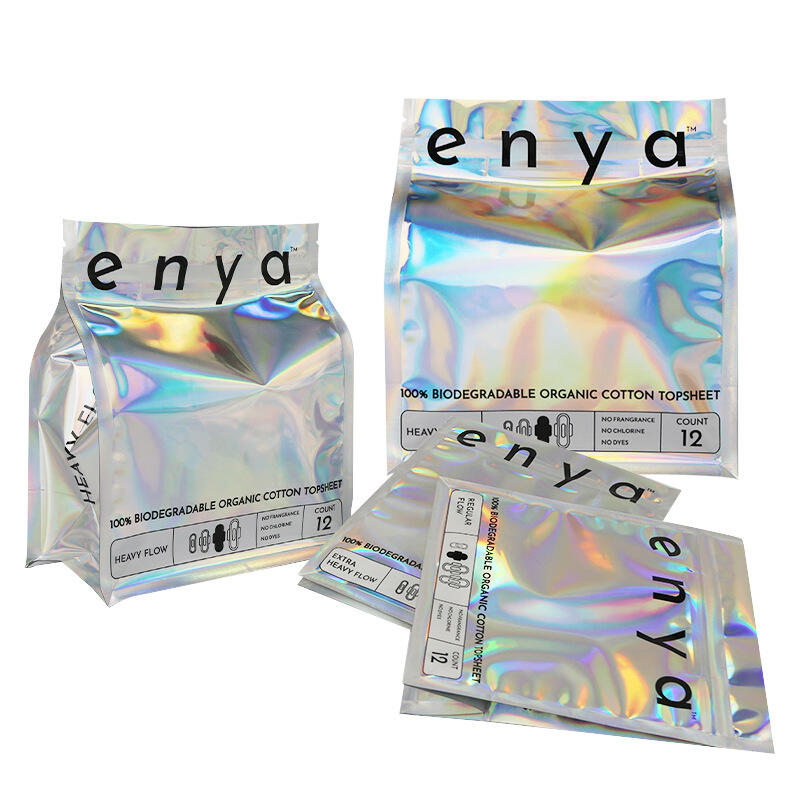
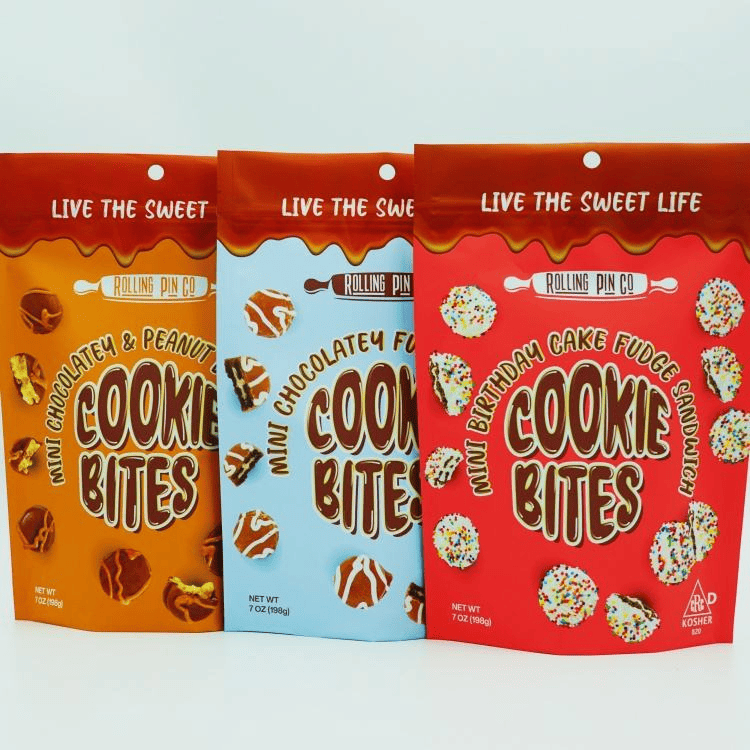
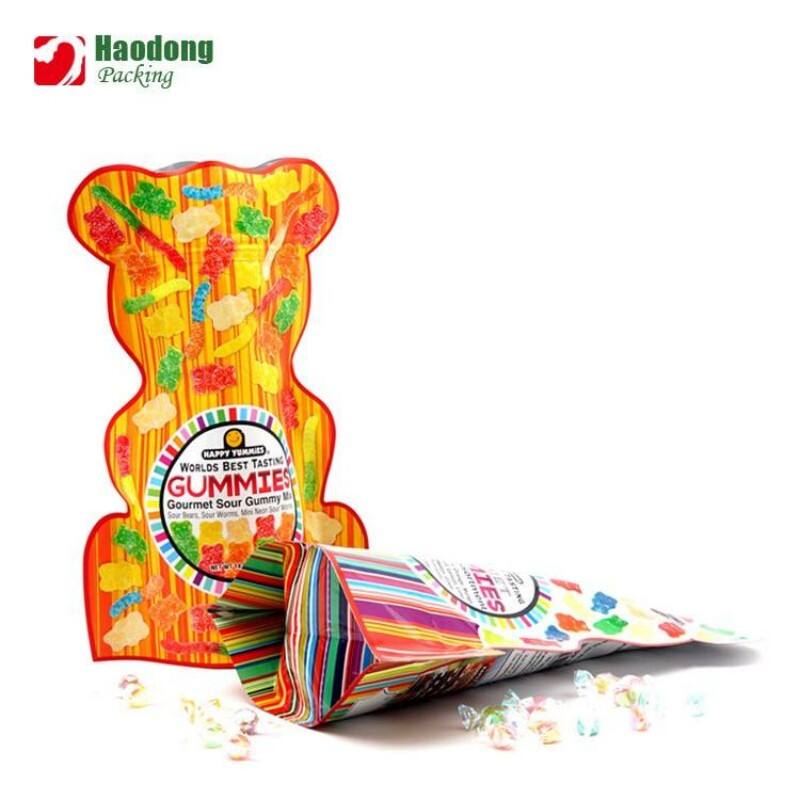
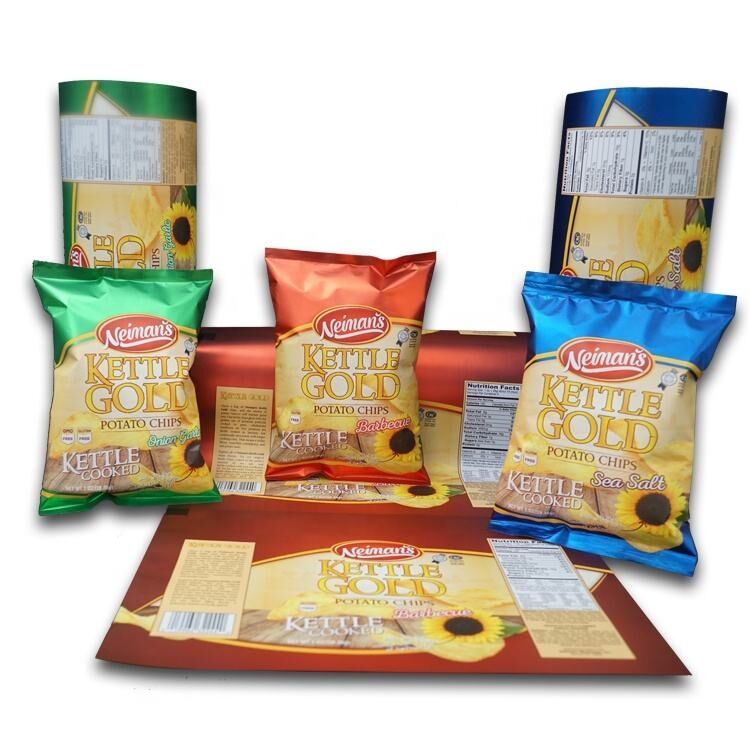
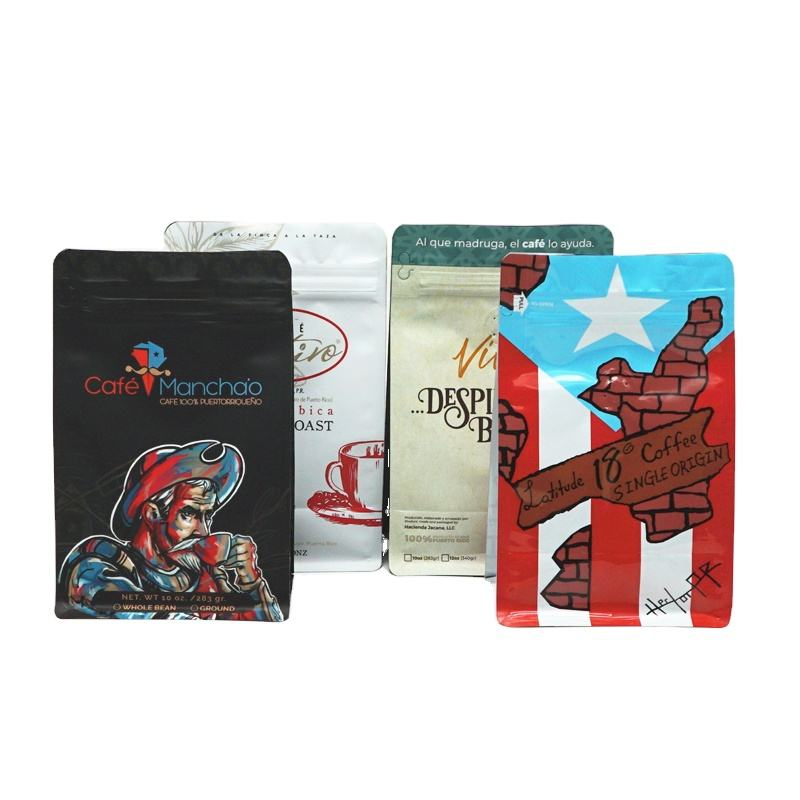
Food flexible packaging represents a revolutionary approach to food preservation and distribution that has transformed the modern food industry. This innovative packaging solution utilizes advanced materials and manufacturing techniques to create lightweight, durable, and highly functional containers that protect food products throughout their journey from production to consumption. Food flexible packaging encompasses a wide range of formats including pouches, bags, wraps, films, and sachets that can be customized to meet specific product requirements and consumer preferences. The primary functions of food flexible packaging center around preservation, protection, convenience, and sustainability. These packages create effective barriers against moisture, oxygen, light, and contaminants that could compromise food quality and safety. The barrier properties are achieved through sophisticated multi-layer structures that combine different polymers and specialized coatings to deliver optimal performance for each specific application. Technological features of food flexible packaging include advanced sealing systems, tear-resistant materials, puncture-proof constructions, and innovative closure mechanisms. Many packages incorporate resealable features, easy-open designs, and portion control capabilities that enhance user experience. The printing capabilities allow for vibrant graphics, detailed product information, and branding elements that support marketing objectives while maintaining package integrity. Temperature resistance ensures package stability across various storage and transportation conditions, from freezer applications to retort processing. Applications for food flexible packaging span virtually every food category including snacks, beverages, dairy products, meat and poultry, seafood, fresh produce, frozen foods, pet food, and specialty items. The versatility of these packages allows manufacturers to optimize product presentation, extend shelf life, reduce waste, and improve supply chain efficiency. Recent innovations have introduced smart packaging technologies that incorporate sensors, indicators, and interactive elements to provide real-time information about product freshness and safety.

New Product Recommendations

Food flexible packaging delivers numerous compelling advantages that make it the preferred choice for manufacturers, retailers, and consumers across the global food industry. The lightweight nature of these packages significantly reduces transportation costs and environmental impact compared to rigid alternatives. This weight reduction translates directly into lower fuel consumption, reduced carbon emissions, and decreased shipping expenses that benefit both businesses and the environment. Storage efficiency represents another major advantage as food flexible packaging requires minimal warehouse space and can be shipped flat before filling, maximizing storage capacity and reducing inventory costs. The superior barrier properties protect food products from spoilage, contamination, and quality degradation, resulting in extended shelf life and reduced food waste. This protection maintains nutritional value, flavor profiles, and visual appeal throughout the distribution chain. Convenience features enhance consumer satisfaction through easy-open designs, resealable closures, portion control options, and microwave-safe constructions that align with modern lifestyle demands. The customization capabilities allow brands to create distinctive package designs that stand out on retail shelves and communicate brand values effectively. Cost-effectiveness emerges from reduced material usage, efficient production processes, and lower total packaging costs compared to traditional rigid containers. Food flexible packaging adapts readily to automated filling and sealing equipment, improving production efficiency and reducing labor requirements. The packages conform to product shapes, minimizing void spaces and optimizing product-to-package ratios. Sustainability benefits include reduced material consumption, recyclable options, and compostable alternatives that support environmental stewardship goals. Temperature tolerance enables these packages to withstand various processing conditions including pasteurization, sterilization, and freezing without compromising package integrity. The tamper-evident features provide security assurance while maintaining package aesthetics. Retail advantages include improved product visibility, enhanced shelf appeal, and space-efficient merchandising that maximizes retail productivity. Consumer research consistently shows preference for the convenience, freshness retention, and portion control that food flexible packaging provides across diverse demographic segments.

Latest News

Factory Resumes Work After Spring Festival Holiday: Safety Training First, Orderly Production Restarted

30

Mar

Factory Resumes Work After Spring Festival Holiday: Safety Training First, Orderly Production Restarted

View More

Get a Free Quote

Our representative will contact you soon.
Email
Name
Company Name
Mobile/WhatsApp
Message
0/1000

food flexible packaging

Advanced Barrier Protection Technology

Advanced Barrier Protection Technology

Food flexible packaging incorporates cutting-edge barrier protection technology that represents the pinnacle of packaging science and engineering innovation. This sophisticated protection system utilizes multi-layer film structures that combine specialized polymers, metallic layers, and advanced coatings to create impermeable barriers against environmental factors that threaten food quality and safety. The barrier technology specifically targets oxygen transmission, moisture vapor permeation, light penetration, and aroma migration to maintain optimal product conditions throughout extended storage periods. Oxygen barriers prevent oxidation reactions that cause rancidity, color changes, and nutritional degradation in sensitive food products. These barriers utilize materials like ethylene vinyl alcohol copolymer, polyvinyl alcohol, and metallized films that achieve oxygen transmission rates measured in cubic centimeters per square meter per day, ensuring precise protection levels for different product categories. Moisture barriers control water vapor transmission to prevent texture changes, microbial growth, and package integrity issues that could compromise product safety. The technology incorporates hydrophobic materials and specialized tie layers that maintain barrier effectiveness across temperature fluctuations and humidity variations commonly encountered in distribution environments. Light barriers protect photosensitive products from ultraviolet radiation and visible light exposure that can trigger chemical reactions leading to flavor deterioration, vitamin loss, and color fading. Metallized films, aluminum foil layers, and light-blocking additives provide comprehensive protection while maintaining package flexibility and processability. Aroma barriers prevent flavor migration between products and protect against external odor contamination that could affect taste profiles. This technology ensures that food flexible packaging maintains product integrity from filling through consumption, delivering consistent quality that meets consumer expectations and regulatory requirements. The barrier protection extends shelf life significantly, reduces food waste, and enables global distribution of perishable products while maintaining freshness and nutritional value that consumers demand.
Sustainable Manufacturing Excellence

Sustainable Manufacturing Excellence

Food flexible packaging demonstrates exceptional commitment to sustainable manufacturing excellence through innovative production processes, material selection, and end-of-life considerations that minimize environmental impact while maximizing performance capabilities. The manufacturing approach emphasizes resource efficiency by utilizing significantly less raw materials compared to rigid packaging alternatives, reducing energy consumption during production, and generating minimal waste streams that support circular economy principles. Advanced extrusion and lamination technologies enable precise material application that eliminates excess usage while maintaining structural integrity and barrier properties essential for food protection. The production processes incorporate energy-efficient equipment, optimized temperature controls, and waste heat recovery systems that reduce overall energy consumption and carbon footprint associated with package manufacturing. Material innovations focus on renewable resources, recycled content integration, and biodegradable alternatives that address growing environmental concerns while maintaining food safety standards. Bio-based polymers derived from plant materials offer comparable performance to conventional plastics while providing enhanced sustainability profiles that appeal to environmentally conscious consumers and brands. Recyclable food flexible packaging designs facilitate material recovery and reprocessing, contributing to closed-loop systems that reduce virgin material demands and landfill waste. The lightweight characteristics inherently reduce transportation environmental impact through lower fuel consumption, decreased emissions, and improved logistics efficiency across global supply chains. Water-based inks, solvent-free adhesives, and environmentally friendly processing aids minimize volatile organic compound emissions and workplace safety concerns during manufacturing operations. Life cycle assessments consistently demonstrate superior environmental performance compared to alternative packaging formats when considering material extraction, production, transportation, use phase, and disposal impacts. Sustainable manufacturing excellence extends to supply chain partnerships with certified suppliers, responsible sourcing practices, and continuous improvement initiatives that advance environmental stewardship goals. The commitment to sustainability attracts environmentally conscious consumers, supports corporate responsibility objectives, and positions brands as leaders in sustainable packaging innovation while maintaining product protection and commercial viability requirements.
Consumer Convenience Innovation

Consumer Convenience Innovation

Food flexible packaging revolutionizes consumer convenience through innovative design features and functional enhancements that address modern lifestyle demands and shopping preferences across diverse demographic segments. The convenience innovation encompasses easy-open mechanisms, resealable closures, portion control capabilities, and user-friendly handling characteristics that enhance the overall consumer experience from purchase through consumption. Easy-open features utilize advanced perforation technologies, tear strips, and ergonomic design elements that enable effortless package opening without requiring tools or excessive force, making products accessible to consumers of all ages and physical capabilities. Resealable closures incorporate sophisticated sealing systems including zip locks, press-to-close mechanisms, and slider closures that maintain product freshness between uses while providing secure containment that prevents spills and contamination. These closure systems undergo rigorous testing to ensure reliable performance through multiple open-close cycles while maintaining barrier properties essential for food protection. Portion control innovations include pre-measured servings, individual packaging options, and transparent materials that enable visual portion assessment, supporting health-conscious consumers and dietary management goals. The flexible nature of these packages allows for compact storage in refrigerators, pantries, and portable containers, maximizing space efficiency in modern living environments where storage space is often limited. Microwave compatibility enables direct heating and cooking applications, eliminating transfer requirements and reducing cleanup needs that busy consumers value. Stand-up pouches and stable base designs provide self-supporting capabilities that enhance product presentation and pouring convenience during use. Transparent windows and clear materials enable product visibility that helps consumers assess quality and quantity without opening packages. Ergonomic handling features include comfortable grip areas, balanced weight distribution, and optimal package dimensions that facilitate carrying, pouring, and manipulation during normal use. Innovation extends to smart packaging elements including QR codes, freshness indicators, and interactive features that provide product information, recipes, and engagement opportunities that enhance consumer connection with brands and products.

Get a Free Quote

Our representative will contact you soon.
Email
Name
Company Name
Mobile/WhatsApp
Message
0/1000