snack packaging bags
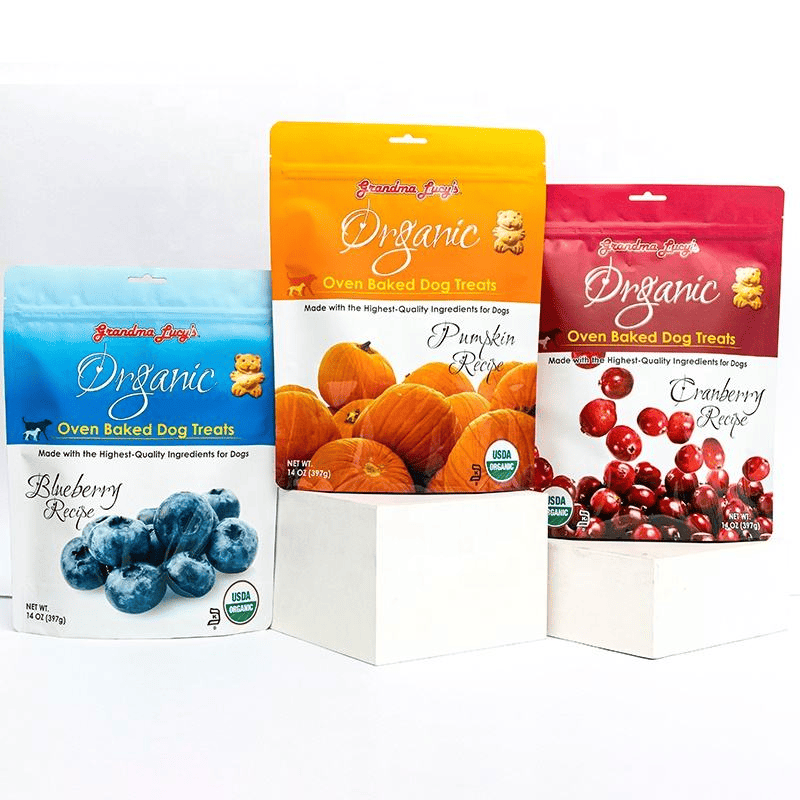
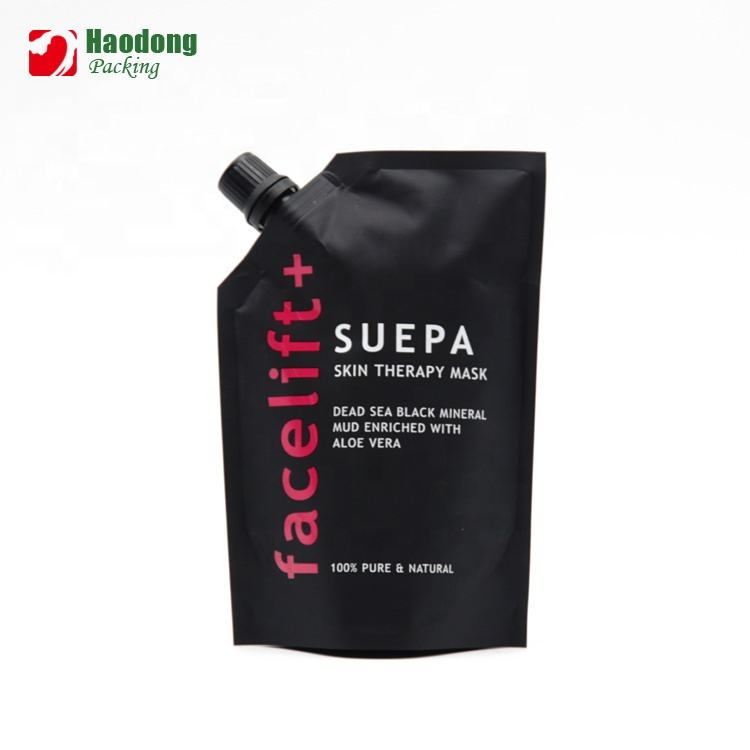
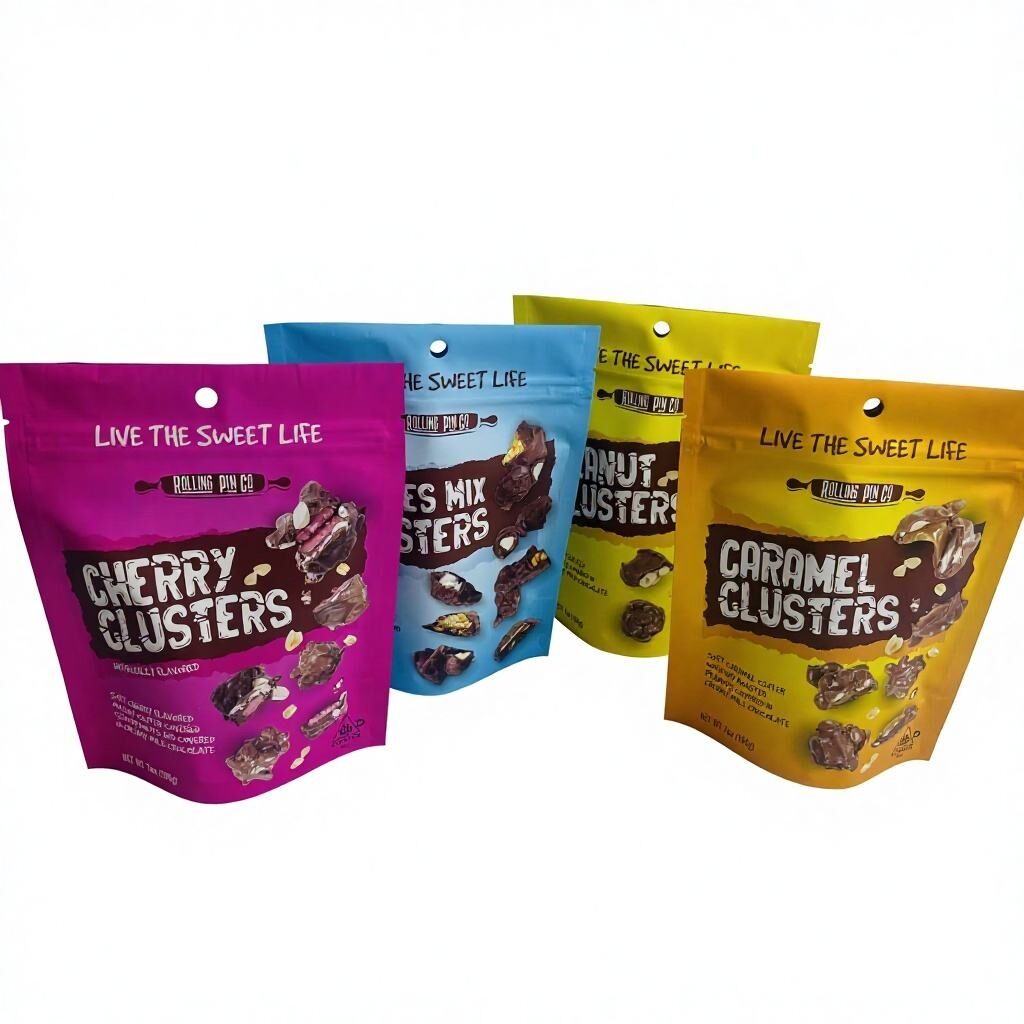
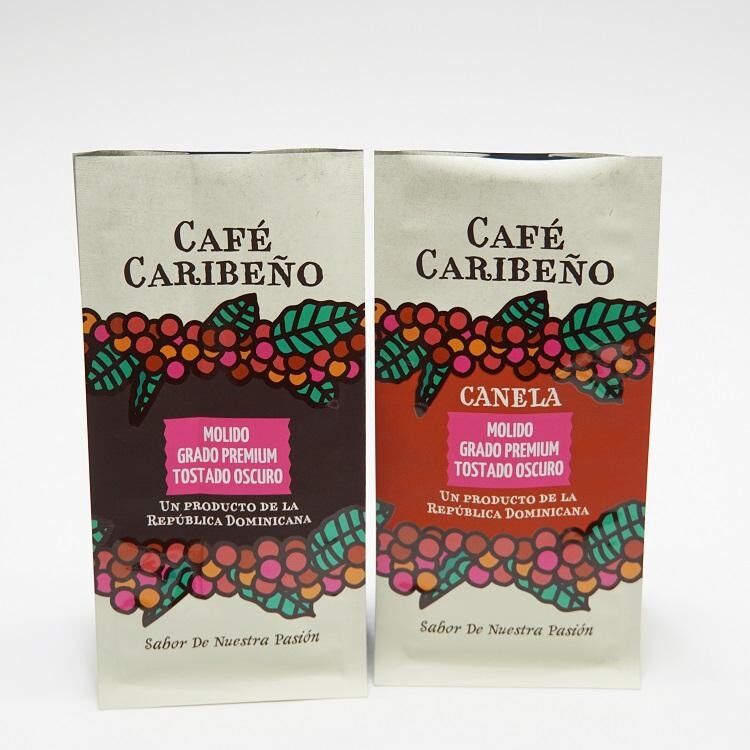
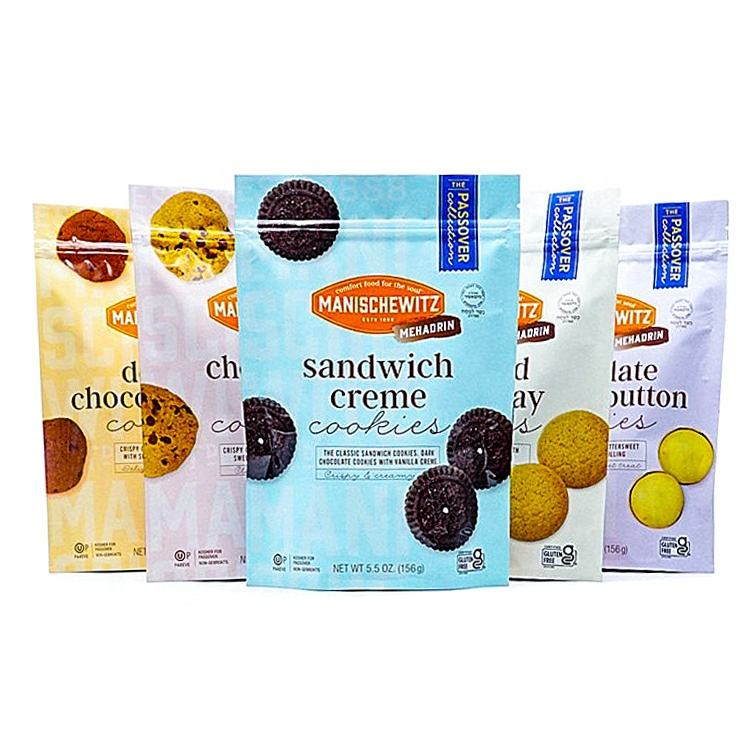
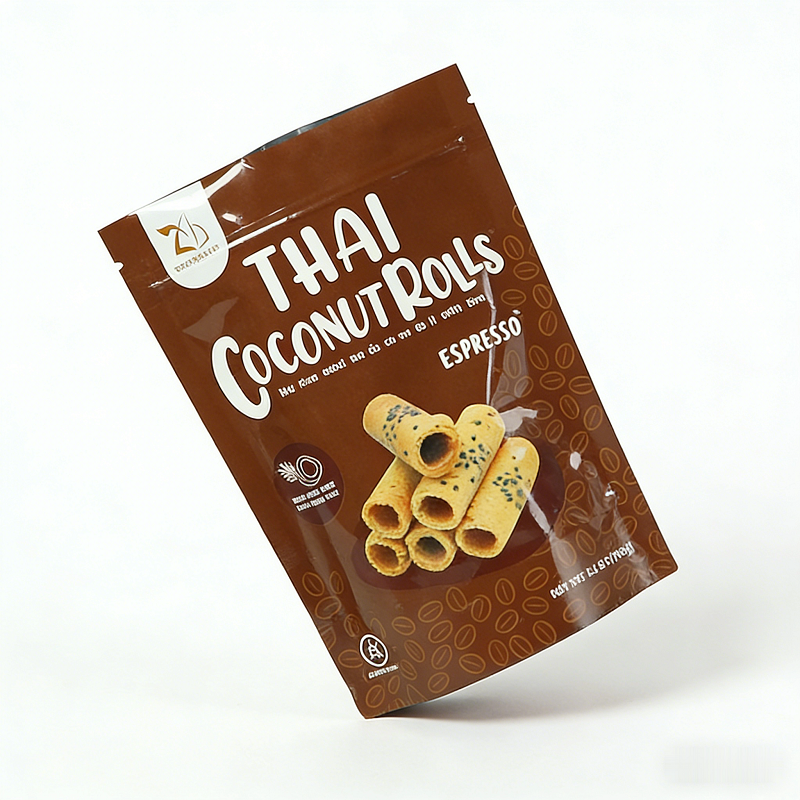
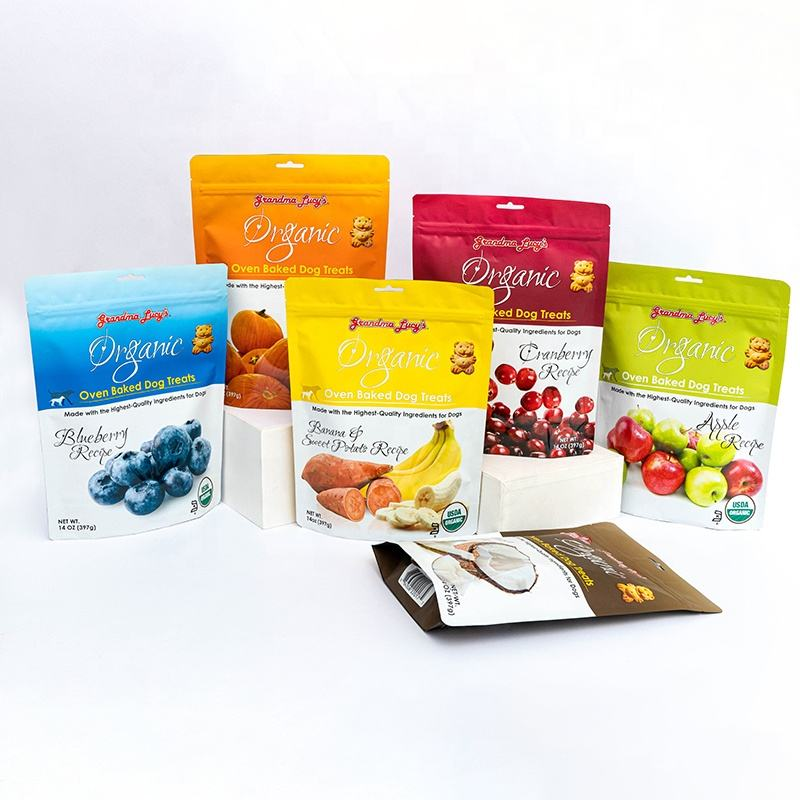
Snack packaging bags represent a critical component in the modern food industry, serving as the primary barrier between consumable products and environmental factors that could compromise quality, freshness, and safety. These specialized containers are engineered using advanced materials and manufacturing techniques to provide optimal protection for various snack products including chips, nuts, crackers, cookies, dried fruits, and confectionery items. The fundamental purpose of snack packaging bags extends beyond simple containment, encompassing preservation of flavor, texture, nutritional value, and visual appeal while ensuring extended shelf life and consumer convenience. Modern snack packaging bags incorporate multiple layers of sophisticated materials, typically featuring polyethylene, polypropylene, or laminated films that create effective moisture barriers, oxygen barriers, and light protection systems. These technological innovations prevent staleness, rancidity, and contamination while maintaining the original taste and crispness that consumers expect. The structural design of snack packaging bags includes various closure mechanisms such as heat-sealed edges, zip-lock features, and resealable systems that allow consumers to maintain product freshness after initial opening. Advanced printing technologies enable vibrant graphics, nutritional information, and branding elements to be directly applied to the packaging surface, creating attractive retail presentations that influence purchasing decisions. Manufacturing processes for snack packaging bags involve precise temperature control, pressure applications, and quality testing protocols to ensure consistent performance across different environmental conditions. The versatility of snack packaging bags accommodates diverse product requirements, from delicate items requiring gentle handling to robust products needing puncture-resistant materials. Size variations range from single-serving portions to family-size packages, meeting different consumer preferences and market segments. Environmental considerations have driven innovations in biodegradable materials and recyclable options, addressing sustainability concerns while maintaining protective functionality. Quality control measures include barrier property testing, seal integrity verification, and compatibility assessments to guarantee optimal performance throughout the distribution chain and storage periods.
 ×
×

 EN
EN