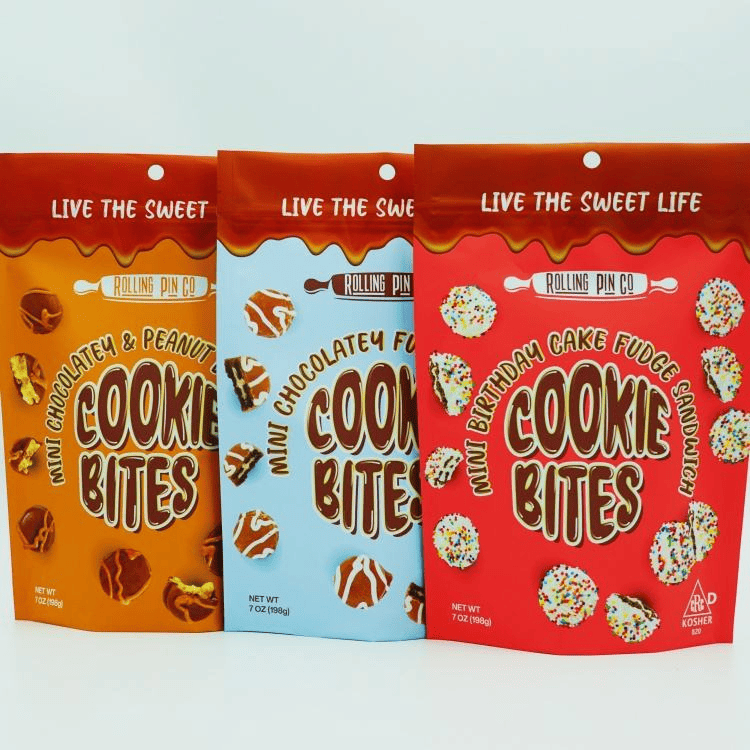
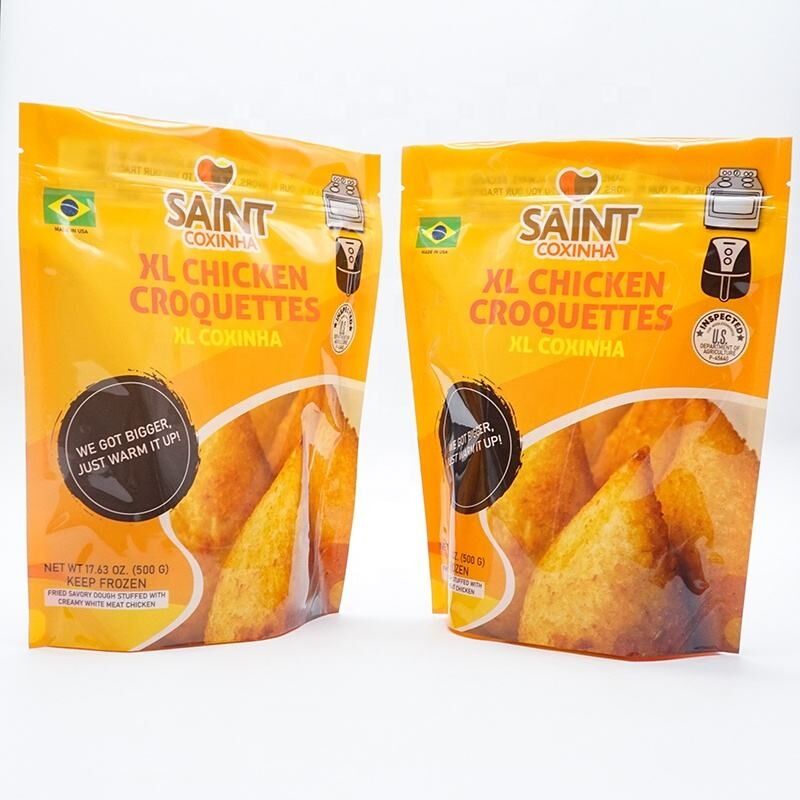
eco friendly snack bags
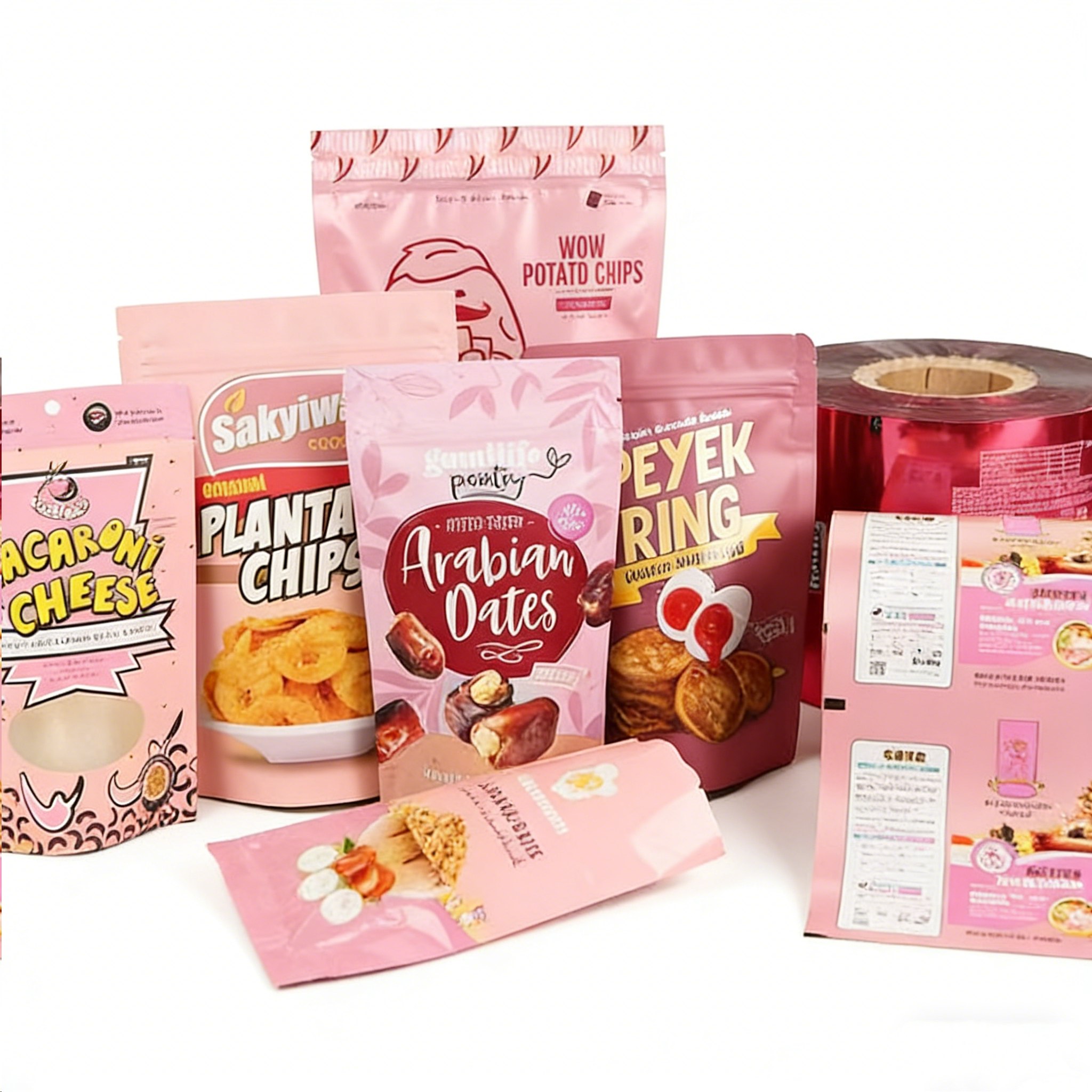
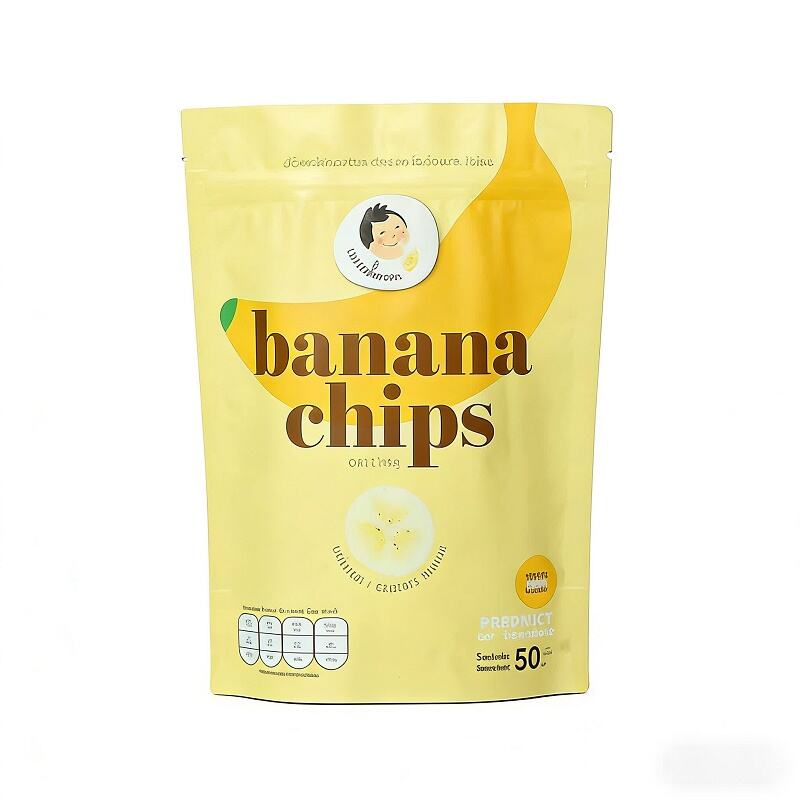
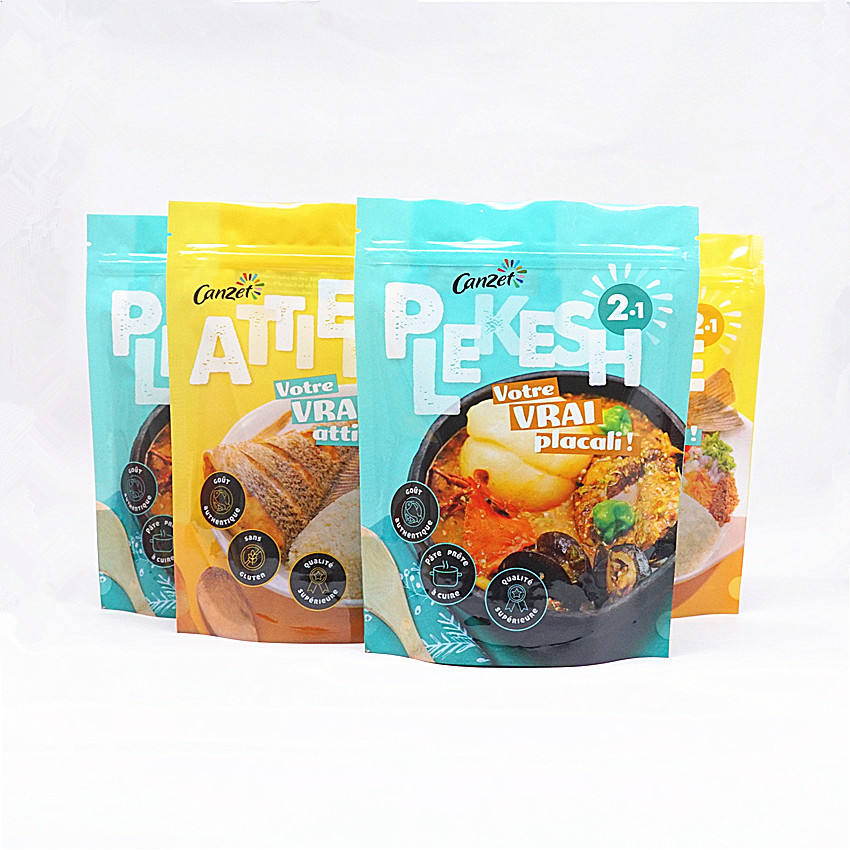
Eco friendly snack bags represent a revolutionary approach to food storage and packaging, combining environmental responsibility with practical functionality. These innovative containers are manufactured using sustainable materials such as organic cotton, hemp fiber, recycled plastics, and biodegradable compounds that significantly reduce environmental impact compared to traditional plastic packaging. The primary function of eco friendly snack bags centers around preserving food freshness while maintaining nutritional value and taste integrity. Advanced moisture-control technology embedded within the bag structure creates optimal storage conditions for various snack types including nuts, dried fruits, crackers, and fresh produce. The technological features include specialized barrier coatings derived from plant-based polymers that effectively prevent air infiltration and moisture accumulation. Many eco friendly snack bags incorporate antimicrobial properties through natural treatments, extending shelf life without harmful chemical additives. Temperature resistance capabilities allow these bags to withstand both refrigeration and room temperature storage conditions. Applications span across multiple sectors including household food storage, school lunch preparation, outdoor recreational activities, workplace snacking solutions, and commercial food service operations. The versatile design accommodates portion control requirements while supporting meal planning initiatives. Reusable construction enables repeated use cycles, reducing waste generation and providing long-term cost savings. Innovative closure mechanisms including zip-lock systems, velcro attachments, and magnetic seals ensure secure containment while facilitating easy access. Size variations range from single-serving portions to family-sized containers, meeting diverse consumer needs. The manufacturing process emphasizes sustainable production methods, utilizing renewable energy sources and minimizing carbon footprint throughout the supply chain. Quality assurance protocols guarantee food-safe materials that meet international safety standards while supporting environmental conservation goals.
 ×
×

 EN
EN