printed mylar bag
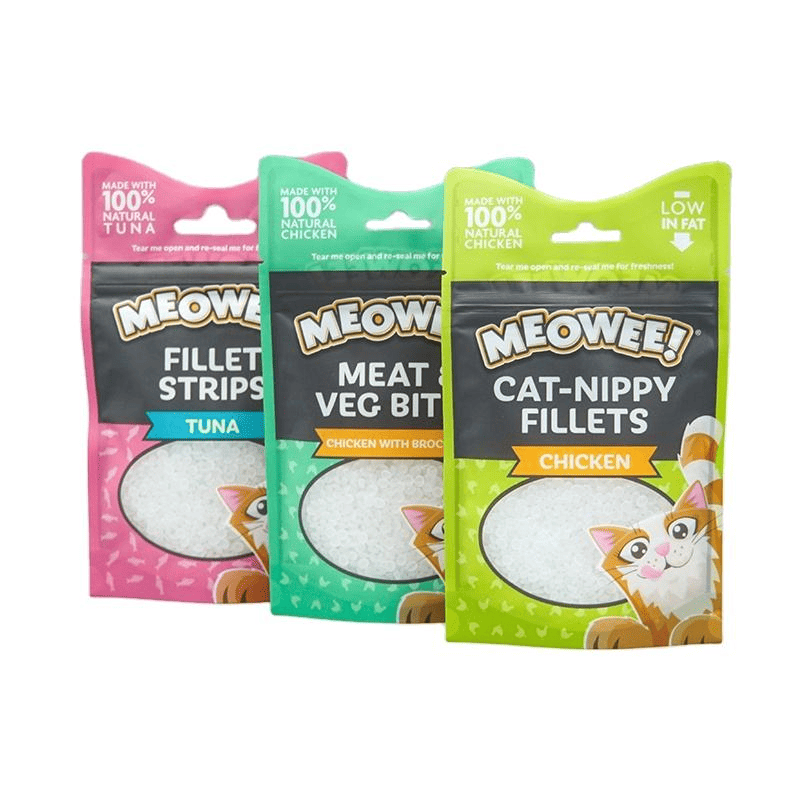
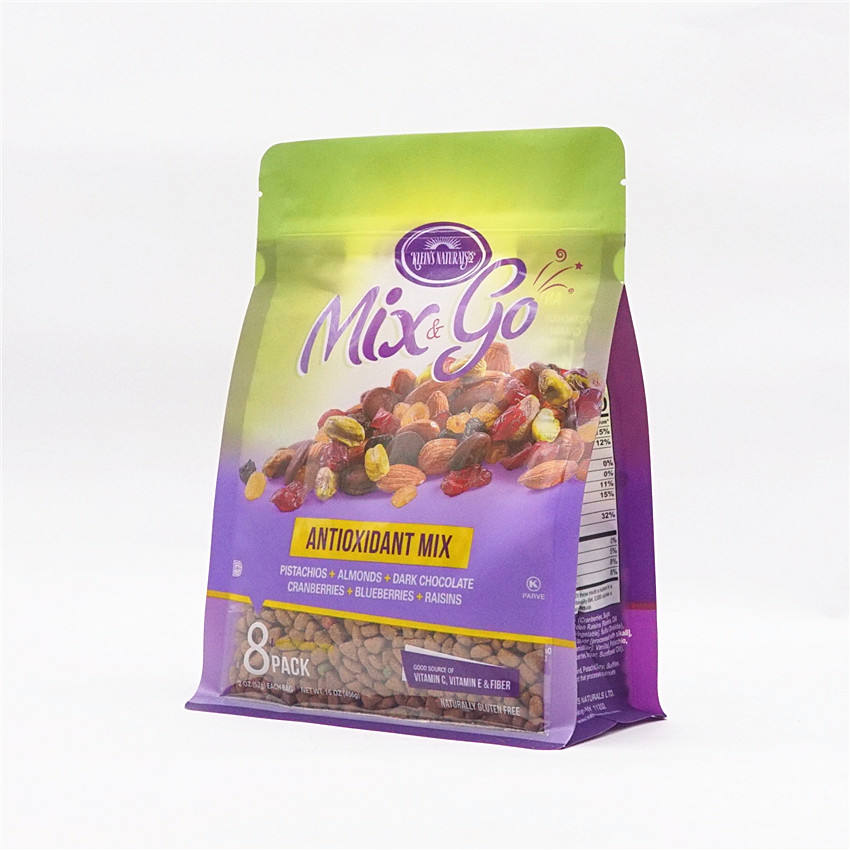
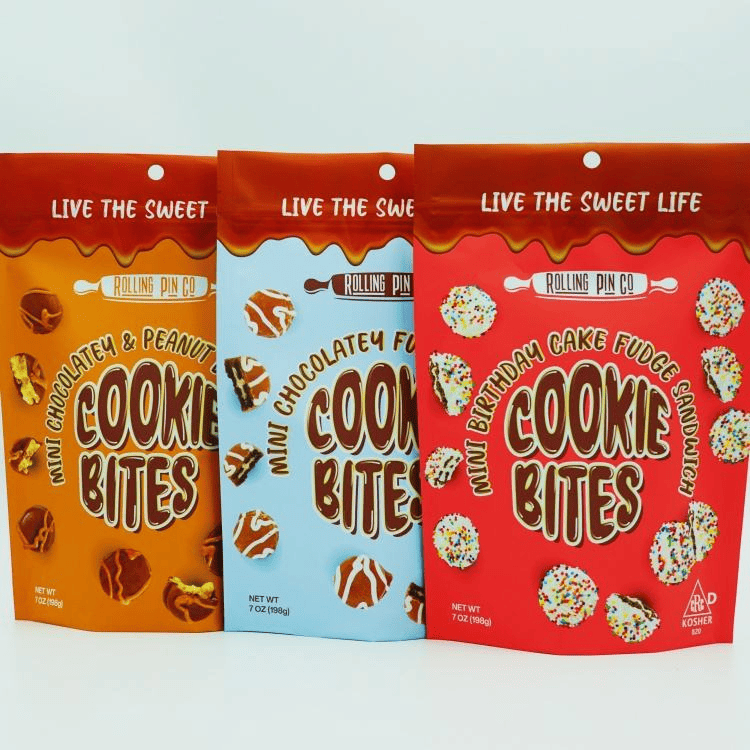
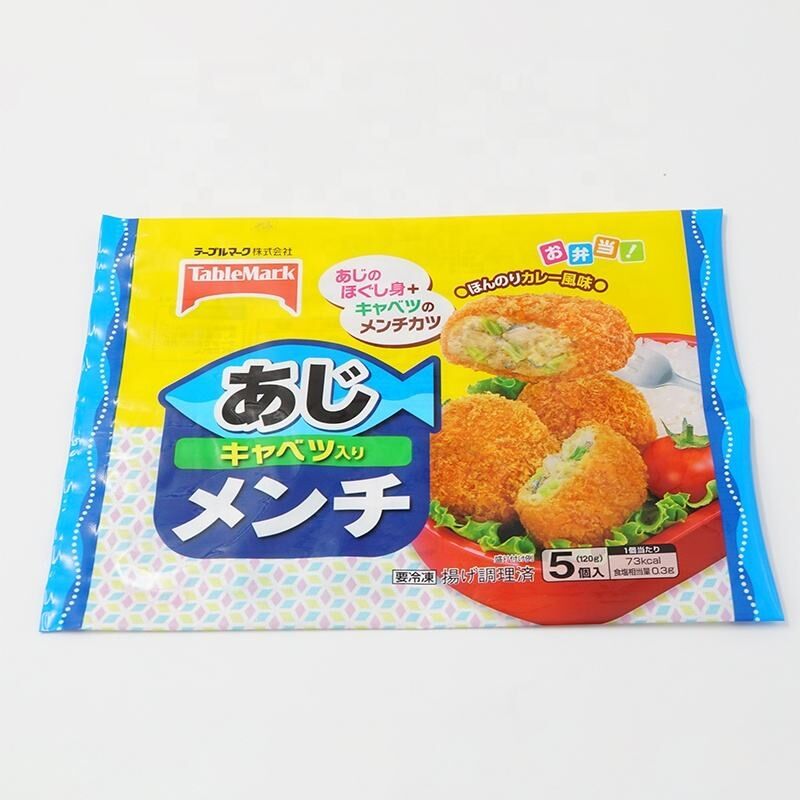
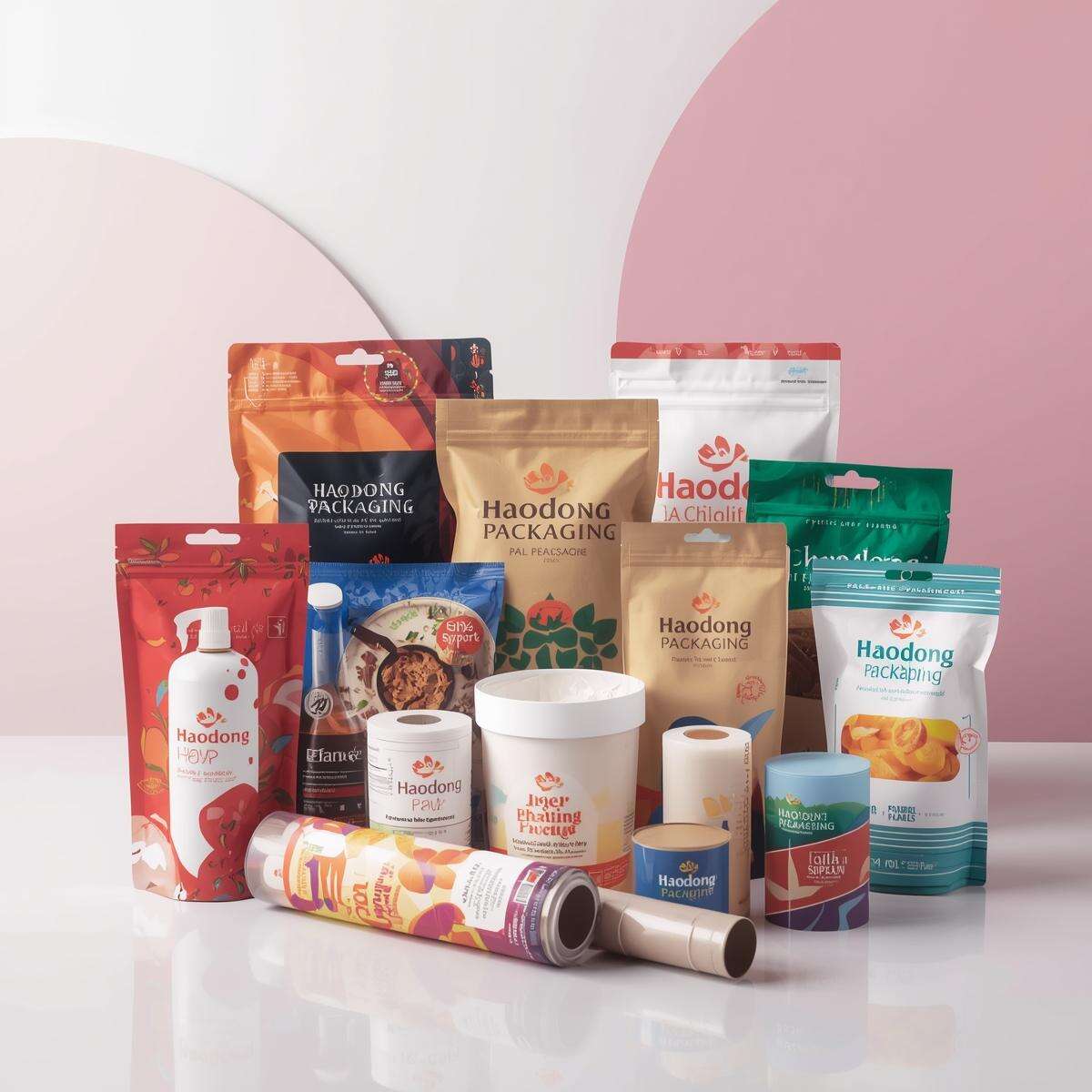
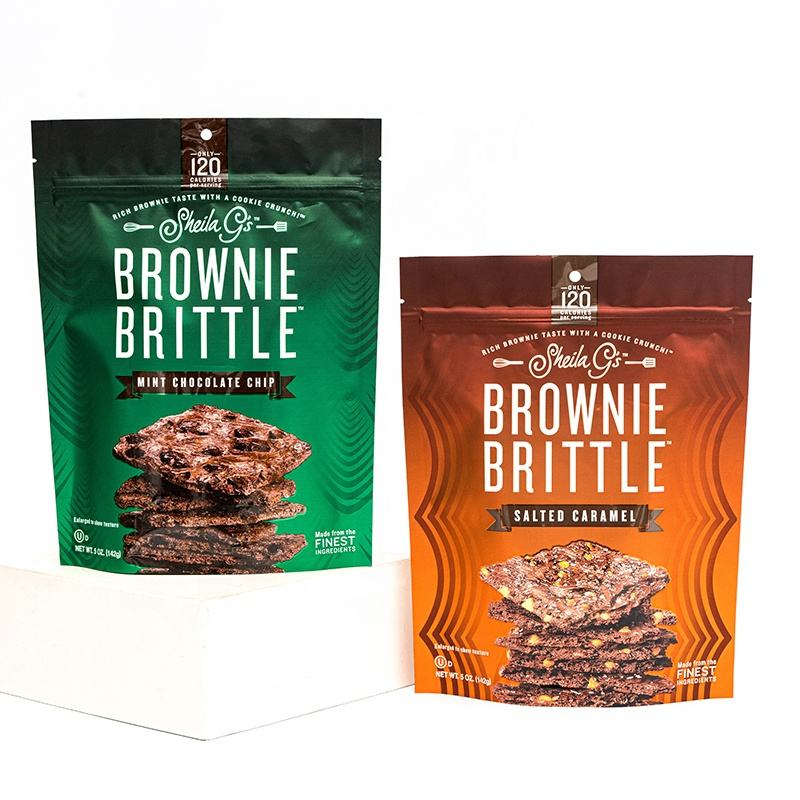
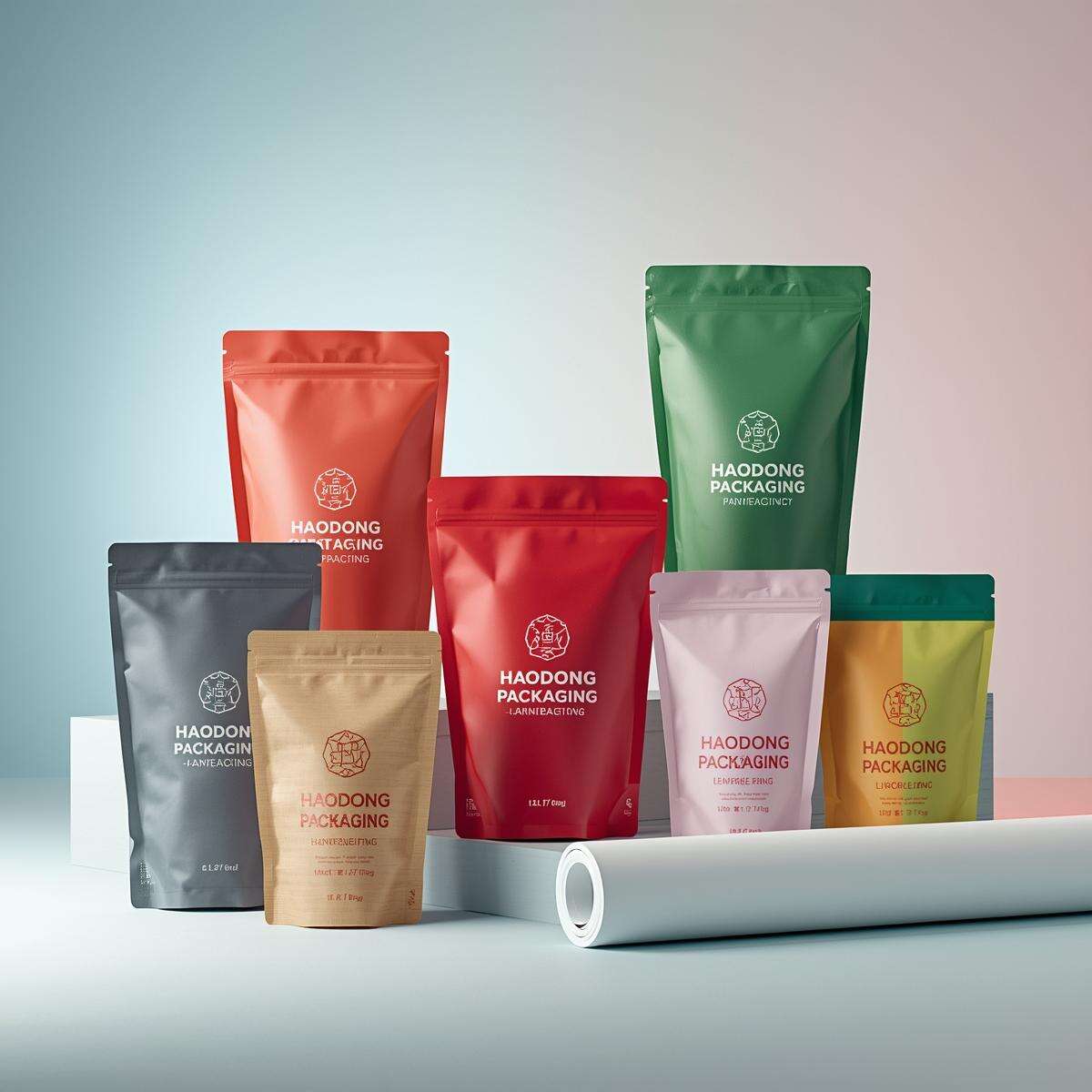
The printed mylar bag represents a revolutionary advancement in flexible packaging technology, combining superior barrier properties with exceptional visual appeal through high-quality printing capabilities. Manufactured from biaxially-oriented polyethylene terephthalate (BoPET), this printed mylar bag delivers outstanding protection against moisture, oxygen, light, and various environmental contaminants that can compromise product integrity. The material composition creates an impermeable barrier that maintains product freshness, extends shelf life, and preserves quality throughout storage and transportation. Advanced printing technologies enable vibrant, high-resolution graphics, brand logos, product information, and regulatory compliance details to be seamlessly integrated onto the printed mylar bag surface. This packaging solution incorporates sophisticated lamination processes that bond multiple layers together, creating a robust structure capable of withstanding mechanical stress while maintaining its protective properties. The printed mylar bag features exceptional dimensional stability, meaning it retains its shape and appearance under varying temperature conditions without warping, shrinking, or expanding. Heat-sealing capabilities allow for secure closure systems that create tamper-evident packages, ensuring consumer safety and brand protection. The material exhibits excellent chemical resistance, making it suitable for packaging products with diverse chemical compositions without degradation or contamination concerns. Manufacturing processes for the printed mylar bag utilize state-of-the-art printing equipment that achieves precise color registration, sharp text clarity, and consistent print quality across large production runs. These bags accommodate various closure mechanisms including zip-lock seals, heat seals, and adhesive strips, providing versatility for different packaging requirements. The lightweight nature of the printed mylar bag reduces shipping costs while maintaining structural integrity, making it an economically viable packaging solution for businesses across multiple industries including food service, pharmaceuticals, electronics, and consumer goods sectors.
 ×
×

 EN
EN