Premium Plastic Snack Bags - Advanced Food Packaging Solutions for Extended Freshness

Get a Free Quote

Our representative will contact you soon.
Email
Name
Company Name
Mobile/WhatsApp
Message
0/1000

plastic snack bags

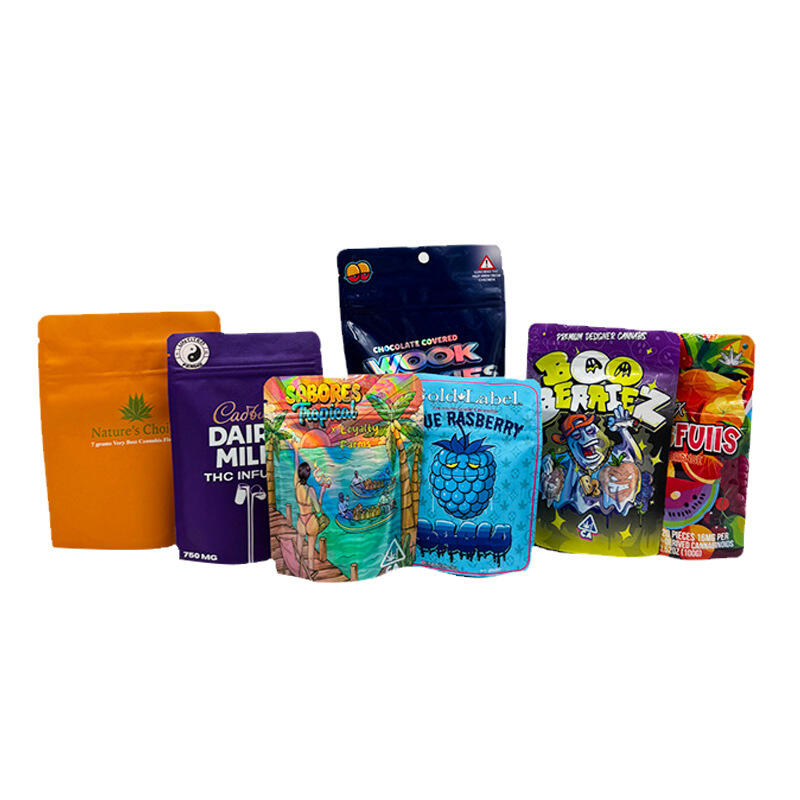
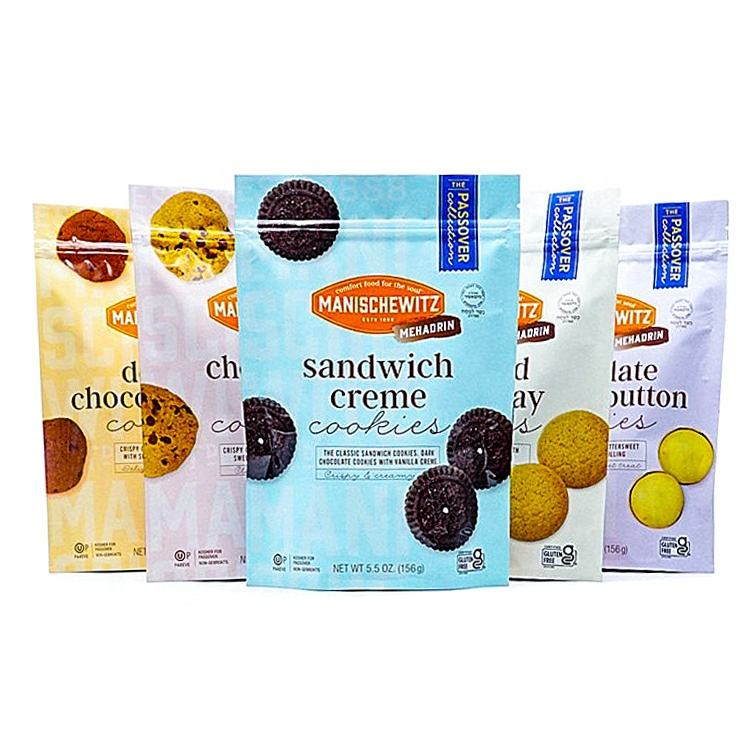
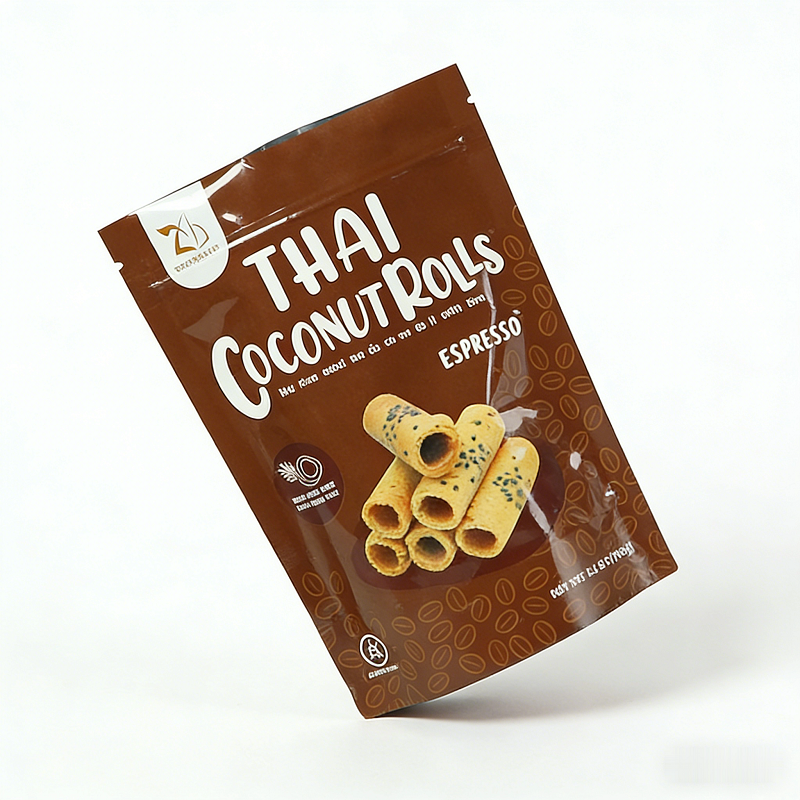
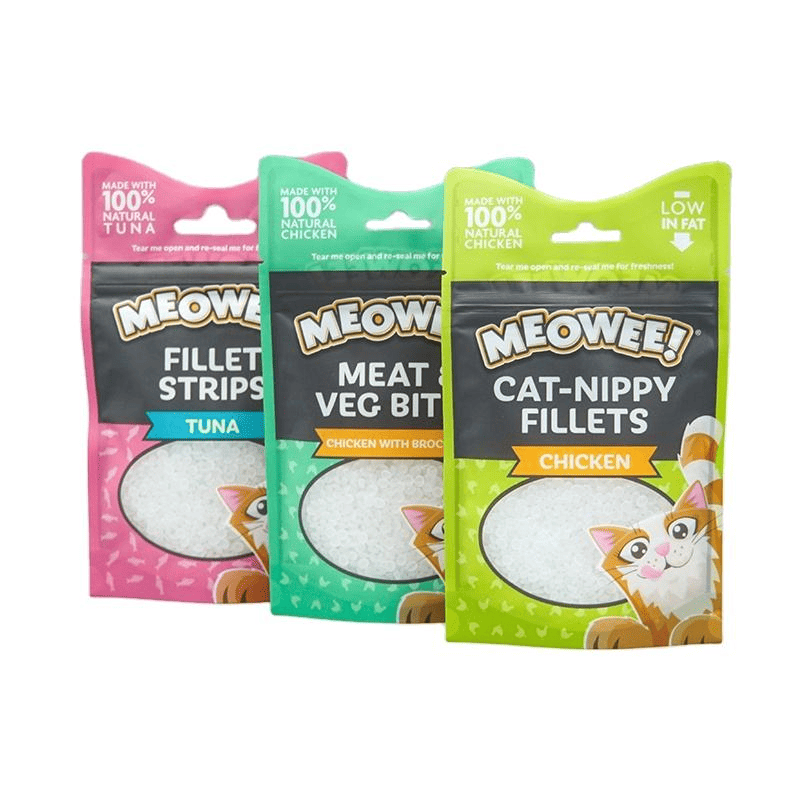
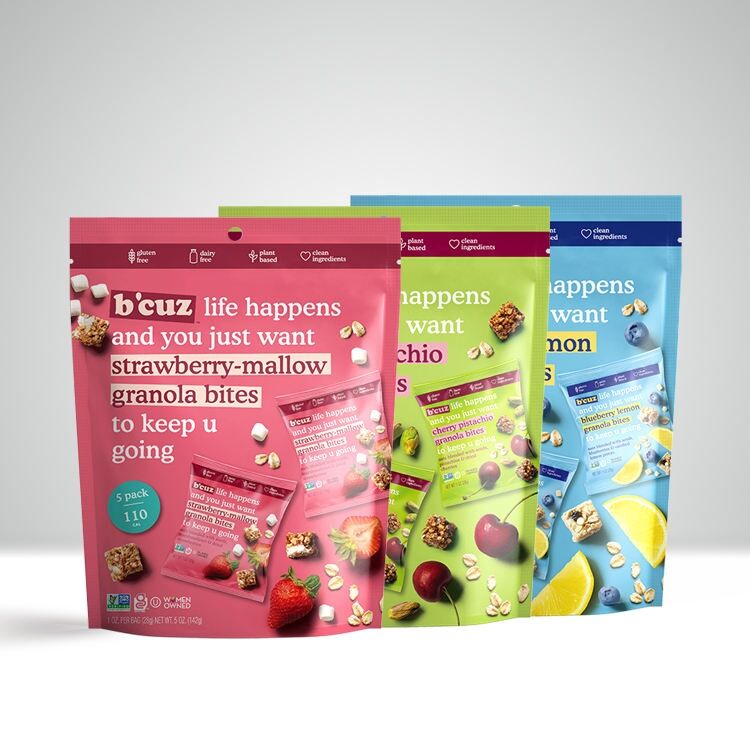
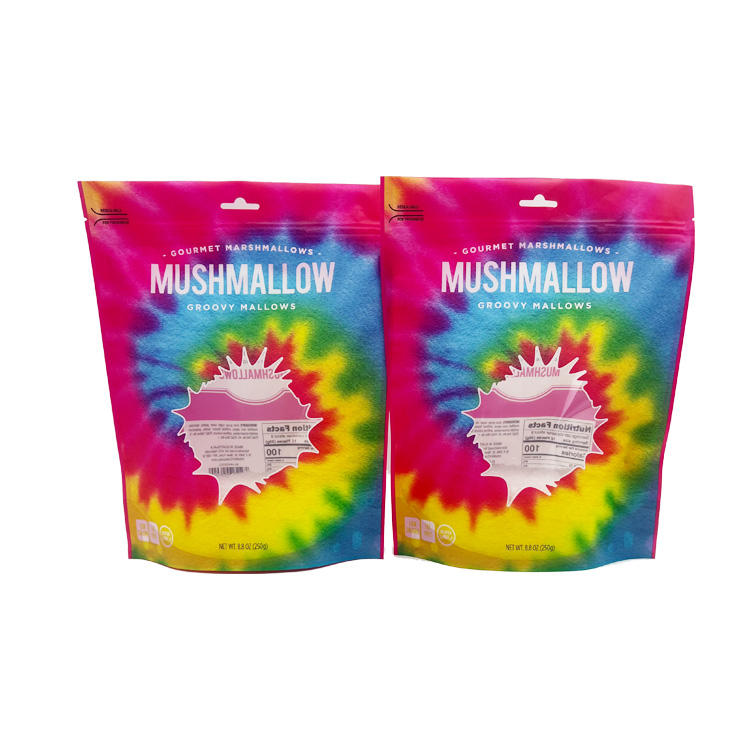
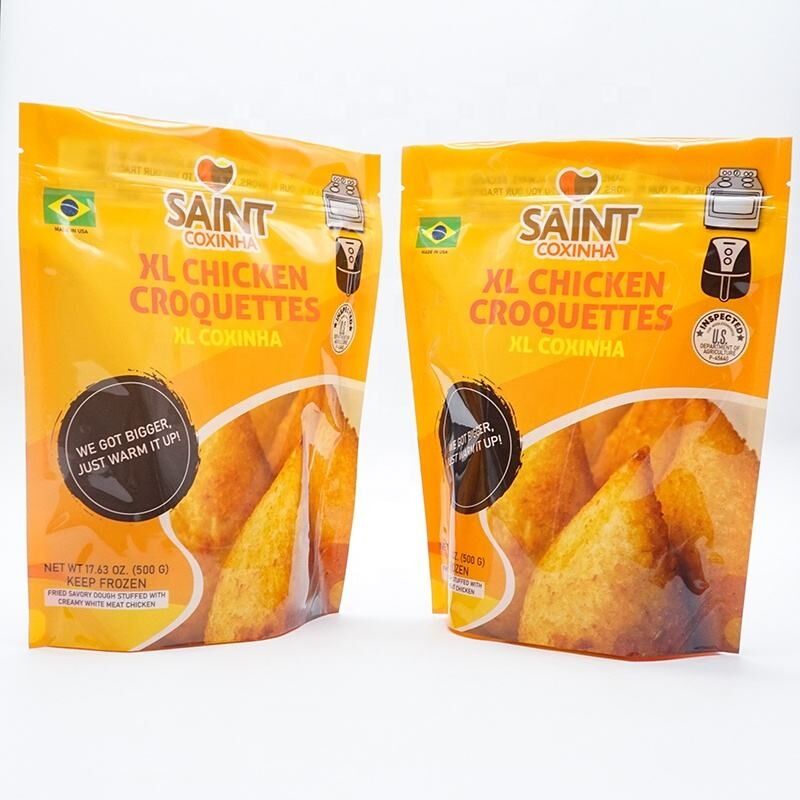
Plastic snack bags represent a fundamental packaging solution designed to preserve freshness, enhance portability, and provide convenient storage for various food items. These versatile containers serve multiple functions in modern food packaging, offering barrier protection against moisture, air, and contaminants that can compromise product quality. The primary technological framework of plastic snack bags incorporates advanced polymer materials, typically including polyethylene, polypropylene, or multilayer composite films that deliver exceptional durability and flexibility. These materials undergo specialized manufacturing processes including extrusion, lamination, and sealing techniques that create uniform thickness and optimal barrier properties. The technological features extend beyond basic containment, incorporating heat-sealing capabilities that ensure tamper-evident closure systems and maintain product integrity throughout distribution channels. Advanced plastic snack bags often feature specialized coatings or treatments that enhance oxygen barrier properties, extend shelf life, and prevent flavor migration. The applications for plastic snack bags span numerous industries including confectionery, nuts, dried fruits, crackers, chips, granola, trail mixes, and portion-controlled snacking products. Retail environments utilize these packages for both branded products and bulk dispensing systems, while foodservice operations depend on them for portion control and takeaway convenience. The manufacturing technology behind plastic snack bags involves precise control of material thickness, typically ranging from 1.5 to 4 mils depending on product requirements and protection needs. Modern production facilities employ multi-layer co-extrusion processes that combine different polymer properties into single packaging structures, optimizing puncture resistance, clarity, and barrier performance. Quality control systems ensure consistent sealing integrity through automated testing protocols that verify seal strength, leak detection, and package uniformity across production runs.

New Products

Plastic snack bags deliver exceptional value through their lightweight construction that reduces shipping costs and environmental impact compared to rigid packaging alternatives. These packages weigh significantly less than glass or metal containers, allowing businesses to transport larger quantities while minimizing freight expenses and carbon footprint. The flexibility of plastic snack bags enables efficient storage in warehouses, retail displays, and consumer pantries by conforming to available space and stacking efficiently without wasted volume. Cost-effectiveness represents a major advantage as plastic snack bags require minimal raw materials while providing maximum protection, resulting in lower packaging costs per unit compared to traditional alternatives. Manufacturing efficiency allows rapid production speeds that meet high-volume demands while maintaining consistent quality standards, ensuring reliable supply chains for food manufacturers and retailers. The transparency of many plastic snack bags provides excellent product visibility that enhances consumer appeal and allows quality inspection without opening packages, reducing waste from unnecessary handling. Moisture barrier properties protect sensitive products from humidity damage, preventing staleness, texture changes, and flavor degradation that can occur with inadequate packaging. Plastic snack bags offer superior puncture resistance compared to paper alternatives, maintaining package integrity during handling, shipping, and retail display without compromising contents. The chemical inertness of food-grade plastics ensures no flavor transfer or contamination, preserving the original taste and aroma of packaged products throughout their shelf life. Customization options include various sizes, closure mechanisms, printing capabilities, and barrier properties that allow manufacturers to tailor packaging solutions to specific product requirements. The resealable nature of many plastic snack bags enables portion control and extended freshness after initial opening, providing consumer convenience that drives repeat purchases. Temperature resistance allows these packages to perform effectively across various storage conditions from frozen foods to ambient temperature products without structural failure. Easy handling characteristics facilitate automated packaging equipment integration, reducing labor costs and increasing production efficiency in manufacturing facilities. The tamper-evident features possible with heat-sealed plastic snack bags provide security assurance that builds consumer confidence and meets regulatory requirements for food safety.

Tips And Tricks

Factory Resumes Work After Spring Festival Holiday: Safety Training First, Orderly Production Restarted

30

Mar

Factory Resumes Work After Spring Festival Holiday: Safety Training First, Orderly Production Restarted

View More

Get a Free Quote

Our representative will contact you soon.
Email
Name
Company Name
Mobile/WhatsApp
Message
0/1000

plastic snack bags

Advanced Multi-Layer Barrier Technology

Advanced Multi-Layer Barrier Technology

The sophisticated multi-layer barrier technology incorporated into premium plastic snack bags represents a breakthrough in food preservation science that extends product shelf life while maintaining optimal freshness characteristics. This innovative approach combines different polymer materials in precisely controlled layers, each serving specific protective functions that work synergistically to create superior barrier performance. The outer layer provides structural integrity and puncture resistance, utilizing high-density polyethylene or oriented polypropylene that withstands physical stress during transportation and handling. The middle barrier layer incorporates specialized materials such as ethylene vinyl alcohol copolymer or metallized films that create an effective oxygen barrier, preventing oxidation reactions that cause rancidity, flavor loss, and nutritional degradation. The inner food-contact layer utilizes FDA-approved materials that ensure complete safety while providing excellent heat-sealing properties for secure closure formation. This multi-layer construction achieves barrier properties previously only possible with expensive rigid containers, delivering protection levels that can extend shelf life by 300-400 percent compared to single-layer alternatives. The technology enables manufacturers to reduce preservative usage while maintaining product quality, appealing to health-conscious consumers who prefer natural products with minimal additives. Advanced co-extrusion manufacturing processes ensure perfect layer adhesion without delamination issues that could compromise barrier integrity over time. The precise thickness control achieved through modern production equipment optimizes material usage while maximizing protection, resulting in cost-effective packaging that delivers premium performance. Quality testing protocols verify oxygen transmission rates, water vapor permeability, and seal integrity to ensure consistent barrier performance across production runs. This technology particularly benefits products containing oils, nuts, or sensitive ingredients that deteriorate rapidly when exposed to oxygen or moisture, providing manufacturers with confidence in product stability and consumer satisfaction.
Eco-Friendly Lightweight Design

Eco-Friendly Lightweight Design

The eco-friendly lightweight design philosophy behind modern plastic snack bags addresses growing environmental concerns while delivering superior functionality that benefits both businesses and consumers. These packages utilize advanced material science to achieve maximum protection with minimal resource consumption, typically weighing 70-80 percent less than equivalent rigid packaging solutions. The reduced material usage directly translates to lower environmental impact through decreased petroleum consumption, reduced manufacturing energy requirements, and significantly lower transportation emissions due to reduced shipping weight. Lightweight construction enables more efficient packaging per shipping container, allowing businesses to move larger quantities of products with fewer transportation resources, reducing both costs and carbon footprint simultaneously. The design optimization focuses on strategic material placement where protection is most needed while minimizing excess material in non-critical areas, achieving optimal strength-to-weight ratios through engineering analysis and testing. Recyclability features enable proper waste management as many plastic snack bags can be processed through specialized recycling programs, contributing to circular economy principles when properly managed. The manufacturing process generates minimal waste compared to alternative packaging methods, with trimming and excess materials easily reprocessed into new products rather than becoming landfill waste. Energy consumption during production remains significantly lower than glass or metal alternatives, requiring less heating, forming, and finishing processes that consume substantial industrial energy. Transportation efficiency extends beyond weight reduction to include space optimization, as plastic snack bags can be shipped flat and formed at packaging facilities, reducing shipping volume by up to 90 percent compared to pre-formed rigid containers. Consumer convenience factors include easy disposal options and reduced storage space requirements in homes, contributing to overall sustainability by minimizing packaging waste accumulation. The environmental benefits compound throughout the product lifecycle from raw material extraction through end-of-life disposal, making plastic snack bags an environmentally responsible choice when proper recycling infrastructure exists.
Superior Freshness Preservation System

Superior Freshness Preservation System

The superior freshness preservation system built into high-quality plastic snack bags represents cutting-edge food science technology that maintains product quality, texture, and nutritional value far beyond what traditional packaging methods can achieve. This comprehensive preservation approach combines moisture control, oxygen exclusion, and aroma retention in an integrated system designed specifically for snack food requirements. Moisture management technology utilizes precise vapor transmission rates that prevent both desiccation and excess humidity accumulation, maintaining optimal moisture levels that preserve texture characteristics essential for consumer satisfaction. The oxygen barrier system employs advanced materials that reduce oxygen transmission to minimal levels, preventing oxidative rancidity that destroys flavor compounds and nutritional elements such as vitamins and healthy fats. Specialized sealing technology creates hermetic closures that maintain internal atmosphere composition throughout the product shelf life, preventing flavor migration and contamination from external odors or contaminants. The preservation system particularly excels with oil-containing products such as nuts, seeds, and fried snacks where oxidation represents the primary quality degradation mechanism, extending shelf life from weeks to months while maintaining fresh-tasted quality. Advanced material formulations include oxygen scavengers and moisture regulators that actively manage package atmosphere rather than simply providing passive barriers, creating optimal storage conditions that adapt to environmental changes. Temperature stability ensures consistent preservation performance across various storage conditions from refrigerated environments to ambient warehouse storage, maintaining effectiveness without requiring special handling protocols. The system design considers gas permeability characteristics that allow controlled release of natural product gases while preventing external contaminant entry, balancing internal pressure management with preservation effectiveness. Quality indicators integrated into some advanced systems provide visual confirmation of package integrity and freshness status, enabling consumers and retailers to verify product quality without opening packages. Testing validation demonstrates preservation effectiveness through accelerated aging studies and real-time shelf life analysis that confirm extended freshness compared to alternative packaging methods, providing manufacturers with confidence in product quality claims and consumer satisfaction assurance.

Get a Free Quote

Our representative will contact you soon.
Email
Name
Company Name
Mobile/WhatsApp
Message
0/1000