Get a Free Quote

Our representative will contact you soon.
Email
Name
Company Name
Mobile/WhatsApp
Message
0/1000

Which coffee bag material best blocks oxygen and light?

2026-04-01 11:30:00
Which coffee bag material best blocks oxygen and light?

Selecting the optimal coffee bag material requires understanding how oxygen and light exposure directly impact coffee quality and shelf life. The choice between different barrier materials can mean the difference between preserving rich flavor profiles for months or watching premium coffee deteriorate within weeks. Coffee roasters and packaging professionals must evaluate material properties that offer superior protection against these two primary degradation factors while balancing cost considerations and consumer preferences.

Material selection for coffee packaging involves analyzing oxygen transmission rates, light barrier effectiveness, and practical manufacturing considerations. Different polymer compositions and laminate structures provide varying levels of protection, with some materials excelling in oxygen blocking while others focus on light protection. Understanding these performance characteristics enables informed decisions that directly impact product quality, customer satisfaction, and business profitability in competitive coffee markets.

Oxygen Barrier Performance in Coffee Packaging Materials

Understanding Oxygen Transmission Rates

Oxygen transmission rate measurements provide quantitative data for comparing coffee bag materials across different environmental conditions. Standard testing protocols measure permeability in cubic centimeters per square meter per day, with lower values indicating superior barrier performance. Premium coffee bag materials typically achieve oxygen transmission rates below 0.1 cc/m²/day, while standard polyethylene films may allow 150-300 cc/m²/day transmission rates.

Temperature and humidity conditions significantly affect oxygen permeability through packaging materials. Higher temperatures accelerate molecular movement through polymer structures, increasing transmission rates by 15-25% for every 10°C temperature increase. Humidity levels above 75% can compromise barrier effectiveness in certain materials, particularly those containing hygroscopic components that swell when exposed to moisture.

Testing standards like ASTM D3985 provide standardized methodologies for measuring oxygen transmission rates under controlled conditions. These protocols ensure consistent comparison between different coffee bag materials and help manufacturers validate barrier performance claims. Understanding these measurements enables coffee companies to select materials that maintain product quality throughout intended shelf life periods.

High-Barrier Laminate Structures

Multi-layer laminate constructions combine different polymers to achieve superior oxygen barrier performance compared to single-layer films. Aluminum foil layers provide nearly zero oxygen transmission when properly integrated into laminate structures, making them highly effective for premium coffee bag applications. Ethylene vinyl alcohol copolymer layers offer excellent oxygen barrier properties while maintaining flexibility and processability requirements.

Metallized films provide enhanced oxygen barrier performance through vacuum-deposited aluminum layers that are significantly thinner than foil but still effective. These materials achieve oxygen transmission rates of 0.5-2.0 cc/m²/day while offering better puncture resistance than foil-based laminates. The metallized layer thickness and uniformity directly impact barrier effectiveness and overall packaging performance.

Coating technologies enable the application of specialized barrier layers to base films, creating customized oxygen barrier solutions. Silicon oxide coatings provide excellent oxygen barrier properties while maintaining transparency, though they require careful handling to prevent barrier layer damage. These advanced coating systems allow manufacturers to optimize barrier performance for specific coffee bag applications and market requirements.

Light Protection Characteristics of Coffee Packaging Materials

UV Light Transmission and Coffee Quality Impact

Ultraviolet light exposure accelerates lipid oxidation and chlorophyll degradation in coffee beans, leading to off-flavors and color changes that compromise product appeal. Light transmission measurements quantify how much UV radiation passes through packaging materials, with values expressed as percentage transmission or optical density units. Effective coffee bag materials should block at least 95% of UV radiation in the 280-400 nanometer wavelength range.

Visible light exposure also contributes to coffee quality deterioration through photochemical reactions that break down aromatic compounds and create stale flavors. Clear or translucent packaging materials provide minimal protection against visible light damage, while opaque materials offer superior protection. The relationship between light exposure duration and quality loss follows predictable patterns that help determine appropriate barrier requirements.

Testing protocols like ASTM E903 measure light transmission properties across different wavelength ranges, providing comprehensive data for material selection decisions. These standardized measurements enable comparison between various coffee bag materials and help validate manufacturer performance claims. Understanding light transmission characteristics ensures selected materials provide adequate protection for intended storage and display conditions.

Opaque and Metallized Film Performance

Solid color films and opaque materials provide complete protection against visible light while allowing brand graphics and product information display through printing techniques. Dark-colored materials like black or brown films offer excellent light barrier properties while maintaining cost-effectiveness for many coffee bag applications. These materials completely block visible light transmission while providing adequate oxygen barrier performance when properly formulated.

Metallized films combine light protection with enhanced oxygen barrier performance through aluminum deposition processes that create reflective surfaces. These materials typically block 99% or more of visible and UV light while achieving superior oxygen barrier properties. The metallic appearance can enhance premium product perception while providing functional benefits that extend coffee shelf life significantly.

Aluminum foil laminates provide complete light blocking combined with excellent oxygen barrier performance, making them ideal for premium coffee bag applications. The foil layer completely prevents light transmission while the laminate structure provides necessary strength and processability characteristics. These materials represent the highest level of protection available for coffee packaging applications requiring maximum barrier performance.

Material Comparison for Optimal Barrier Performance

Polymer Film Barrier Properties

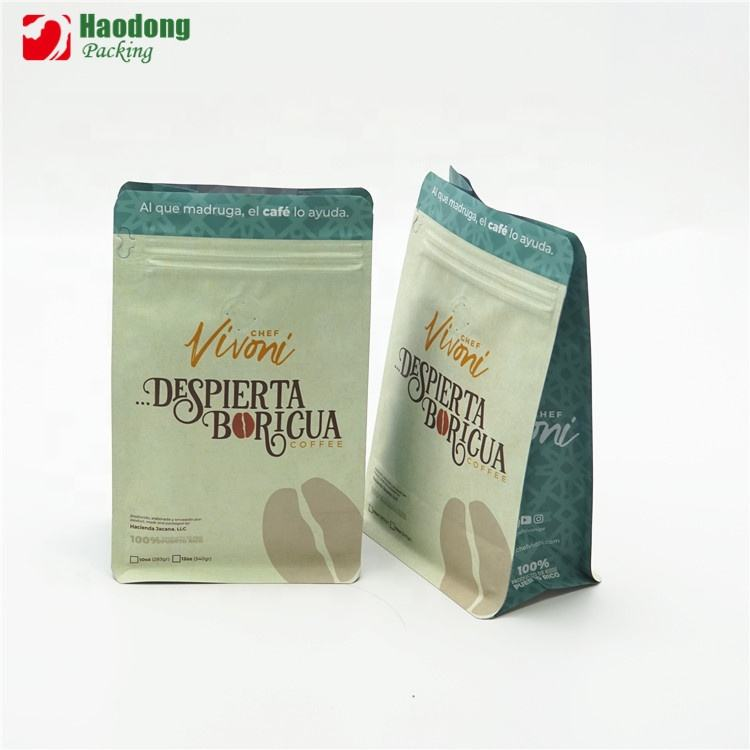
Flat Bottom Coffee Pouches With Valve for Coffee Packaging Coffee Beans Bag

Polyethylene terephthalate provides moderate oxygen barrier performance with good clarity and strength characteristics, making it suitable for coffee bag applications requiring visual product display. Standard PET films achieve oxygen transmission rates of 3-8 cc/m²/day, which may be adequate for shorter shelf life products or when combined with other barrier layers. The material offers excellent puncture resistance and maintains barrier properties across typical storage temperature ranges.

Nylon films offer superior oxygen barrier performance compared to standard polyolefins while maintaining flexibility and heat resistance properties. Oriented nylon achieves oxygen transmission rates of 1-3 cc/m²/day and provides excellent puncture resistance for coffee bag applications. The material performs well across wide temperature ranges and maintains barrier effectiveness even when stretched during processing operations.

Ethylene vinyl alcohol copolymers provide exceptional oxygen barrier performance with transmission rates below 0.1 cc/m²/day under dry conditions. However, these materials lose barrier effectiveness when exposed to high humidity conditions, requiring protective layers in the laminate structure. EVOH layers are typically used in multi-layer constructions where they are protected from moisture exposure while providing superior barrier performance.

Foil and Metallized Material Advantages

Aluminum foil provides nearly perfect barrier performance against both oxygen and light, with transmission rates approaching zero under normal conditions. The material maintains barrier properties across all temperature and humidity conditions encountered in typical coffee bag applications. Foil thickness of 9-25 microns provides excellent protection while maintaining reasonable cost and processability characteristics for commercial production.

Metallized polyester films offer enhanced barrier performance compared to clear films while maintaining better puncture resistance than foil-based materials. The aluminum coating thickness typically ranges from 20-100 nanometers, providing significant barrier improvement over base film properties. These materials achieve oxygen transmission rates of 0.5-2.0 cc/m²/day while completely blocking light transmission for optimal coffee protection.

Cost considerations favor metallized films over foil laminates in many coffee bag applications where maximum barrier performance is not required. Metallized materials provide 80-90% of foil barrier performance at 60-70% of the material cost, making them attractive for value-oriented products. The processing advantages of metallized films include better machinability and reduced web breaks during high-speed packaging operations.

Selection Criteria for Coffee Packaging Applications

Shelf Life Requirements and Barrier Matching

Target shelf life periods determine minimum barrier performance requirements for coffee bag materials, with longer shelf life products requiring superior oxygen and light protection. Fresh roasted coffee typically requires shelf life of 12-24 months, demanding oxygen transmission rates below 1.0 cc/m²/day combined with complete light blocking capability. Instant coffee products may accept higher transmission rates due to processing stability but still benefit from barrier protection.

Storage environment conditions influence barrier performance requirements, with high temperature or humid conditions demanding enhanced protection levels. Tropical markets require superior moisture vapor transmission resistance to prevent humidity-related quality issues. Temperature fluctuations during distribution and storage accelerate both oxygen and light-related degradation, requiring materials with consistent barrier performance across temperature ranges.

Product value considerations justify different barrier performance levels, with premium coffee products typically specifying maximum protection materials. Cost-sensitive products may accept moderate barrier performance when combined with controlled storage conditions and shorter distribution cycles. The relationship between barrier performance and material cost enables optimization based on specific market positioning and profitability requirements.

Processing and Manufacturing Considerations

Heat sealing requirements influence material selection decisions, as some high-barrier materials require specialized sealing conditions or equipment modifications. Foil-based laminates typically require higher sealing temperatures and longer dwell times compared to all-polymer structures. Metallized films generally offer good sealability while maintaining barrier properties, making them suitable for standard packaging equipment operations.

Printing capabilities vary significantly between different coffee bag materials, with clear films offering superior print quality while opaque materials requiring specialized ink formulations. Metallized surfaces provide excellent print adhesion and color density but may require corona treatment for optimal results. Foil surfaces accept high-quality printing but require careful ink selection to prevent barrier layer damage during processing.

Machine compatibility considerations include material stiffness, static generation, and web tracking characteristics that affect packaging equipment performance. Softer materials may cause feeding problems on high-speed equipment while overly stiff materials can create handling difficulties. Static generation affects powder adhesion and web handling, particularly important for coffee bag applications involving fine particles.

FAQ

What oxygen transmission rate is considered acceptable for coffee bag materials?

Premium coffee bag applications typically require oxygen transmission rates below 1.0 cc/m²/day to maintain quality for 12-24 month shelf life periods. Standard quality coffee packaging may accept rates of 2-5 cc/m²/day for shorter shelf life products or controlled storage conditions. Materials with transmission rates above 10 cc/m²/day generally provide insufficient protection for most commercial coffee applications.

How does light exposure specifically damage coffee quality?

Light exposure accelerates lipid oxidation and chlorophyll breakdown in coffee beans, creating off-flavors and undesirable color changes that reduce product appeal. UV radiation is particularly damaging, causing rapid deterioration of aromatic compounds that define coffee flavor profiles. Visible light also contributes to quality loss through photochemical reactions that create stale, cardboard-like flavors over time.

Are metallized films as effective as foil for coffee bag barrier performance?

Metallized films provide 80-90% of the barrier performance offered by aluminum foil while maintaining better puncture resistance and processing characteristics. Foil laminates achieve near-zero transmission rates for both oxygen and light, while metallized films typically achieve 0.5-2.0 cc/m²/day oxygen transmission with complete light blocking. The choice depends on specific shelf life requirements and cost considerations for each application.

What factors affect barrier material performance during storage?

Temperature increases significantly affect oxygen transmission rates, with performance degrading 15-25% for every 10°C temperature rise above standard conditions. Humidity levels above 75% can compromise barrier effectiveness in materials containing hygroscopic components. Physical damage from handling, punctures, or flex cracking can create barrier failures that allow rapid quality deterioration regardless of material specification.