
 EN
EN


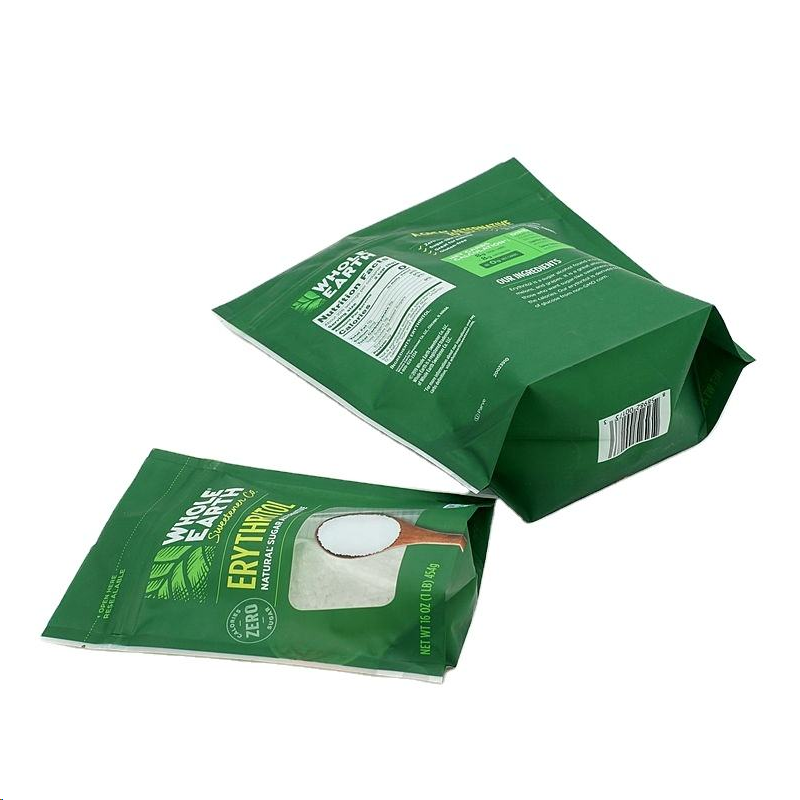
Selecting the right candy bag for your chocolate and confection products is a critical business decision that directly impacts brand perception, product protection, and shelf performance. Whether you operate a boutique chocolate maker, a commercial confectionery manufacturer, or a retail distributor, the quality of your candy bag packaging communicates value to customers before they even taste your product. Premium candy bag solutions combine functional barrier properties, aesthetic appeal, and cost efficiency to ensure your sweet offerings remain fresh, visually striking, and professionally presented throughout their lifecycle.
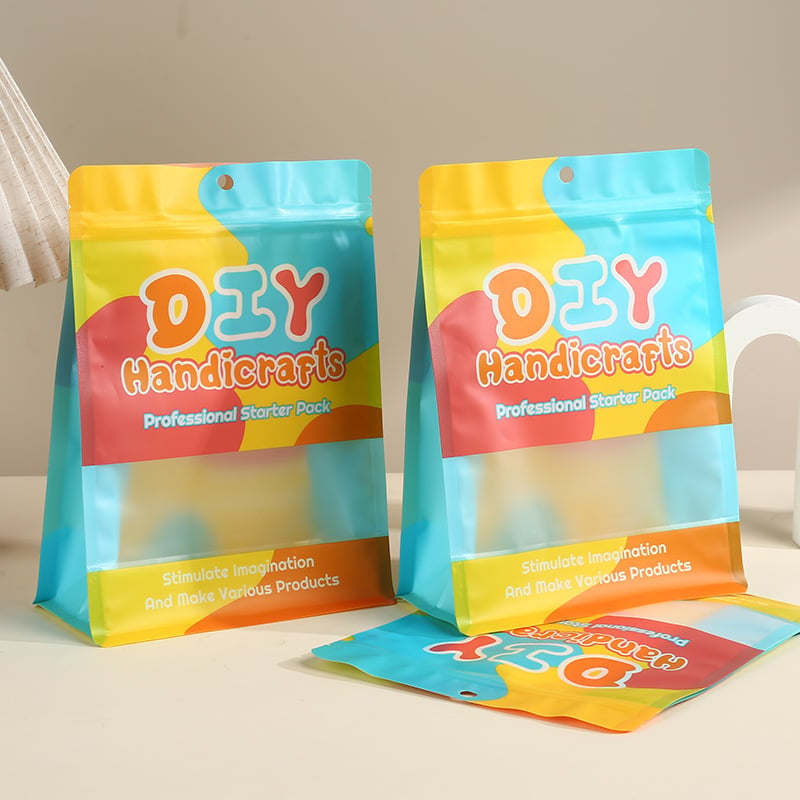
The production sourcing landscape for premium candy bag packaging has evolved significantly as consumer expectations for sustainability, visual design, and product integrity continue to rise. Manufacturers who understand the specific requirements of chocolate and confection storage can deliver candy bag solutions that protect against moisture, oxygen, light exposure, and physical damage while maintaining the luxurious presentation that premium candy demands. This guide explores the essential factors for sourcing the ideal candy bag manufacturer, understanding material specifications, and ensuring your packaging aligns with both your brand identity and operational requirements.
Understanding Candy Bag Material Standards and Specifications
Barrier Properties and Protection Capabilities
Premium candy bag materials must provide multi-layered protection against environmental factors that compromise chocolate quality and shelf life. Moisture vapor transmission rate (MVTR) represents a critical specification for candy bag construction, as chocolate and confections are highly susceptible to moisture absorption that causes blooming, texture degradation, and flavor compromise. A high-quality candy bag typically incorporates PET, aluminum foil, or PE layers designed to maintain oxygen barriers below critical thresholds, preventing oxidative rancidity that accelerates product spoilage and reduces consumer satisfaction.
The structural integrity of your candy bag depends on material thickness, seal strength, and puncture resistance. Stand-up pouches and pillow-style candy bag configurations must withstand handling, shipping, and retail display without compromise. Aluminum foil components in premium candy bag designs provide superior light blocking, which is essential for heat-sensitive chocolates that degrade under UV exposure. When evaluating candy bag specifications, manufacturers should request independent testing data confirming barrier performance under realistic storage conditions including temperature fluctuations and humidity variations common in distribution channels.
Food Safety and Regulatory Compliance
Every candy bag used for food packaging must comply with FDA regulations, EU directives, and regional food contact material standards specific to your target markets. Premium candy bag manufacturers maintain certifications demonstrating that inks, adhesives, and polymer materials do not migrate into food products under normal storage and use conditions. Your candy bag supplier should provide comprehensive compliance documentation including safety data sheets, migration testing reports, and third-party certification credentials that protect your brand from regulatory exposure and customer health concerns.
Material sourcing for compliant candy bag production requires manufacturers to track raw material provenance and maintain traceability systems throughout the supply chain. Virgin resin specifications for premium candy bag construction often exceed recycled material alternatives, ensuring predictable performance and eliminating contamination risks. When sourcing your candy bag manufacturer, verify that their quality assurance processes include incoming material verification, process monitoring, and finished product testing that validates compliance at every production stage.
Design and Aesthetic Considerations for Premium Candy Bags
Brand Differentiation and Visual Impact
Your candy bag design represents a primary touchpoint for consumer brand perception, particularly in premium and luxury chocolate segments where packaging aesthetics directly influence purchase decisions. High-resolution printing capabilities on candy bag substrates allow manufacturers to reproduce intricate designs, gradient colors, and metallic accents that elevate perceived value and reinforce brand identity. Custom window cutouts in candy bag designs showcase product contents while maintaining barrier integrity, allowing consumers to visually verify quality and trigger purchase motivation through attractive chocolate visibility.
The dimensional range available for candy bag production accommodates diverse product sizes from individual chocolate pieces to assorted confection collections, enabling manufacturers to create proportionate, aesthetically refined packaging that appears intentional rather than oversized or cramped. Premium candy bag finishes including matte surfaces, gloss coatings, and soft-touch laminates provide tactile differentiation that consumers associate with quality and care. Stand-up candy bag configurations with gusseted sides optimize shelf space efficiency while projecting professional presentation that communicates product premium positioning in retail environments.
Sustainability and Consumer Expectations
Modern consumers increasingly expect premium candy bag packaging to demonstrate environmental responsibility through recyclable or compostable material composition. Sustainable candy bag options using PHA, PLA, or paper-based substrates meet growing demand while maintaining functional barrier properties necessary for confection protection. Manufacturers offering eco-conscious candy bag solutions without compromising shelf life or premium aesthetics capture market segments where sustainability credentials influence purchasing behavior and brand loyalty.
Clear sustainability messaging on candy bag designs including recycling instructions, material composition, and environmental certifications builds consumer trust and differentiates products on retail shelves. Premium candy bag manufacturers increasingly invest in sustainable production processes including reduced water consumption, renewable energy integration, and waste minimization that align with corporate sustainability goals while supporting consumer values.
Sourcing and Manufacturing Considerations
Production Capabilities and Minimum Order Quantities
Premium candy bag manufacturers operate with diverse production scales and minimum order quantity (MOQ) requirements that directly impact your sourcing strategy and inventory planning. Large-capacity candy bag manufacturers specializing in high-volume production offer superior unit economics but typically require larger commitments that tie up working capital and limit design flexibility. Mid-scale candy bag producers balance production efficiency with flexibility, accommodating custom designs and reasonable MOQ thresholds suitable for growing confectionery brands and emerging specialty producers.
Technical capabilities for your candy bag project should include gravure or flexographic printing for detailed graphics, multi-color registration accuracy, and specialized finishing options including hot foiling, embossing, or custom die-cutting. Assess whether your prospective candy bag manufacturer maintains in-house design services, artwork preparation support, and prototype development that accelerates time-to-market and reduces design iteration costs. Production timeline commitments for premium candy bag orders typically range from 4 to 8 weeks including material procurement, artwork setup, production runs, and quality assurance verification.
Quality Assurance and Partnership Longevity
Reliable candy bag manufacturers implement comprehensive quality systems including material testing, dimensional verification, seal integrity assessment, and print quality inspection that consistently deliver specifications matching your production requirements. Request detailed information about your candy bag supplier's quality metrics, defect rates, and continuous improvement processes that demonstrate commitment to reliability and performance consistency. Long-term partnership success with candy bag manufacturers depends on transparent communication, reasonable turnaround expectations, and collaborative problem-solving when production challenges or specification adjustments emerge.
Premium candy bag manufacturers should offer technical support including shelf-life testing guidance, barrier performance validation under your specific storage conditions, and recommendations for optimizing packaging economics without sacrificing product protection. Supplier stability and financial health matter significantly for candy bag procurement, as manufacturer transitions create supply disruptions and require redesign efforts that interrupt your production scheduling. Evaluate potential candy bag partners based on industry experience, customer references, and demonstrated expertise in confectionery packaging rather than solely on per-unit pricing.
FAQ
What material specifications should I prioritize when selecting a candy bag manufacturer?
Prioritize oxygen barrier properties, moisture vapor transmission rates, seal strength, and food contact material compliance certifications. Premium candy bag manufacturers should provide independent testing documentation confirming barrier performance under realistic storage conditions including temperature and humidity variations. Material thickness, puncture resistance, and light-blocking capability become increasingly important for heat-sensitive chocolates and luxury confections where product integrity directly impacts brand reputation and customer satisfaction.
How can sustainable candy bag options maintain product protection without premium price increases?
Modern eco-friendly candy bag materials including advanced PHA formulations and barrier-coated paper substrates now deliver functional protection equivalent to traditional PE and aluminum constructions while supporting environmental objectives. Sustainable candy bag manufacturing processes have matured to achieve competitive unit costs through economies of scale, making eco-conscious options increasingly accessible for confectionery producers. Manufacturers leveraging sustainable candy bag technologies often improve brand perception and customer loyalty sufficiently to offset minimal cost differentials through improved sales velocity and premium positioning.
What production timeline and minimum order quantities should I expect from premium candy bag suppliers?
Premium candy bag manufacturers typically require 4 to 8 weeks for custom orders including material procurement, artwork setup, production runs, and quality verification. Minimum order quantities vary by manufacturer and product complexity, ranging from 5,000 to 25,000 units for custom-designed candy bag projects. Mid-scale candy bag producers often accommodate smaller MOQ thresholds suitable for emerging brands, while high-volume manufacturers optimize unit costs for large commitments exceeding 50,000 units.