
 EN
EN



When you invest in custom design matte finish printed packaging film, the quality of your roll stock directly impacts your brand reputation and product protection. Understanding how to verify quality from a custom design matte finish printed packaging film roll is essential for manufacturers and packaging professionals who need consistent, reliable roll stock that meets production standards. A thorough inspection process ensures your roll stock performs correctly throughout your packaging line and delivers the visual and protective qualities your customers expect.
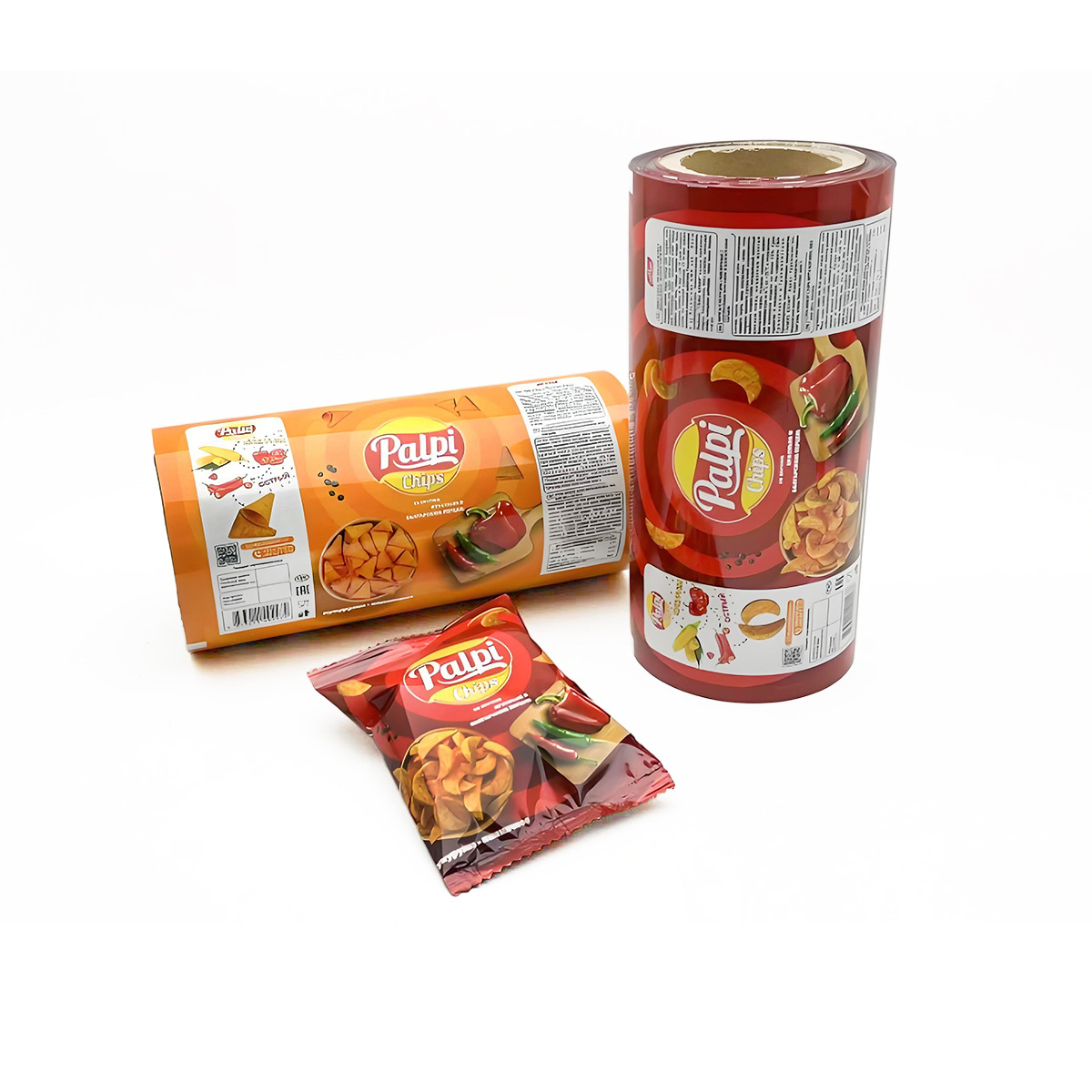
The process of verifying quality in your roll stock begins before the material arrives at your facility and continues through every stage of production. Evaluating custom design matte finish printed packaging film requires attention to multiple quality indicators, from surface finish and color accuracy to structural integrity and dimensional consistency. This guide walks you through practical verification methods that help you assess whether your roll stock meets specifications and performs as intended in your specific application.
Visual and Surface Inspection for Roll Stock Quality
Assessing Print Consistency Across Your Roll Stock
The first step in verifying quality involves examining the print quality across the entire length of your roll stock. Unroll a representative sample and inspect the color consistency, registration accuracy, and pattern alignment. Look for variations in ink density, misalignment between color layers, or inconsistent matte finish appearance that might indicate printing equipment issues or substrate problems. Check multiple sections of the roll stock—beginning, middle, and end—because print quality can vary throughout production runs. Consistent color saturation, sharp graphics, and even matte finish texture across all inspected sections confirm that your roll stock meets visual quality standards.
Examining Surface Finish and Texture
A custom design matte finish should feel uniform and consistent when you run your hand across the roll stock surface. The matte finish in your roll stock creates a professional appearance and prevents light glare, but it must be applied evenly to avoid creating areas that appear glossy or rough. Inspect the surface for any spots where the matte coating appears worn, scratched, or uneven. High-quality roll stock maintains consistent texture throughout, which is critical for products displayed in retail environments where customers interact with packaging. Use a magnifying glass to examine for surface defects, dust particles trapped during printing, or incomplete coating coverage that might become visible under retail lighting conditions.
Physical Properties and Structural Integrity of Roll Stock
Measuring Thickness and Dimensional Accuracy
Precision matters when evaluating roll stock for your production line. Use a caliper or micrometer to measure film thickness at multiple points across the roll stock width and at several locations along the roll. Thickness variation can cause feeding problems, inconsistent seal strength, or jamming in automated packaging equipment. Check that the width of your roll stock matches your specifications—even small deviations can create issues during unwinding and cutting. Your roll stock should maintain consistent dimensions from the core to the outer edge. Dimensional accuracy directly affects how efficiently your packaging line operates, so verifying these measurements ensures your roll stock integrates smoothly into your existing production workflow.
Testing Flexibility and Durability
Roll stock must possess adequate flexibility to unwind smoothly without cracking or splitting. Gently flex a sample section of your roll stock to assess its elasticity and check whether the film responds naturally without brittleness or excessive stiffness. Look for any cracks, tears, or stress marks that might emerge during flexing, which would indicate brittleness problems. The structure of your roll stock should withstand the mechanical stress of unwinding at production speeds without degradation. Test a representative length by running it through your packaging equipment at operational speed to verify that the film feeds smoothly and maintains integrity throughout the process. A quality roll stock demonstrates resilience under normal production conditions while protecting the matte finish and print quality.
Technical Performance Verification for Roll Stock
Evaluating Adhesion and Coating Bond Strength
The matte finish coating must adhere firmly to the substrate beneath your roll stock, and ink must adhere properly to the printed surface. Conduct a simple adhesion test by applying and removing clear tape from the printed surface of your roll stock—the print should not transfer to the tape or show signs of flaking. Examine the tape afterward to confirm minimal residue, which would indicate strong ink adhesion. Poor adhesion suggests quality problems that will worsen during shipping, handling, or when your roll stock comes into contact with moisture or other materials. Quality roll stock exhibits excellent adhesion that ensures long-term durability and professional appearance throughout the product lifecycle.
Checking Environmental Resistance
Your roll stock must resist environmental factors that might compromise the matte finish or printed graphics. Test a sample section of your roll stock by exposing it briefly to moisture, heat, or common solvents your product might encounter. After exposure, inspect the matte finish and print quality for any changes in appearance, discoloration, or coating degradation. The ink and matte coating in quality roll stock should remain stable under typical storage and transportation conditions. This verification step ensures that your roll stock maintains its visual appeal and protective properties when exposed to real-world conditions that your packaged product will experience.
Documentation and Continuous Quality Monitoring
Creating Quality Records and Acceptance Standards
Establish clear documentation standards for your roll stock quality verification process. Record measurements, visual observations, and test results each time you receive a new production run. Create acceptance criteria based on your application requirements and the specifications provided by your roll stock manufacturer. When variations or defects appear in your roll stock, document them immediately and communicate findings to your supplier. This systematic approach helps identify patterns over time and ensures consistent quality across all production runs. Regular roll stock inspections and documentation create accountability and drive continuous improvement in your packaging supply chain.
Building Long-Term Supplier Relationships
Quality verification extends beyond the initial inspection—it becomes part of an ongoing relationship with your roll stock supplier. Share your quality data and specific requirements clearly so the supplier understands your standards. Request certifications and test reports for your roll stock batches, including specifications for matte finish coating, ink adhesion, thickness tolerance, and material composition. Regular communication about quality performance helps your supplier optimize production processes specifically for your requirements. When you maintain consistent quality standards and provide detailed feedback, your supplier is better equipped to deliver superior roll stock that consistently meets your expectations.
FAQ
What are the most common quality defects found in custom design matte finish printed roll stock?
Common defects in roll stock include uneven matte finish texture, color inconsistency between print sections, poor ink adhesion causing flaking or transfer, thickness variations that cause feeding problems, and surface scratches or contamination. Print registration errors, where color layers misalign, also frequently appear in lower-quality roll stock. Many defects emerge from inadequate quality control during printing or coating application. Identifying these issues early through thorough inspection prevents production disruptions and maintains your brand image.
How frequently should I conduct quality inspections on incoming roll stock shipments?
Establish a routine inspection schedule for every roll stock shipment arrival, not just periodic spot checks. Ideally, inspect representative samples from the beginning, middle, and end of each production run. For continuous supply relationships, conduct full inspections on the first few shipments, then transition to regular sampling—perhaps every third or fifth shipment—if quality remains consistently excellent. If defects appear in any shipment, return to full inspections until the issue is resolved. This balanced approach catches problems early while maintaining operational efficiency.
Can I use visual inspection alone to verify roll stock quality, or must I perform physical testing?
Visual inspection catches many surface-level issues but cannot detect all quality problems in your roll stock. Physical tests—such as thickness measurement, flexibility assessment, and adhesion testing—reveal structural and performance characteristics that visual inspection alone misses. A comprehensive verification process combines visual inspection with targeted physical and environmental testing appropriate to your application. The specific tests you perform should align with your product requirements and the potential impact of different failure modes on your packaging performance.