
 EN


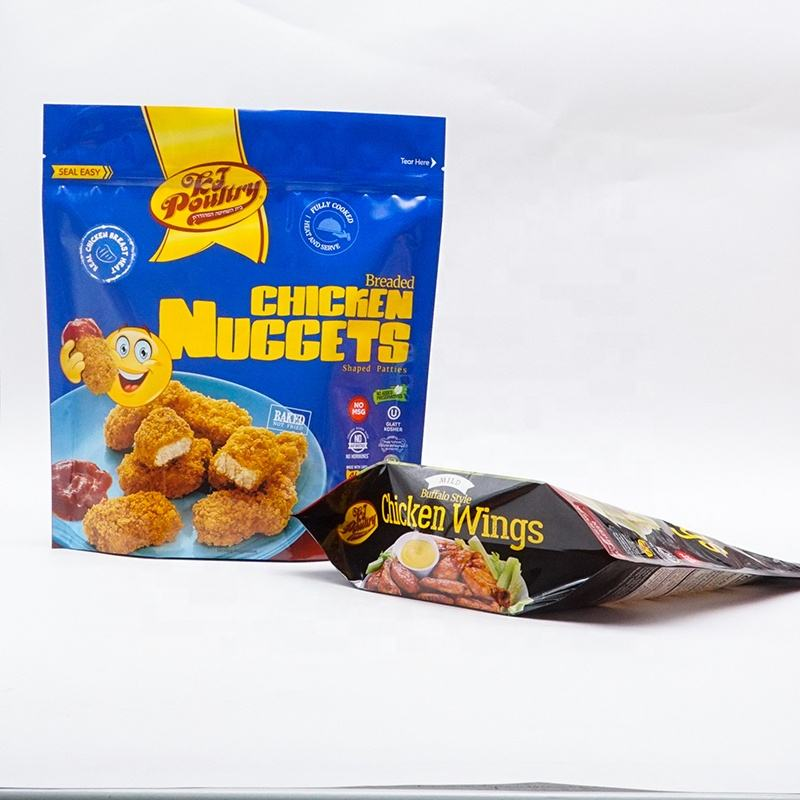
Selecting the right retort pouch supplier requires understanding your specific food packaging requirements and the capabilities of factory direct manufacturers. A retort pouch offers advanced barrier protection, extended shelf life, and convenient consumer appeal for shelf-stable food products. Whether you produce ready-to-eat meals, processed seafood, or sterilized sauces, sourcing a quality retort pouch from a direct factory partner ensures cost efficiency, consistent quality, and reliable supply chain management. This comprehensive buying guide walks you through the essential steps to evaluate, negotiate, and order from high-temperature retort pouch manufacturers with confidence.
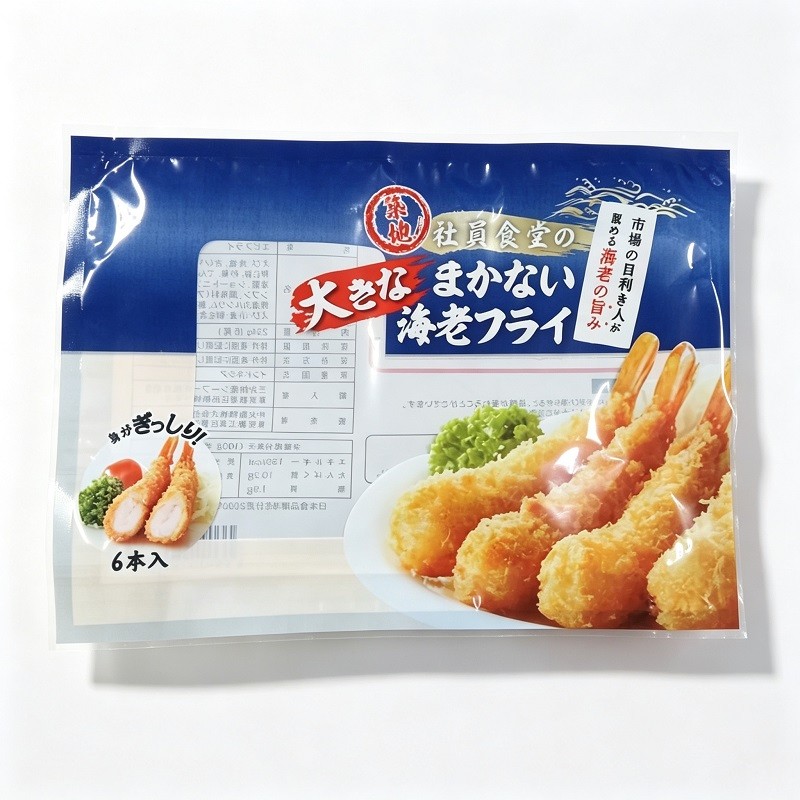
Ordering a retort pouch directly from manufacturers eliminates intermediary markups and grants you access to customization options unavailable through standard distributors. Factory partnerships enable volume discounts, technical collaboration on barrier film selection, and faster turnaround times for repeat orders. Before placing your first order, you must understand material specifications, sterilization compatibility, regulatory compliance, and minimum order quantities that define the retort pouch market. This guide provides the strategic framework to evaluate suppliers and negotiate terms that align with your production timeline and budget.
Understanding Retort Pouch Specifications and Material Requirements
Core Material Composition and Barrier Properties
A retort pouch consists of multiple laminated film layers designed to withstand high-temperature steam or water sterilization cycles. The typical retort pouch structure includes outer polyester for puncture resistance, aluminum foil for absolute oxygen barrier, and polypropylene or polyethylene inner layers for heat-seal strength. When sourcing a retort pouch, you must verify the exact layer thickness, barrier oxygen transmission rate, and water vapor transmission specifications that match your product shelf-life requirements. Factory datasheets should clearly document whether the retort pouch meets requirements for FDAs food contact regulations and international food safety standards.
Temperature Tolerance and Sterilization Compatibility
The defining characteristic of a retort pouch is its ability to withstand temperatures between 118°C and 135°C during commercial sterilization. Different retort pouch designs support specific time-temperature combinations; some accommodate faster high-temperature short-time (HTST) processes while others require longer hold times at lower temperatures. Before ordering a retort pouch, confirm with your supplier the exact thermal profile your product will experience and whether the pouch material can endure that specific cycle without delamination or seal failure. Request samples and conduct independent testing to validate that your chosen retort pouch maintains integrity and barrier function post-sterilization.
Evaluating Factory Suppliers and Technical Capabilities
Manufacturing Standards and Quality Certifications
Reputable retort pouch factories maintain ISO 9001 certification, food contact material compliance documentation, and rigorous quality control protocols. When comparing potential retort pouch suppliers, request certificates of analysis, material safety data sheets, and evidence of third-party testing for barrier properties and seal strength. A reliable retort pouch manufacturer conducts regular incoming material verification, runs statistical process control on film layers, and maintains traceability records for every production batch. Factories offering a retort pouch with documented contamination and failure rates below industry standards demonstrate operational discipline that protects your brand reputation.
Customization Capabilities and Technical Support
Direct factory ordering of a retort pouch enables collaboration on custom sizes, print designs, and film specifications tailored to your product positioning. Leading retort pouch manufacturers offer design consultation services, conduct structural testing of prototype pouches under your exact sterilization conditions, and adjust material formulations if barrier or seal performance falls short. When evaluating a retort pouch factory, assess their responsiveness to technical questions, willingness to provide samples at no charge, and flexibility to modify specifications mid-contract. Factories demonstrating strong technical depth in retort pouch engineering and material science become strategic partners rather than transactional vendors.
Negotiating Price, Volume Terms, and Ordering Logistics
Minimum Order Quantities and Volume-Based Pricing
Most retort pouch factories establish minimum order quantities ranging from 50,000 to 250,000 units depending on pouch size, complexity, and print coverage. When ordering a retort pouch, volume commitments directly correlate to unit pricing; larger orders unlock significant per-unit discounts while smaller volumes incur premium pricing. Negotiate tiered pricing schedules with your retort pouch supplier that reward growing sales volumes over time, incentivizing loyalty while providing budget predictability. Discuss whether your retort pouch factory accommodates split shipments, staggered production runs, or flexible delivery scheduling to help manage working capital and warehouse space constraints.
Lead Times, Quality Assurance, and Contingency Planning
Typical retort pouch production requires 4 to 8 weeks from order placement to shipment, including material procurement, film extrusion or coating, lamination, die-cutting, and quality inspection. When ordering a retort pouch, establish clear communication about lead times, production milestones, and contingency protocols if defects emerge during manufacturing. Request that your retort pouch supplier provides advance samples and production schedules so you can conduct receiving inspections and accelerate changeover if production begins ahead of schedule. Clarify return policies, claim procedures, and replacement timelines for defective retort pouch shipments to minimize supply chain disruptions.
FAQ
What makes a retort pouch different from standard flexible packaging?
A retort pouch is engineered with multi-layer laminated films and specialized heat-seal technologies specifically designed to survive commercial sterilization at high temperatures without compromising structural integrity or barrier function. Standard flexible packaging cannot withstand retort processing and would fail, leaking product or losing shelf-life protection. The retort pouch achieves shelf stability for ambient-temperature storage without refrigeration, making it ideal for premium ready-to-eat meals, processed seafood, and sterilized sauces that demand both convenience and safety.
How do I ensure a retort pouch meets food safety regulations?
Request comprehensive documentation from your retort pouch manufacturer confirming compliance with FDA food contact substance regulations, EU migration limits, and any country-specific food packaging standards relevant to your markets. A credible retort pouch supplier provides migration test certificates, heavy metal analysis reports, and written statements confirming that all inks, adhesives, and film materials are approved for food contact. Conduct or commission independent testing of sample retort pouch units to verify barrier integrity and absence of migration under your intended storage conditions and shelf-life duration.
What is the typical lifespan of a retort pouch on retail shelves?
A properly manufactured retort pouch maintains product quality and safety for 18 months to 3 years under ambient storage conditions, depending on product water activity, oxygen transmission rate of the pouch material, and environmental humidity. The exact shelf life of your retort pouch is determined by stability testing conducted under accelerated temperature conditions and real-time storage monitoring. Work with your retort pouch supplier and food scientist to establish realistic shelf-life claims supported by data, ensuring compliance with labeling regulations and consumer expectations for product freshness.